
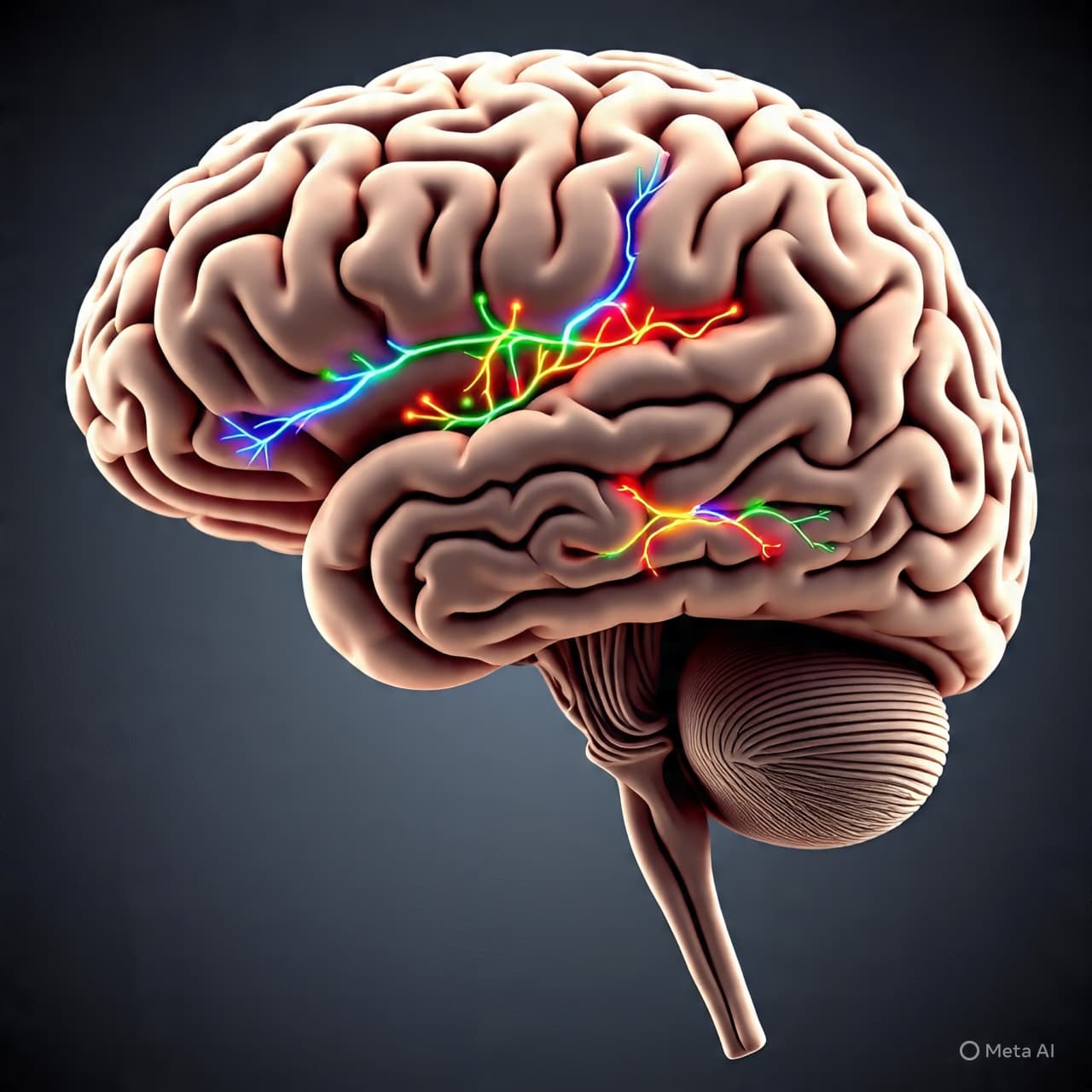
Key Highlights
- ZBTB18 Gene:Recent studies reveal its crucial role in cortical development.
- Evolutionary Insights:Variations in ZBTB18 may explain differences in brain complexity.
- Clinical Relevance:Disruptions in cortical development linked to genetic factors.
The human brain, with its intricate folds and layers, is a marvel of evolutionary design, shaped over millions of years. Recent research has shed light on the genetic underpinnings of this complexity, particularly focusing on the ZBTB18 gene. This gene, while small, plays a pivotal role in the development and organization of the cerebral cortex, the brain's outer layer responsible for higher cognitive functions.
ZBTB18 functions as a transcription factor, regulating the activity of other genes involved in cortical development. This gene influences the timing and manner in which neural progenitor cells differentiate and organize into layers, contributing to the brain's overall architecture. The process is not merely a construction project; it is a finely tuned orchestration of cellular events that must occur in a specific sequence to ensure proper brain function.
Comparative studies across species suggest that variations in genes like ZBTB18 have significant implications for the size and complexity of the cortex. These genetic differences may have played a role in the evolutionary divergence of human brains from those of other species, leading to the advanced cognitive abilities that characterize humanity. Understanding these genetic mechanisms provides insight into how our brains have evolved and adapted over time.
Moreover, the implications of this research extend beyond evolutionary biology. Disruptions in the regulation of cortical development, potentially linked to genetic factors like ZBTB18, can lead to developmental disorders. This connection highlights the importance of understanding the genetic basis of brain structure and function, as it may inform clinical approaches to treating such disorders.
Reports from reputable sources such as BBC Science and The Guardian emphasize the significance of these findings. They suggest that the study of ZBTB18 not only enhances our understanding of brain evolution but also opens new avenues for exploring the genetic roots of neurological conditions. As researchers continue to unravel the complexities of brain development, each discovery contributes to a broader narrative about how genetic interactions shape our cognitive landscape.
In summary, the ZBTB18 gene emerges as a key player in the intricate dance of cortical development. Its influence on the brain's architecture underscores the profound connection between genetics and the evolution of human thought. As science progresses, the ongoing exploration of such genes will undoubtedly yield further insights into the mysteries of the human brain.
Published by Banx Network. This article is part of the Banx decentralized media programme, powered by the BXE token on the XRP Ledger.



