Between Silence and Signal: The Watcher Who Listens for Stones in the Sky
Scientists monitor near-Earth asteroids and issue alerts when impact risks arise, using advanced systems to track trajectories and assess potential threats.

Scientists monitor near-Earth asteroids and issue alerts when impact risks arise, using advanced systems to track trajectories and assess potential threats.

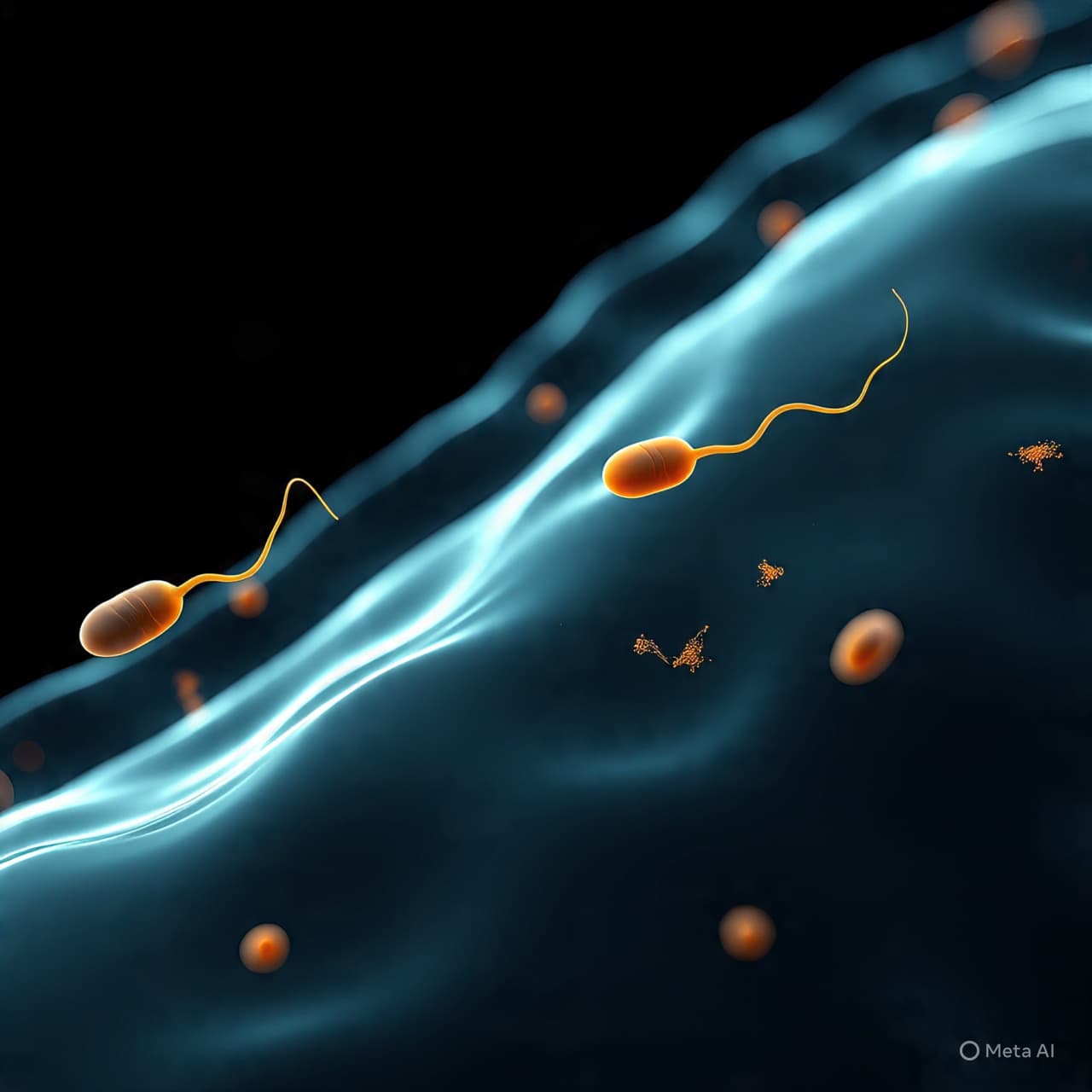
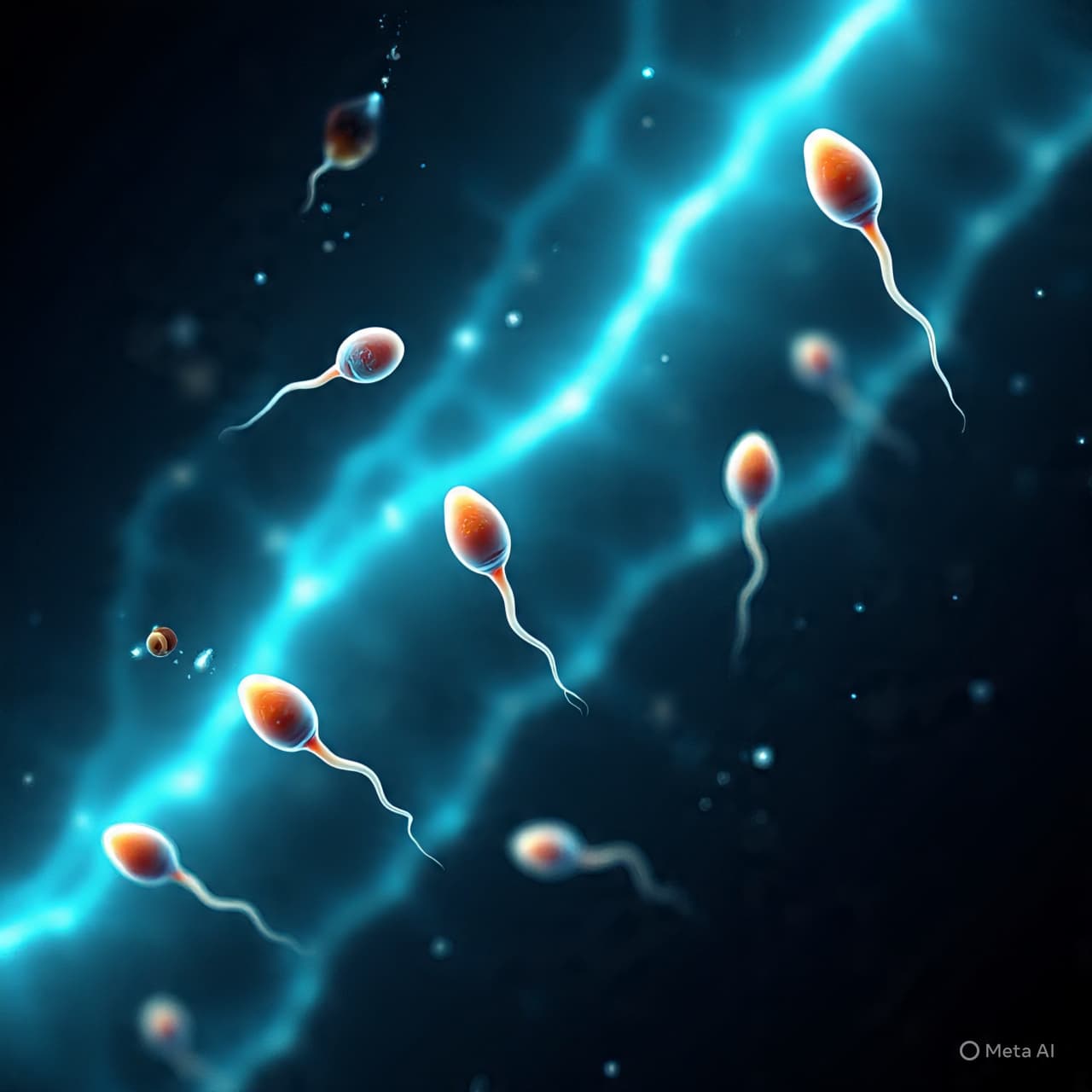
Microgravity alters fluid dynamics and chemical signaling, making it harder for sperm to navigate toward an egg, raising questions about reproduction in space.

Research shows microgravity can disrupt sperm navigation by altering fluid dynamics and chemical signaling, raising questions about reproduction in space.

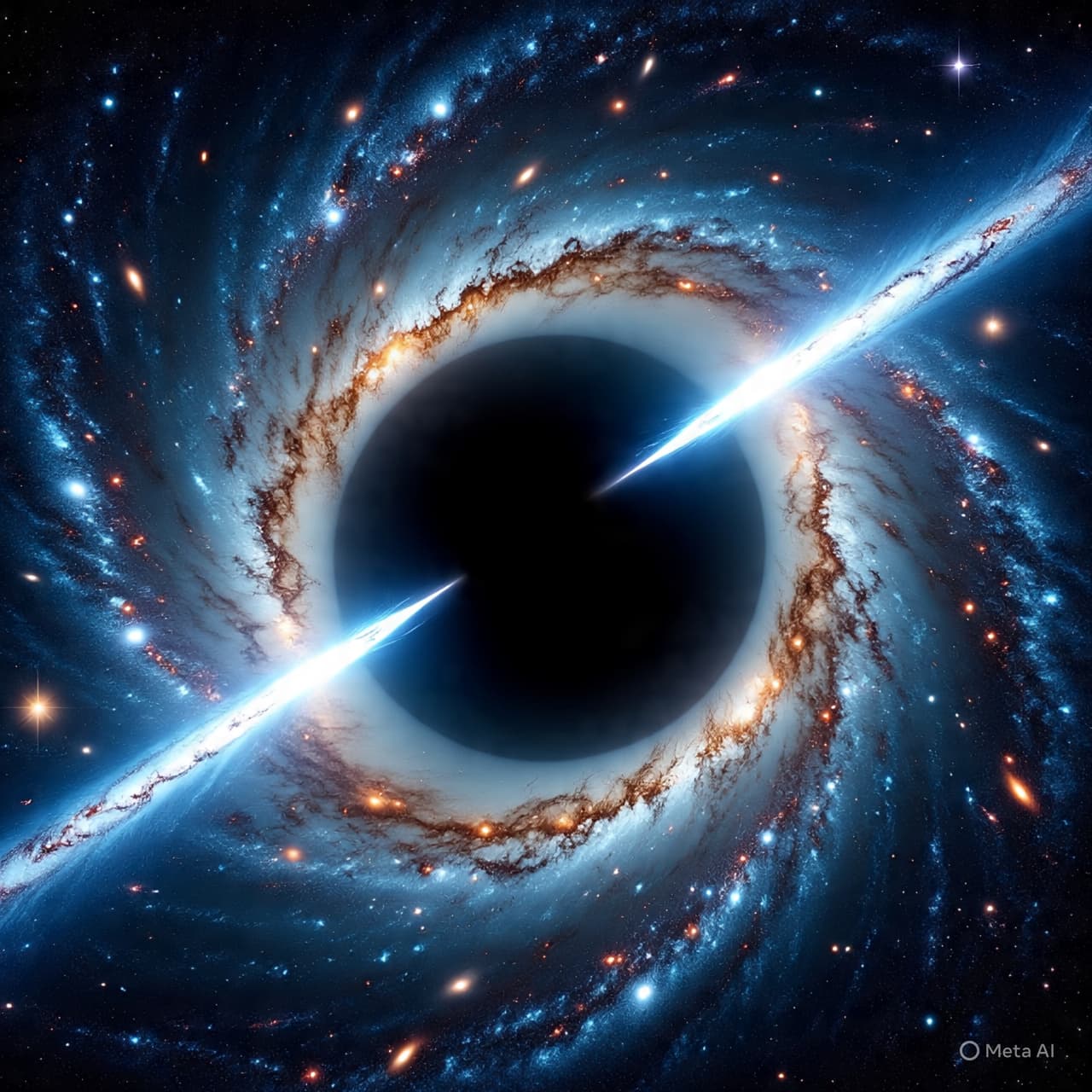
Giant black holes can suppress star formation by heating and dispersing gas in galaxies, shaping how stars form across the universe.

New research suggests Earth formed mostly from nearby material, challenging earlier theories that emphasized contributions from distant regions of the early solar system.

Coral reef science is evolving with new tools and methods to keep pace with climate change, aiming to better understand and support reef resilience.

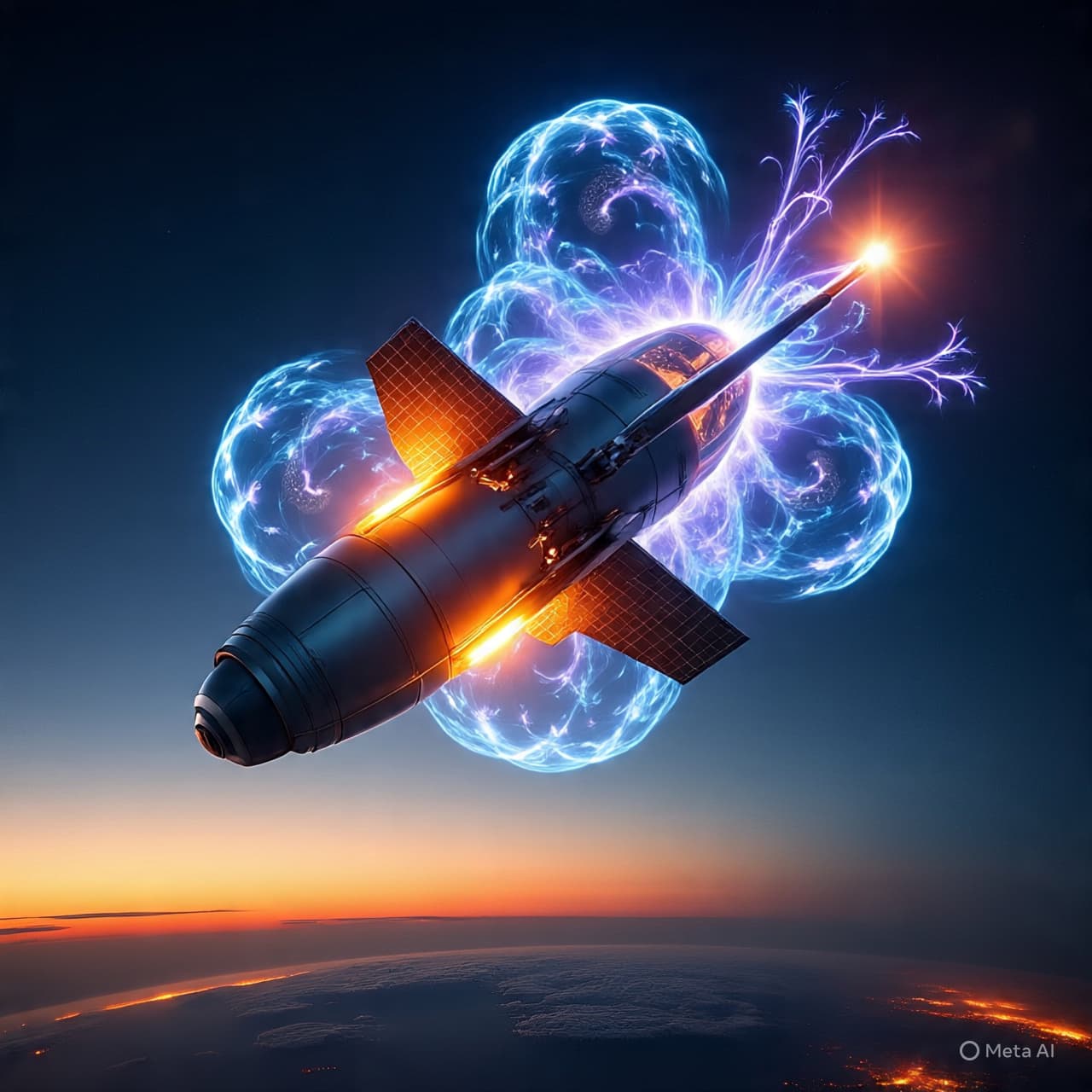
NASA is reviewing Orion’s heat shield performance after Artemis I, assessing safety concerns before launching astronauts on the Artemis II Moon mission.

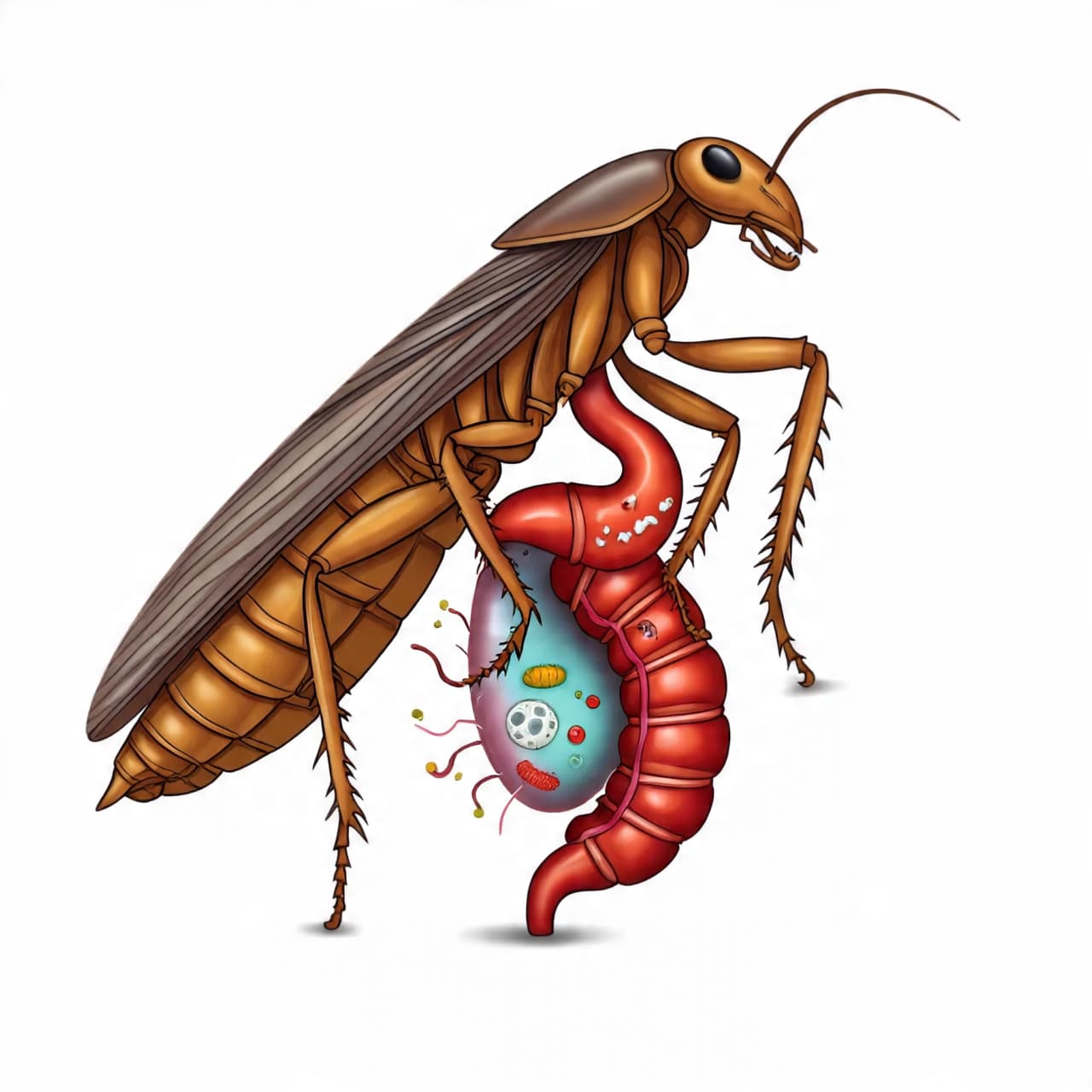
Scientists are studying cockroach gut microbes that can break down plastic, potentially offering a new pathway to convert waste into usable fuel.

ChatGPT is reported to have helped solve an unproven geometry problem, marking a potential shift in how AI contributes to mathematical reasoning and proof.

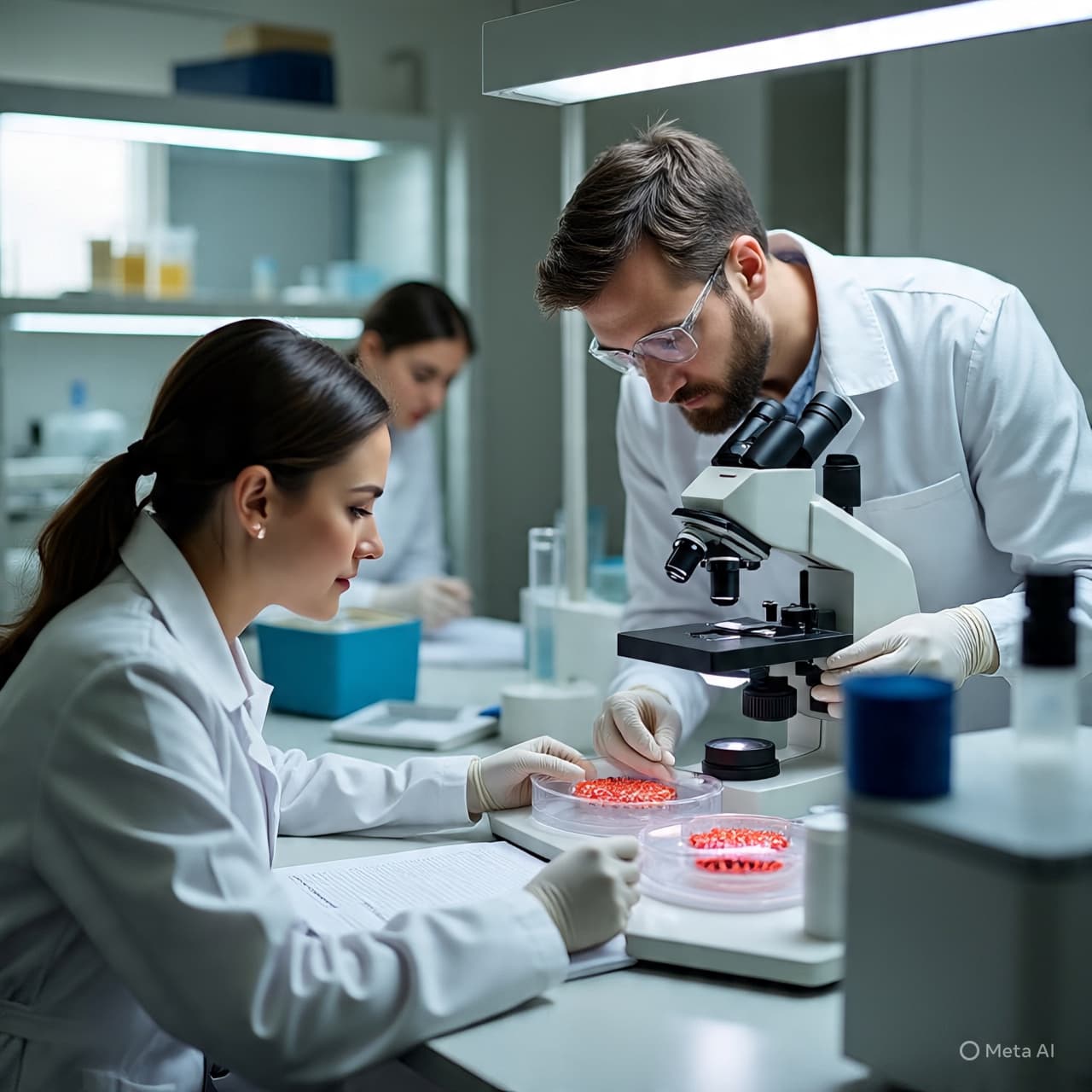
New technologies like organoids and computational models are improving reproductive safety testing, making it more accurate, efficient, and relevant to human biology.

A meta-analysis finds mobile health tools improve medication adherence in cancer patients, offering simple digital support that enhances treatment consistency.

NASA’s Bennu samples reveal unexpected complex organic compounds, offering new insights into asteroid chemistry and the early solar system’s building blocks.

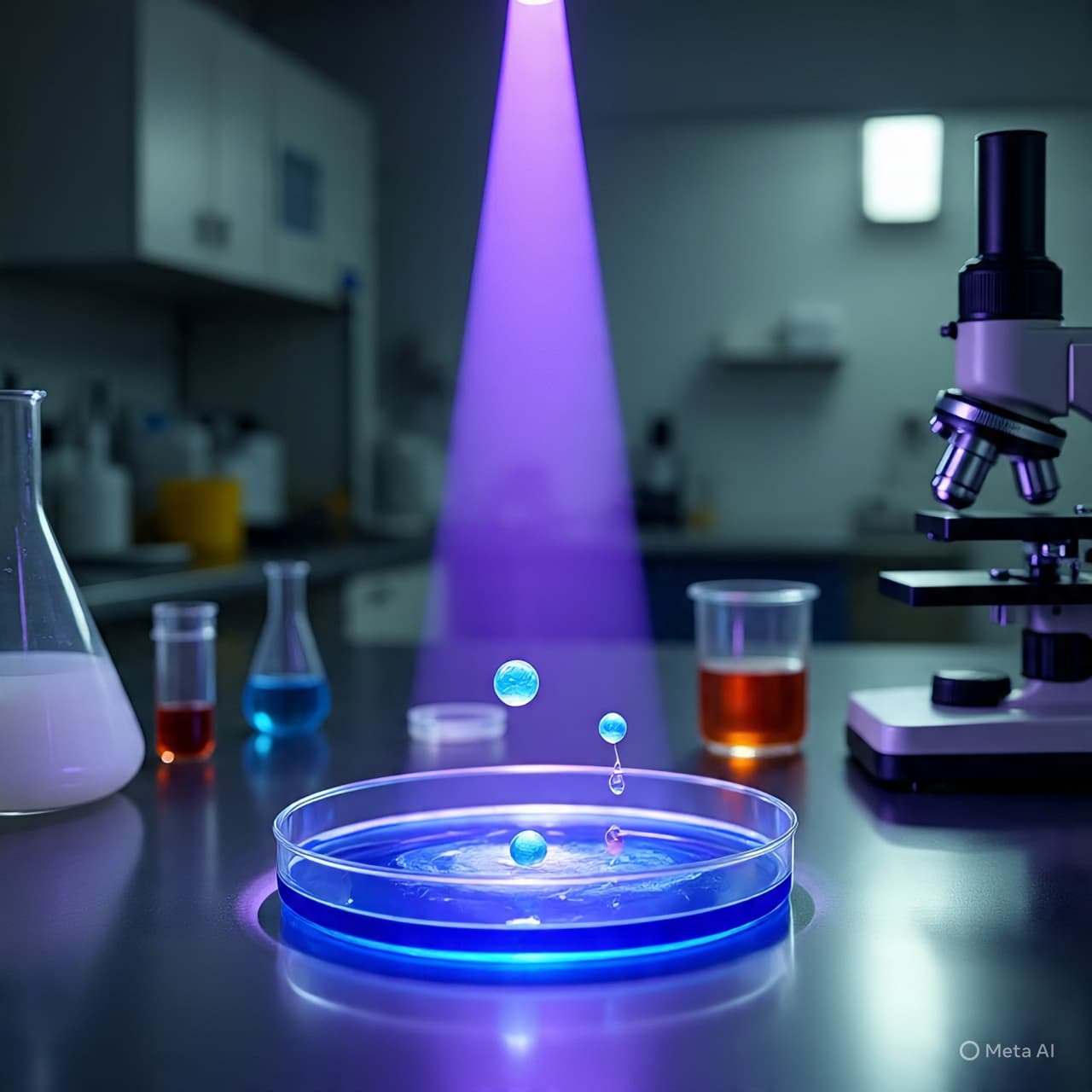
Researchers use UV light to control molecular droplets, enabling precise, reversible switching that could impact biology, medicine, and synthetic systems.

A study suggests giant prehistoric insects weren’t solely limited by oxygen levels, pointing to multiple factors shaping their large size in ancient ecosystems.

AI models compress evolutionary history to simulate animal vision, offering new insights into how perception develops and how it can be replicated in artificial systems.

An improved catalyst boosts the conversion of ethanol into hydrogen, offering a more efficient pathway for cleaner energy production and hydrogen fuel development.

A study suggests a key evolutionary biology model may rely on a math flaw, prompting reevaluation of assumptions in how evolution is mathematically described.

NASA plans to build a lunar base by the 2030s under the Artemis Program, aiming to support long-term exploration, research, and future deep-space missions.

NASA released images of stellar nurseries, revealing nebulae where stars form—cosmic scenes that resemble blooming and echo the spirit of spring.

Scientists developed cyclic catalysts that use sunlight and air to regenerate during pharmaceutical synthesis, improving efficiency and sustainability.

Scientists observed paired atoms existing in superposition, appearing in two places at once, deepening understanding of quantum behavior and matter.

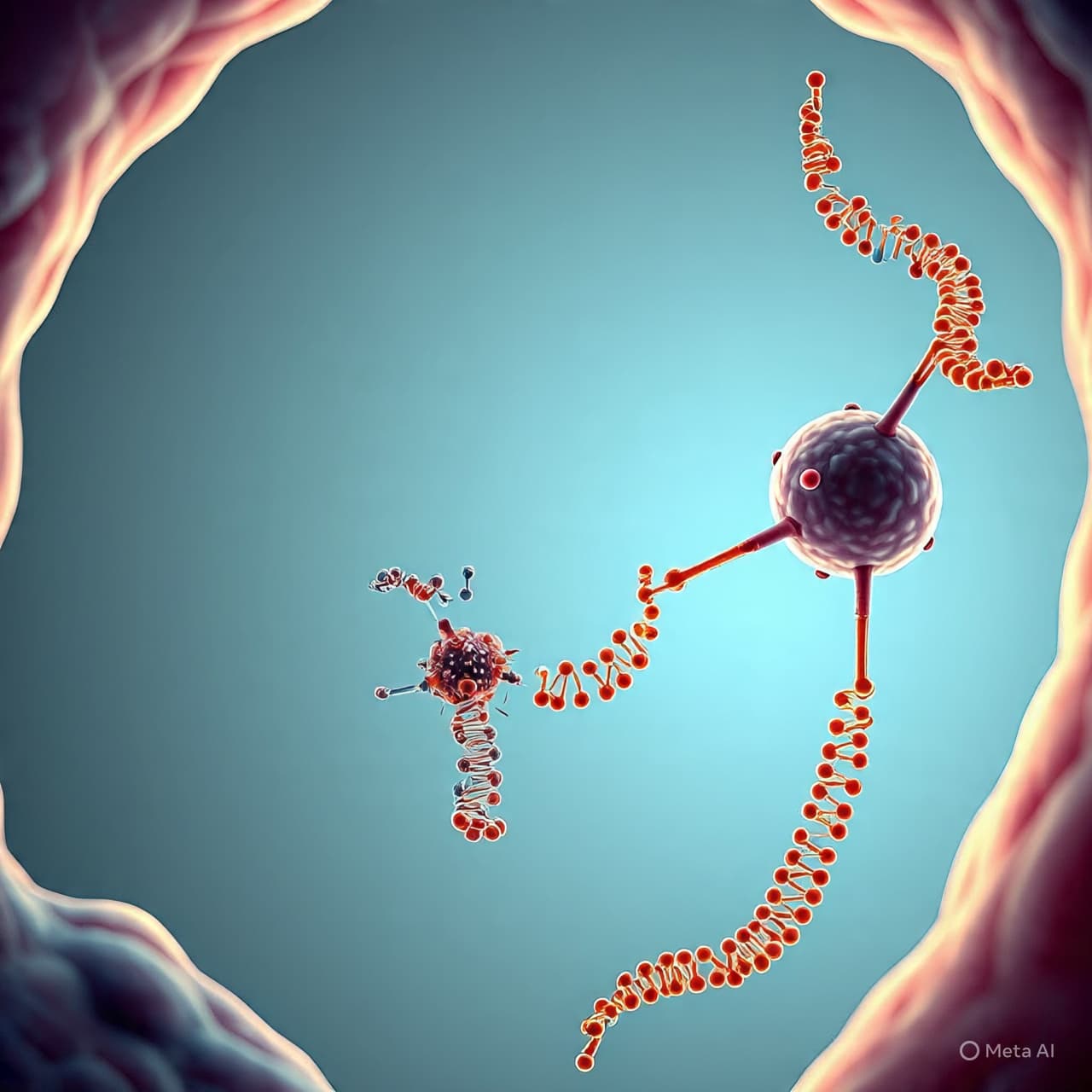
A protein complex helps protect RNA quality control in cells, ensuring stable genetic processing and supporting accurate cellular function.

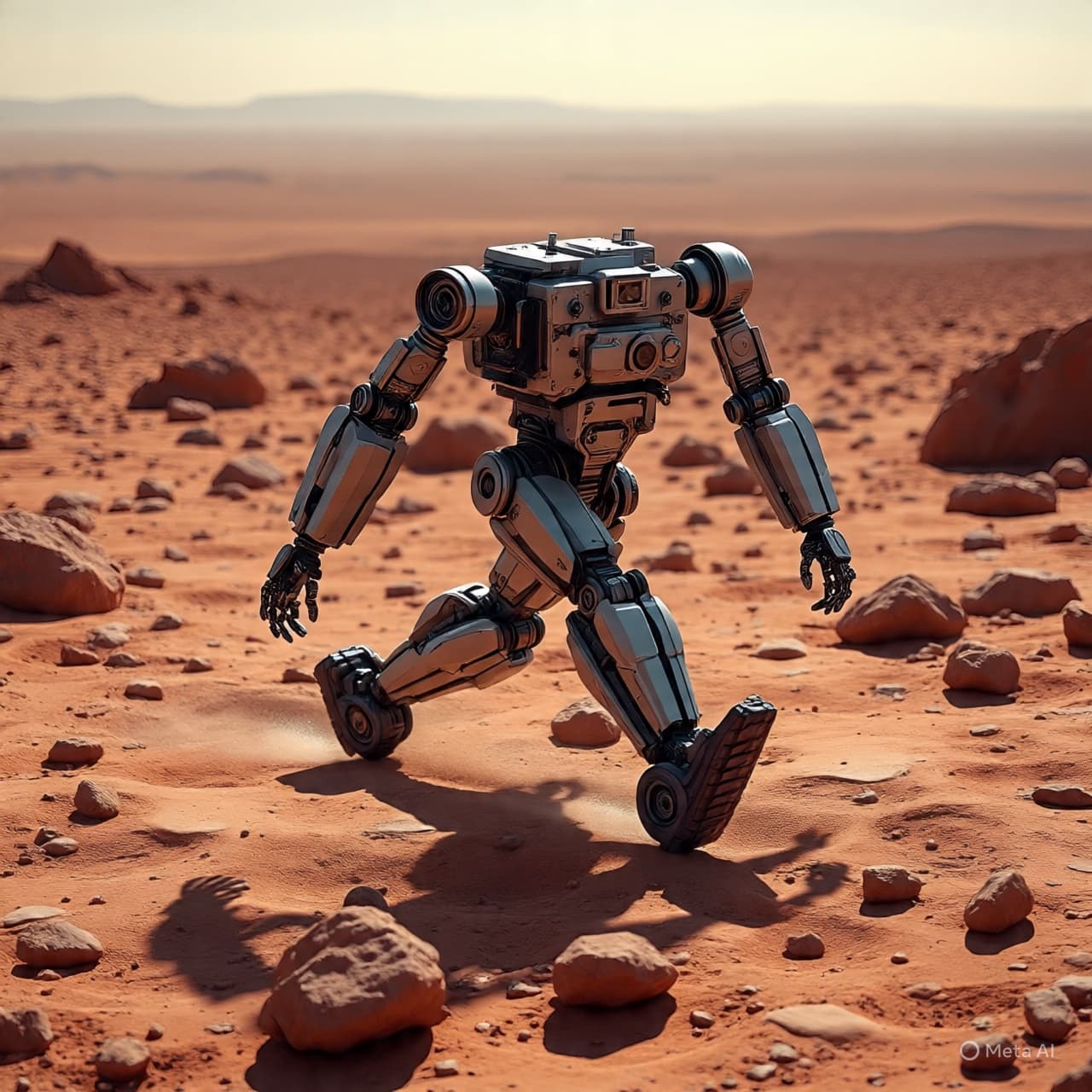
A legged robot could improve exploration on the Moon and Mars by navigating rough terrain, aiding resource prospecting and the search for signs of life.

Physicists discovered a magnetic effect that alters friction, adding a new layer to the centuries-old understanding of how surfaces resist motion.