In the Quiet Architecture of Thought: Writing as a Way to Be Seen
LinkedIn highlights articles as a way to deepen engagement, offering longer-form content that encourages sustained interaction and more meaningful professional connections.

LinkedIn highlights articles as a way to deepen engagement, offering longer-form content that encourages sustained interaction and more meaningful professional connections.

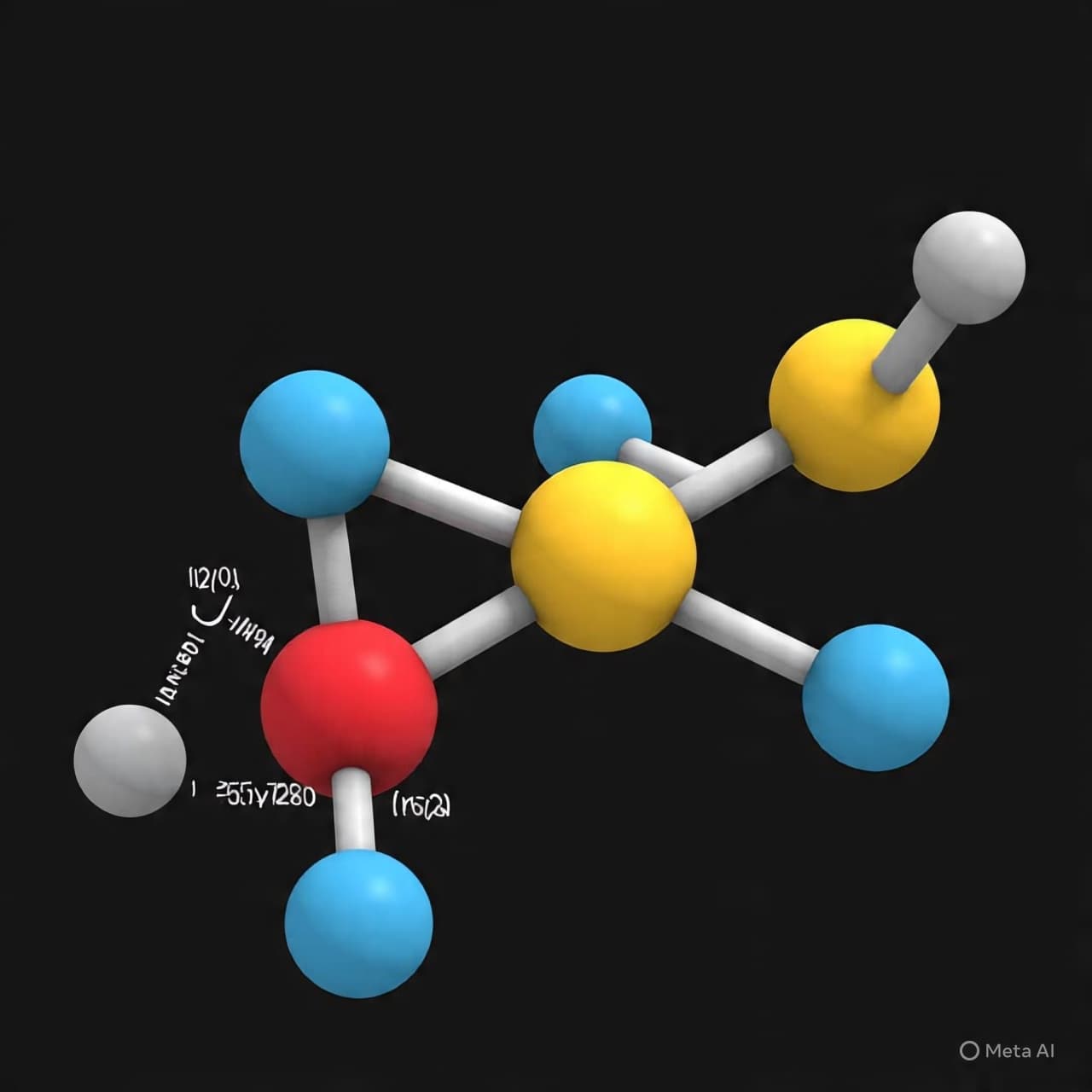
Scientists created a five-in-one super molecule combining multiple functions, potentially advancing smaller, faster, and more efficient next-gen electronics.

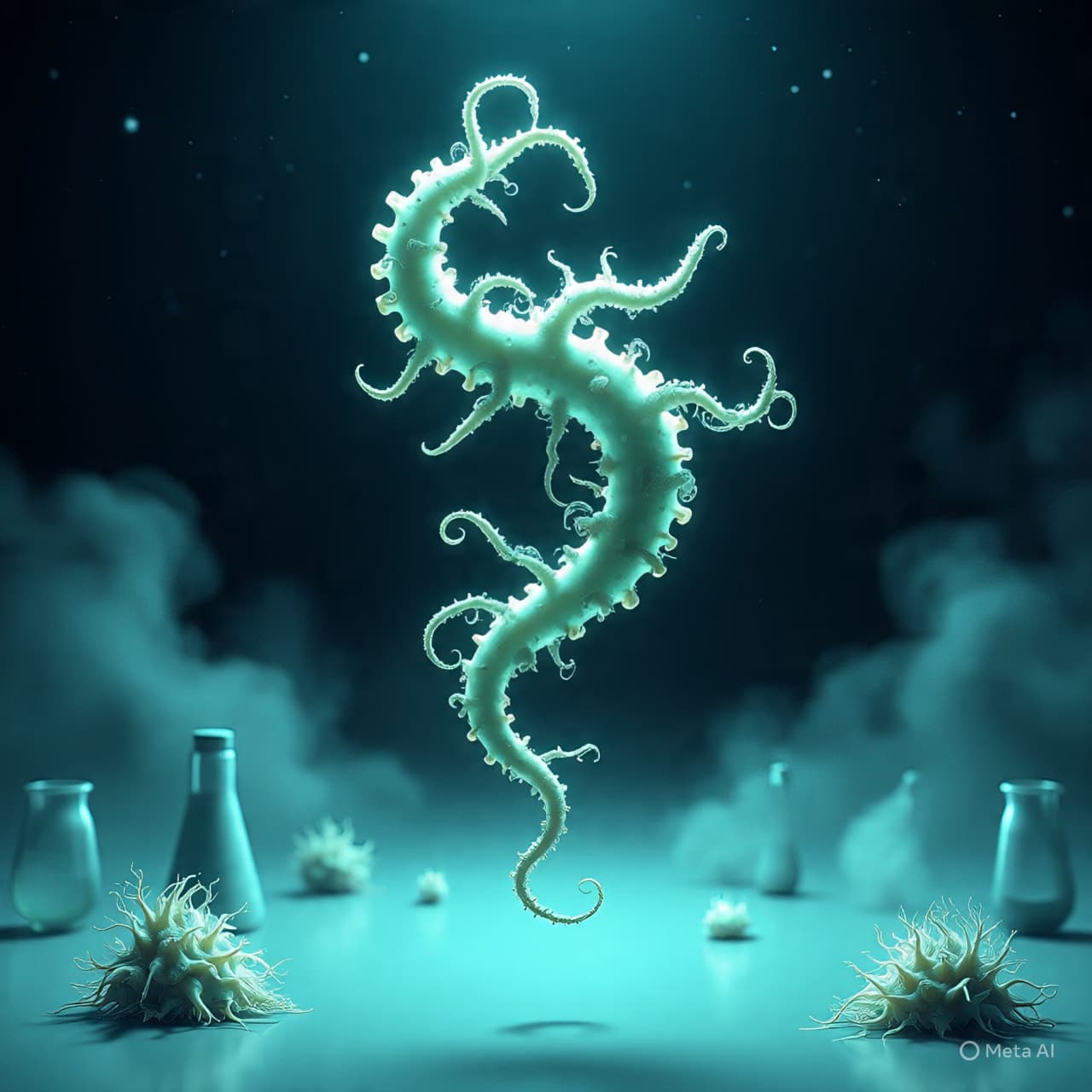
A purple lifeform on the ISS was seen forming tentacle-like structures, offering new insights into how biology adapts and grows in microgravity.

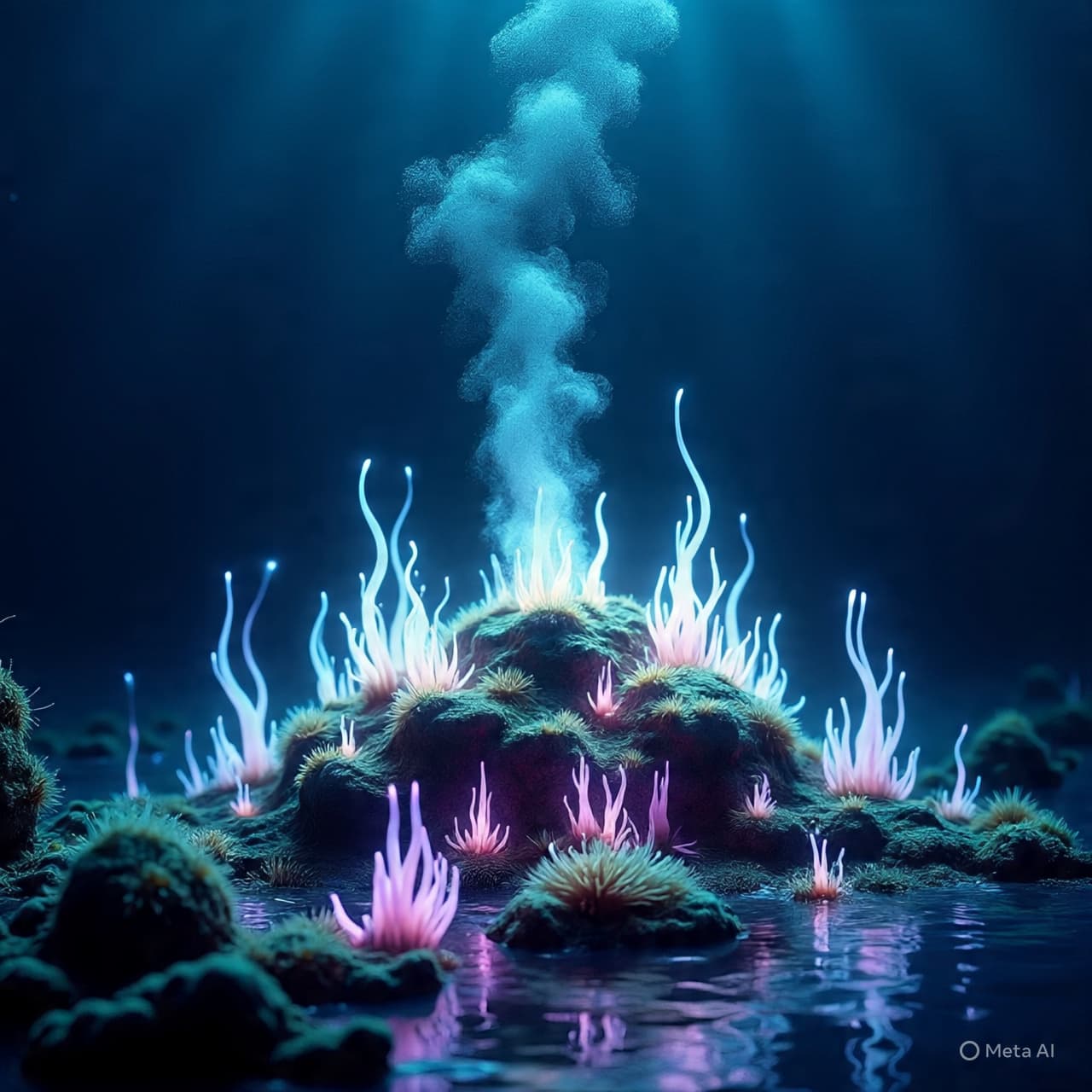
Deep-sea research has revealed a possible new branch of life, expanding our understanding of evolution and the hidden diversity of ocean ecosystems.

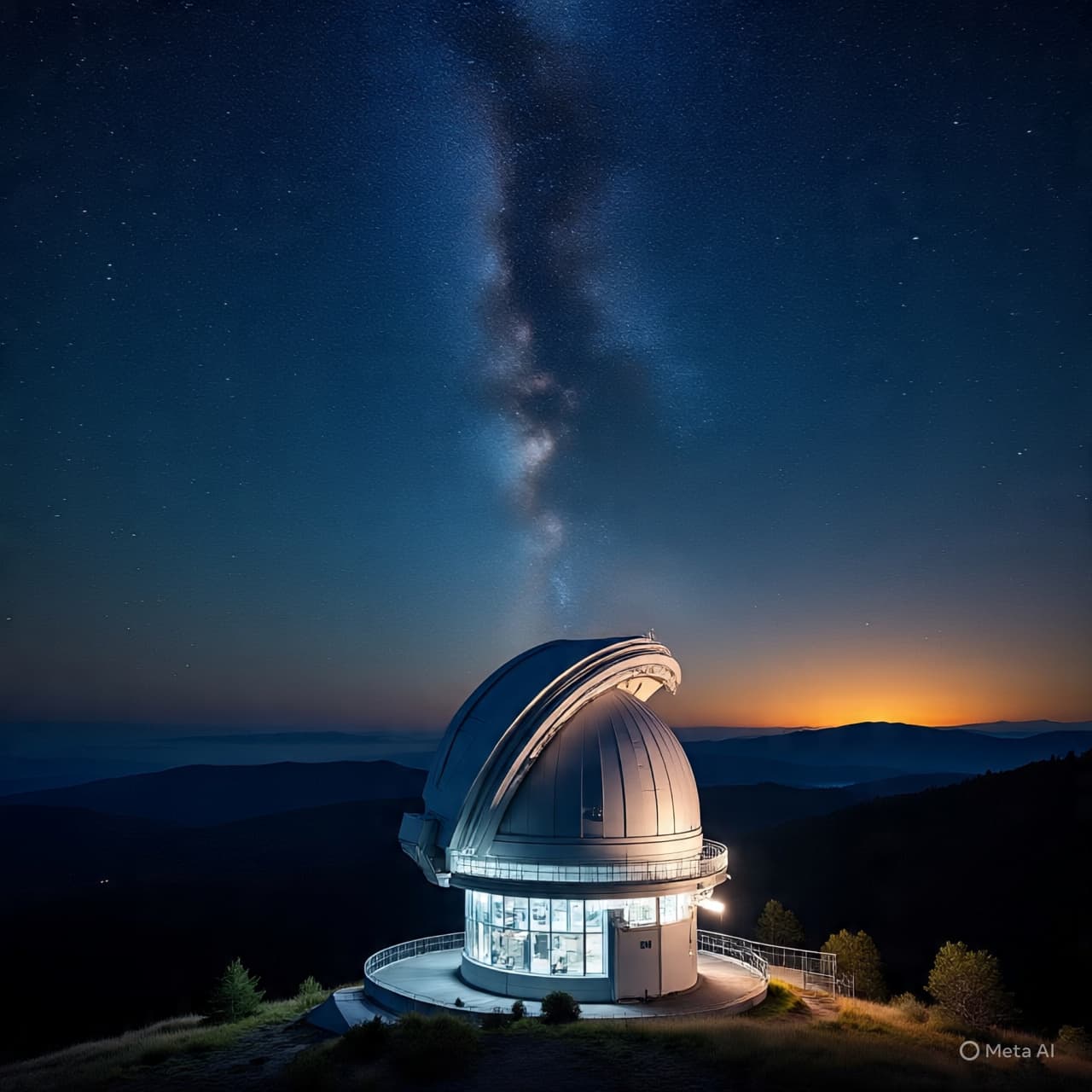
The Rubin Observatory has begun continuous sky monitoring, creating a time-lapse of the universe to study cosmic changes and transient events in real time.

UMass Amherst researchers develop new technology that could shrink quantum computers, making them more compact while maintaining performance and scalability.

Interstellar comet 3I/ATLAS may be nearly 12 billion years old, possibly originating from a long-vanished star system, offering rare insight into the early universe.

A global study finds animals act as landscape engineers, shaping Earth’s surface through behaviors that influence soil, water, and ecosystems over time.

Ancient carbon-rich stars reveal clues about early cosmic chemistry, showing how elements like carbon formed and spread in the early universe.

New research maps brain pathways linking stress to alcohol-seeking behavior, showing how neural circuits influence responses and reward-driven actions.

Fudan University advances VLEO satellite tech, enabling operations in lower orbit for higher-resolution Earth observation despite increased atmospheric drag.

Scientists found an alga that adapts photosynthesis to survive in low or no light, suggesting life may be more flexible than previously understood.

Scientists say a LIGO signal may hint at a primordial black hole, an ancient object from the early universe, though the finding remains unconfirmed.

NASA says a recent solar flare poses no risk to Artemis II, as mission planning and spacecraft design account for space weather conditions.

New theories suggest the Big Bang may have followed a prior universe, bounce, or quantum event, though the standard model remains strongly supported.

The CASMIUS concept proposes a future mission to Uranus to study its atmosphere, magnetic field, and moons, expanding knowledge of ice giants.

April’s night sky features the Pink Moon, the Lyrid meteor shower, bright Venus, and a visible comet, offering a month of gradual celestial events.

Artemis II astronauts will carry personal mementos, a plush zero-gravity indicator, and millions of names, blending human meaning with a historic lunar mission.

After sunset on March 30, follow the Big Dipper’s handle in an arc to find Arcturus, a bright reddish star visible to the naked eye.

Canada develops a new electricity and nuclear strategy to meet rising demand, balance sustainability, and strengthen long-term energy security.

Canada cancels its first moon rover mission due to shifting priorities, but retains valuable research and continues its role in global space exploration.

A newly discovered archaeological site in Peru reveals insights into an ancient civilization and reshapes understanding of early societies.

As humans, we must be intentional about whether, and how, we explore space.

Minuscule particles with the ability to cross hard-to-penetrate barriers can be loaded with drug treatments to target intractable diseases.