
Key Highlights
- Recent wolf attack near Hamburg reignites wildlife conversation.
- Wolves are returning to areas once dominated by humans.
- The incident raises questions about safety and land use.
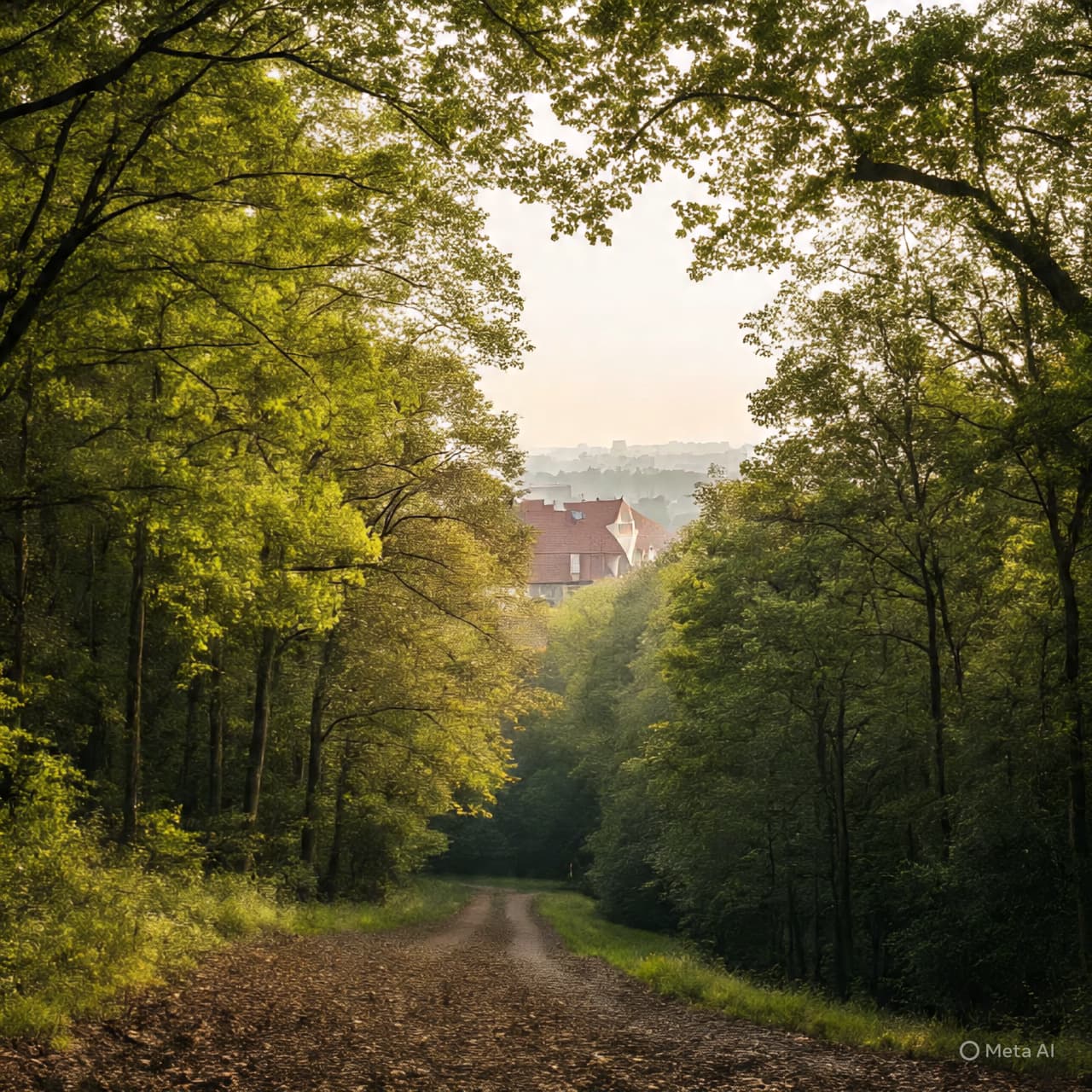
In the transitional spaces between urban development and natural landscapes, where concrete meets wilderness, a significant dialogue is unfolding in Germany. A recent wolf attack near Hamburg has not only captured public attention due to its rarity but also serves as a reminder of the ongoing return of wildlife to areas previously dominated by human activity. This incident has reignited discussions about the complexities of coexistence between humans and wildlife in a rapidly changing environment.
Historically, wolves were once a common sight across Germany, but their populations dwindled significantly throughout the 20th century due to hunting and habitat loss. However, in recent decades, conservation efforts have led to a gradual re-establishment of wolf populations, supported by European conservation laws. This resurgence is often viewed as a success story in ecological restoration, illustrating how ecosystems can recover when given the chance.
Yet, the return of wolves is not without its challenges. As these animals expand their territories, they increasingly come into contact with agricultural lands, rural communities, and urban fringes. While encounters between wolves and humans remain infrequent, they carry significant implications. The recent attack has prompted local authorities to take a cautious approach, monitoring wolf movements and advising residents on safety measures. This response reflects a delicate balance between ensuring public safety and adhering to the legal protections that safeguard these animals.
For many residents, the presence of wolves in their vicinity alters their perception of safety and boundaries. The idea of wildlife navigating through familiar spaces can evoke a range of emotions, from fear to fascination. While the actual risk of wolf encounters remains low, the psychological impact of knowing that these animals are reclaiming their former habitats cannot be understated. It raises important questions about how communities can adapt to this new reality and what measures can be taken to foster coexistence.
Conservationists emphasize that the return of wolves is indicative of broader ecological health. It signifies a rebalancing of ecosystems that have been disrupted for generations. The presence of apex predators like wolves plays a crucial role in maintaining biodiversity, influencing the populations of other species and the overall health of the environment. This perspective highlights the importance of long-term environmental policies that prioritize the restoration of natural habitats and the protection of diverse species.
As the narrative unfolds, it becomes clear that the story of wolves in Germany is not simply about their return but also about the evolving relationship between humans and nature. The coexistence of these two worlds—one rooted in caution and the other in restoration—reflects the complexities of modern environmental challenges. The question remains not whether wolves belong in these landscapes, but how communities can learn to share their spaces with wildlife once more.
In the quiet spaces between urban life and the wilderness, the dialogue continues, reminding us that the boundaries we perceive are often more fluid than they appear. As Germany navigates this intricate relationship with its wildlife, the lessons learned may resonate far beyond its borders, offering insights into the universal challenge of living harmoniously with nature.
Published by Banx Network. This article is part of the Banx decentralized media programme, powered by the BXE token on the XRP Ledger.



