The universe reveals its history slowly, offering clues through light that has traveled for billions of years before reaching human instruments. Every new observation reminds us that exploration is not limited by distance but by our willingness to keep asking questions.
The European Space Agency has released new observations from its Euclid mission, providing astronomers with additional data to study the large-scale structure of the universe. The mission is designed to improve understanding of dark matter, dark energy, and the evolution of cosmic structures over time.
Scientists explained that Euclid captures detailed images and measurements of distant galaxies across enormous regions of space. By mapping the distribution of billions of galaxies, researchers hope to identify patterns that reveal how the universe has expanded since its earliest stages.
The newly released observations demonstrate the spacecraft's ability to collect exceptionally sharp images while surveying vast areas of the sky. Researchers expect the growing dataset to support scientific investigations for many years as additional observations become available.
Dark matter and dark energy remain among the greatest mysteries in modern astrophysics. Although they cannot be observed directly, their influence can be measured through the motion of galaxies and the expansion of the universe, making missions like Euclid especially valuable.
Astronomers from institutions across Europe and around the world are collaborating to analyze the mission's findings. The international nature of the project reflects the shared scientific goal of improving humanity's understanding of the cosmos.
Beyond answering existing questions, Euclid may also uncover unexpected discoveries. Large astronomical surveys often reveal previously unknown galaxies, unusual cosmic structures, and phenomena that inspire entirely new lines of scientific research.
As additional observations continue, the Euclid mission promises to become one of the most comprehensive studies of the universe ever undertaken. Each new image offers another opportunity to better understand the vast cosmic landscape that surrounds our own galaxy.
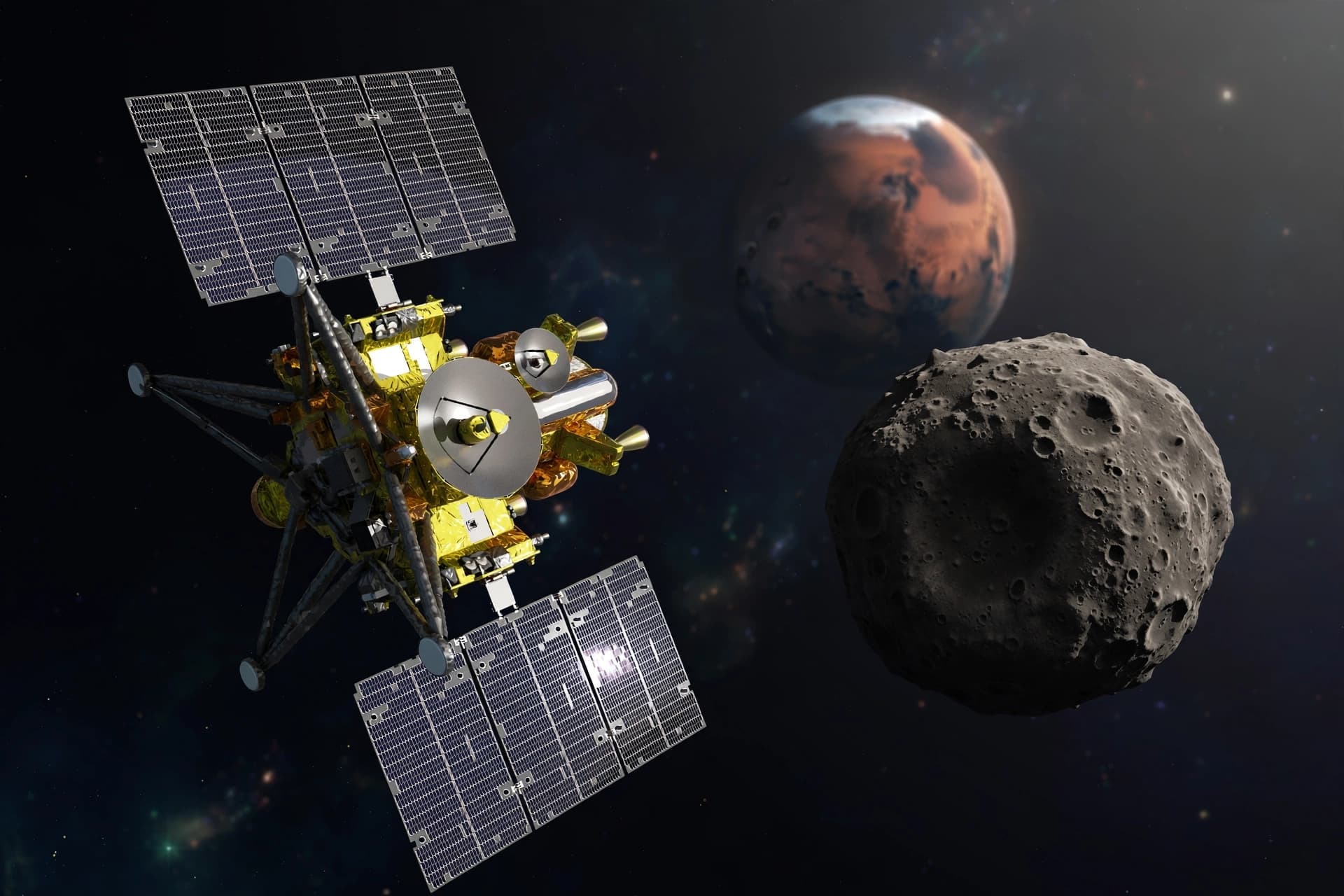
AI Image Disclaimer: This space illustration was created with artificial intelligence for visualization purposes and is not an actual image released by the mission.
Source Verification Check: European Space Agency (ESA), Reuters, Space.com, Nature
Published by Banx Network. This article is part of the Banx decentralized media programme, powered by the BXE token on the XRP Ledger.