SCIENCE84% credibility
When Space Data Quietly Watches Over a Global Game
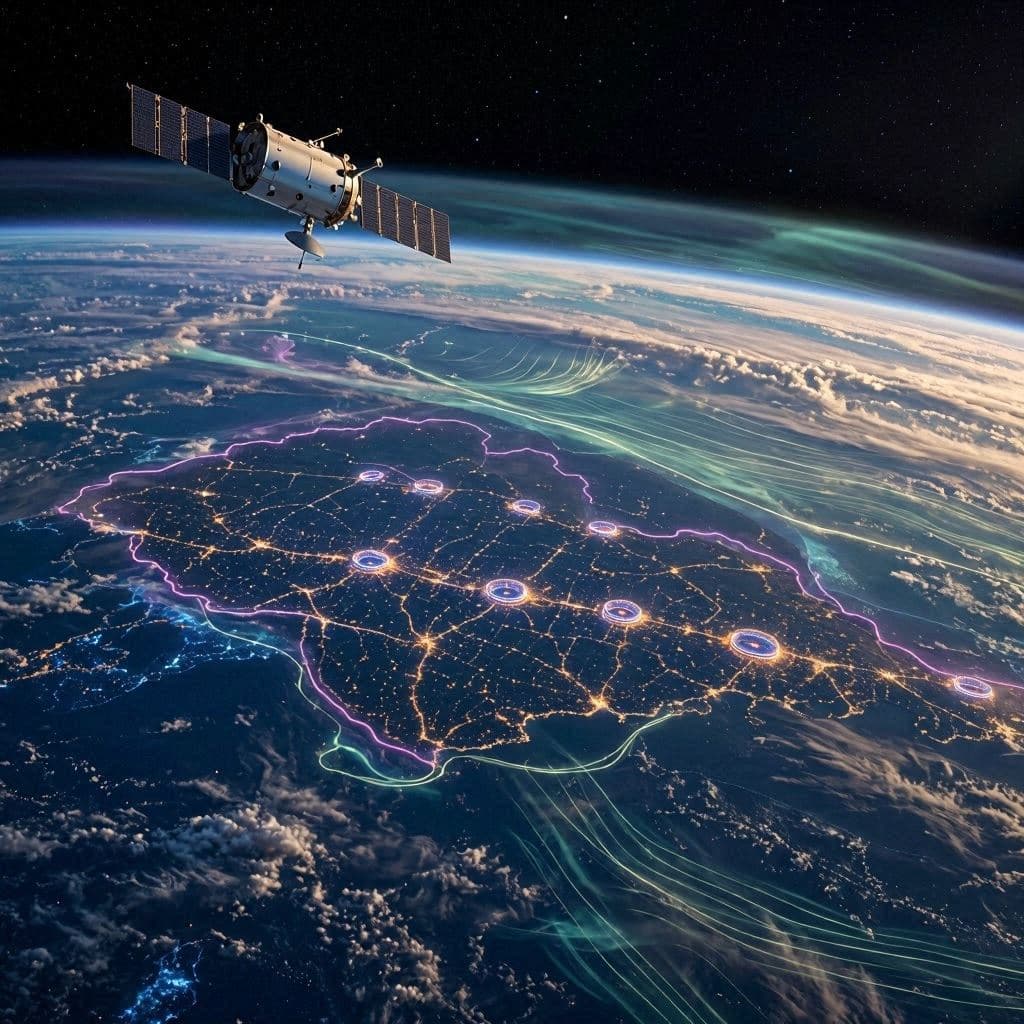
NASA satellite data helps monitor air quality and environmental conditions during major global events like the World Cup.
1 min read

NASA satellite data helps monitor air quality and environmental conditions during major global events like the World Cup.
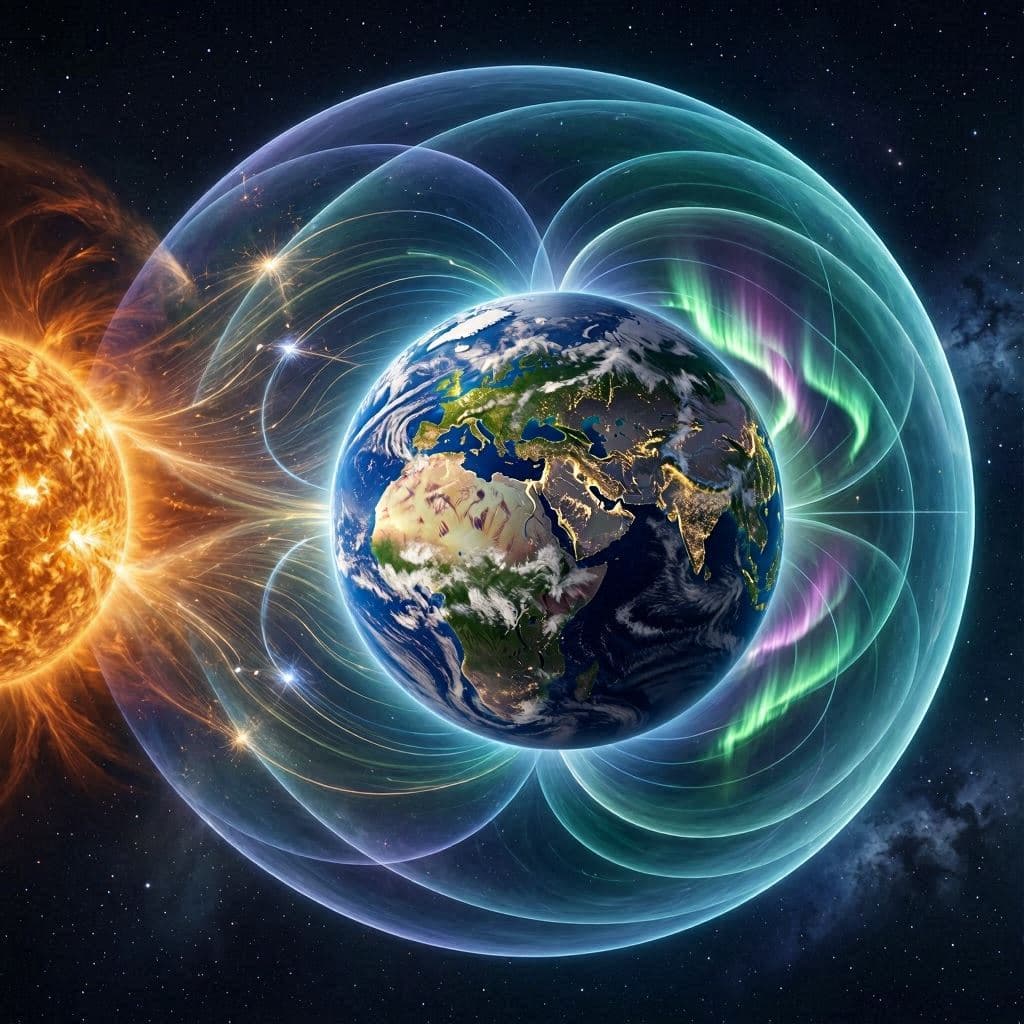
Scientists explore theoretical space-based shielding concepts to reduce impacts of solar storms on Earth’s technology systems.

A major Artemis 3 structural component arrives at Kennedy Space Center, marking progress toward future Moon missions.
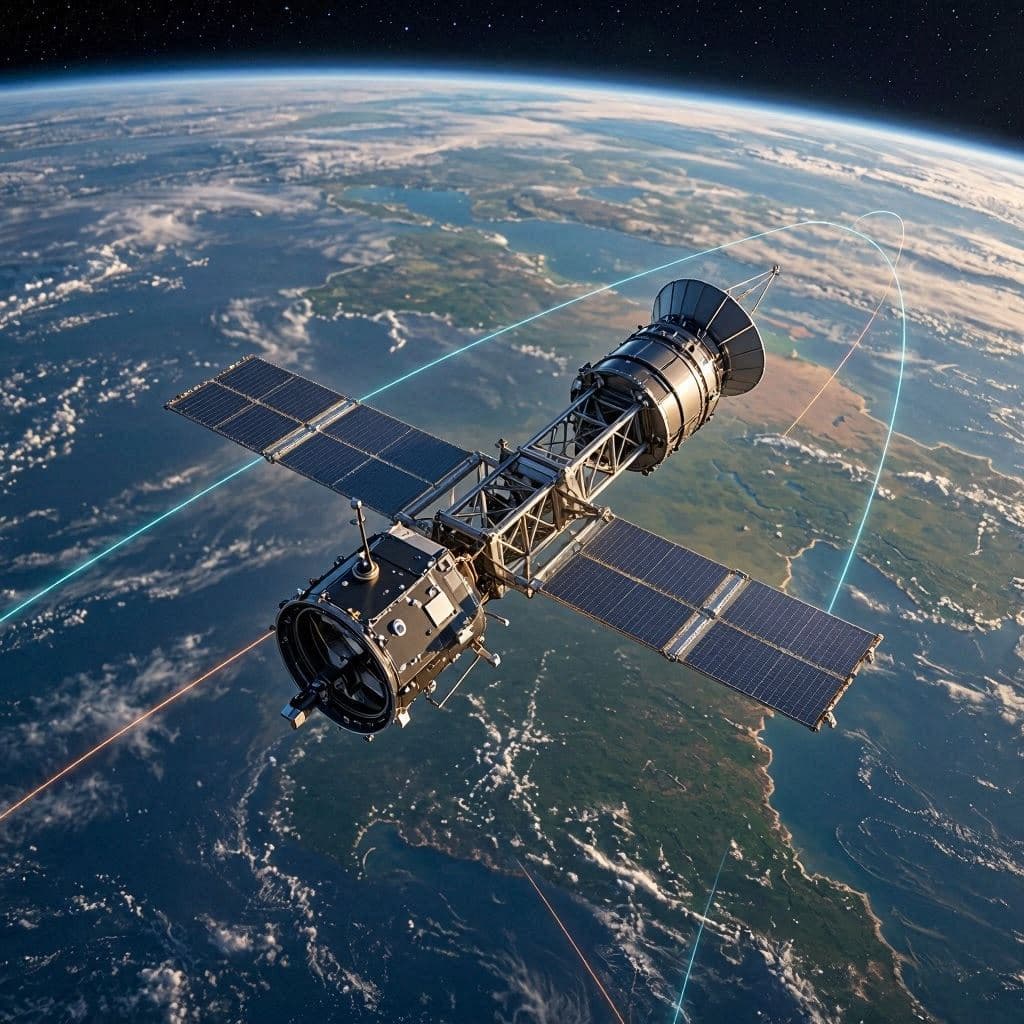
NASA performs orbital intervention to extend the life of the Swift Observatory and preserve ongoing space research.

A strong geomagnetic storm may allow aurora visibility across multiple U.S. states due to increased solar activity.
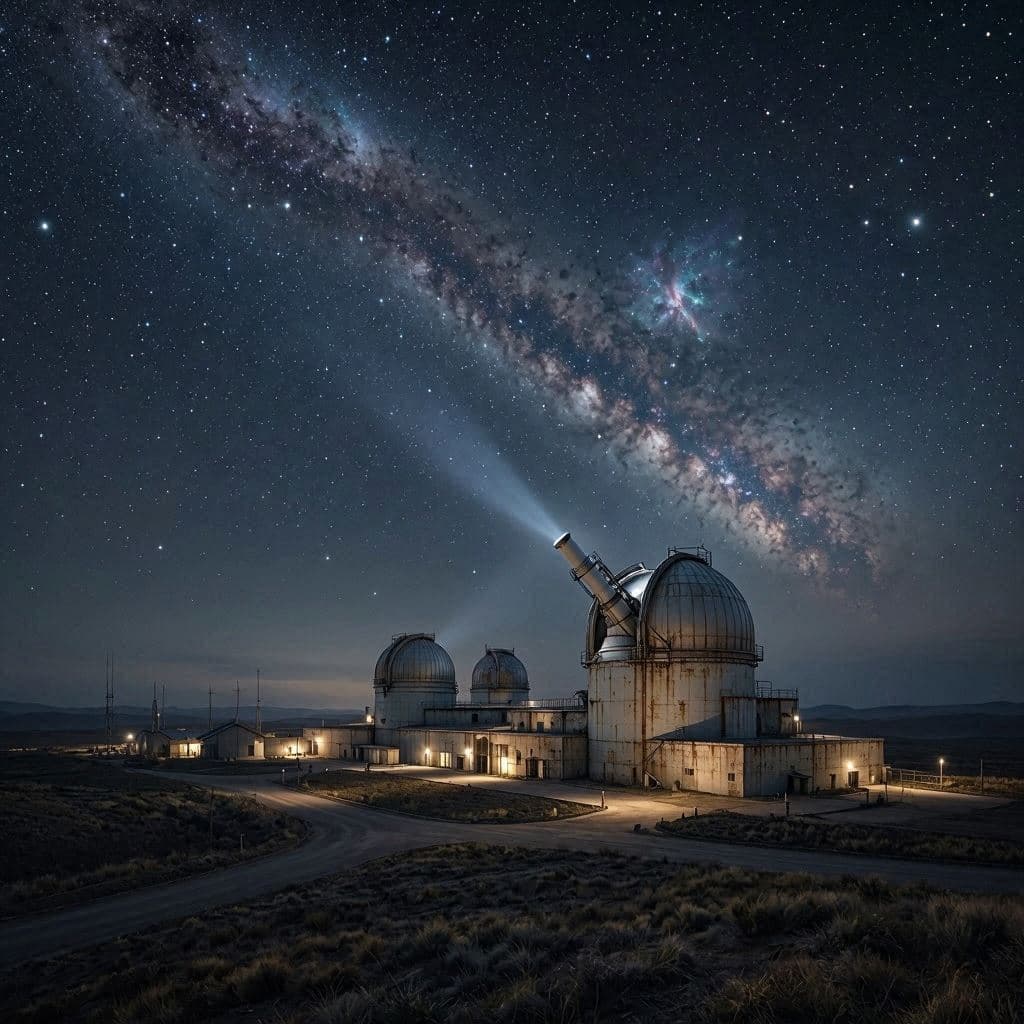
The Vera C. Rubin Observatory will conduct a 10-year sky survey, creating a continuous “movie” of the universe for scientific discovery.
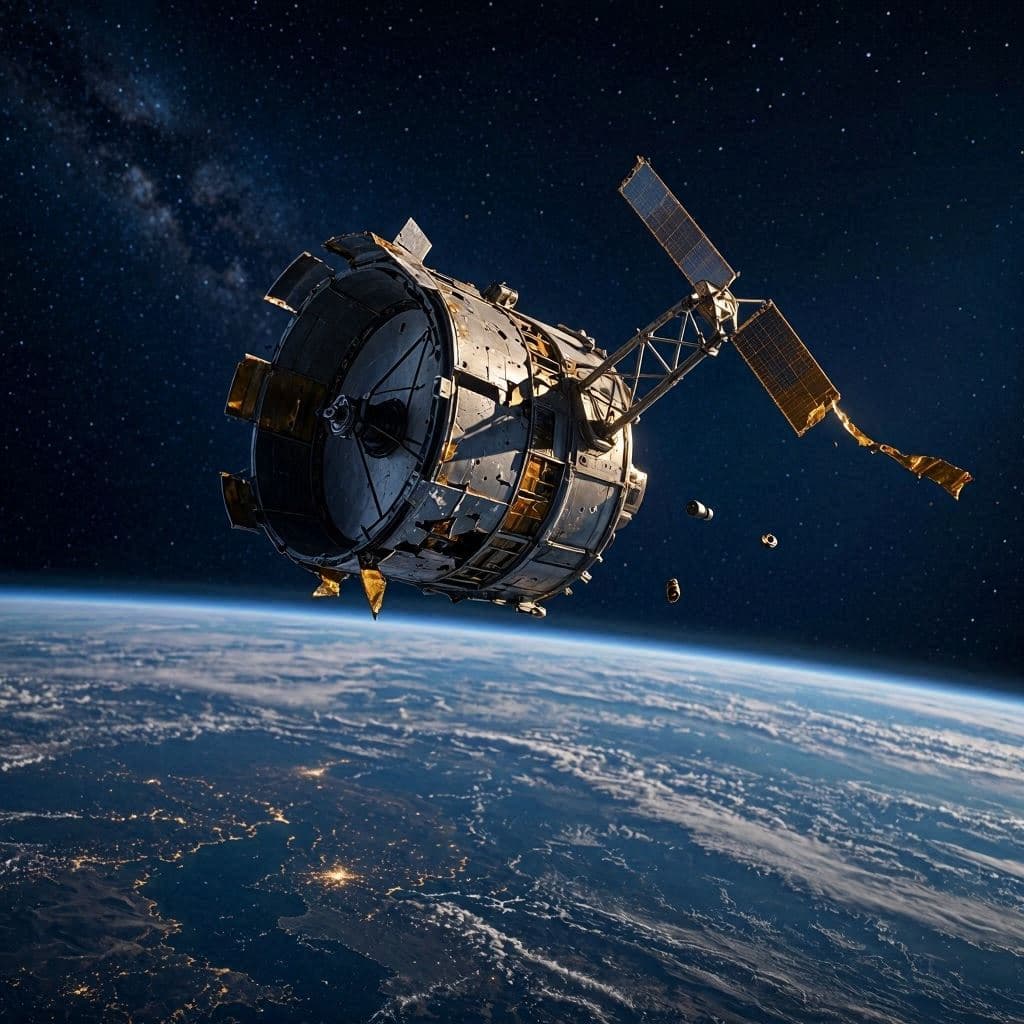
Reports indicate monitoring of a NASA-related telescope experiencing orbital decay, prompting discussions on possible mitigation or deorbit planning.
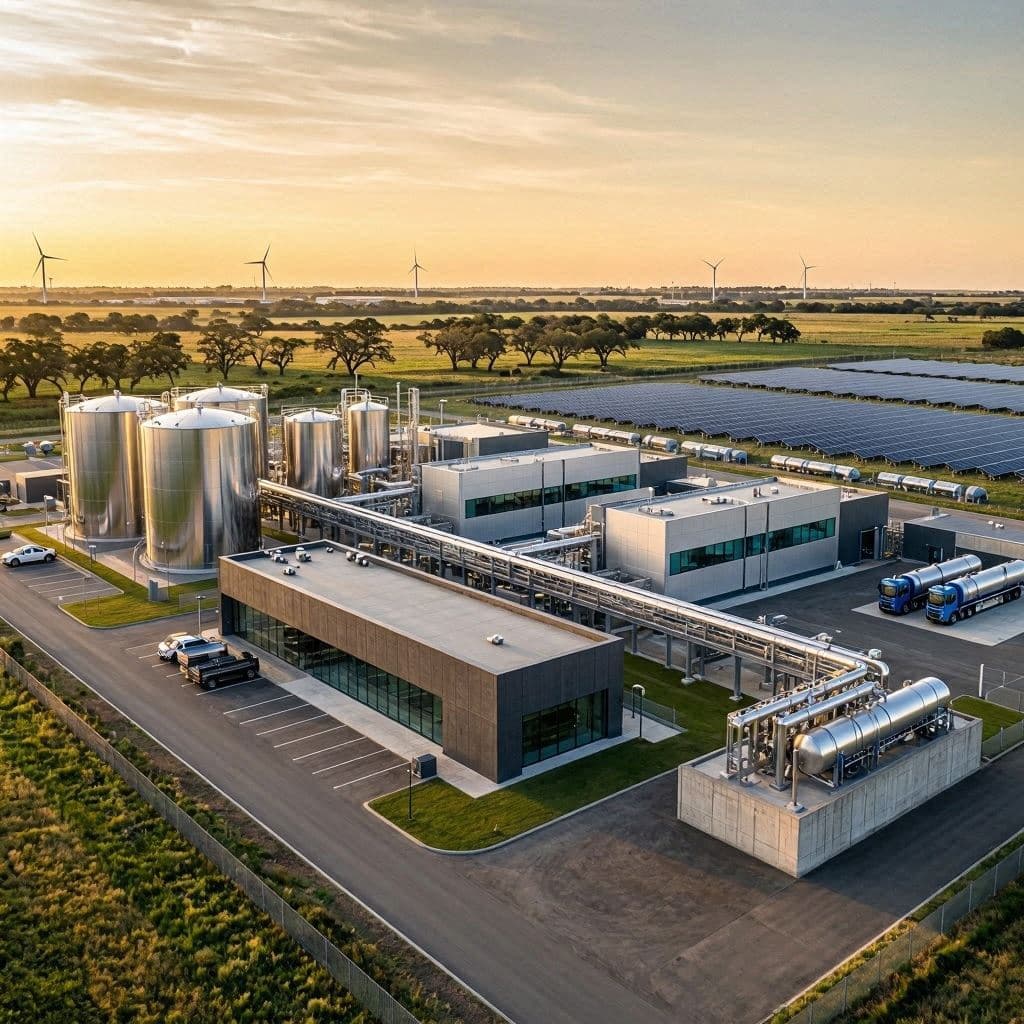
Canada expands hydrogen energy infrastructure as part of its clean energy transition strategy.
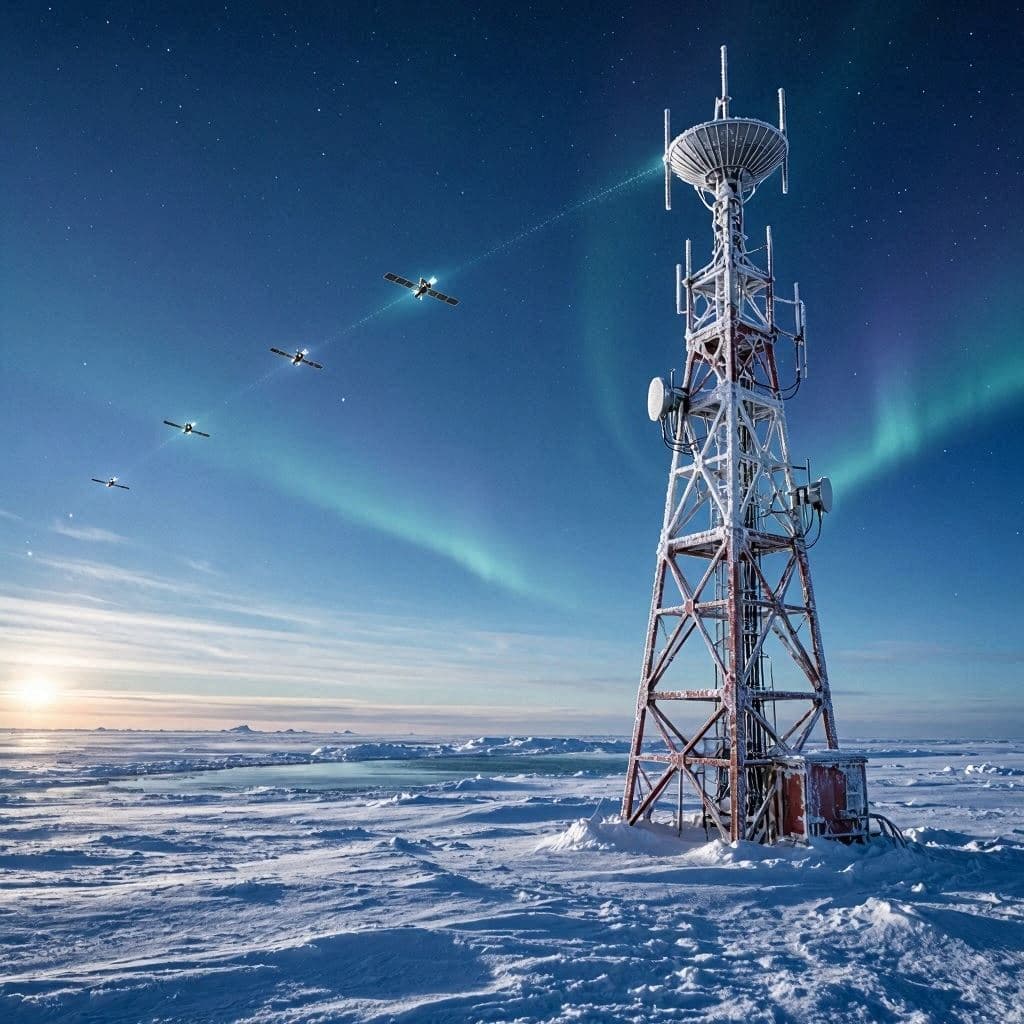
Canada develops advanced satellite communication system to improve Arctic and remote connectivity.
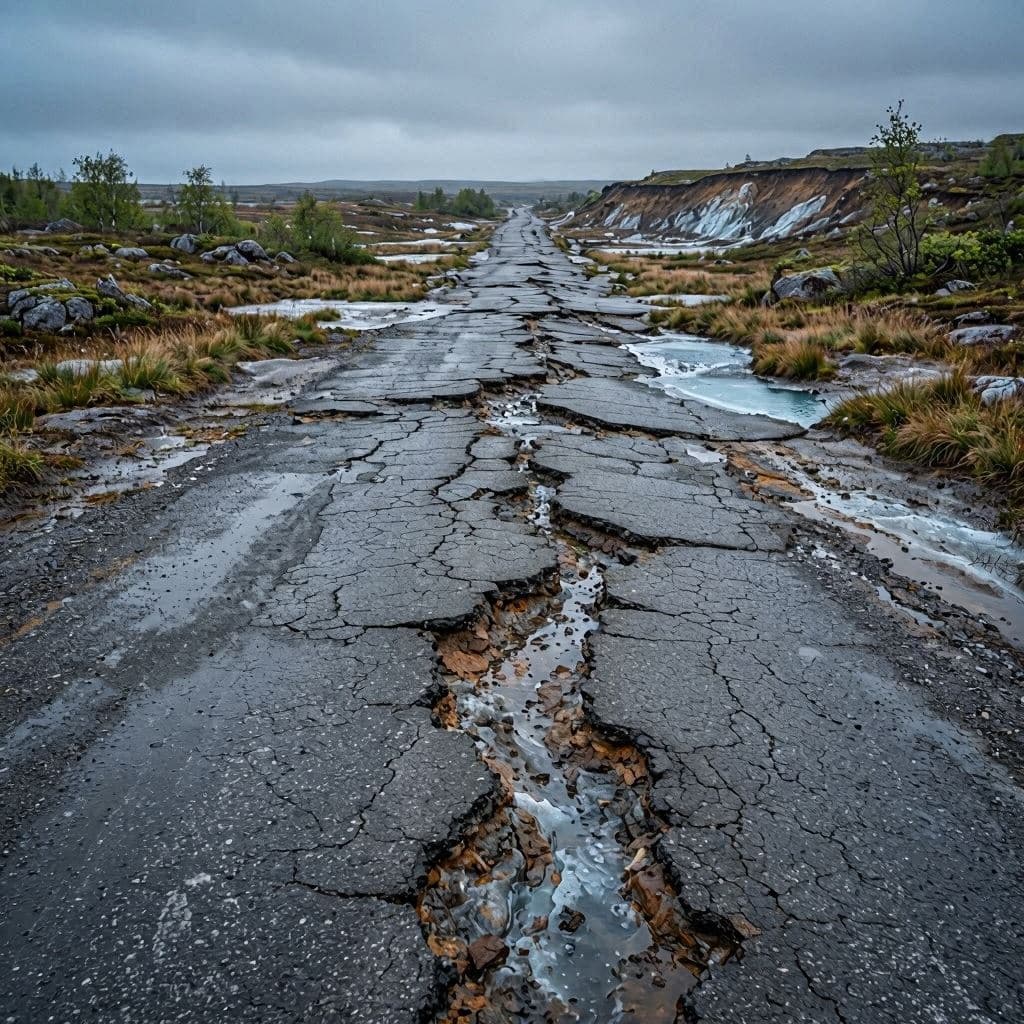
Canada studies permafrost thaw and its impact on northern infrastructure and climate systems.

France studies climate-driven changes in Mediterranean marine biodiversity and shifting ecosystem patterns.
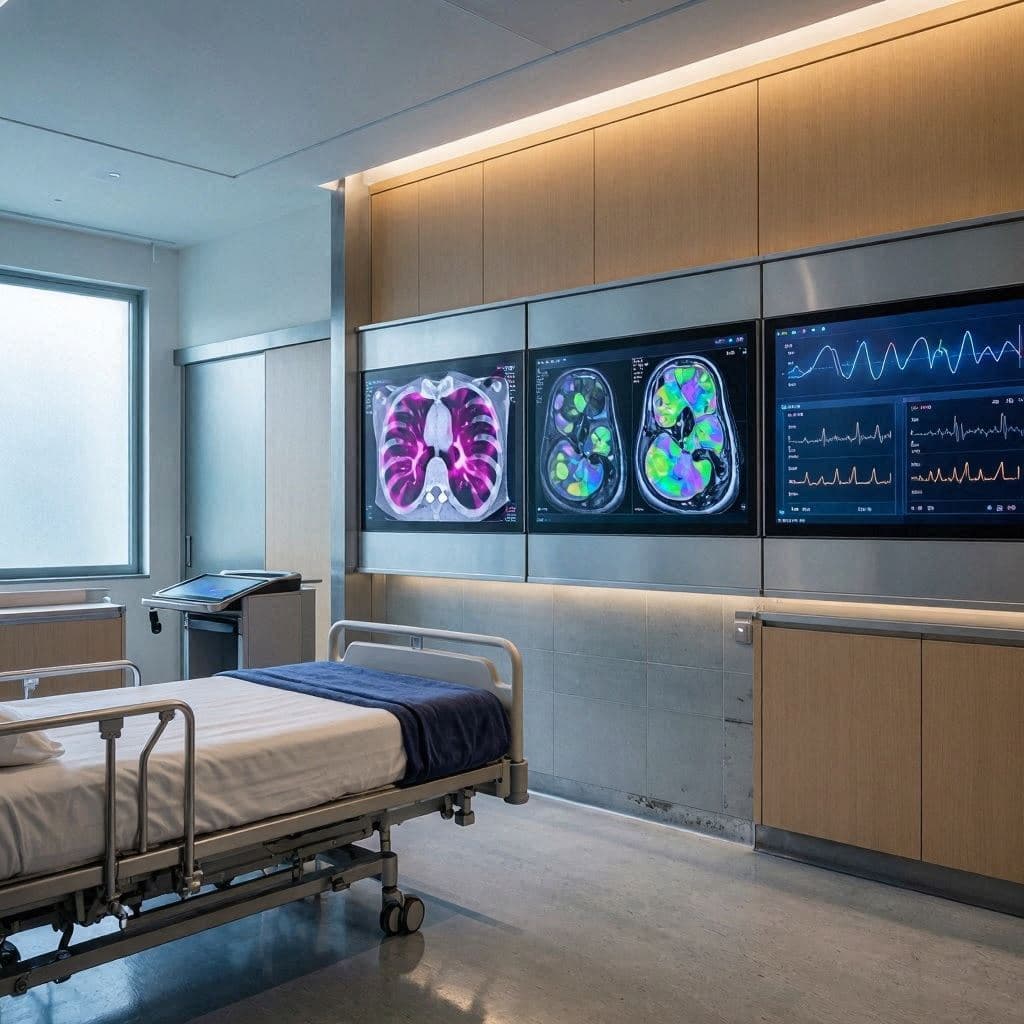
France introduces AI-powered diagnostic systems in hospitals to improve early disease detection and clinical efficiency.
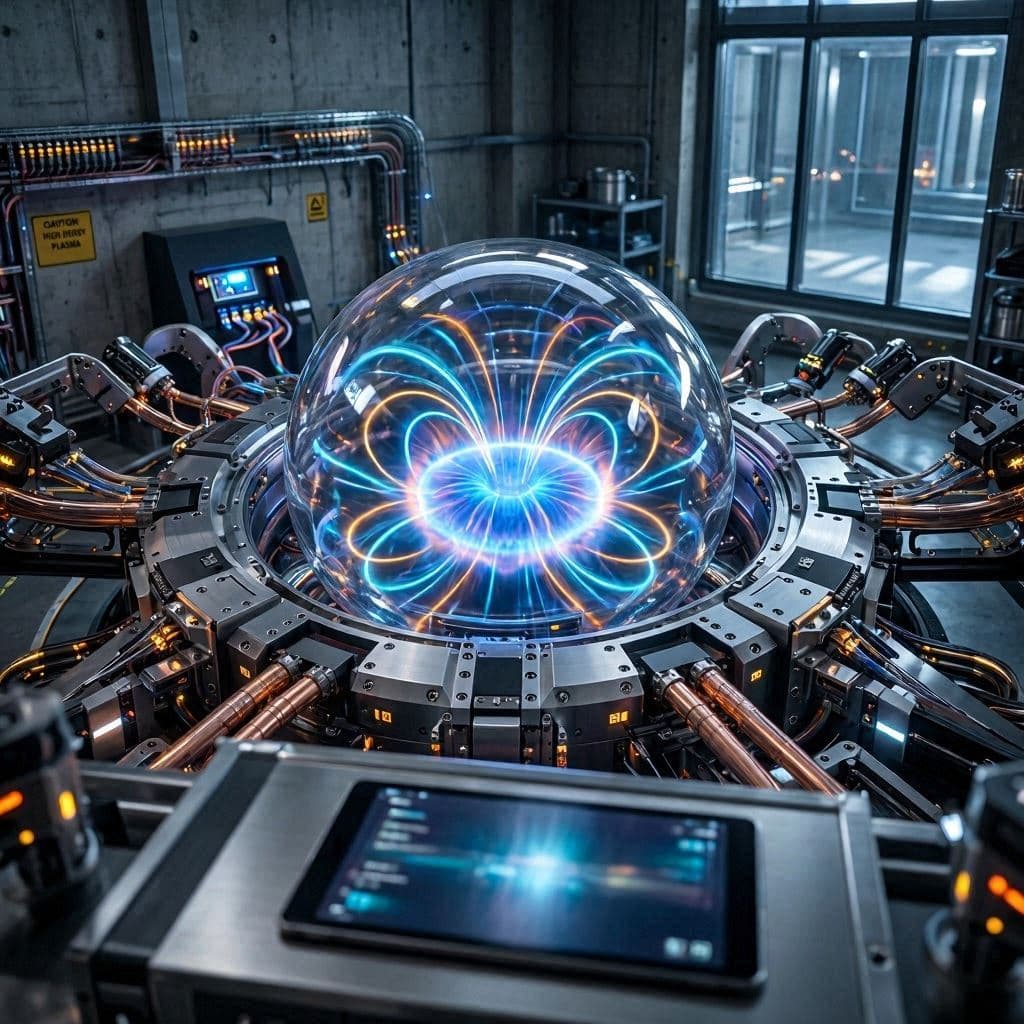
France develops advanced nuclear fusion prototypes aiming to achieve clean, sustainable energy from controlled plasma reactions.

Canada expands national strategy focusing on AI and quantum research, aiming to strengthen future digital innovation.

France and Canada expand cooperation in quantum science research, focusing on computing and communication technologies.
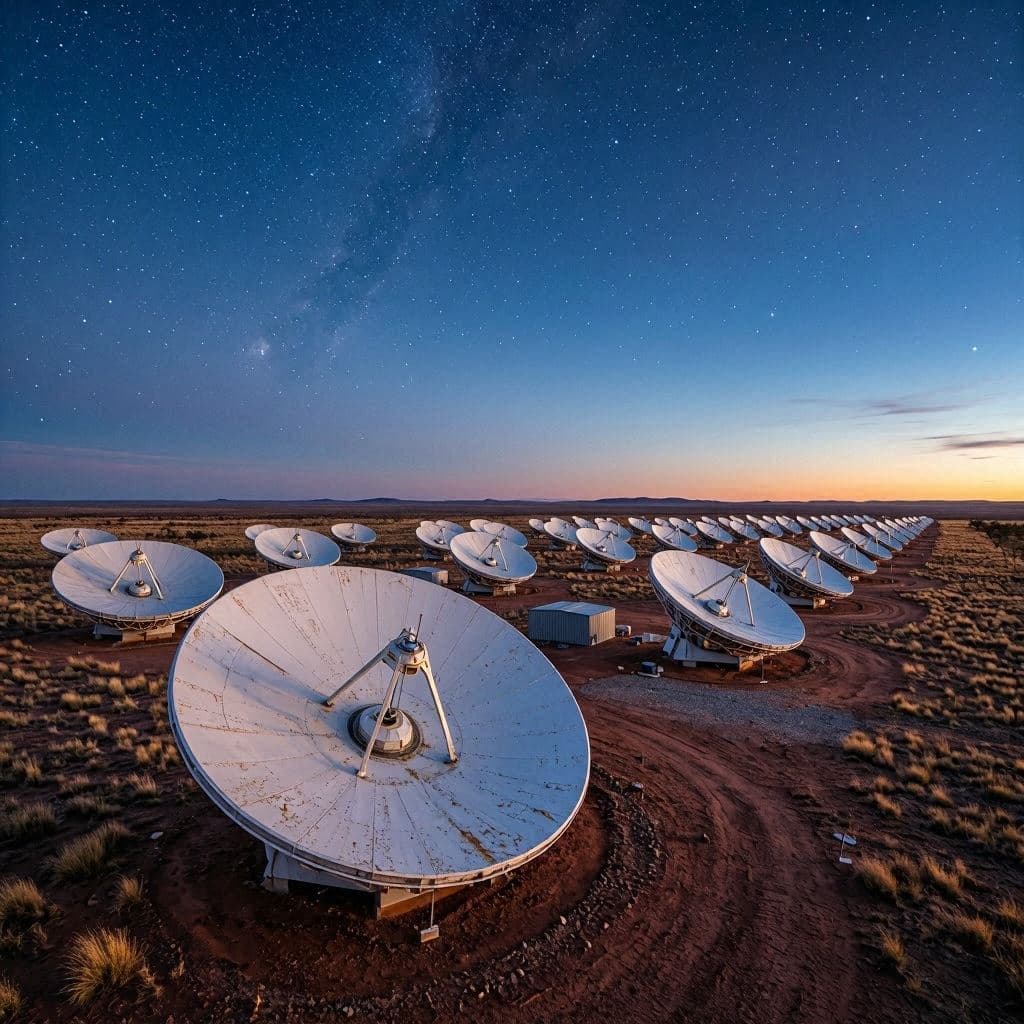
Australia supports global NASA missions through ground stations and space communication infrastructure.
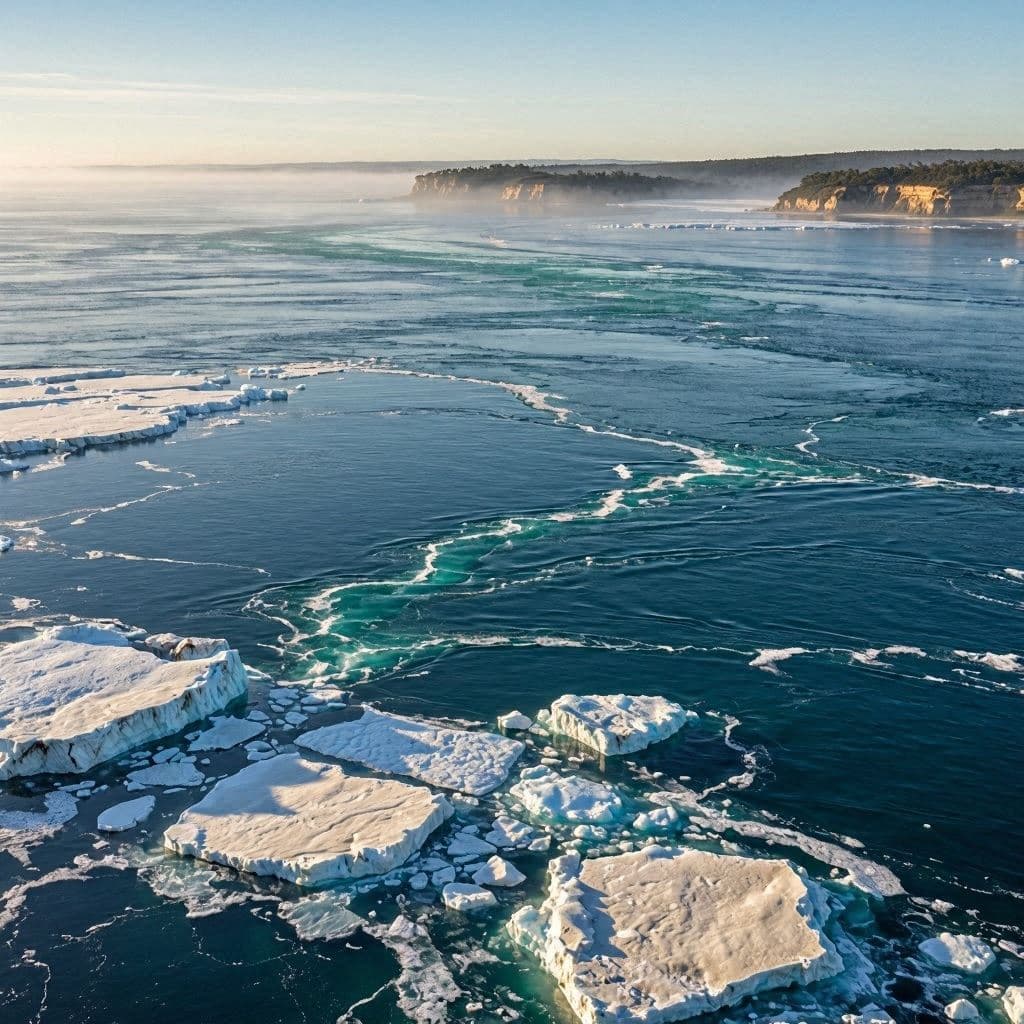
Australia observes possible shifts in marine species distribution, prompting continued scientific investigation.
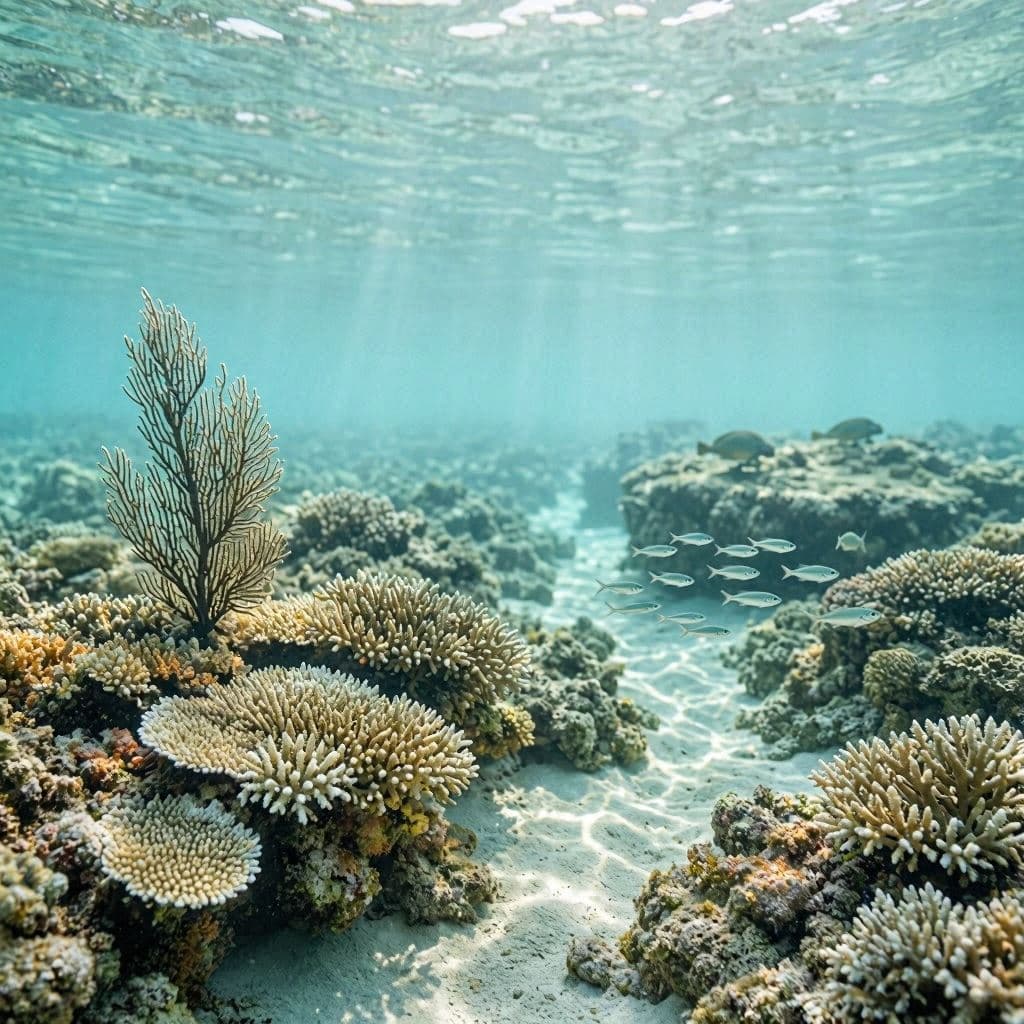
Antarctic environmental changes may influence Australia’s long-term climate and sea level conditions.

South Korea has introduced new measures to strengthen its semiconductor industry through investment, research support, and infrastructure, aiming to enhance competitiveness and supply chain resilience.

Astronomers have discovered a potentially habitable rocky planet just 25 light-years away, sparking excitement for future atmospheric studies and the search for biosignatures
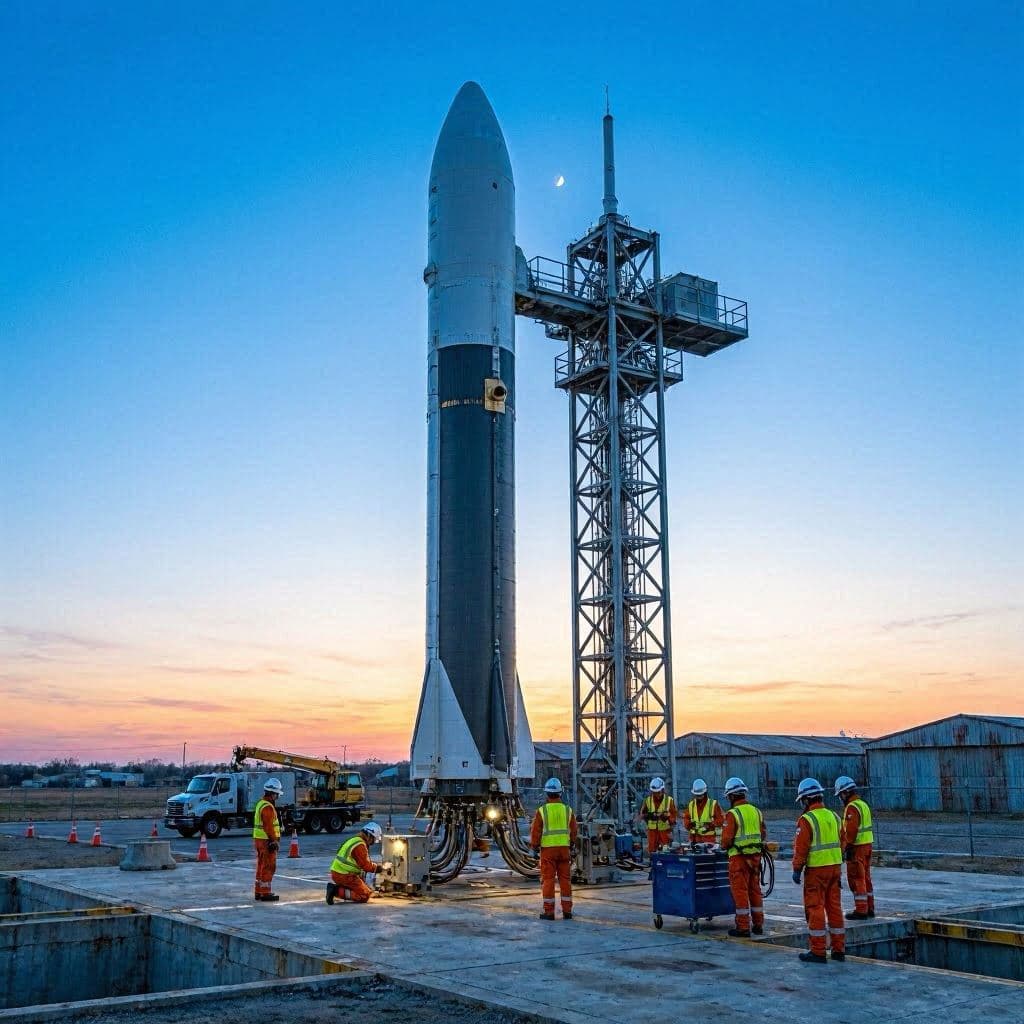
NASA delayed a satellite rescue mission due to a last-minute technical issue, prioritizing safety and mission success over the original launch schedule.

A planet discovered orbiting a white dwarf suggests that worlds can survive stellar death, offering insights into the potential future of our own solar system after the sun expires.
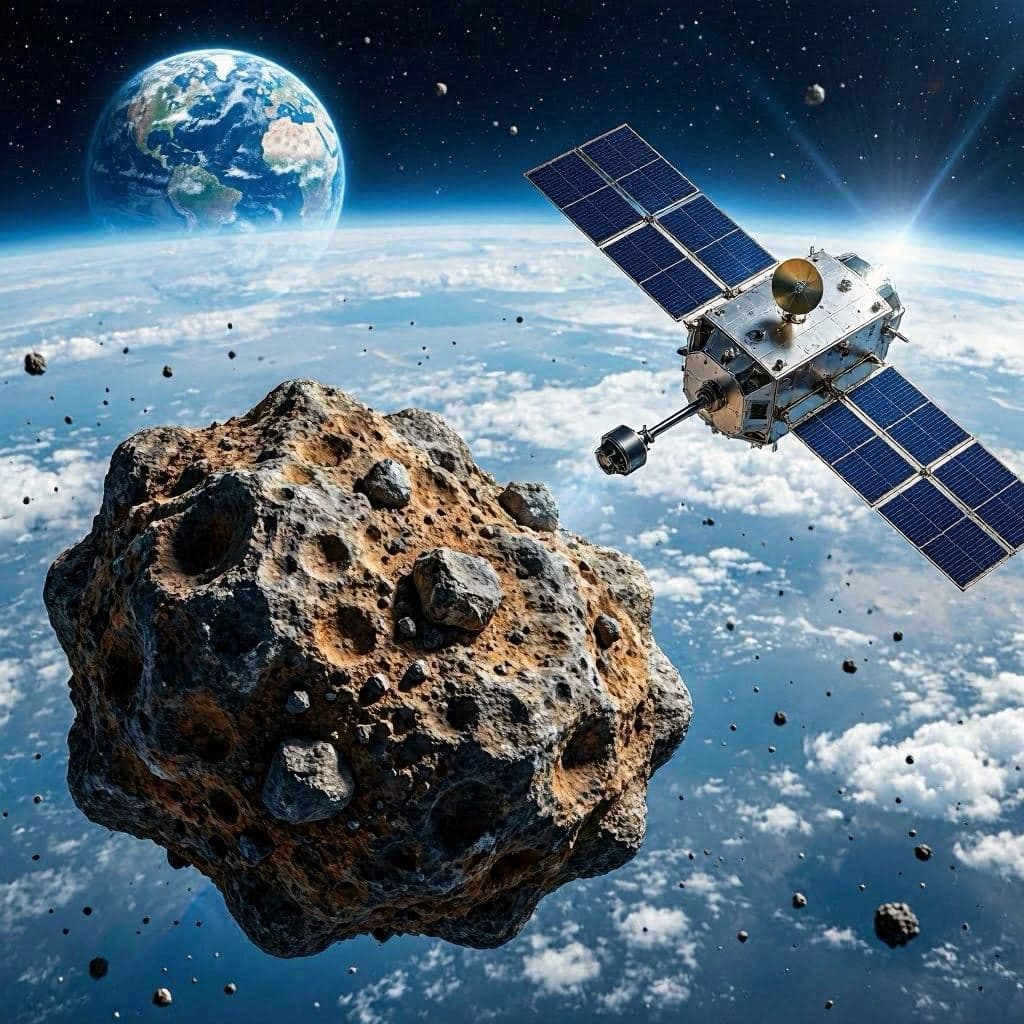
China’s Tianwen-2 spacecraft is set to sample Kamoʻoalewa, a quasi-moon that may be a fragment of the moon ejected by an ancient impact, offering new insights into lunar history.
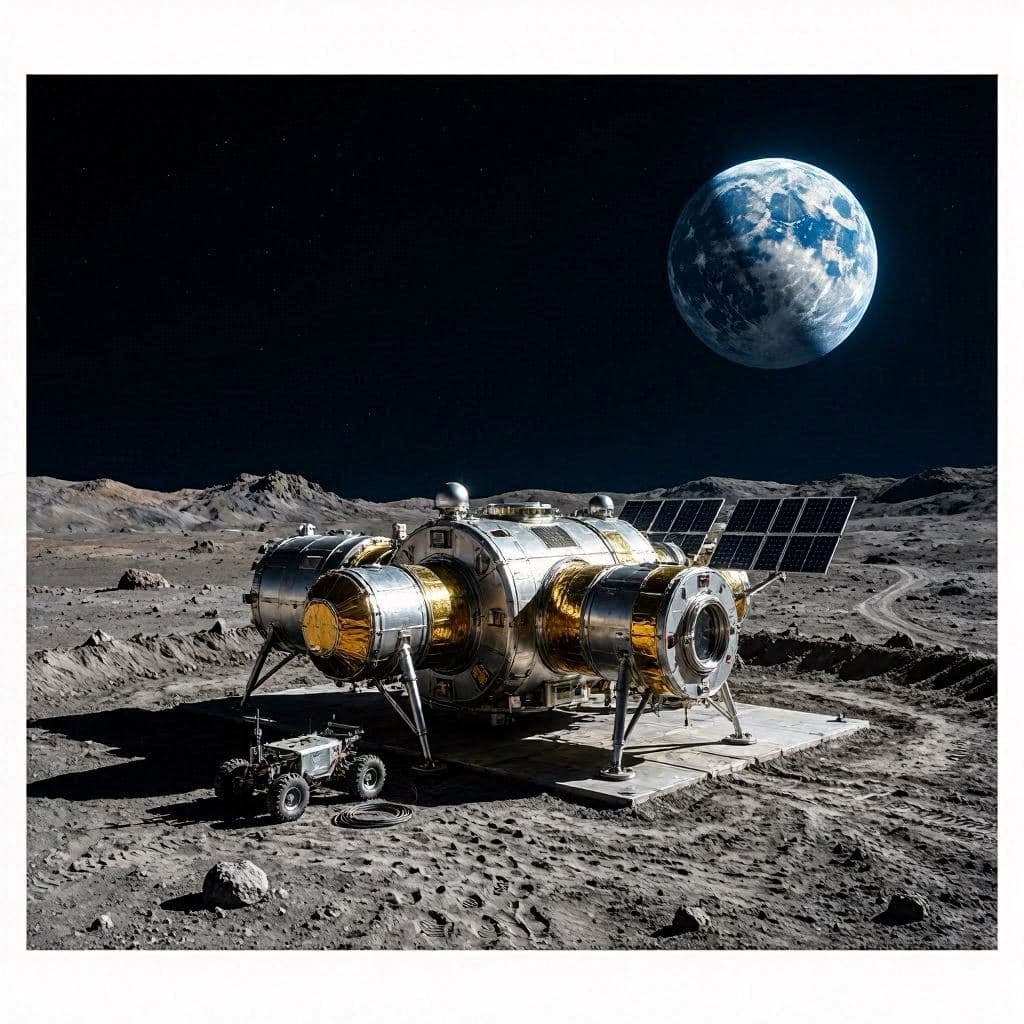
NASA awards nearly 600 million in contracts to develop lunar habitats and infrastructure, accelerating plans for a permanent base on the moon under the Artemis program.