Across the Earth’s atmosphere, where winds circulate in vast and unseen patterns, the beginning of 2026 has been marked by conditions that scientists describe as increasingly extreme. The World Meteorological Organization has highlighted a series of weather anomalies that reflect the growing variability of global climate systems.
Body: The World Meteorological Organization (WMO) serves as a key international body responsible for monitoring and coordinating global weather and climate observations. Its early assessments of 2026 indicate a continuation of intense and diverse weather events across multiple regions.
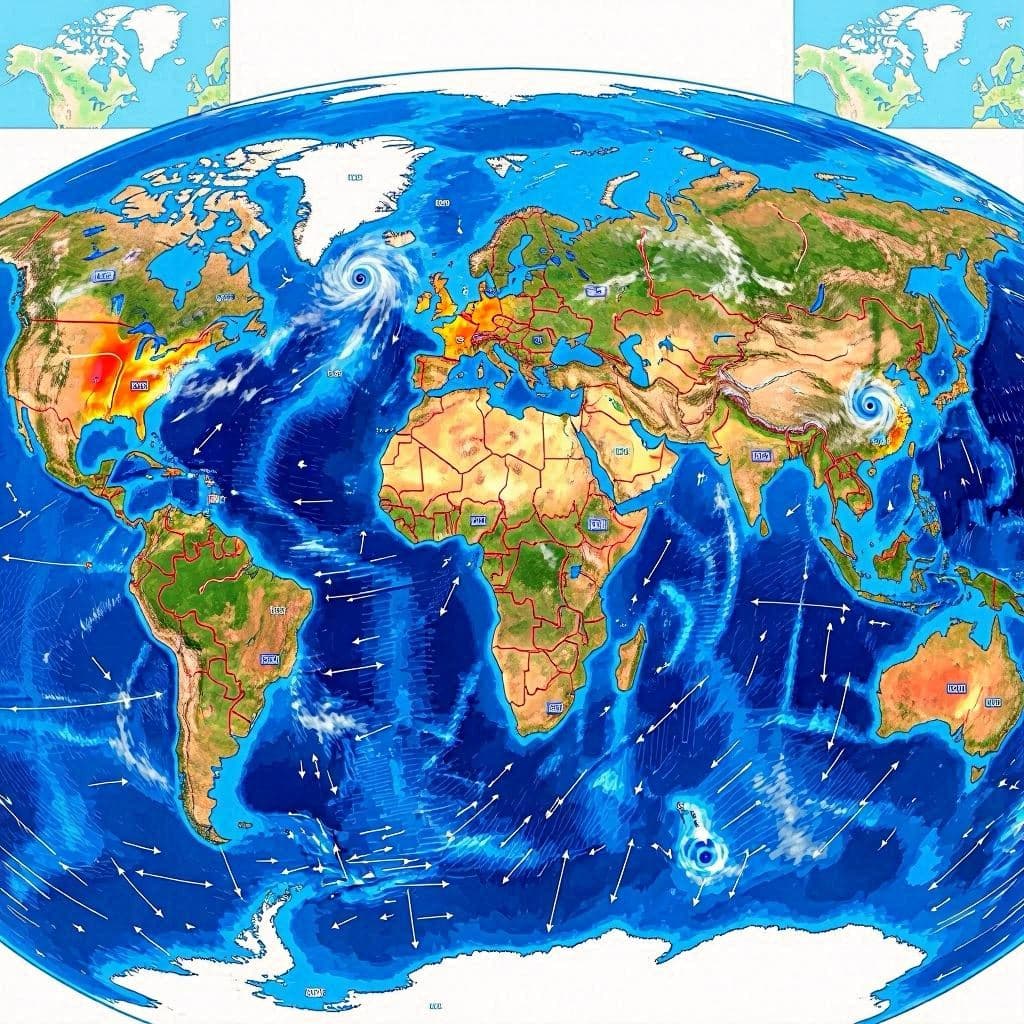
These events include episodes of extreme heat, unusually cold outbreaks in certain areas, heavy precipitation leading to flooding, and wildfire conditions in regions experiencing prolonged dryness. While such events are not new, their frequency and intensity are drawing increased scientific attention.
Meteorologists emphasize that weather systems are influenced by a combination of natural variability and long-term climate trends. Factors such as ocean temperature anomalies, atmospheric circulation shifts, and greenhouse gas concentrations all interact in complex ways.
The early months of 2026 have also been observed in the context of ongoing climate phenomena such as El Niño, which can amplify or redistribute weather patterns globally. This interaction often results in uneven impacts across different continents.
Scientists caution that while individual weather events cannot always be directly attributed to climate change, the broader trend shows a pattern of increasing extremes over time. This includes longer heatwaves, more intense storms, and shifts in seasonal rainfall.
International agencies continue to stress the importance of preparedness and adaptation. Infrastructure resilience, early warning systems, and coordinated disaster response remain central strategies in reducing the human and economic impacts of such events.
Closing: As monitoring continues throughout the year, the WMO and related institutions will refine their assessments of global climate behavior. The early signals from 2026 serve as another reminder of the dynamic and evolving nature of Earth’s atmosphere.
AI Image Disclaimer: This article contains AI-generated illustrations intended for editorial visualization purposes only.
Sources (source verification check): World Meteorological Organization (WMO), NOAA, BBC Weather, Reuters
Published by Banx Network. This article is part of the Banx decentralized media programme, powered by the BXE token on the XRP Ledger.