The search for distant worlds is often driven by a simple question that has inspired generations of scientists: what lies beyond our own solar system? Every improvement in telescope technology brings humanity closer to understanding the remarkable diversity of planets orbiting other stars. While each discovery raises new questions, it also expands our perspective on how planetary systems evolve throughout the galaxy. Recent observations suggesting the presence of water vapor around a nearby exoplanet add another meaningful chapter to this continuing exploration.
Astronomers have reported that a space telescope has detected promising signs of water vapor in the atmosphere of a nearby exoplanet. The findings were made using highly sensitive spectroscopic observations that analyze how starlight changes as it passes through a planet's atmosphere during transit. Researchers emphasize that the observations represent evidence of atmospheric water vapor rather than proof of liquid water or habitable conditions on the planet's surface.
The detected spectral signatures were identified by measuring specific wavelengths of infrared light absorbed by molecules within the exoplanet's atmosphere. Water vapor produces distinctive absorption patterns that can be recognized through detailed analysis of the collected data. Scientists caution that additional observations using multiple instruments will be required to confirm the measurements and refine estimates of the atmosphere's composition.
Water vapor is considered one of the most important molecules studied in planetary science because it provides valuable information about atmospheric chemistry, planetary formation, and climate processes. However, researchers stress that the presence of water vapor alone does not indicate the existence of oceans, biological activity, or environments capable of supporting life. Many planets with water-rich atmospheres experience temperatures and pressures that are unsuitable for life as currently understood.
The observations were made possible through advances in space-based telescope technology capable of detecting extremely subtle changes in light originating from distant stars. Modern instruments allow astronomers to study exoplanet atmospheres with unprecedented precision, revealing the presence of molecules such as water vapor, carbon dioxide, methane, and other gases that help scientists characterize distant worlds.
Astronomers note that thousands of exoplanets have now been confirmed, representing an extraordinary diversity of planetary environments. Some are rocky worlds similar in size to Earth, while others are massive gas giants or planets unlike anything found within our own solar system. Each atmospheric observation helps improve scientific models describing how planets form, evolve, and interact with their host stars.
Future missions and next-generation observatories are expected to provide even more detailed atmospheric measurements. International teams will continue comparing observations from multiple telescopes to verify current findings and investigate additional nearby exoplanets. Continued collaboration between space agencies and research institutions remains essential for expanding knowledge of planetary systems beyond the Sun.
The latest detection of water vapor demonstrates how astronomy continues advancing through careful observation and rigorous scientific analysis. While the discovery does not answer the broader question of whether life exists elsewhere in the universe, it provides another valuable piece of evidence in humanity's ongoing effort to understand the countless worlds that populate our galaxy. Each new observation reminds us that exploration often begins with light traveling across unimaginable distances before finally reaching our instruments here on Earth.
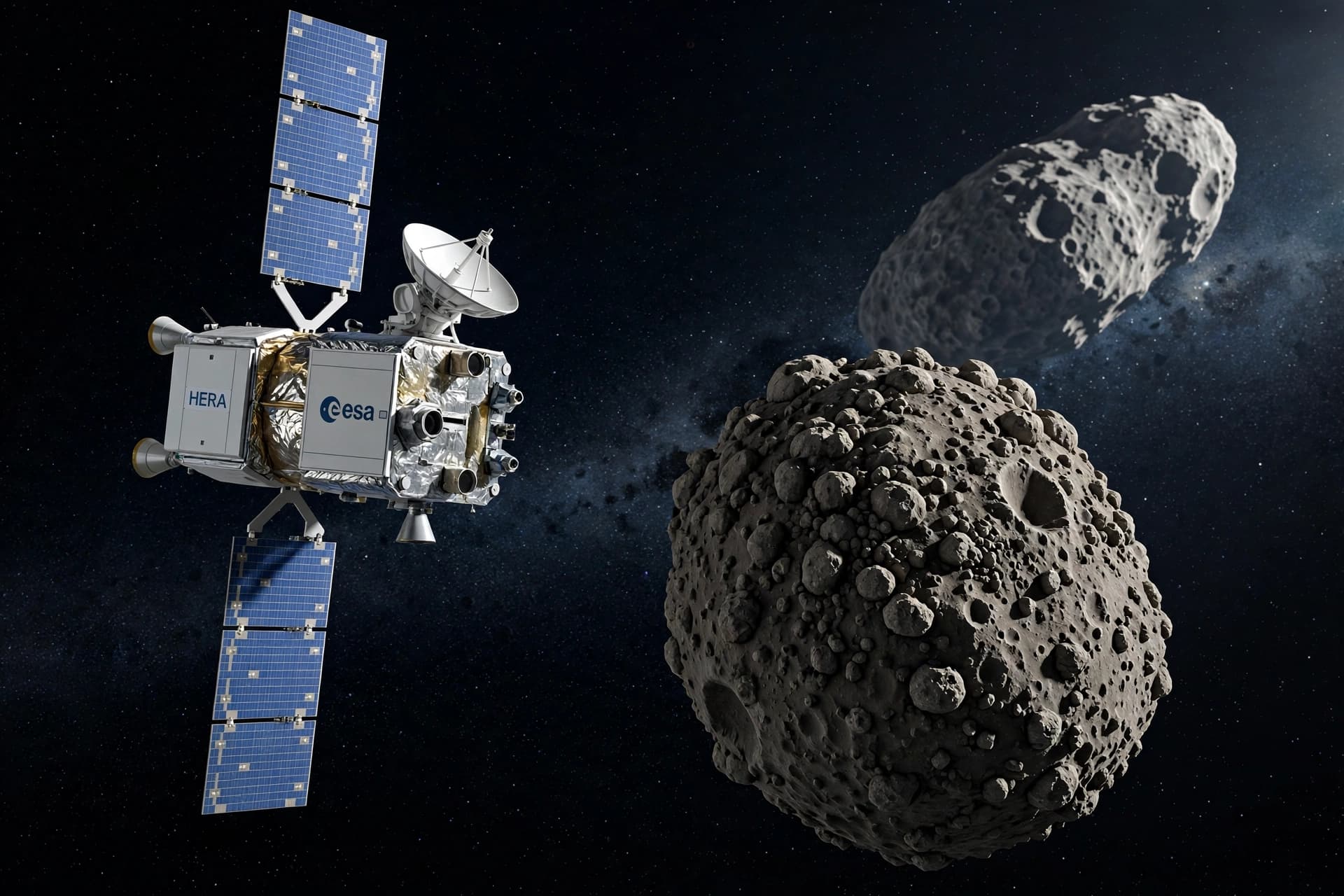
AI Image Disclaimer: This illustration was generated using artificial intelligence to visualize a scientific concept and does not depict the actual exoplanet or telescope observations described in the article.
Sources (verification check): NASA, European Space Agency (ESA), Reuters, Nature Astronomy, Space.com
Published by Banx Network. This article is part of the Banx decentralized media programme, powered by the BXE token on the XRP Ledger.