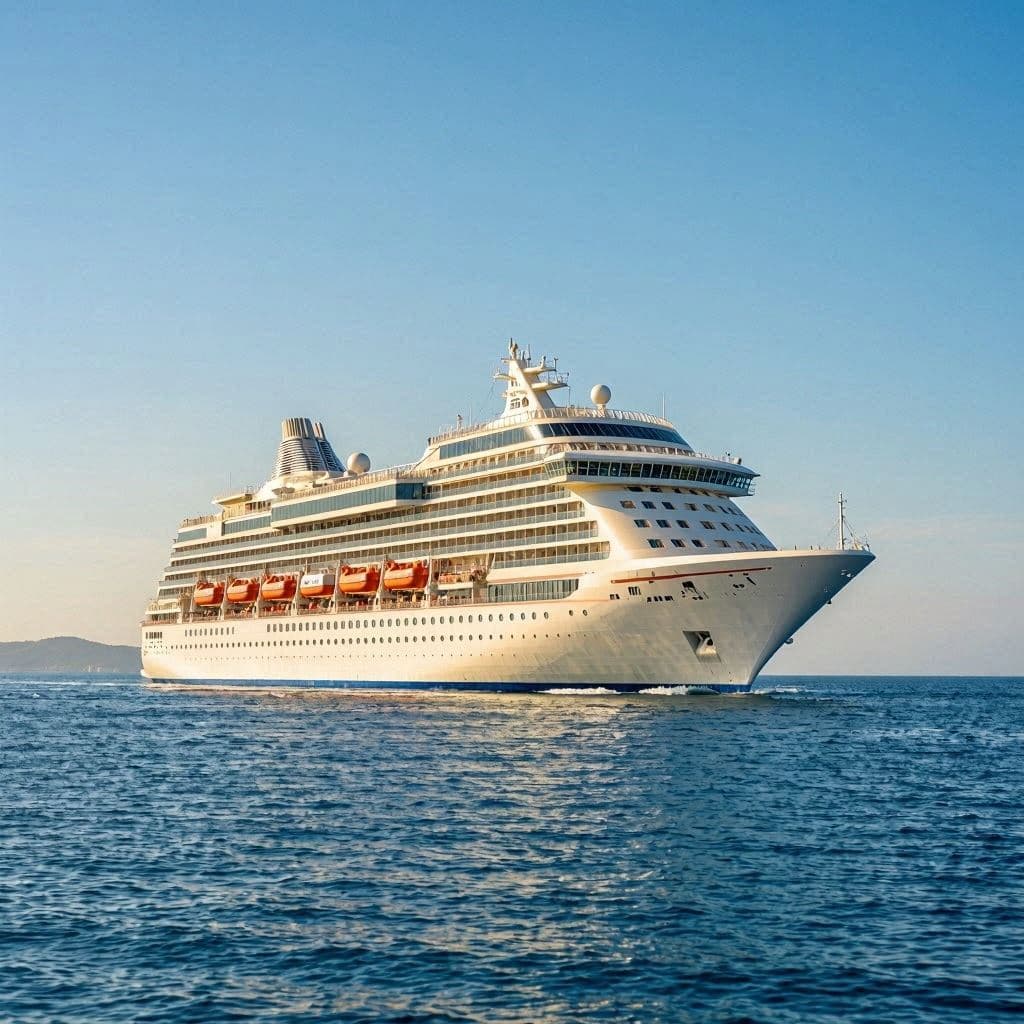
The open ocean is often viewed as a place of escape, where the horizon stretches endlessly and the worries of land fade into the distance. Yet, in May 2026, a Dutch-flagged cruise ship became the unlikely epicenter of a rare and deadly health crisis. A cluster of severe respiratory illnesses, later identified as hantavirus, claimed three lives and left several others critically ill. For months, the world watched with bated breath, concerned about the potential for wider spread. Now, more than three months later, the World Health Organization has declared the outbreak over, offering a moment of relief and reflection on the fragility of health in confined spaces.
Body: The incident began when passengers aboard the M/V Hondius started exhibiting symptoms of severe acute respiratory distress. Initial reports were alarming, given the contagious nature of many respiratory viruses in close quarters like cruise ships. However, laboratory tests confirmed the presence of hantavirus, a rodent-borne disease that is typically transmitted through contact with infected urine, droppings, or saliva. Its appearance in a maritime setting was unusual, prompting a swift and coordinated international response to identify the source and contain any further transmission.
Investigations revealed that the virus likely originated from rodents that had inadvertently boarded the ship before its departure. Once on board, the confined environment allowed for the rapid spread of aerosolized particles containing the virus. The three fatalities occurred among passengers who were particularly vulnerable due to age or underlying health conditions. The WHO worked closely with national health authorities, including those in the United Kingdom and the Netherlands, to track contacts and ensure that all potentially exposed individuals received appropriate medical attention.
The declaration that the outbreak is over comes after a period of intense surveillance. No new cases linked to the cruise ship have been reported since late May, indicating that the chain of transmission was successfully broken. This outcome is a testament to the effectiveness of global health monitoring systems and the rapid response capabilities of international agencies. It also highlights the importance of rigorous sanitation and pest control measures in the travel industry.
Hantavirus pulmonary syndrome, the severe form of the disease seen in this outbreak, has a high mortality rate if not treated promptly. Symptoms include fever, muscle aches, and difficulty breathing, which can progress rapidly to respiratory failure. While there is no specific cure, supportive care in intensive care units can improve survival chances. The tragic loss of life in this incident serves as a stark reminder of the severity of the disease and the need for public awareness.
The cruise industry, already sensitive to health-related controversies, has taken note of this event. Companies are reviewing their protocols for pest management and emergency medical response. The incident underscores the complex logistics of maintaining a sterile environment on a moving vessel, where thousands of people live, eat, and sleep in close proximity. Ensuring safety requires constant vigilance and adherence to strict hygiene standards.
For the families of the victims, the end of the outbreak does not erase the grief. The suddenness of the illness and the rarity of the virus added to the shock and confusion of the experience. Support services have been made available to help them cope with the trauma. The global health community continues to express its condolences and commitment to preventing similar tragedies in the future.
As summer travel peaks, the resolution of this outbreak offers reassurance to travelers. It demonstrates that while risks exist, they can be managed through transparency, cooperation, and scientific rigor. The lessons learned from the M/V Hondius incident will likely influence health regulations for maritime travel for years to come, making journeys safer for everyone.
Closing: The World Health Organization’s confirmation that the hantavirus outbreak on the M/V Hondius is over marks the end of a tense chapter in global health. With no new cases reported, attention now turns to reinforcing preventive measures in the travel sector. The incident remains a sobering reminder of the importance of vigilance against rare but deadly pathogens.
AI Image Disclaimer: Please note that the visual illustrations accompanying this article are AI-generated representations intended to contextualize the discussion on public health and maritime safety.
Sources: World Health Organization Forbes CDC United Nations News
Published by Banx Network. This article is part of the Banx decentralized media programme, powered by the BXE token on the XRP Ledger.