From the Ocean’s Darkness, a Rare Visitor Finally Appears on Camera
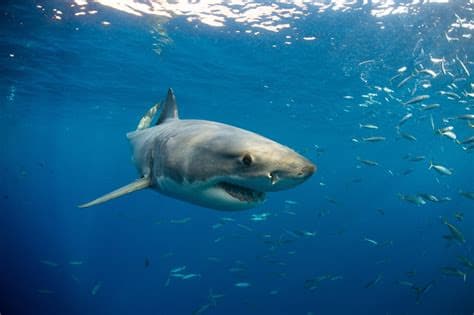
Scientists have captured rare footage of a goblin shark in the wild, offering valuable new insights into deep-sea ecosystems.

Scientists have captured rare footage of a goblin shark in the wild, offering valuable new insights into deep-sea ecosystems.

Scientists have discovered that damselflies produce vivid colors through microscopic structures that manipulate light rather than relying solely on pigments.

Researchers have identified brain chemicals involved in helping humans overcome unwanted habits and adopt new behaviors.

Physicists have detected unusual signals that could indicate an exotic particle beyond the Standard Model of physics.

Scientists have discovered that temporary DNA breaks in young neurons may be essential for healthy brain development.

Scientists have proposed the Lazuli Space Observatory, a future mission concept designed to study fast-changing cosmic events.

The HLS-GPT project uses artificial intelligence to reconstruct incomplete satellite data and improve environmental monitoring.

Researchers have developed LOGOS, an AI foundation model designed to support scientific research across multiple disciplines.

Recent findings indicate growing public trust in science reporting and public-interest journalism across Australia.

Researchers are studying deep-sea organisms capable of surviving years without food, revealing extraordinary adaptations to extreme environments.

Space industry stocks experienced volatility following SpaceX’s reported Nasdaq debut, reflecting shifting investor expectations across the sector.

NASA satellites are closely monitoring Tropical Storm Arthur, providing critical data for forecasting and preparedness efforts.

Scientists have discovered remarkable adaptations in deep-sea animals, revealing new insights into survival in extreme environments.

Scientists have used satellite technology to identify urban activity patterns in major cities, opening new possibilities for planning and climate research.

NASA is preparing the Nancy Grace Roman Space Telescope for launch, aiming to investigate dark energy, dark matter, and distant planets.

Increased solar activity is expected to create more frequent aurora displays while also drawing attention to space weather impacts.

New research suggests that parts of the Tibetan Plateau could become ideal locations for future astronomical observatories.

Researchers have introduced LOGOS, a universal AI model designed to assist scientific research across multiple disciplines.

The proposed Lazuli Space Observatory aims to strengthen multi-messenger astronomy through faster observations of cosmic events.

Nvidia has unveiled a new AI superchip aimed at bringing advanced artificial intelligence capabilities to consumer computers.

Scientists have revived ancient yeast associated with Ötzi the Iceman and successfully used it to bake sourdough bread.

Scientists have successfully transported antimatter by truck for the first time, expanding possibilities for future physics research.

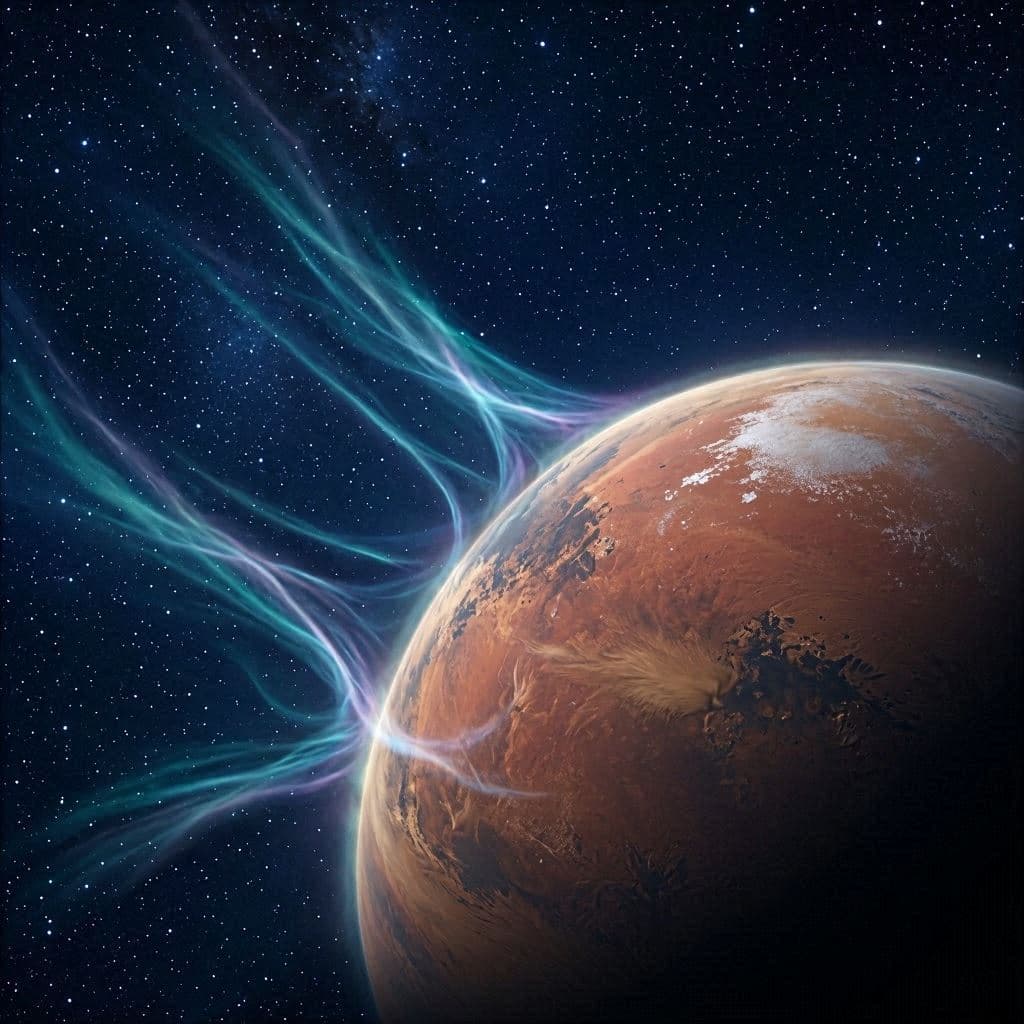
NASA has ended the MAVEN mission after years of studying how Mars lost much of its atmosphere.

A major study shows that open science practices in AI research have increased significantly over the last decade.