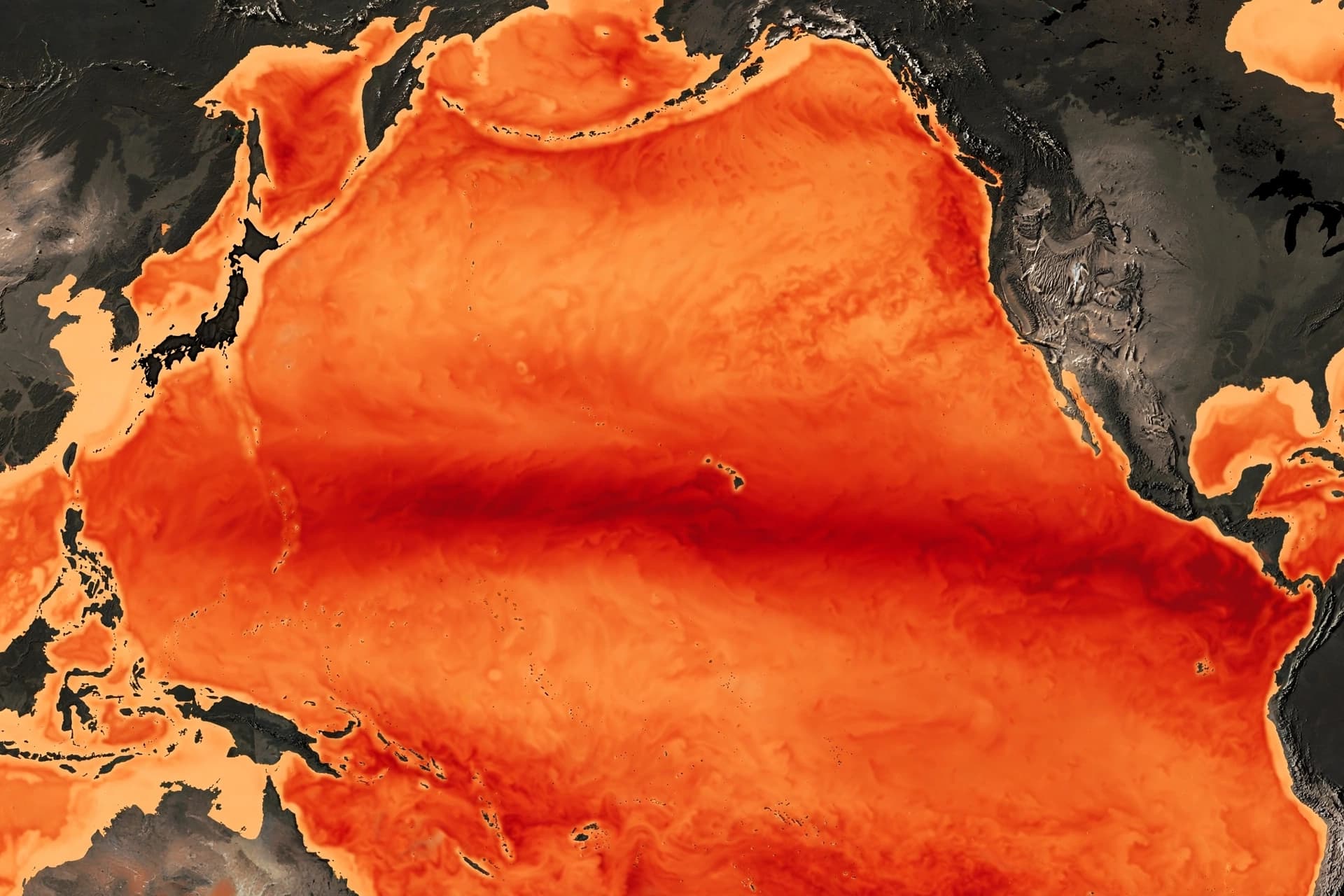
Summer has always been a season of warmth, a time when the earth basks in the sun’s generous embrace. But this year, the heat feels different—more intense, more persistent, and more pervasive. As global temperatures climb to record highs, scientists point to a familiar yet powerful climatic driver: El Niño. This natural phenomenon, characterized by the warming of ocean surface temperatures in the central and eastern Pacific, is poised to amplify an already sweltering summer. It is a reminder that our climate is a complex system, where natural cycles and human-induced changes intersect to create conditions that challenge our comfort and safety.
El Niño occurs irregularly every two to seven years, bringing warmer-than-average sea surface temperatures to the Pacific Ocean. These changes disrupt atmospheric circulation patterns, leading to higher global temperatures and altered weather conditions worldwide. For many regions, this means hotter days, reduced rainfall, and an increased risk of extreme weather events such as droughts and wildfires. The current El Niño event is expected to peak in the coming months, coinciding with the height of summer in the Northern Hemisphere.
The impact of El Niño is not uniform; some areas may experience heavy rains and flooding, while others face severe dryness. In the United States, for example, the southern states may see wetter conditions, while the northwest could become drier and hotter. Globally, the phenomenon contributes to a rise in average temperatures, pushing them closer to critical thresholds set by climate scientists. This additional warming layer exacerbates the effects of long-term climate change, making heatwaves more frequent and intense.
Scientists emphasize that while El Niño is a natural cycle, its effects are being magnified by human activities. The accumulation of greenhouse gases in the atmosphere traps more heat, creating a baseline of higher temperatures. When El Niño adds its own warming influence, the result is a compound effect that can lead to unprecedented heat records. This synergy between natural variability and anthropogenic climate change is a key concern for meteorologists and policymakers alike.
Public health implications are significant. Extreme heat poses risks to vulnerable populations, including the elderly, children, and those with pre-existing health conditions. Heat-related illnesses, such as heatstroke and dehydration, become more common during El Niño years. Communities are urged to take precautions, such as staying hydrated, avoiding outdoor activities during peak heat hours, and checking on neighbors. Awareness and preparedness are essential for mitigating these health risks.
Environmental stresses also increase during El Niño events. Coral reefs, already threatened by ocean acidification, face additional stress from warmer waters, leading to widespread bleaching. Agricultural sectors may suffer from crop failures due to drought or excessive rain, impacting food security and economic stability. These ecological and economic challenges highlight the far-reaching consequences of climatic shifts.
As the summer progresses, monitoring agencies will track the development of El Niño closely. Accurate forecasting allows for better preparation and response strategies, helping communities adapt to changing conditions. Understanding the dynamics of this phenomenon is crucial for building resilience in a warming world. It is a call to action for both individual and collective adaptation.
El Niño’s arrival in an already hot summer serves as a potent reminder of the earth’s dynamic climate system. While we cannot control natural cycles, we can prepare for their impacts and work toward mitigating long-term climate change. In facing the heat, we find the need for vigilance, care, and sustainable action.
AI Image Disclaimer: Please note that the images in this piece are AI-generated illustrations created to depict the themes of climate science and extreme weather.
Sources: NOAA, NASA, The Washington Post, Scientific American
Published by Banx Network. This article is part of the Banx decentralized media programme, powered by the BXE token on the XRP Ledger.