The Moon has long been viewed as a dry, dead world, a silent companion to our vibrant Earth. But recent seismic data suggests that beneath its dusty surface, there may be movement and perhaps even moisture. Moonquakes, once considered minor tremors, are now being reinterpreted as potential indicators of subsurface water. As NASA’s Artemis missions prepare to return humans to the lunar surface, understanding the distribution of water is crucial for sustainable exploration. This shift in perspective transforms the Moon from a static rock into a dynamic world with hidden resources.
Moonquakes differ significantly from earthquakes. While earthquakes are often caused by tectonic plate movements, moonquakes are triggered by tidal forces from Earth, thermal expansion, and meteorite impacts. However, new analysis of data from Apollo-era seismometers and recent lunar orbiters suggests that some shallow moonquakes may be linked to the presence of water ice or hydrated minerals. The way seismic waves travel through the lunar crust can reveal changes in density and composition, hinting at the presence of volatiles.
Water on the Moon is not just a scientific curiosity; it is a vital resource for future exploration. It can be split into hydrogen and oxygen for rocket fuel and breathable air, reducing the need to transport these heavy materials from Earth. Identifying accessible deposits of water ice is therefore a top priority for space agencies. Moonquakes provide a non-invasive method to probe the subsurface, offering clues about where these resources might be located.
Recent studies have focused on the lunar poles, where permanently shadowed craters are believed to trap water ice. Seismic data from these regions shows anomalies that could indicate layers of ice mixed with regolith. By mapping these seismic signatures, scientists can create a three-dimensional model of the lunar subsurface, guiding future landing sites for robotic and human missions.
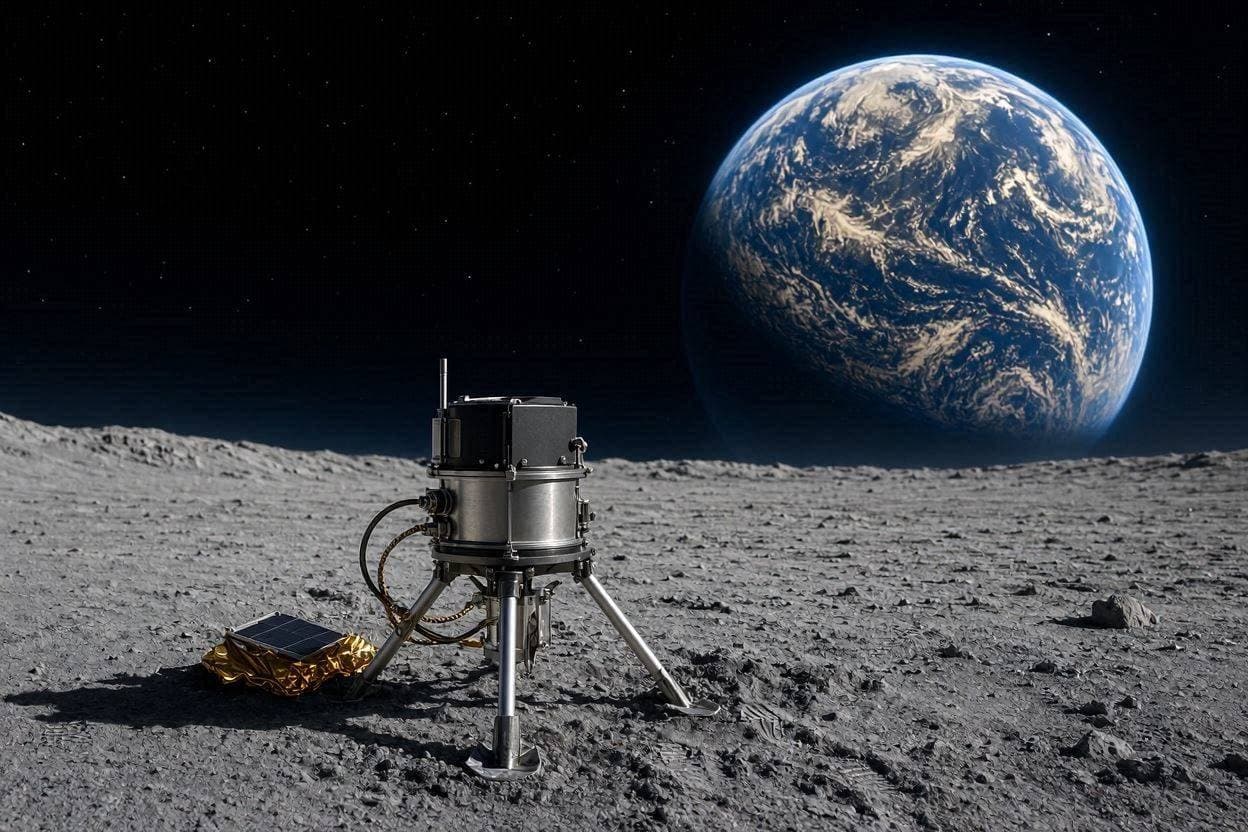
The technology used to detect these subtle vibrations has improved dramatically since the Apollo era. Modern seismometers are more sensitive and can operate in the extreme temperatures of the lunar environment. Upcoming missions, such as the Lunar Vertex seismometer, will deploy networks of sensors to capture high-resolution data on moonquake activity. This new generation of instruments promises to unlock secrets that have remained hidden for decades.
Understanding the source of moonquakes also helps assess the stability of the lunar surface for construction. Base habitats and infrastructure must be built in areas less prone to seismic activity. By correlating quake locations with geological features, engineers can design safer and more durable structures. This practical application underscores the importance of basic scientific research in enabling human expansion into space.
The discovery of water-related seismic signals adds a layer of complexity to our understanding of lunar geology. It suggests that the Moon is not entirely inert but retains some internal dynamics influenced by external forces and internal composition. This realization invites a reevaluation of other celestial bodies, where similar processes might be at work.
As we stand on the brink of a new era of lunar exploration, moonquakes offer a key to unlocking the Moon’s hidden treasures. By listening to the subtle tremors of our celestial neighbor, we may find the water needed to sustain a permanent human presence. In the silence of the Moon, there is a story waiting to be heard.
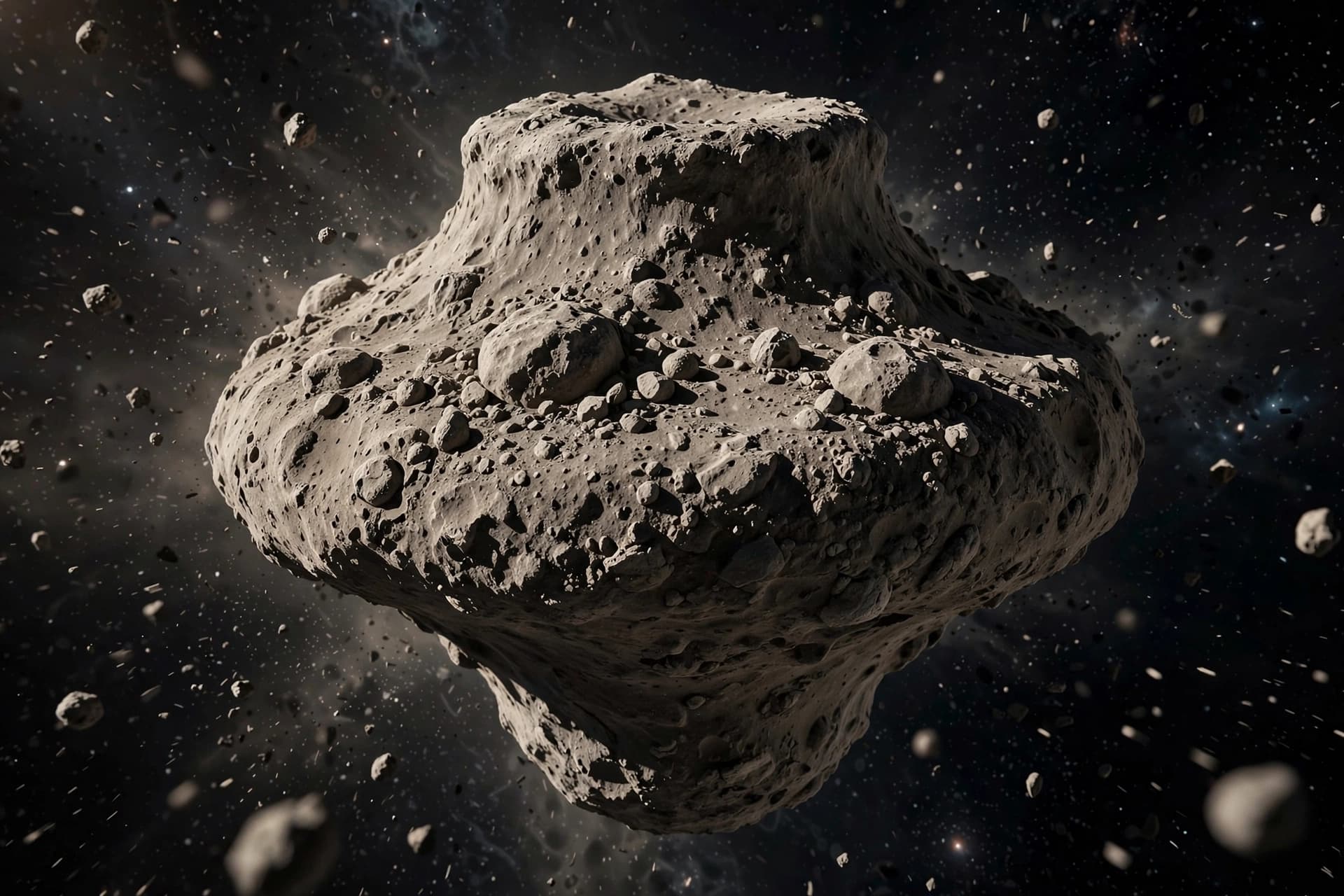
AI Image Disclaimer: Please note that the images in this piece are AI-generated illustrations created to depict the themes of lunar seismology and space exploration.
Sources: NASA, Nature Astronomy, Space.com, Scientific American
Published by Banx Network. This article is part of the Banx decentralized media programme, powered by the BXE token on the XRP Ledger.