In the grand theater of the cosmos, black holes are often portrayed as insatiable monsters, devouring everything that ventures too close to their event horizons. Yet, recent astronomical observations reveal a more complex digestive process. Just as living organisms must expel waste, these cosmic giants occasionally release vast amounts of gas in powerful outbursts. While the analogy of "indigestion" is playful, the scientific reality is profound: these massive expulsions play a crucial role in regulating the growth of galaxies and shaping the universe itself. It is a reminder that even the most extreme objects in space are part of a dynamic, interconnected system.
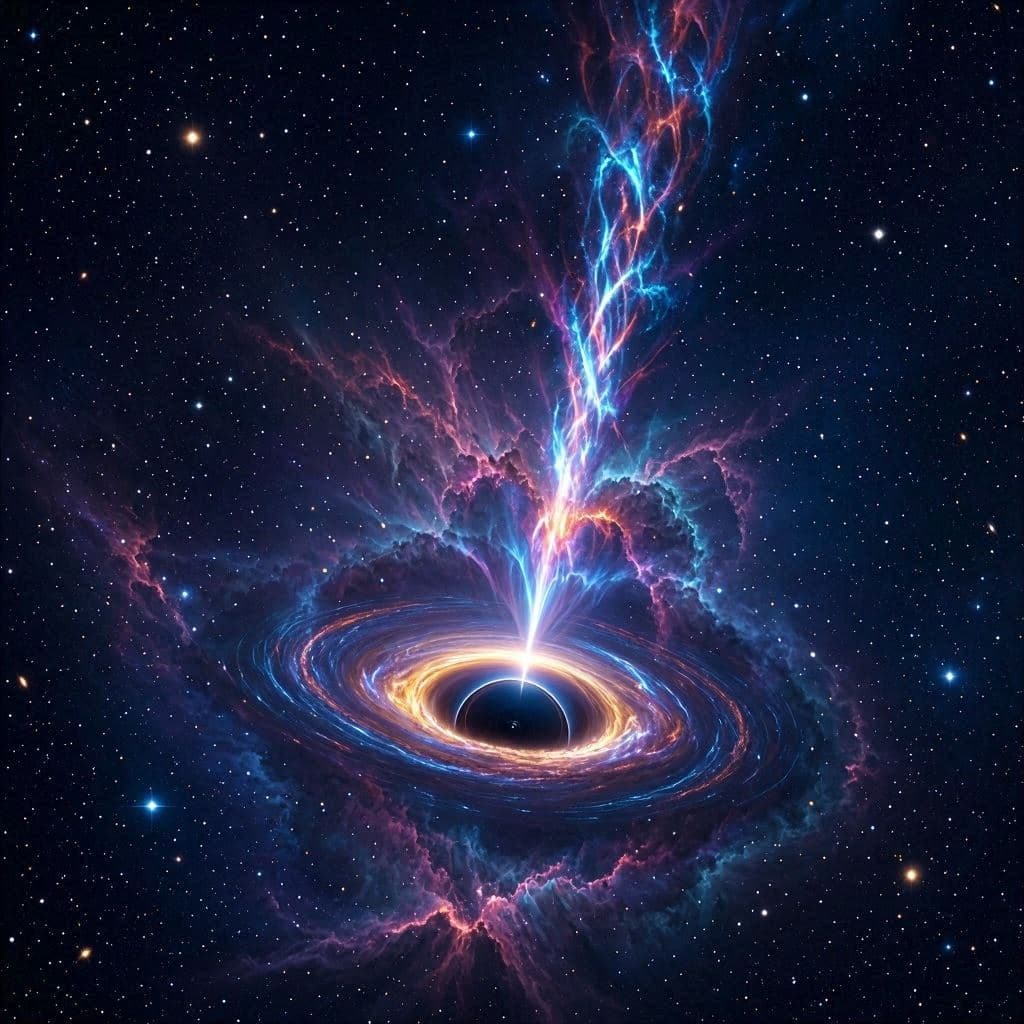
The phenomenon in question involves supermassive black holes located at the centers of galaxies. As they consume surrounding matter, such as gas and dust, not all of it falls into the void. Some material is heated to extreme temperatures and accelerated by magnetic fields, eventually being ejected back into space in the form of high-speed winds or jets. Astronomers have likened these events to "farts," a humorous but accurate description of the sudden, forceful release of accumulated pressure and material.
These expulsions are not merely trivial burps; they are energetic events that can influence the evolution of entire galaxies. By pushing gas away from the center, black holes can suppress star formation, preventing galaxies from growing too large too quickly. This feedback mechanism is essential for maintaining the balance observed in the universe. Without it, galaxies might exhaust their fuel supplies rapidly, leading to a very different cosmic landscape than the one we see today.
Recent studies using advanced telescopes have allowed scientists to measure the scale and impact of these outflows with greater precision. The data suggests that these events are more common and powerful than previously thought. The gas expelled can travel thousands of light-years, interacting with the interstellar medium and triggering or halting the birth of new stars. This intricate dance between consumption and expulsion highlights the active role black holes play in galactic ecology.
The term "indigestion" captures the irregular nature of these events. Black holes do not feed steadily; they experience periods of intense activity followed by relative quiet. During feeding frenzies, the accumulation of material can lead to instability, resulting in sudden releases. Understanding the triggers for these outbursts helps astronomers predict when and where such events might occur, offering insights into the lifecycle of active galactic nuclei.
For the public, the anthropomorphic language makes complex astrophysics more accessible. Comparing black holes to biological entities helps bridge the gap between abstract science and everyday experience. However, scientists emphasize that the mechanisms involved are purely physical, driven by gravity, magnetism, and thermodynamics. The humor serves as a hook, but the underlying physics is serious and significant.
As research continues, the focus shifts to understanding the long-term effects of these expulsions on galaxy clusters. Do they enrich the intergalactic medium with heavy elements? Do they regulate the temperature of gas in cluster cores? These questions are central to modern cosmology, and each observation brings us closer to a comprehensive model of galaxy evolution.
Closing: The discovery that black holes expel gas in massive bursts adds a new layer to our understanding of these enigmatic objects. Far from being simple sinks of matter, they are active participants in the cosmic cycle. Their "indigestion" is, in fact, a vital function that helps shape the structure of the universe.
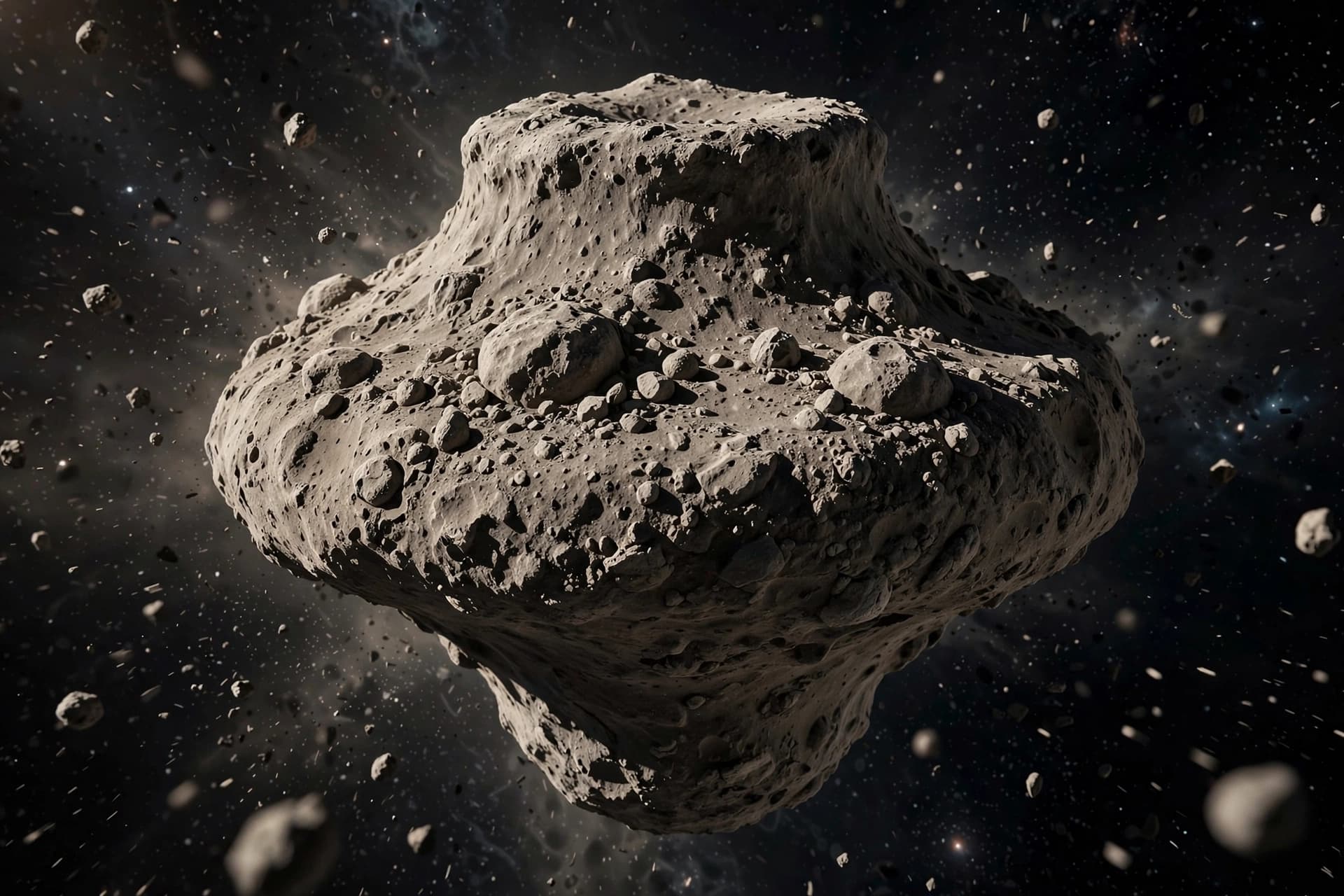
AI Image Disclaimer: The visuals accompanying this article are AI-generated illustrations designed to represent the themes of black hole dynamics and gas expulsion.
Sources: NASA, Chandra X-ray Center, Live Science, Scientific American
Published by Banx Network. This article is part of the Banx decentralized media programme, powered by the BXE token on the XRP Ledger.