Summer Nights Open Quiet Windows Into the Universe
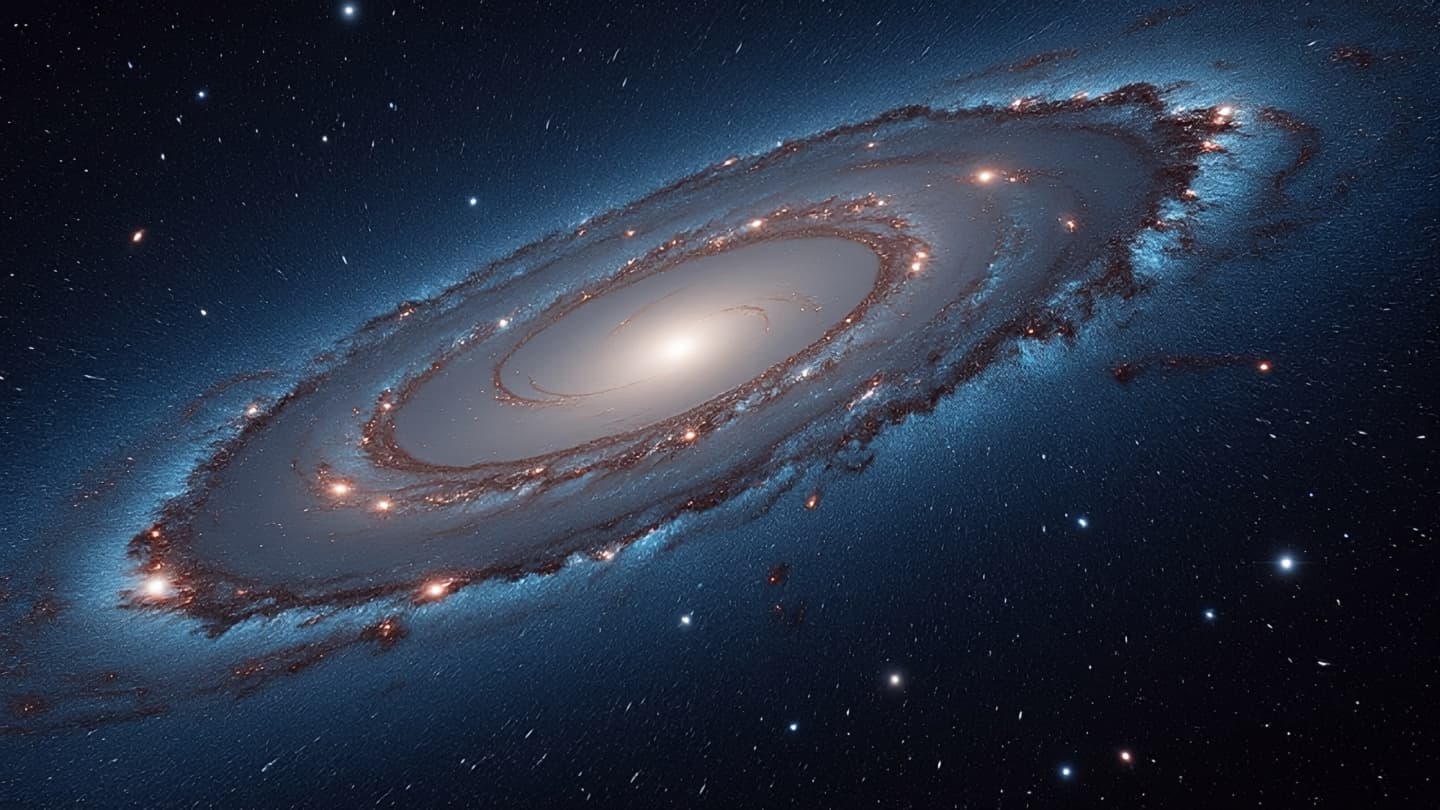
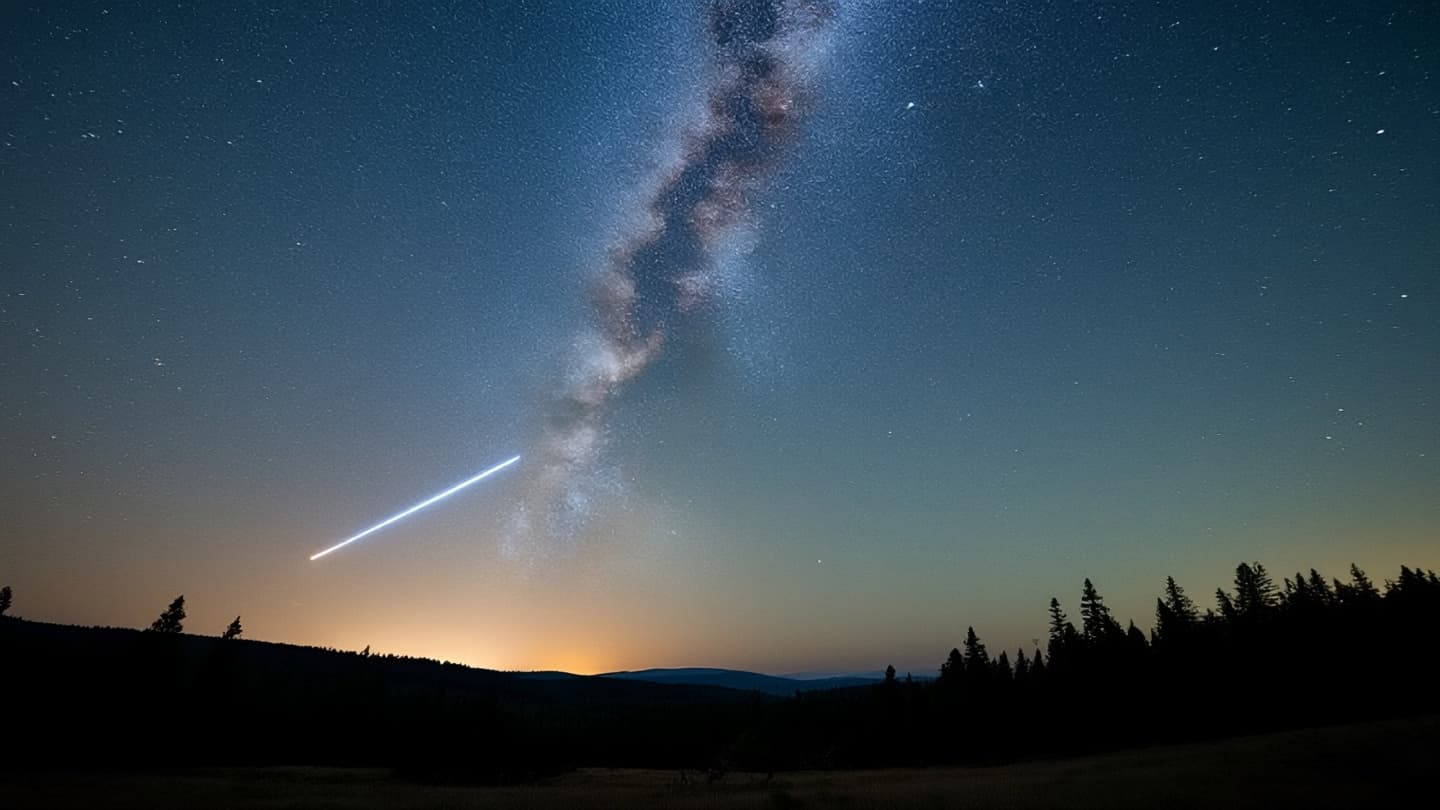
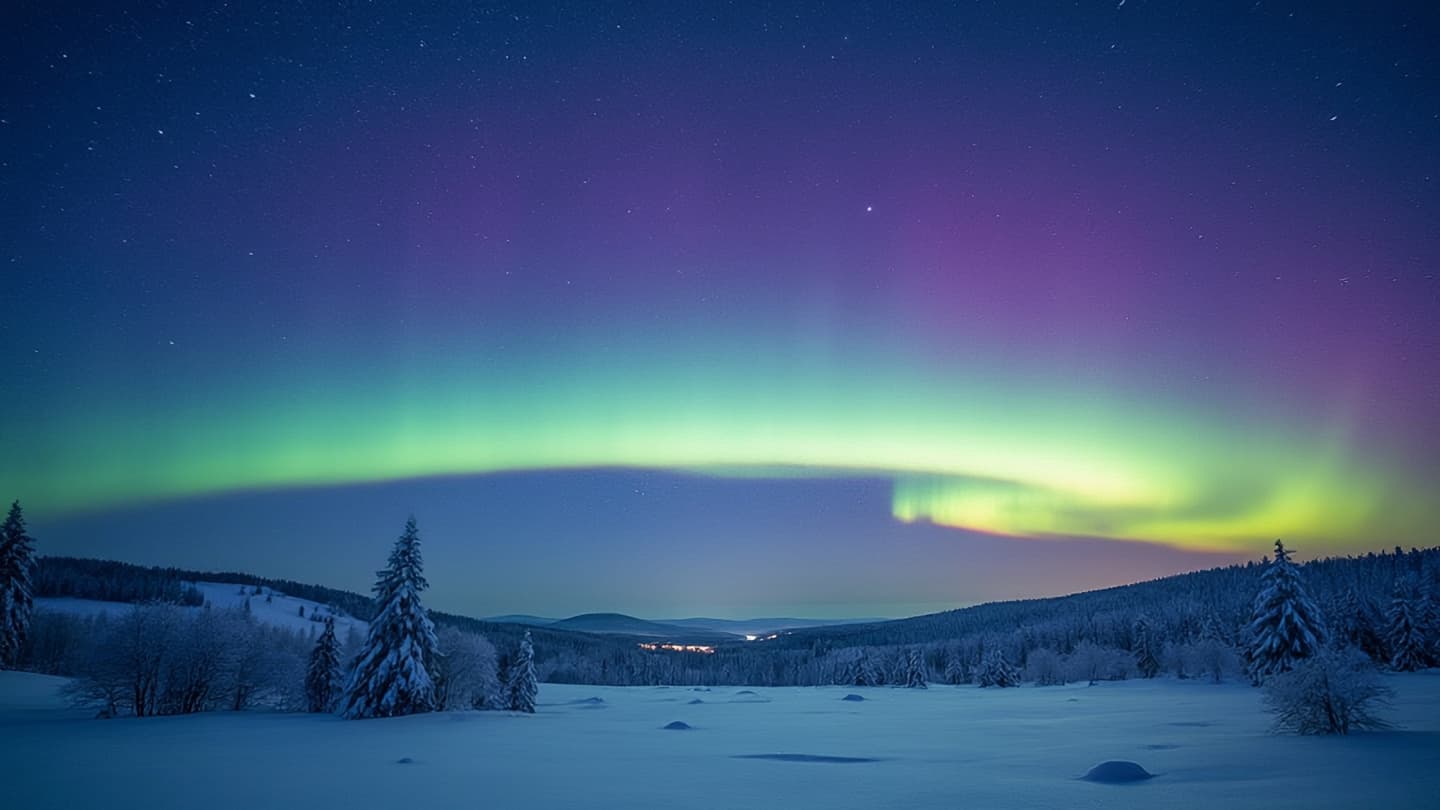
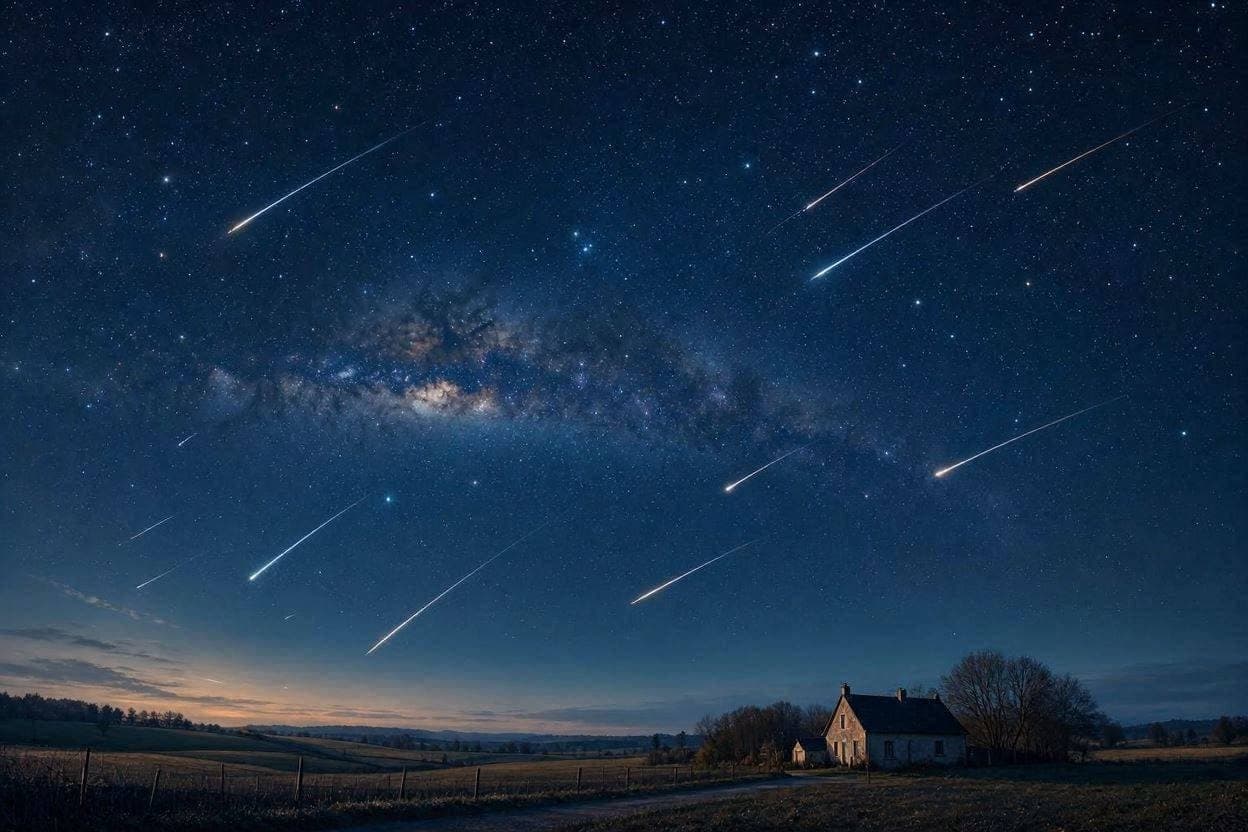
Astronomers highlight seven major celestial events this summer, including meteor showers, planetary displays, and ideal stargazing opportunities.

Astronomers highlight seven major celestial events this summer, including meteor showers, planetary displays, and ideal stargazing opportunities.

U.S. officials are challenging plans to auction recovered Titanic items, citing concerns over preservation and historical integrity.

The James Webb Space Telescope detected a powerful galactic outflow in the early universe, offering new clues about galaxy evolution.

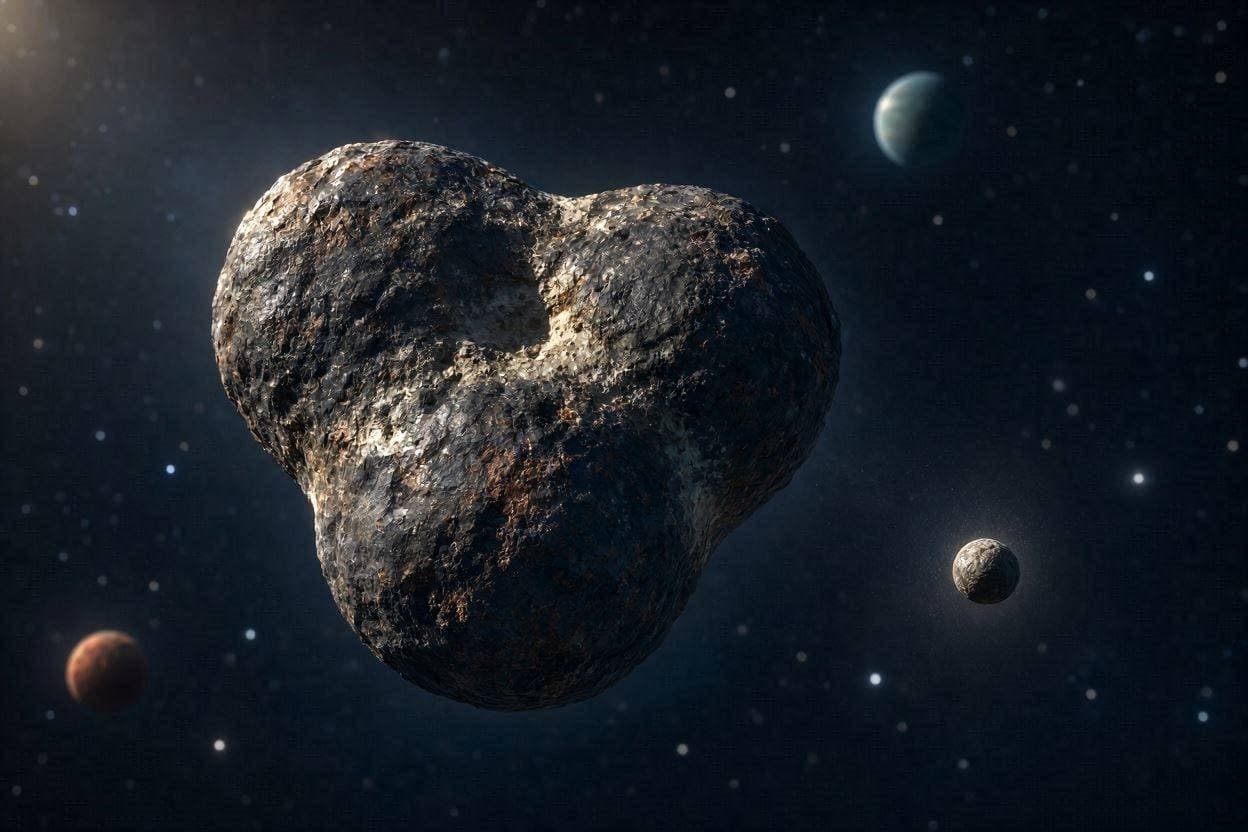
Astronomers believe a newly studied interstellar comet may be substantially older than the Solar System itself.

Extreme temperatures at the Grand Canyon have contributed to multiple hiker deaths, prompting renewed safety warnings from park officials.

Scientists found that reproductive dormancy helps some tropical butterflies live up to 25 times longer than related species.

A rapid spacecraft servicing concept could extend the life of NASA's long-running Swift Observatory as its orbit declines.

NASA's Nancy Grace Roman Space Telescope has arrived in Florida for final testing ahead of its anticipated launch.

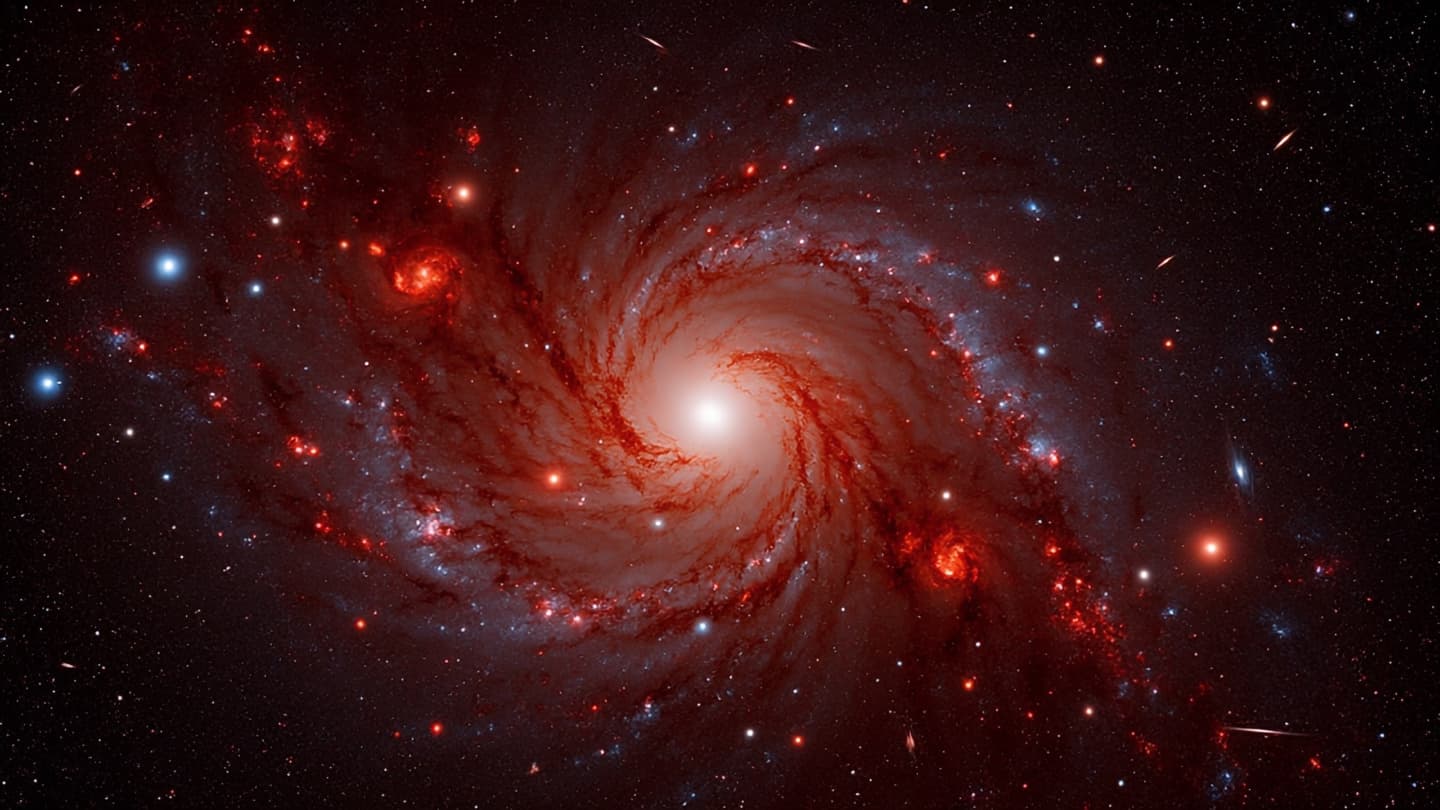
Scientists suggest dark matter could explain mysterious radiation detected near the center of the Milky Way.

Astronomers say T Coronae Borealis has not erupted yet, but the anticipated nova could still occur soon.

Scientists discovered unusual structures inside moss, revealing unexpected complexity in one of Earth's oldest plant groups.

The Dutch government has blocked a U.S.-led cloud acquisition, citing national security and digital infrastructure concerns.

Scientists have proposed the Lazuli space observatory, a mission concept that could transform observations of fast cosmic events.

A large-scale study indicates that open science practices in artificial intelligence research are becoming increasingly widespread.

Researchers have introduced a universal AI model designed to support scientific research across multiple disciplines.

Researchers believe artificial intelligence is entering a new era in which it could significantly accelerate scientific discovery.

Scientists have captured rare footage of a goblin shark in the wild, offering valuable new insights into deep-sea ecosystems.

Scientists have discovered that damselflies produce vivid colors through microscopic structures that manipulate light rather than relying solely on pigments.

Researchers have identified brain chemicals involved in helping humans overcome unwanted habits and adopt new behaviors.

Physicists have detected unusual signals that could indicate an exotic particle beyond the Standard Model of physics.

Scientists have discovered that temporary DNA breaks in young neurons may be essential for healthy brain development.

Scientists have proposed the Lazuli Space Observatory, a future mission concept designed to study fast-changing cosmic events.

The HLS-GPT project uses artificial intelligence to reconstruct incomplete satellite data and improve environmental monitoring.

Researchers have developed LOGOS, an AI foundation model designed to support scientific research across multiple disciplines.