Water is the essence of life, yet access to clean water remains a critical challenge for millions around the world. Industrial processes often leave behind wastewater laden with salts and heavy metals, pollutants that are difficult and expensive to remove. But a breakthrough in filtration technology offers a promising solution. A new wastewater treatment system has demonstrated the ability to remove 85% of salt and 92% of heavy metals in just four hours. This rapid and efficient process could revolutionize water management, turning hazardous waste into a valuable resource.
The system utilizes advanced membrane technology combined with electrochemical processes to separate contaminants from water. Unlike traditional methods that require large settling tanks and lengthy processing times, this new approach is compact and fast. The membranes are designed to selectively allow water molecules to pass while blocking ions of salt and heavy metals. The electrochemical component enhances this separation by attracting charged particles, ensuring high removal efficiency.
Heavy metals such as lead, mercury, and cadmium are toxic even in small amounts, posing serious health risks to humans and ecosystems. Salt, while not toxic, renders water unusable for agriculture and drinking. Removing both simultaneously is a significant technical challenge, as the presence of one can interfere with the removal of the other. This new system overcomes that hurdle, offering a dual-purpose solution that addresses two major pollution problems at once.
The speed of the process is particularly notable. Traditional desalination and heavy metal removal can take days or even weeks, requiring significant energy and infrastructure. By achieving high removal rates in just four hours, this system reduces operational costs and increases throughput. This makes it viable for industries that generate large volumes of wastewater, such as mining, textile manufacturing, and electronics production.
Pilot tests have shown consistent performance across different types of wastewater, indicating the system’s versatility. It can be scaled up for municipal use or downsized for individual industrial facilities. The modular design allows for easy installation and maintenance, making it accessible to regions with limited technical expertise. This flexibility is key to its potential global impact.
Environmental benefits extend beyond clean water. By recovering heavy metals, the system allows for their reuse in industrial processes, reducing the need for new mining. This circular approach minimizes waste and conserves natural resources. Additionally, the reduced energy consumption compared to traditional methods lowers the carbon footprint of water treatment, aligning with sustainability goals.
Economic viability is another strong point. The lower operational costs make it an attractive option for companies facing strict environmental regulations. By treating wastewater on-site, businesses can avoid fines and reduce their reliance on external disposal services. This economic incentive drives adoption, accelerating the transition to cleaner industrial practices.
The development of this rapid wastewater treatment system marks a significant step forward in water security. By efficiently removing salts and heavy metals, it offers a sustainable solution to a pressing global problem. As water scarcity grows, technologies like this will be essential for preserving our most precious resource.
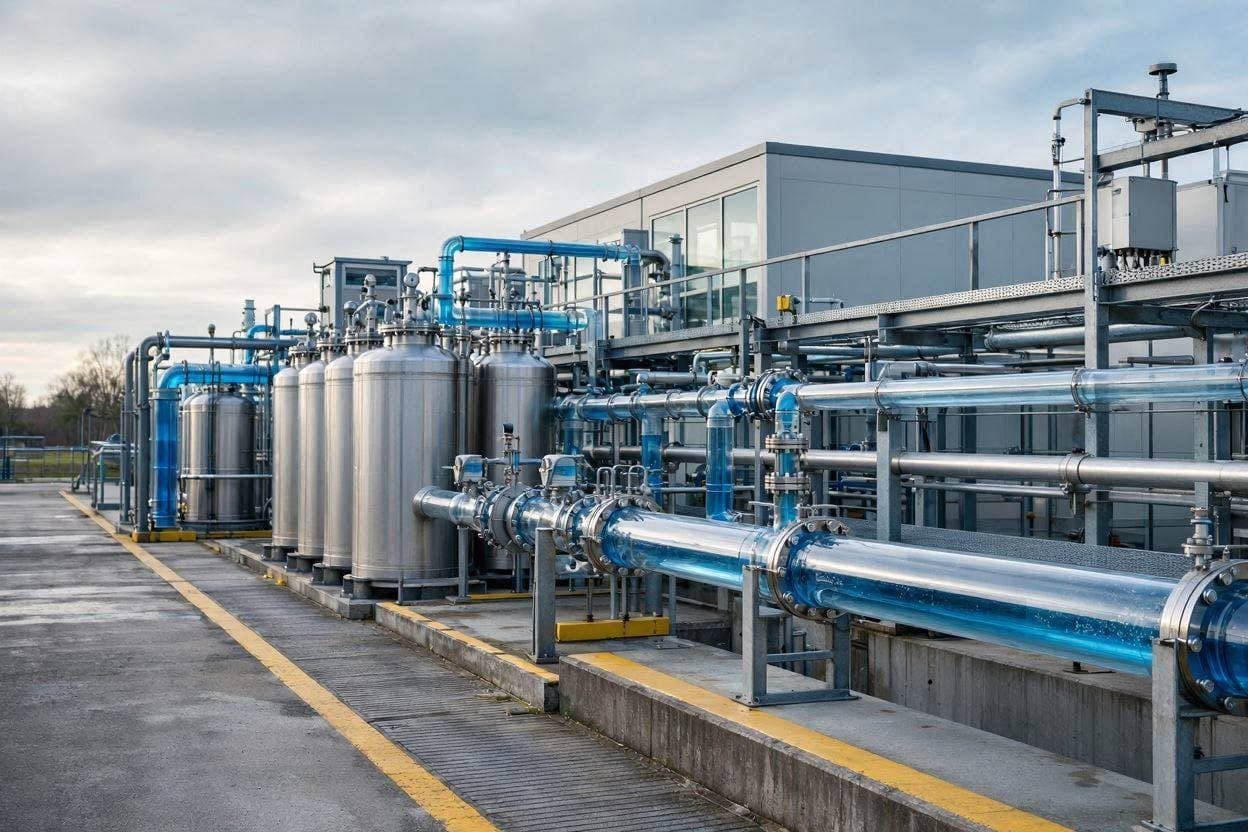
AI Image Disclaimer: The images associated with this article are AI-generated illustrations designed to represent the themes of water purification and industrial sustainability.
Sources: Science Daily, Environmental Science & Technology, TechCrunch, IEEE Spectrum
Published by Banx Network. This article is part of the Banx decentralized media programme, powered by the BXE token on the XRP Ledger.