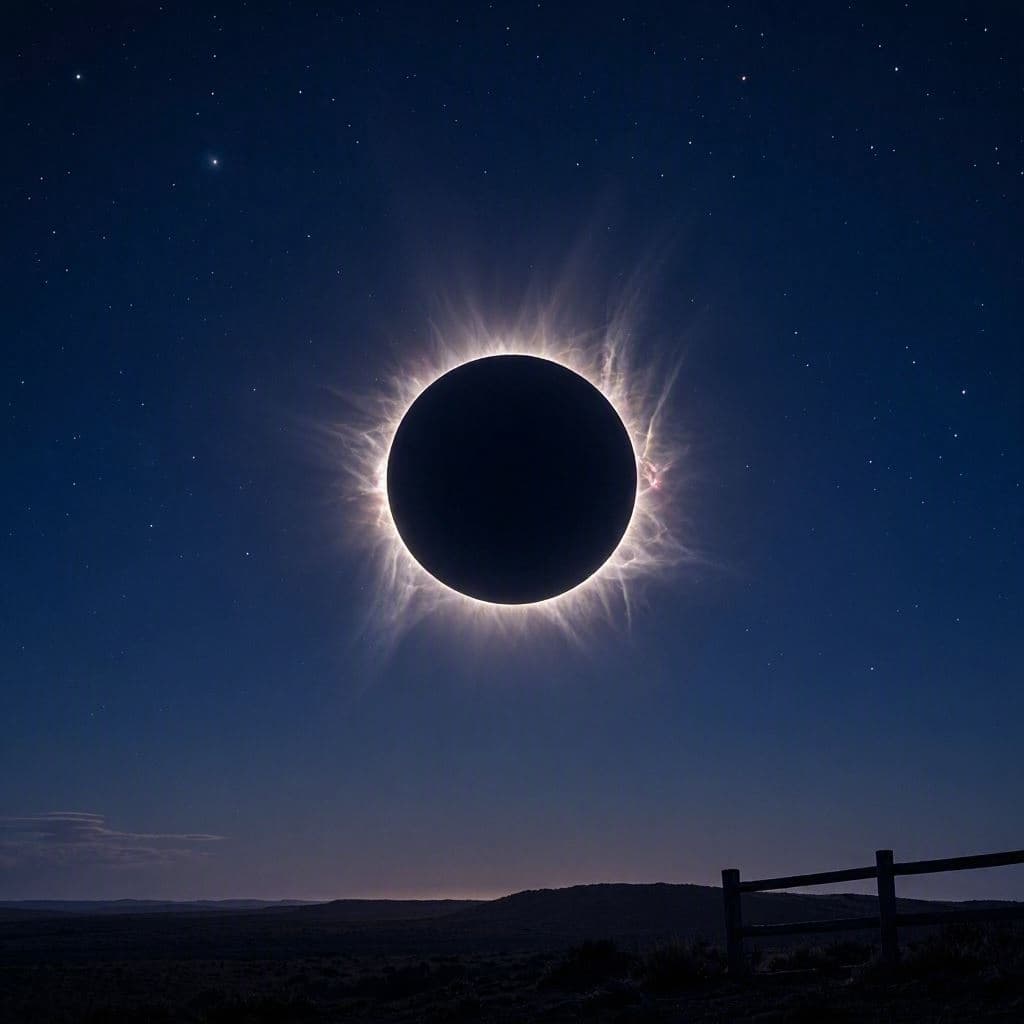
Solar eclipses have long been events of awe and mystery, moments when the day turns to twilight and the sun’s corona reveals its ethereal beauty. On August 12, 2026, a total solar eclipse will sweep across parts of the Arctic, Greenland, Iceland, and Spain, drawing the eyes of scientists and enthusiasts alike. But this eclipse promises more than just a familiar spectacle; it is expected to reveal a phenomenon that has never been observed before. This anticipation blends scientific rigor with the thrill of discovery, reminding us that even well-studied celestial events can hold new secrets. It is a testament to the endless capacity of the universe to surprise us.
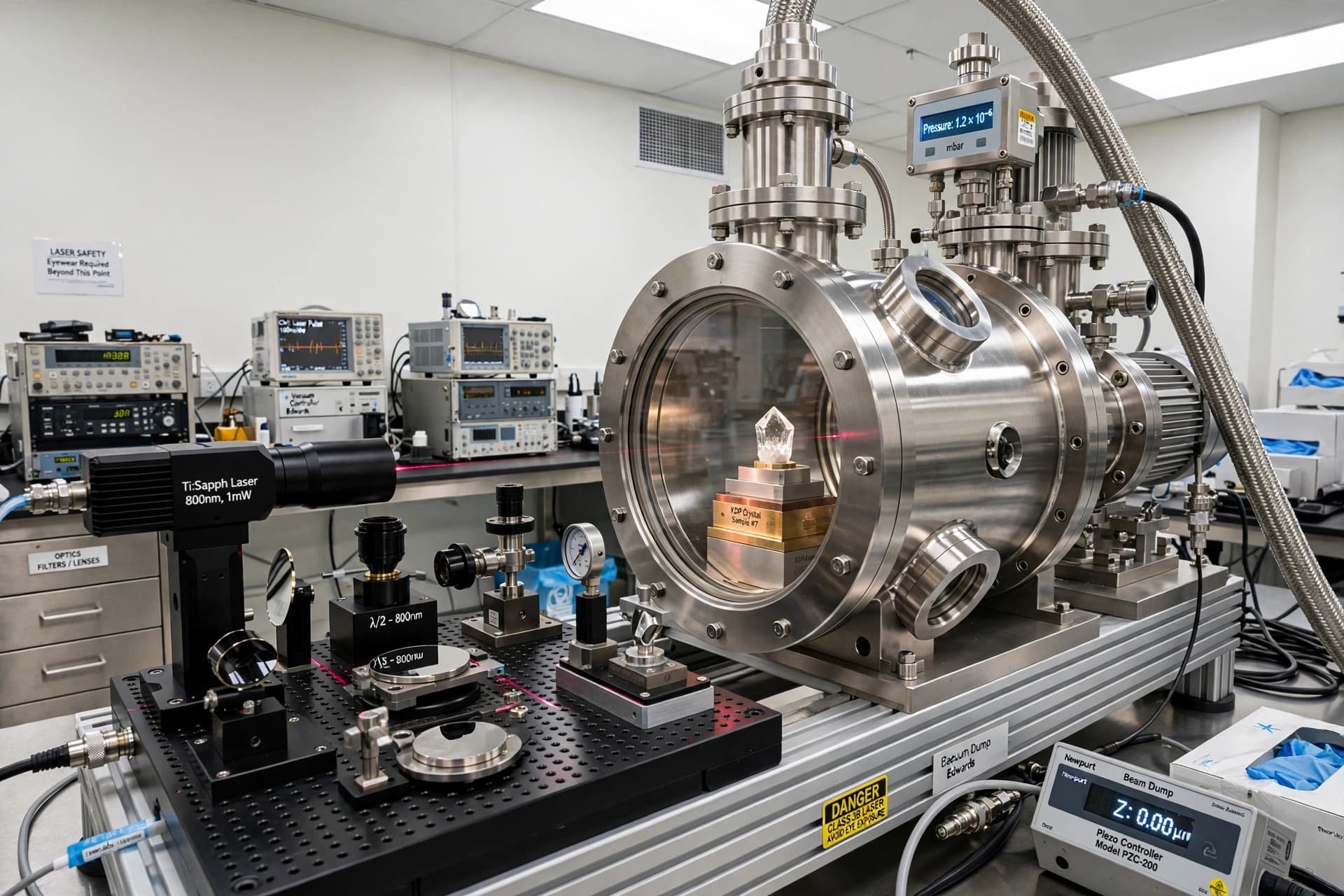
The unique aspect of this eclipse lies in the specific alignment and the advanced technology now available to observe it. Scientists will be using new high-resolution spectrometers and coronagraphs to study the sun’s outer atmosphere in unprecedented detail. The goal is to capture data on the magnetic fields and plasma dynamics that drive solar wind and space weather. These observations could lead to breakthroughs in understanding how the sun influences Earth’s climate and technological systems.
One of the potential discoveries involves the structure of the corona itself. Previous eclipses have shown streamers and loops, but this event may reveal finer details or transient features that have been too faint or fast-moving to detect in the past. Theories suggest that certain magnetic reconnection events might be visible during totality, offering a direct look at the mechanisms that heat the corona to millions of degrees. If confirmed, this would solve a long-standing mystery in solar physics.
For the public, the eclipse remains a powerful cultural and emotional event. Communities along the path of totality are preparing for festivals and educational programs, celebrating the intersection of science and wonder. The rarity of total eclipses in any given location makes them special occasions, bringing people together to share in a collective experience of awe. It is a reminder of the precision of celestial mechanics and our ability to predict them.
Safety remains a priority, with authorities urging viewers to use proper eclipse glasses to protect their eyes. The partial phases of the eclipse, which will be visible across a wider area, also require caution. Educational campaigns are highlighting the importance of safe viewing practices, ensuring that the event is enjoyed without harm. This responsible approach allows everyone to participate in the excitement.
The data collected during this eclipse will be analyzed for months, if not years, to come. Each image and spectrum adds to our knowledge of the sun, a star that is both familiar and enigmatic. The possibility of discovering something new keeps scientists vigilant and eager. It is a reminder that exploration is not just about going to new places, but also about seeing old things in new ways.
The total solar eclipse on August 12 offers a unique opportunity for scientific discovery and public engagement. With the potential to reveal unseen phenomena, it underscores the value of continued observation and research. As the shadow passes, we are left with both memories and new questions about our star.
AI Image Disclaimer: The images provided are AI-generated to visually represent the astronomical and scientific aspects of the story.
Sources: NASA National Solar Observatory EarthSky
Published by Banx Network. This article is part of the Banx decentralized media programme, powered by the BXE token on the XRP Ledger.