The open sea is often seen as a place of freedom, where the rules of land seem distant and the horizon stretches endlessly. Yet, even in these vast waters, a code of conduct exists, rooted in the tradition of aiding those in distress. Recently, controversy arose when a small boat running out of fuel off the coast of Alaska alleged that a nearby superyacht owned by Mark Zuckerberg ignored their calls for help. A spokesperson for Zuckerberg has stated that the crew did not hear the radio transmission. This incident invites reflection on responsibility, communication, and the expectations placed on those with significant resources.
The small skiff, carrying a father and son, had run out of fuel near Juneau. They reportedly made repeated radio calls for assistance, noting that Zuckerberg’s yacht, Launchpad, was closer than other vessels. When no response came, they felt abandoned. The incident sparked public criticism, with many questioning the moral obligation of luxury yacht owners to assist in emergencies. The sea has long been a place where mutual aid is a survival imperative.
Zuckerberg’s spokesperson clarified that the crew was not aware of the distress call. They emphasized that the yacht’s systems may not have picked up the transmission due to technical or operational reasons. Furthermore, they noted that the crew was not legally obligated to respond if they were unaware of the situation. This explanation aims to address the perception of intentional neglect.
Maritime law generally requires vessels to render assistance if they can do so without serious danger to themselves. However, this duty depends on awareness of the distress. The debate highlights the importance of reliable communication channels at sea. For small boaters, the presence of large, well-equipped vessels can be a source of comfort, but only if those vessels are attentive.
The incident also touches on broader themes of inequality and visibility. Superyachts are symbols of extreme wealth, and their actions are often scrutinized. Whether perceived or real, the failure to assist can damage reputations and raise questions about social responsibility. In a connected world, private actions can quickly become public matters.
For the boating community, the event serves as a reminder of the importance of self-reliance and proper preparation. While help may be nearby, it is not guaranteed. Ensuring that communication equipment is functional and that emergency plans are in place is crucial. Safety at sea is a shared responsibility.
A spokesperson for Mark Zuckerberg stated that his yacht did not hear a call for maritime assist from a stranded boat in Alaska. The incident has sparked debate over maritime responsibility and communication. The hope is for clearer protocols and mutual aid at sea.
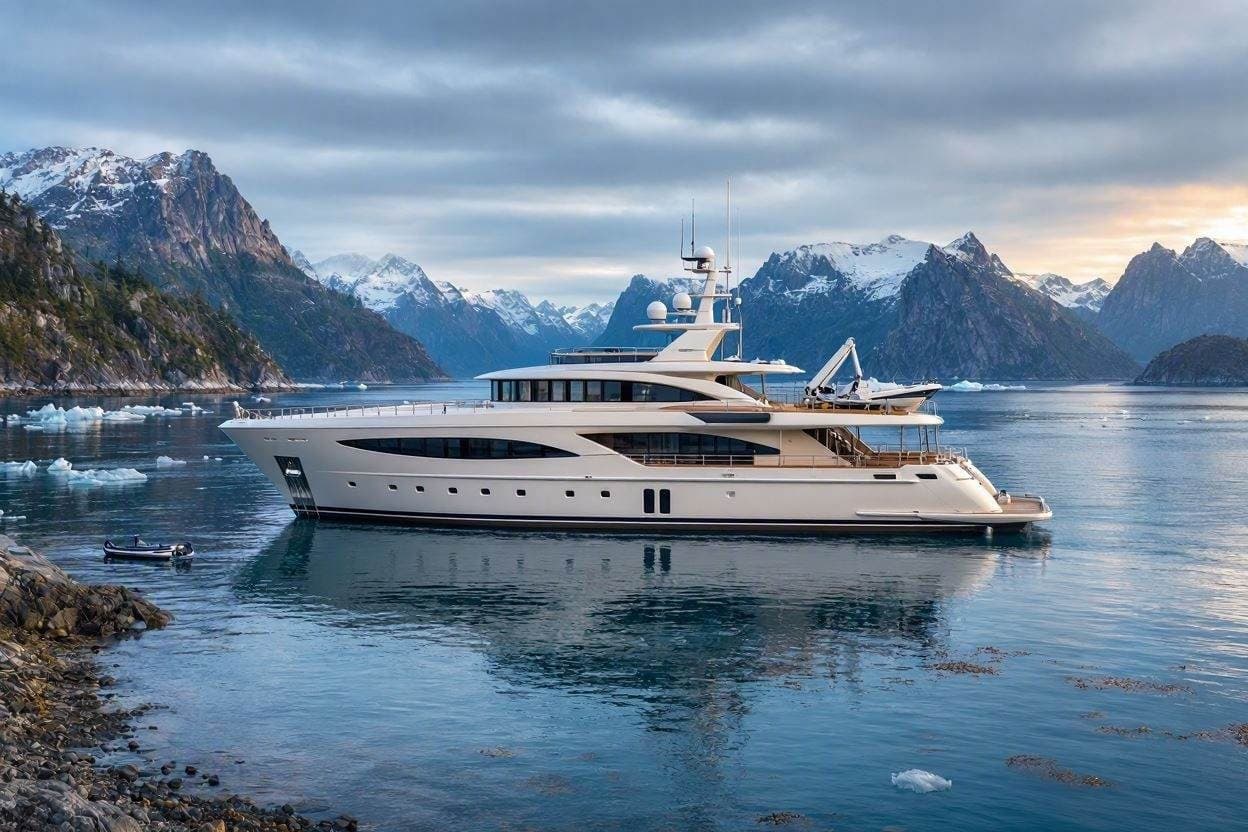
AI Image Disclaimer: Visuals associated with this article are AI-generated to illustrate the themes of maritime safety and technology.
Sources: Forbes CTV News TribLIVE
Published by Banx Network. This article is part of the Banx decentralized media programme, powered by the BXE token on the XRP Ledger.