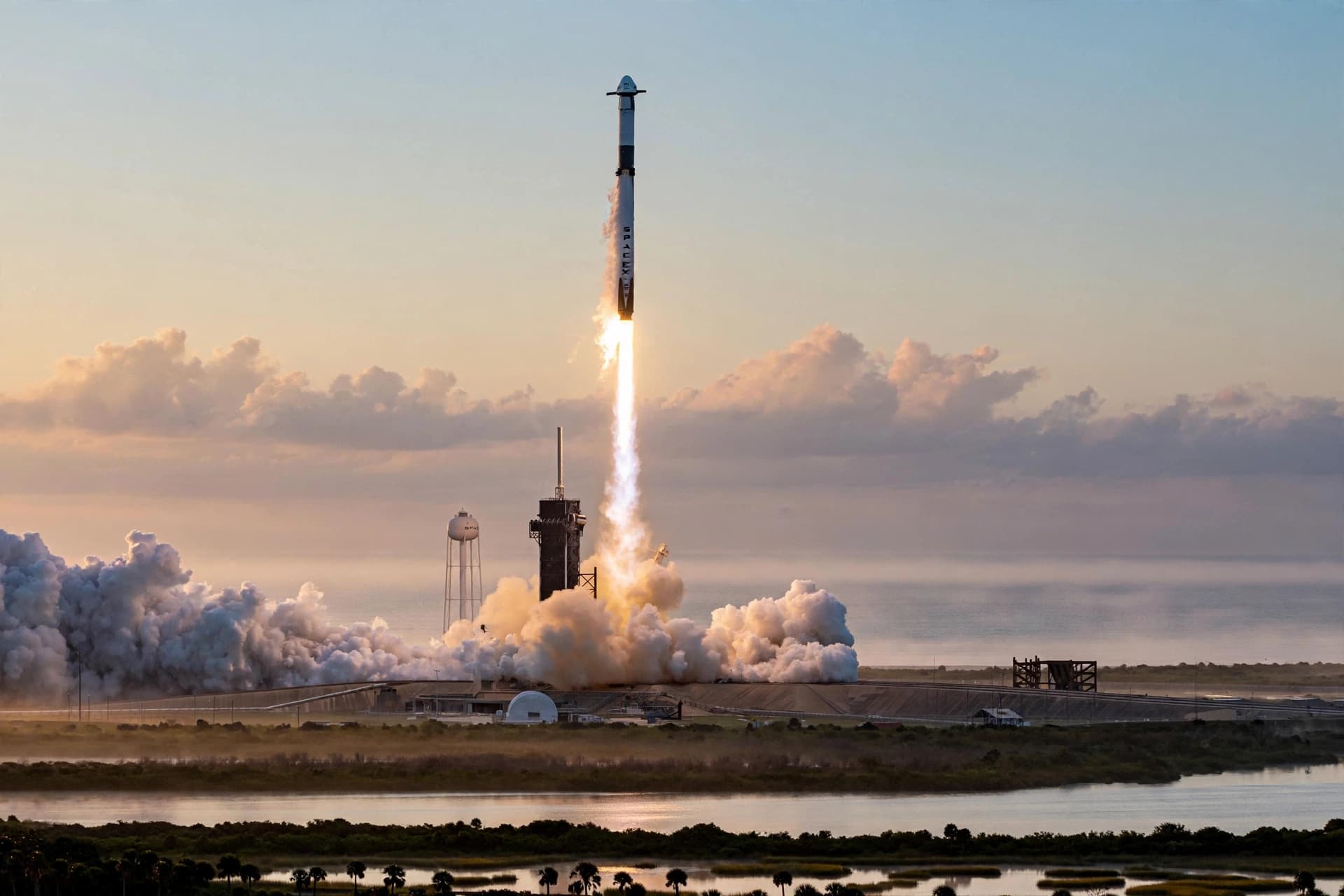
The night sky has always been a canvas for human curiosity, with stars serving as distant beacons of mystery and possibility. Among them, Alpha Centauri shines as our nearest celestial neighbor, a mere 4.24 light-years away. Yet, this proximity is deceptive; with current propulsion technology, a journey there would take roughly 75,000 years, far beyond the span of a human lifetime. This vast distance invites reflection on the limits of our current capabilities and the boundless potential of future innovation. It is a reminder that while we are grounded on Earth, our aspirations reach for the stars.
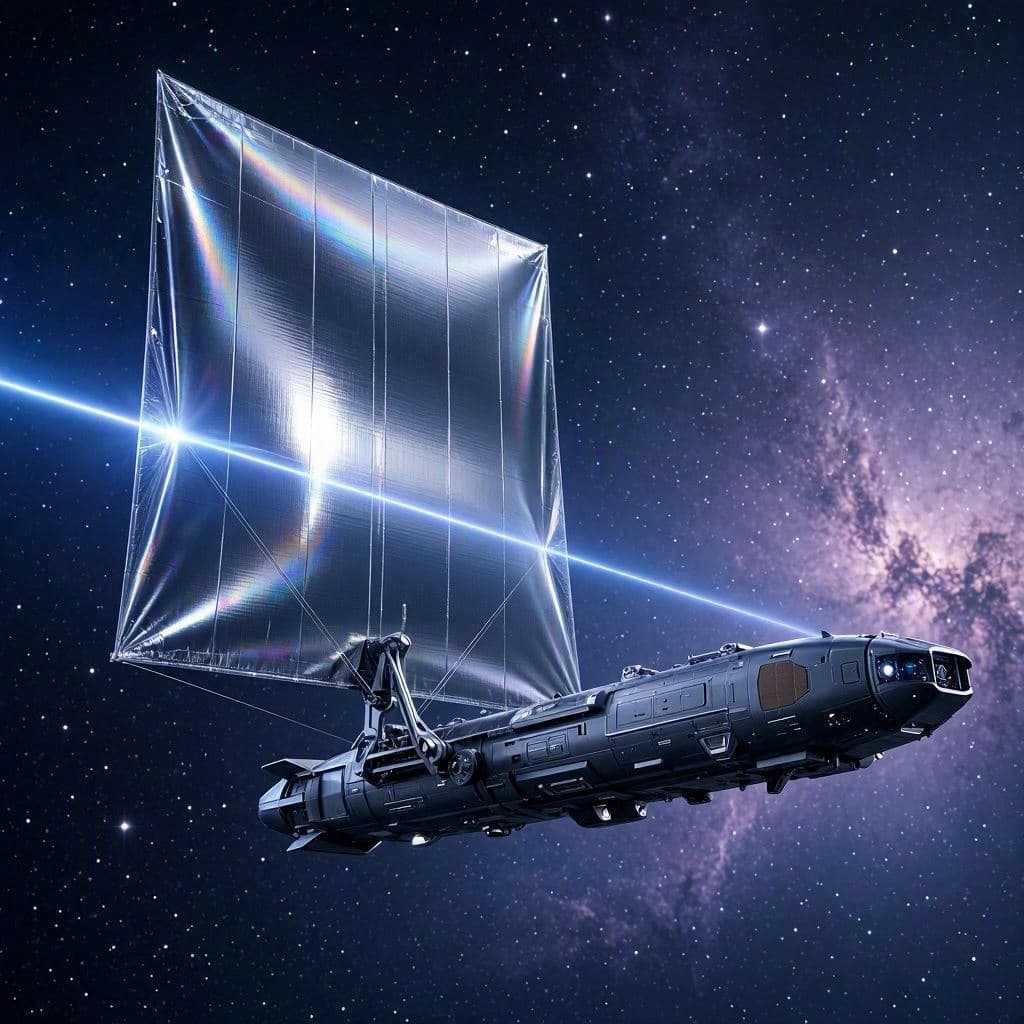
Recent advancements in theoretical physics and engineering have proposed a solution to this temporal barrier: the laser sail. By using powerful ground-based lasers to push a lightweight, reflective sail, a spacecraft could accelerate to a significant fraction of the speed of light. This method could reduce the travel time to Alpha Centauri from millennia to just a few decades. Such a breakthrough would transform interstellar travel from a dream into a tangible goal, opening new frontiers for exploration.
The target of such a mission would likely be Proxima Centauri b, an Earth-sized planet within the habitable zone of the star Proxima Centauri. The possibility of life on this world has captivated scientists and the public alike. However, despite its promising location, confirmation of life remains elusive. Current telescopes lack the resolution to detect biosignatures definitively, leaving the question unanswered. The search for life beyond Earth continues to drive scientific inquiry.
The development of laser sail technology is not without challenges. Maintaining the integrity of the sail under intense laser pressure, ensuring precise navigation over vast distances, and communicating data back to Earth are significant hurdles. Researchers are working on innovative materials and communication systems to address these issues. Each step forward brings us closer to overcoming the obstacles of deep space.
For the scientific community, the prospect of reaching another star system is a monumental motivator. It represents a leap in our understanding of the universe and our place within it. Collaborative efforts between governments, private companies, and academic institutions are accelerating progress. The spirit of exploration is alive and well.
As we look to the future, the journey to Alpha Centauri serves as a symbol of human ingenuity. It reminds us that with patience, investment, and creativity, even the most daunting challenges can be addressed. The stars are no longer just points of light but destinations waiting to be explored. Hope fuels the voyage.
Alpha Centauri remains our closest star system, but reaching it requires technological leaps like laser sails, which could cut travel time to decades. While life on Proxima b is unconfirmed, the pursuit of interstellar travel continues to inspire scientific advancement. The hope is for continued innovation and eventual discovery.
AI Image Disclaimer: The visual elements accompanying this report are AI-generated interpretations designed to reflect the astronomical and futuristic context of the story.
Sources: SpaceDaily EarthSky 19fortyfive
Published by Banx Network. This article is part of the Banx decentralized media programme, powered by the BXE token on the XRP Ledger.