In the hush of a distant world, where rust‑colored sands drift beneath thin skies, the rovers we build become quiet storytellers. They trundle over ancient soils, drill into rocks that have known billions of years, and send back whispers in the form of chemical signatures and grainy panoramas. On Mars, the narrative has always been one of patience — patience in seeking patterns, in deciphering clues, in listening carefully to what the planet might be telling us through its rocks and minerals.
Here on Earth, life bursts into view in forests and oceans, and its signs are vivid. On Mars, the evidence is not bold, but rather subtle — faint traces captured in a rock sample, organic molecules woven into clay‑rich stone, curious nodules and mineral patches that invite interpretation. Scientists working with data from NASA’s Mars rovers are now considering explanations that bring them closer than ever to the possibility that something once living may have touched the Red Planet’s distant past.
Earlier this year, researchers from NASA’s Goddard Space Flight Center published an analysis suggesting that the presence of long‑chain carbon molecules — the kind that on Earth are often associated with life’s chemistry — cannot be readily explained by known non‑biological mechanisms alone. These organic compounds, preserved in ancient Martian rock despite the harsh radiation that batters the planet’s surface, are intriguing precisely because they straddle the familiar and the unknown.
We have seen Mars yield organics before, traced by the Curiosity rover as it climbed the slopes of Gale Crater and found hydrocarbons in sedimentary rock that had been laid down when water once flowed. Now, the discovery of even larger organic molecules — like decane and dodecane, fragments akin to those found in fatty acids — adds a new, rich layer to the story. It’s as if Mars is offering a subtle melody rather than a shout, inviting researchers to listen more closely.
And yet, scientists emphasize care in interpretation. Organic molecules can form through both geological and biological processes. On Earth, life crafts complex compounds; but nature, given time and the right conditions, can weave them without life. That uncertainty is why missions like Perseverance are sampling rocks, sealing them in tubes for eventual return to laboratories on Earth, where tools far more sensitive than those on rovers can help unravel what these molecules really mean.
What makes the current findings particularly compelling is not a single smoking gun, but a gathering of small clues — camel‑like silhouettes forming on a distant horizon. These are patterns that gently suggest, without asserting, that ancient life might have once found purchase in Martian waters. Each new measurement, each unexpected compound detected, adds depth to our understanding while reminding us how careful we must be in drawing conclusions.
Science at its best does not leap to conclusions, but builds on what can be tested and revisited. The organic molecules on Mars are a chapter in that unfolding story — a chapter that starts with observation, follows with cautious interpretation, and leaves room for future discovery. Whether or not these signatures ultimately prove biological in origin, they are stepping stones guiding humanity’s long journey to understand our place in the cosmos.
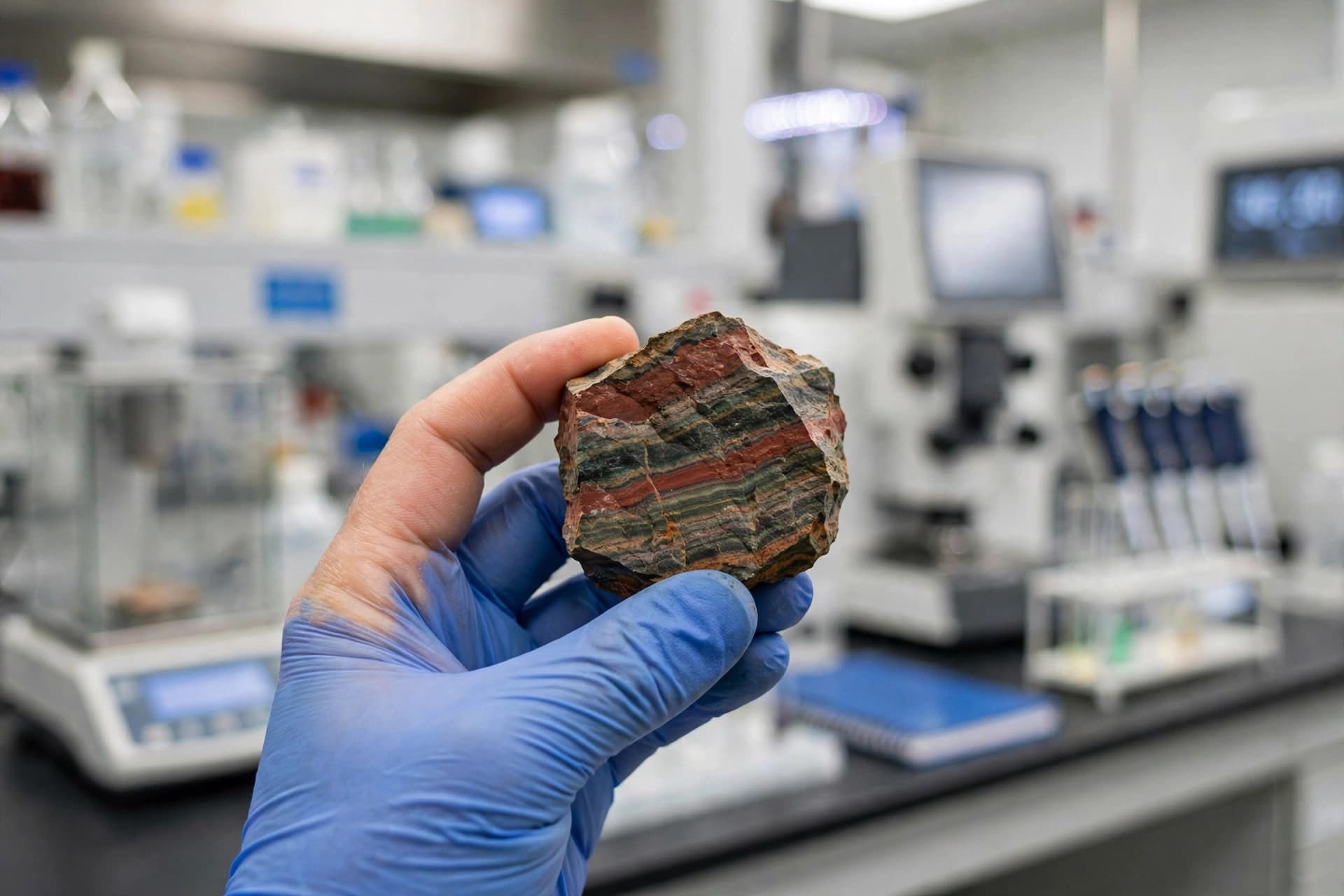
AI Image Disclaimer Illustrations were produced with AI and serve as conceptual depictions.
Source Check (5 credible sources):
Reuters (science news) NASA official news releases ScienceDaily Space.com The Guardian (science coverage)
Published by Banx Network. This article is part of the Banx decentralized media programme, powered by the BXE token on the XRP Ledger.