Mars Isn’t Far — The Path To It Is Just Not Straight
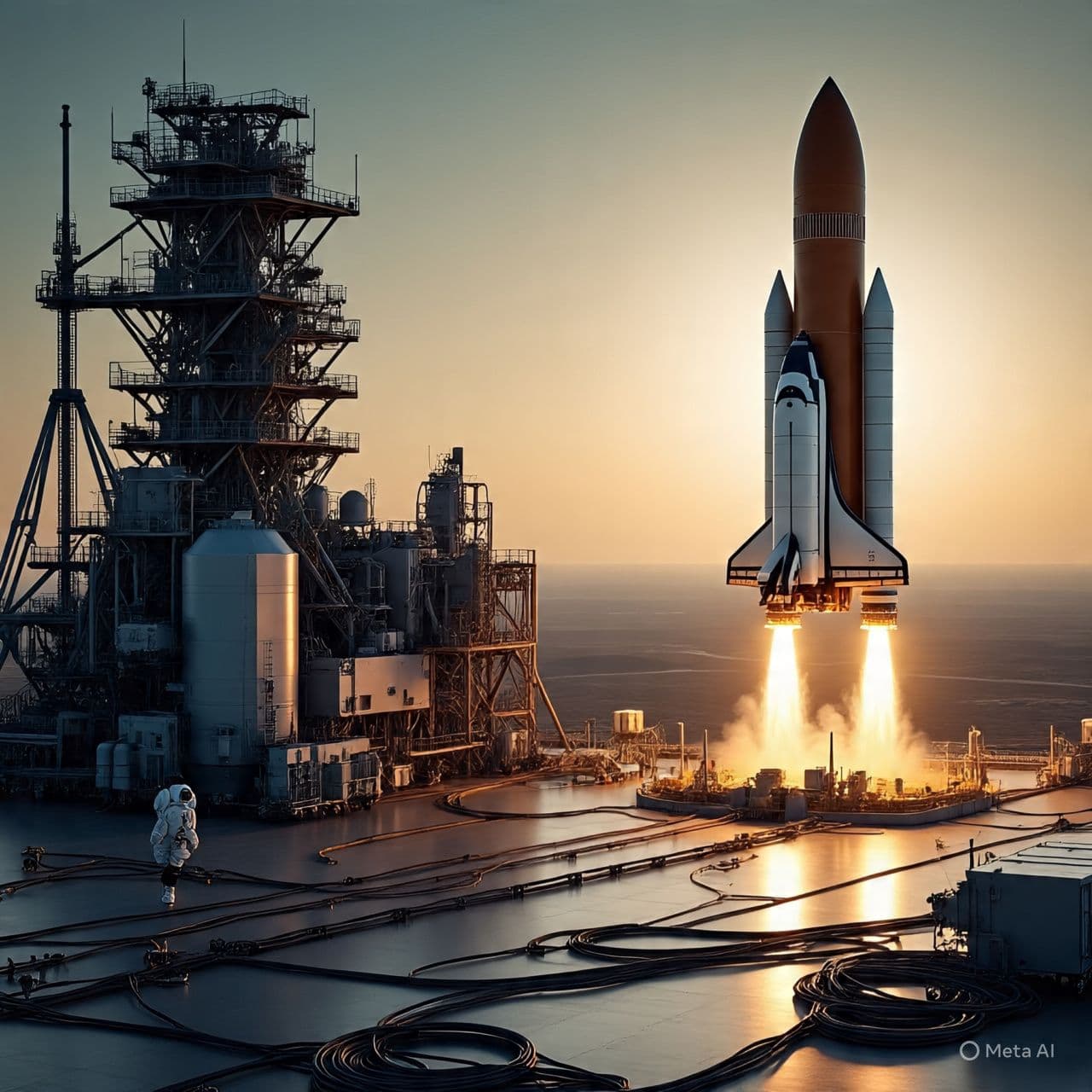
NASA’s upcoming Mars mission will use a winding gravity-assist route to save fuel and enable deeper science — proving modern exploration is about smart paths, not straight ones.

NASA’s upcoming Mars mission will use a winding gravity-assist route to save fuel and enable deeper science — proving modern exploration is about smart paths, not straight ones.

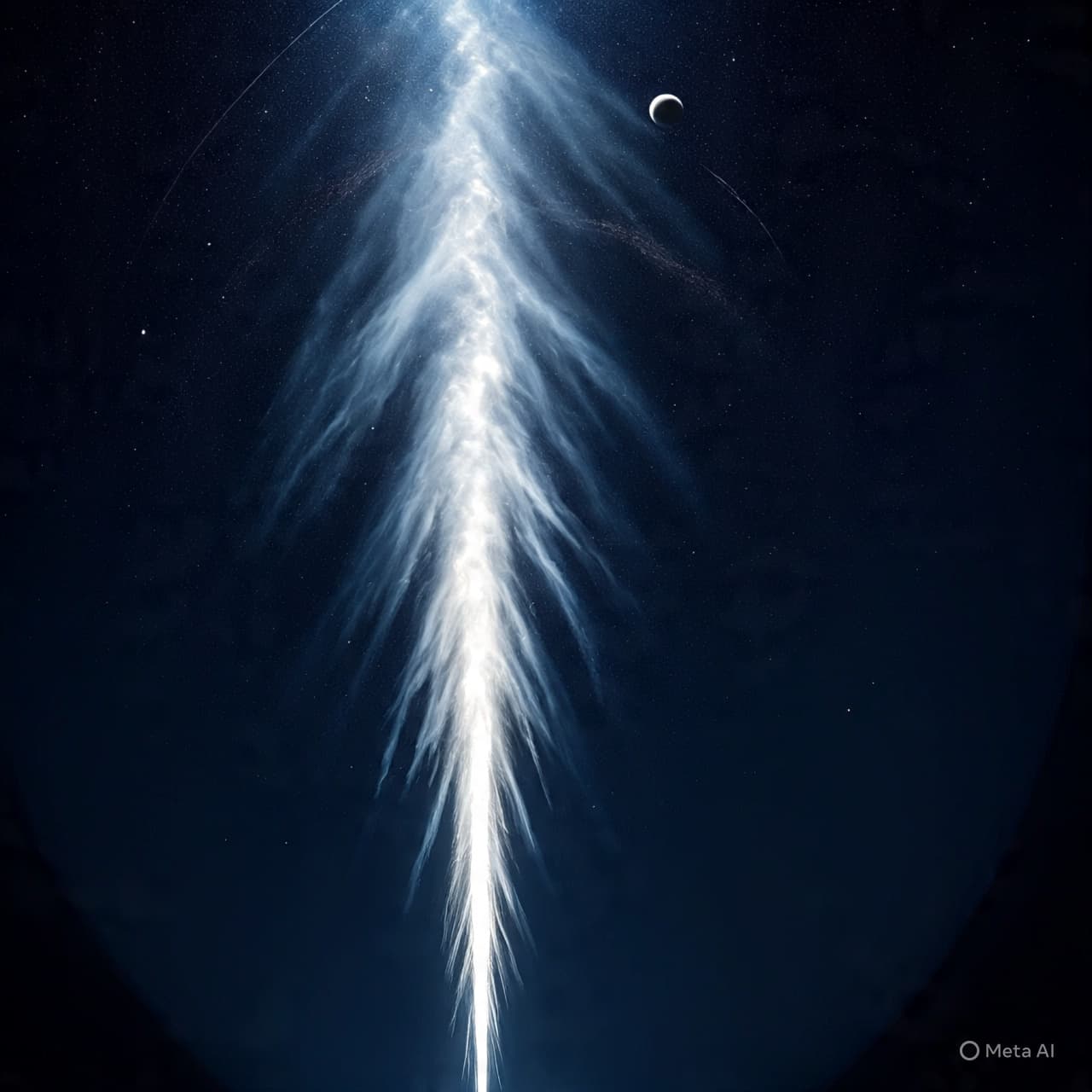
Central Florida residents saw a fireball flash across the night sky — likely a meteor or space debris — creating a brief shared moment of cosmic surprise.

Thermal leakage on Saturn’s moon Enceladus strengthens the case that its subsurface ocean could be chemically active — and potentially habitable.

Measurements indicate that Enceladus is leaking tens of gigawatts of heat through its south pole fissures, implying its subsurface ocean is active and energy‑rich. Combined with water and organic chemistry found in its plumes, this strengthens the moon’s potential as one of the most habitable places beyond Earth.

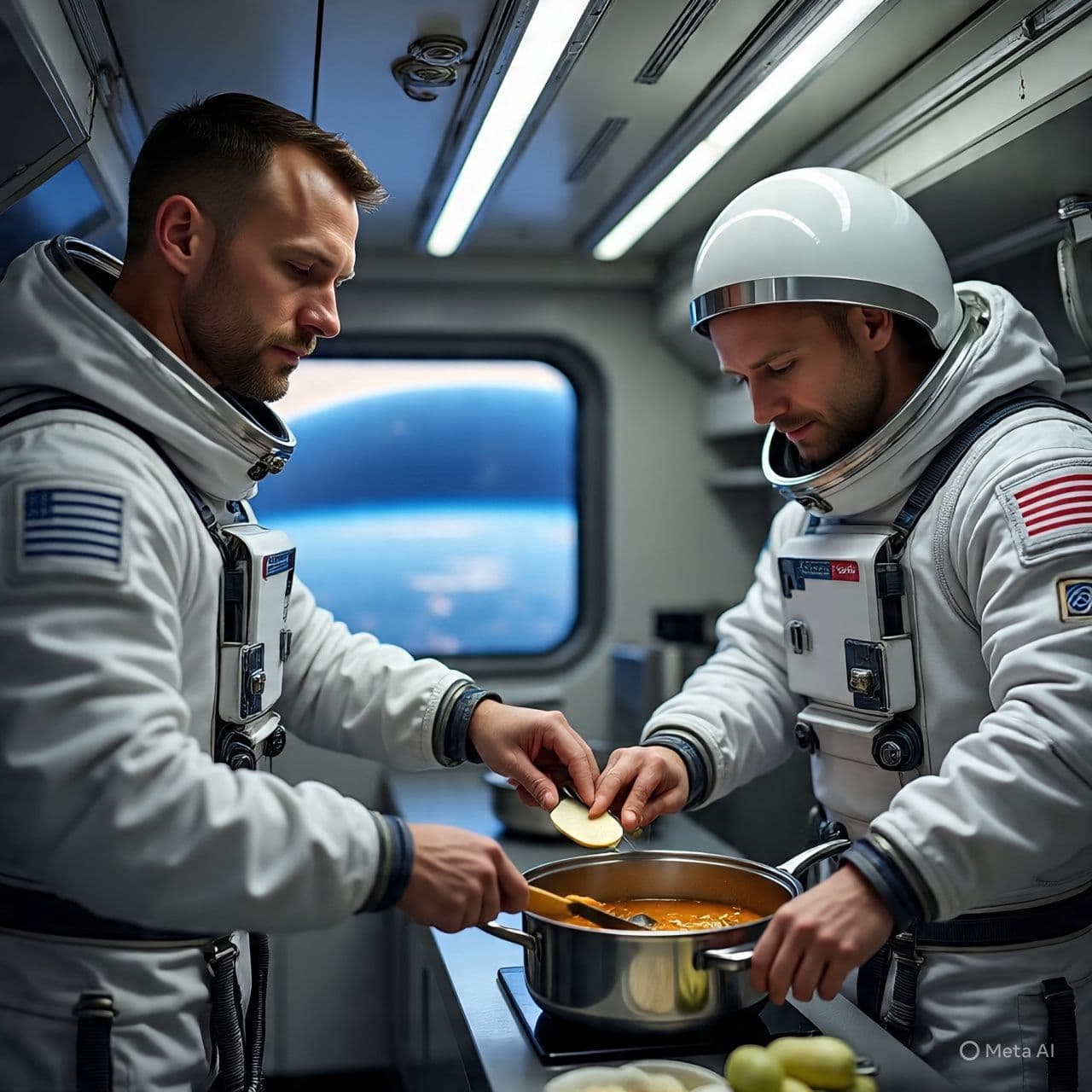
Chinese astronauts baked chicken wings aboard their space station, showcasing a small but symbolic advancement in comfort-style food prep in microgravity.

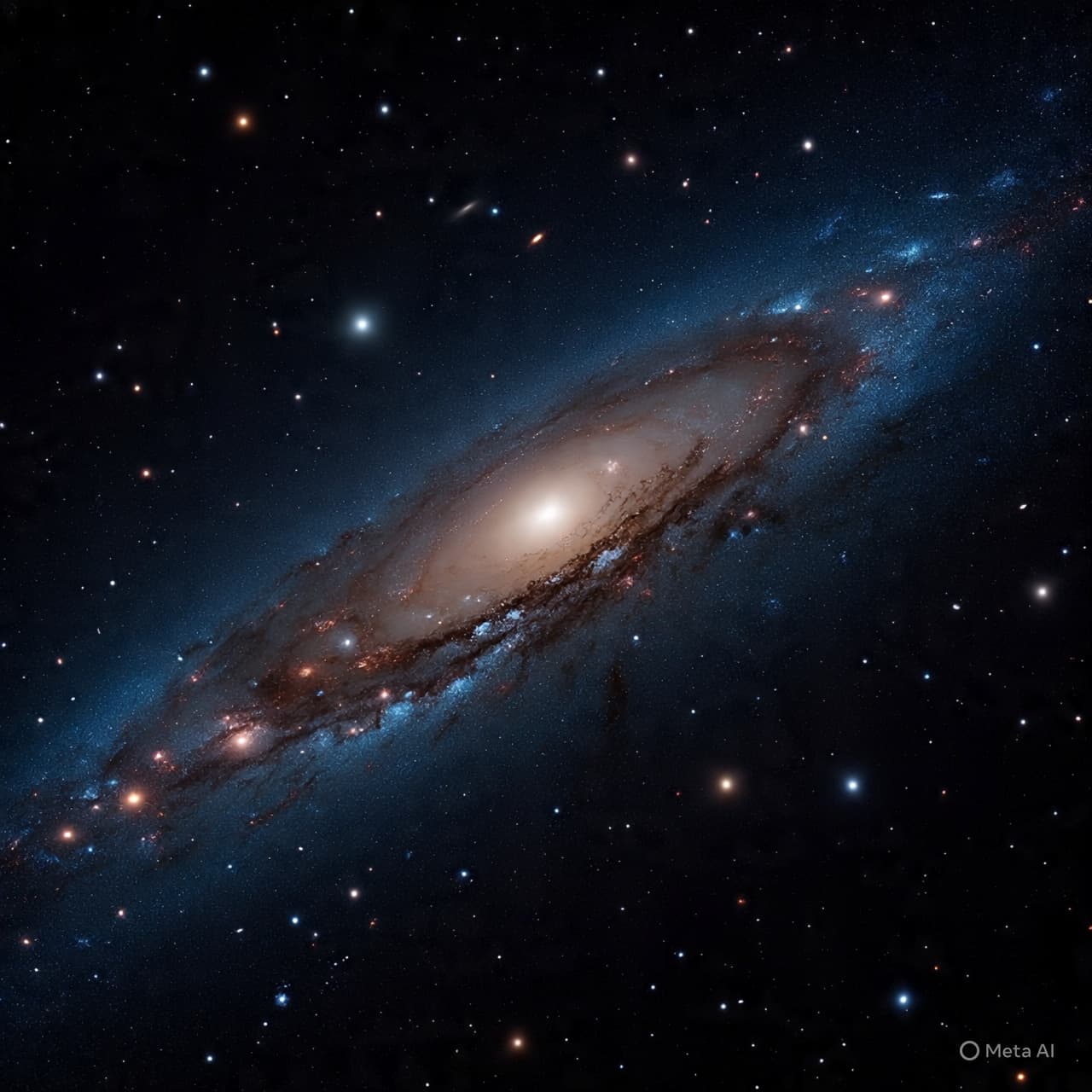
New research challenges the long-held view that cosmic expansion is accelerating, suggesting the universe’s growth may be slowing.

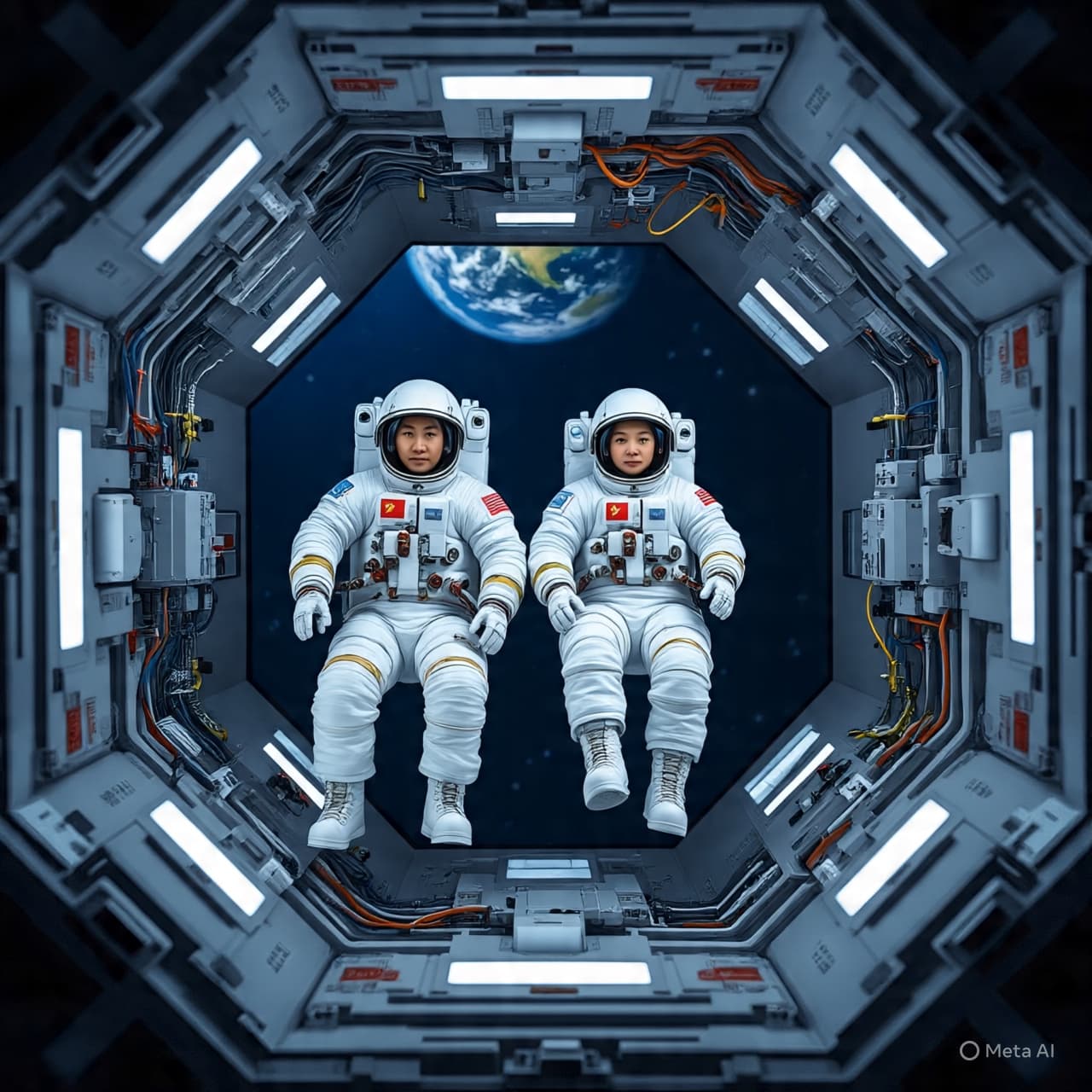
Debris struck a Chinese return capsule, leaving three astronauts unable to come home while engineers race to design a workable extraction plan.

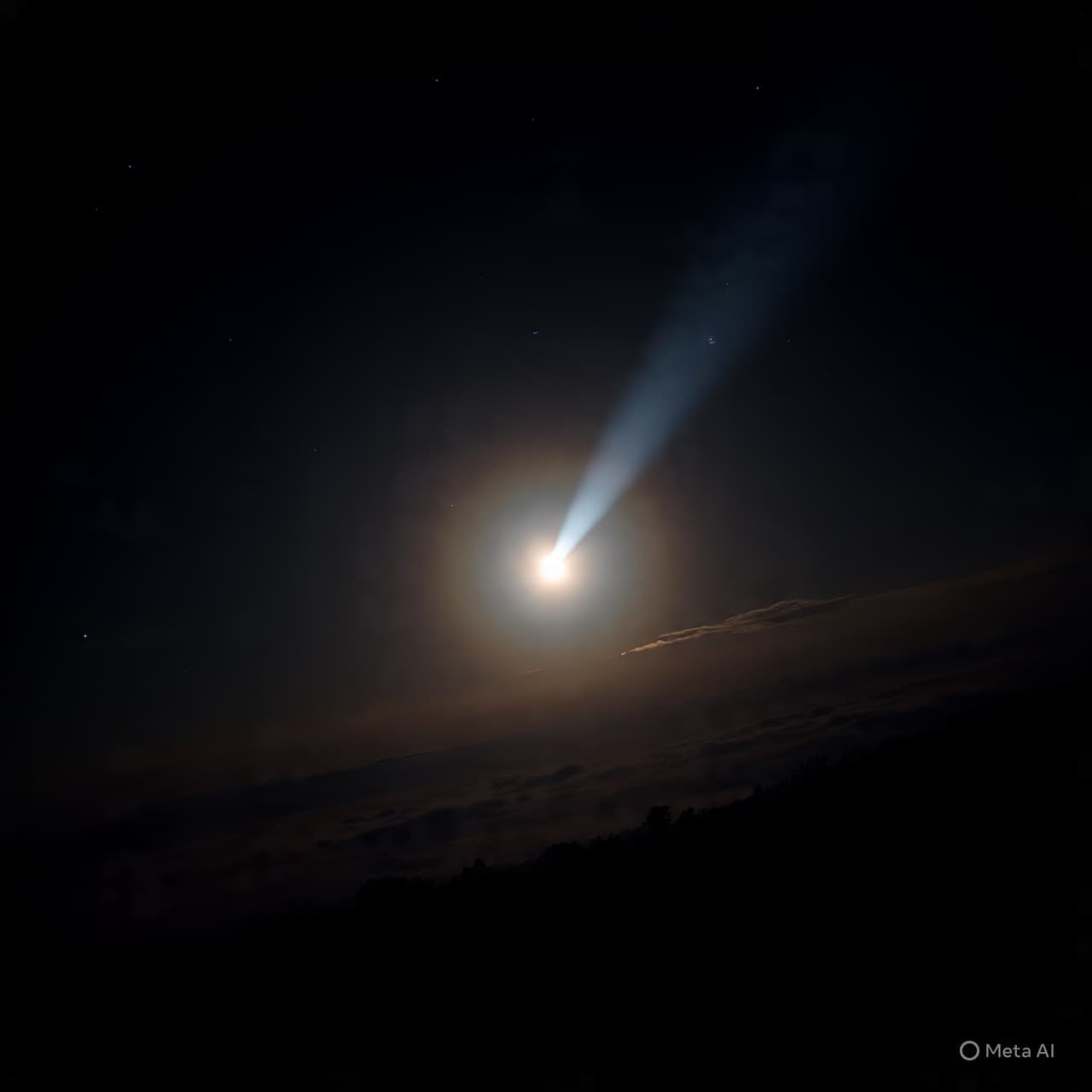
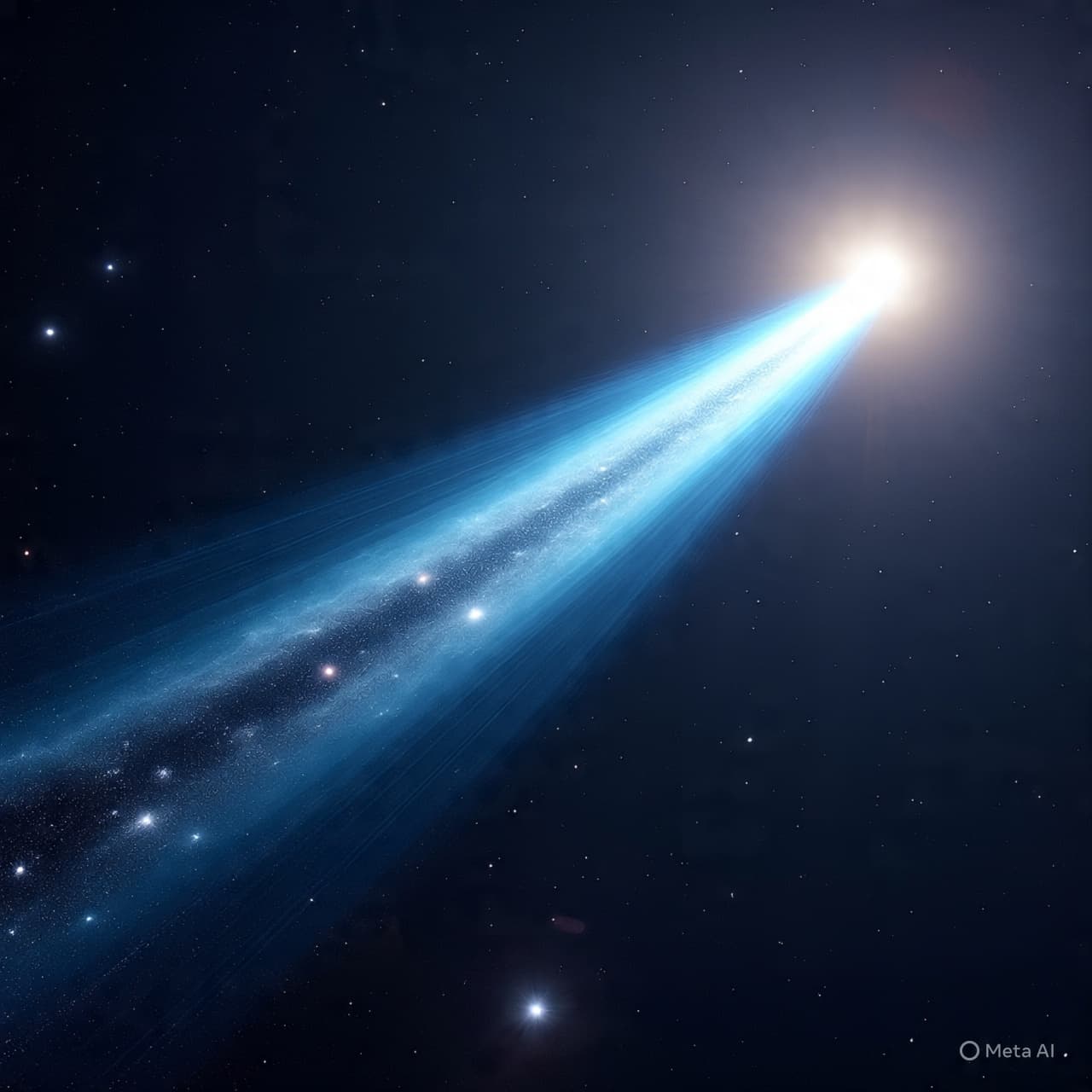
The interstellar comet 3I/ATLAS reached perihelion without a prominent tail, raising subtle questions about its behaviour and offering a quiet window into the nature of interstellar visitors.

This week offers a rare chance to see the year’s brightest supermoon, combined with meteor showers grilling the skies — here’s how and when to catch the show.

Tesla is asking shareholders to approve a massive pay package for Musk tied to AI and robotics milestones, while Musk increasingly focuses his energy on AI ventures beyond the carmaker.

The largest supermoon of the year arrives Wednesday night, offering a brief global moment of shared wonder for anyone who chooses to look up.

New measurements show an Antarctic glacier retreating 10x faster than earlier estimates, revealing a future where sea level rise is faster and less theoretical.

JWST’s infrared view of the Red Spider Nebula reveals hot dust around the central star, massive leg-like lobes spanning ~3 light-years, and strong evidence of a hidden stellar companion shaping its structure.

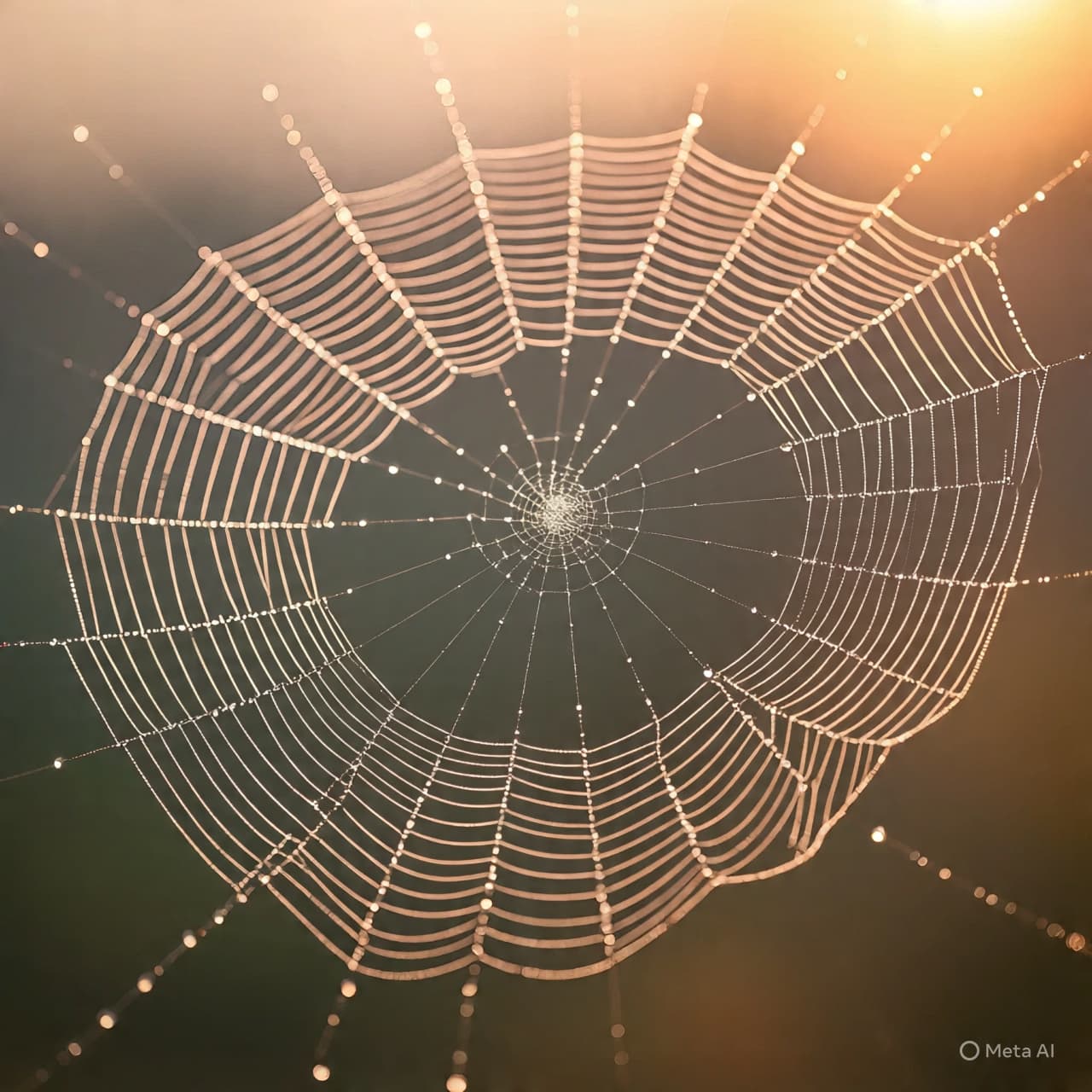
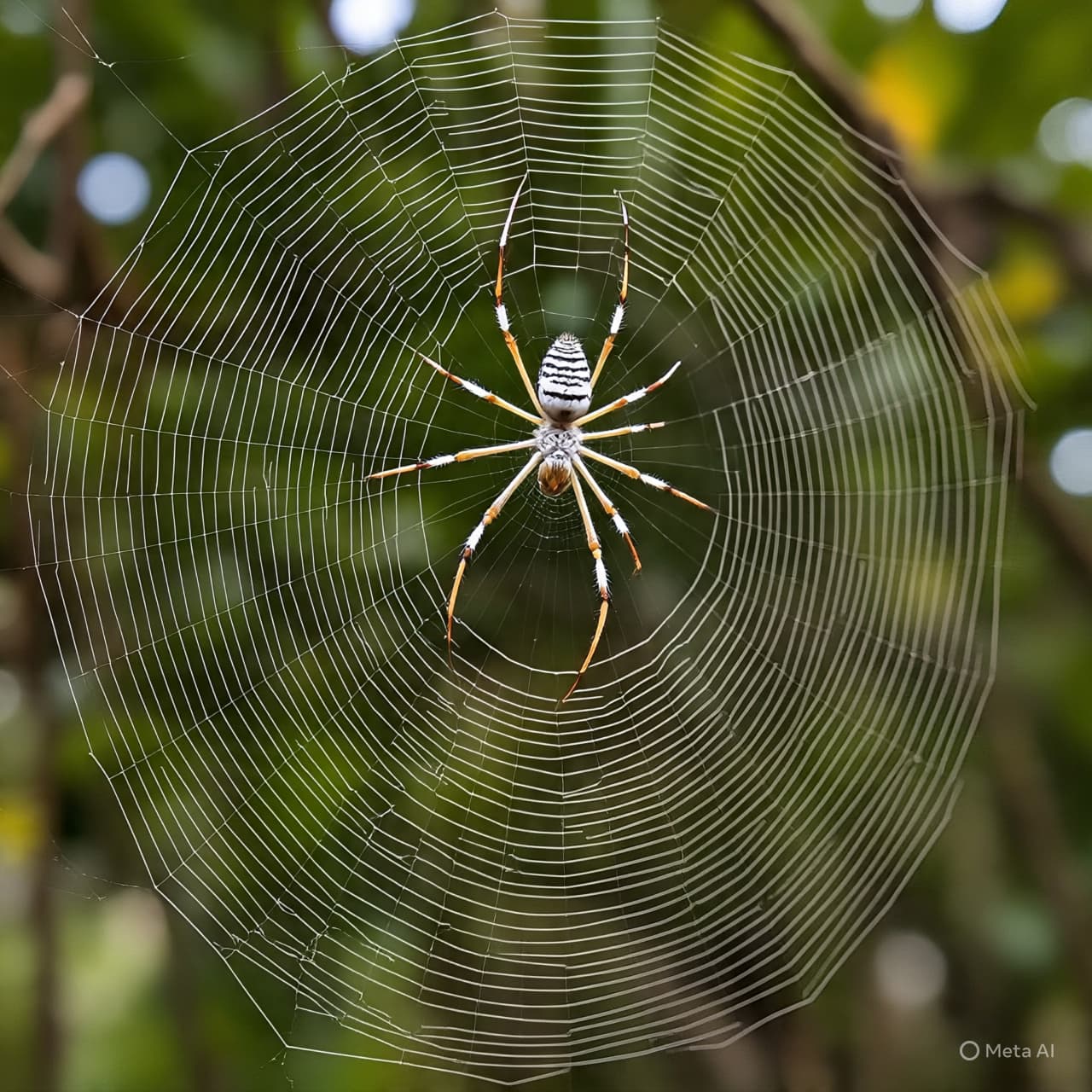
The presence of zigzag stabilimenta in spider webs appears less capricious than once thought: recent findings suggest they enhance the mechanical sensing of prey

NASA confirms both SpaceX and Blue Origin have submitted proposals to accelerate crewed lunar return plans, signaling a new phase in America’s corporate-driven Moon race.

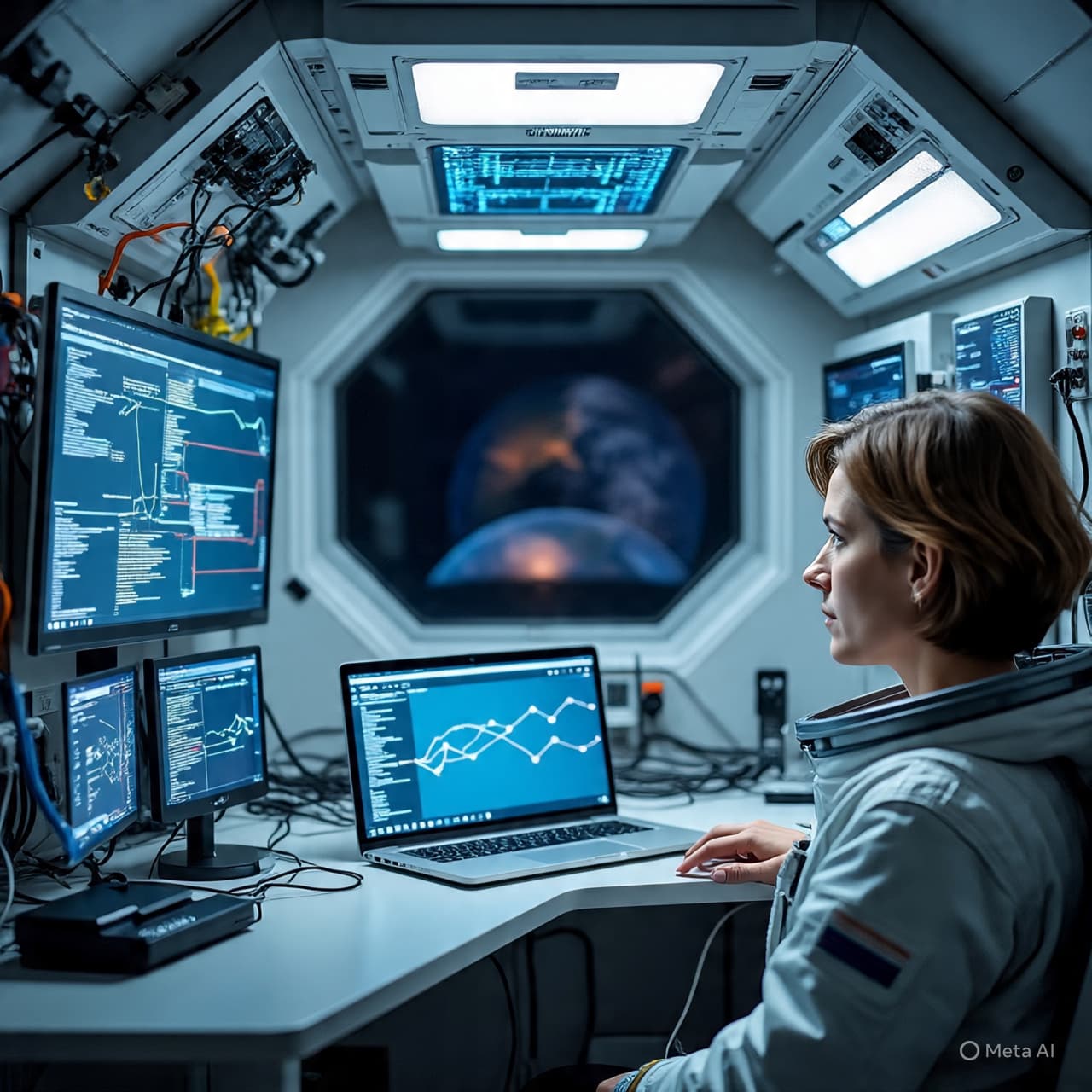
ISS National Lab research is advancing delay-tolerant networking, helping build the communication backbone needed for future interplanetary internet

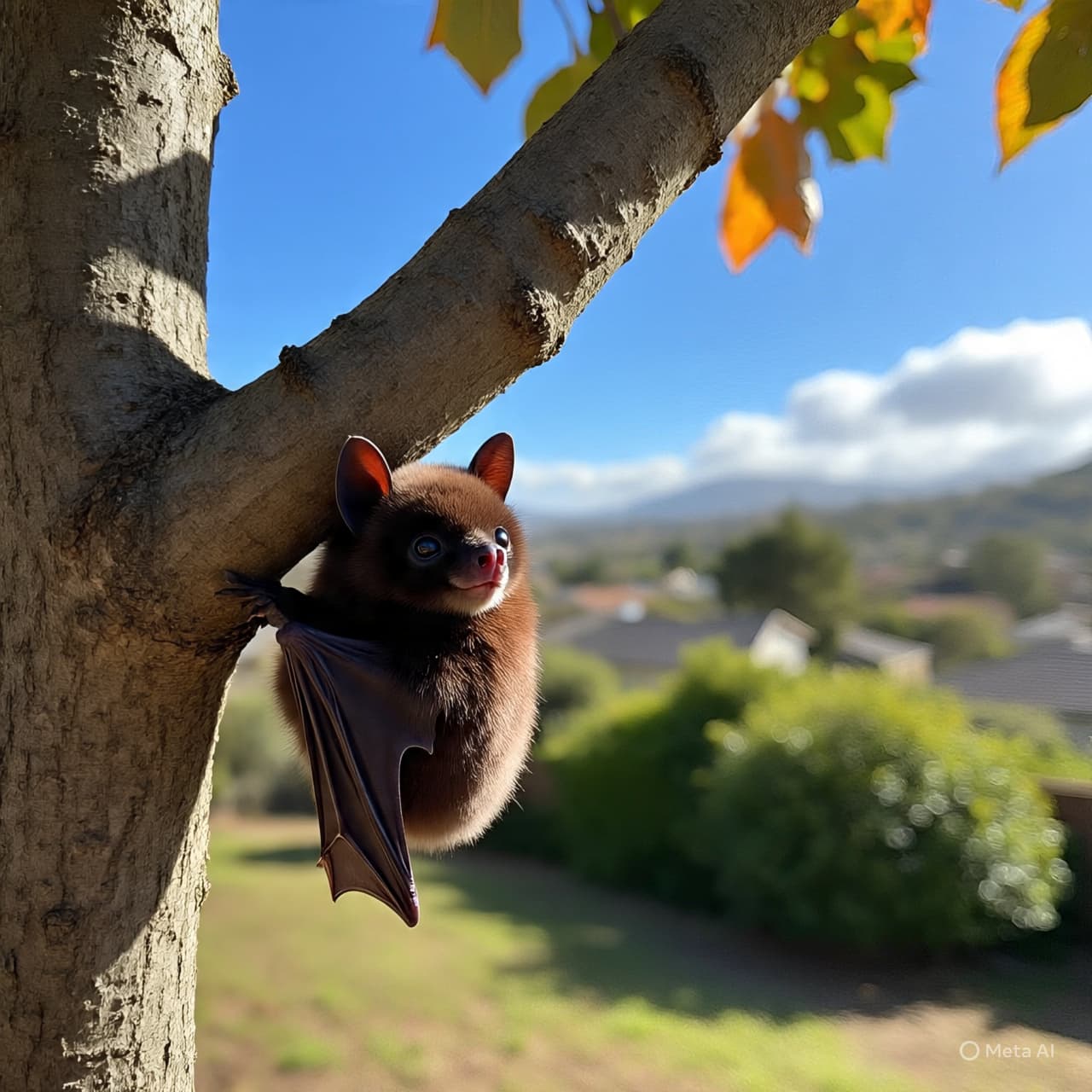
A bat in San Mateo County tested positive for rabies, prompting officials to remind residents to avoid wildlife contact and seek care fast if exposure is possible.

Kenya is projected to lead the world in internet ad market growth, driven by mobile-first consumers and fast adoption of digital commerce.

JWST reveals the Red Spider Nebula’s glowing central star hidden in dust and hints at a binary companion sculpting its hour-glass outflows—bringing clarity to how Sun-like stars die.

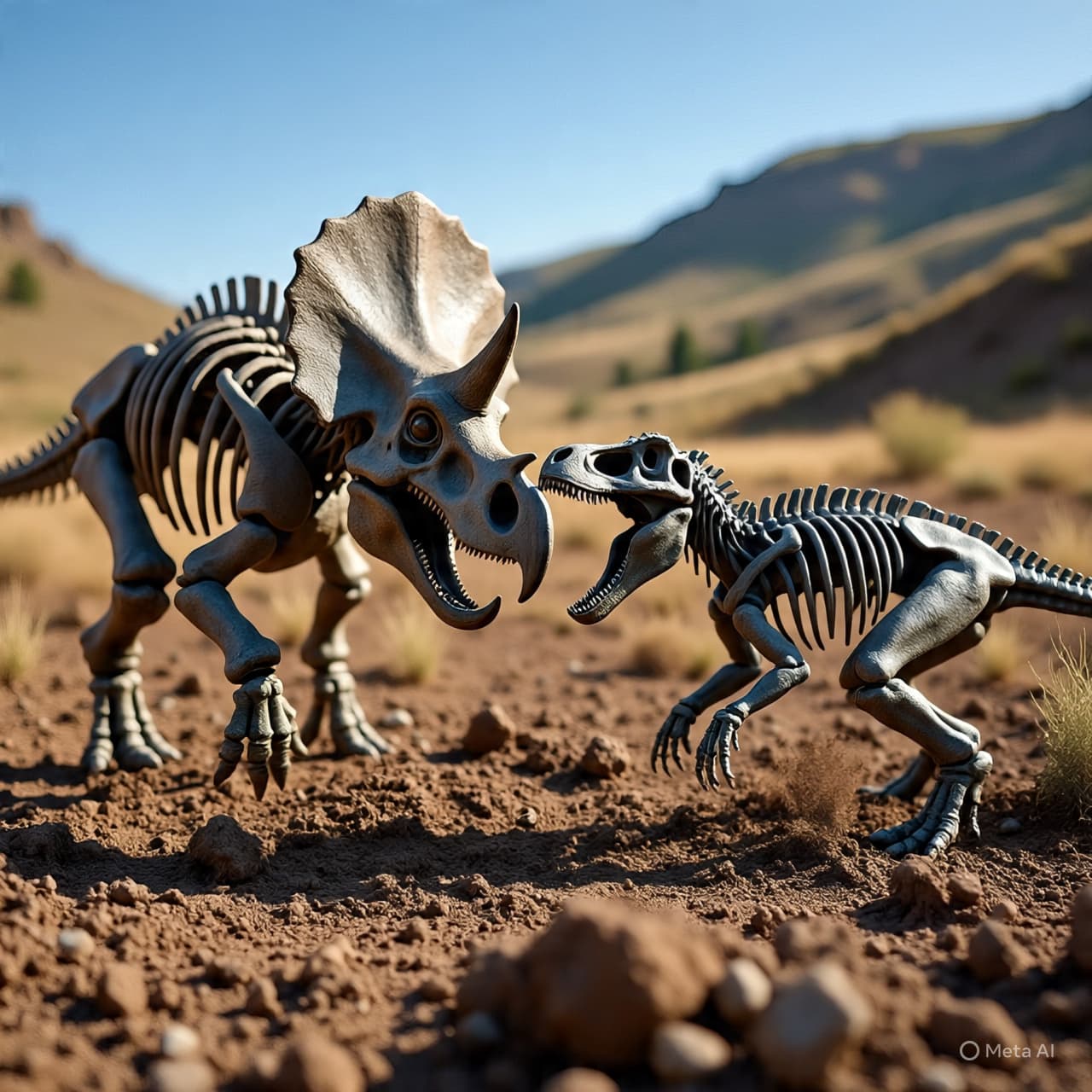
Recent fossil analysis shows what was thought to be a teenage Tyrannosaurus rex is actually a full-grown separate species

The interstellar object 3I/ATLAS is showing unexpected behavior — including a marked color shift and unusual trajectory change near perihelion — raising questions about its nature.

SpaceX proposes a streamlined lunar‐landing architecture for Starship to accelerate human missions to the Moon, defending its progress amid NASA scrutiny.

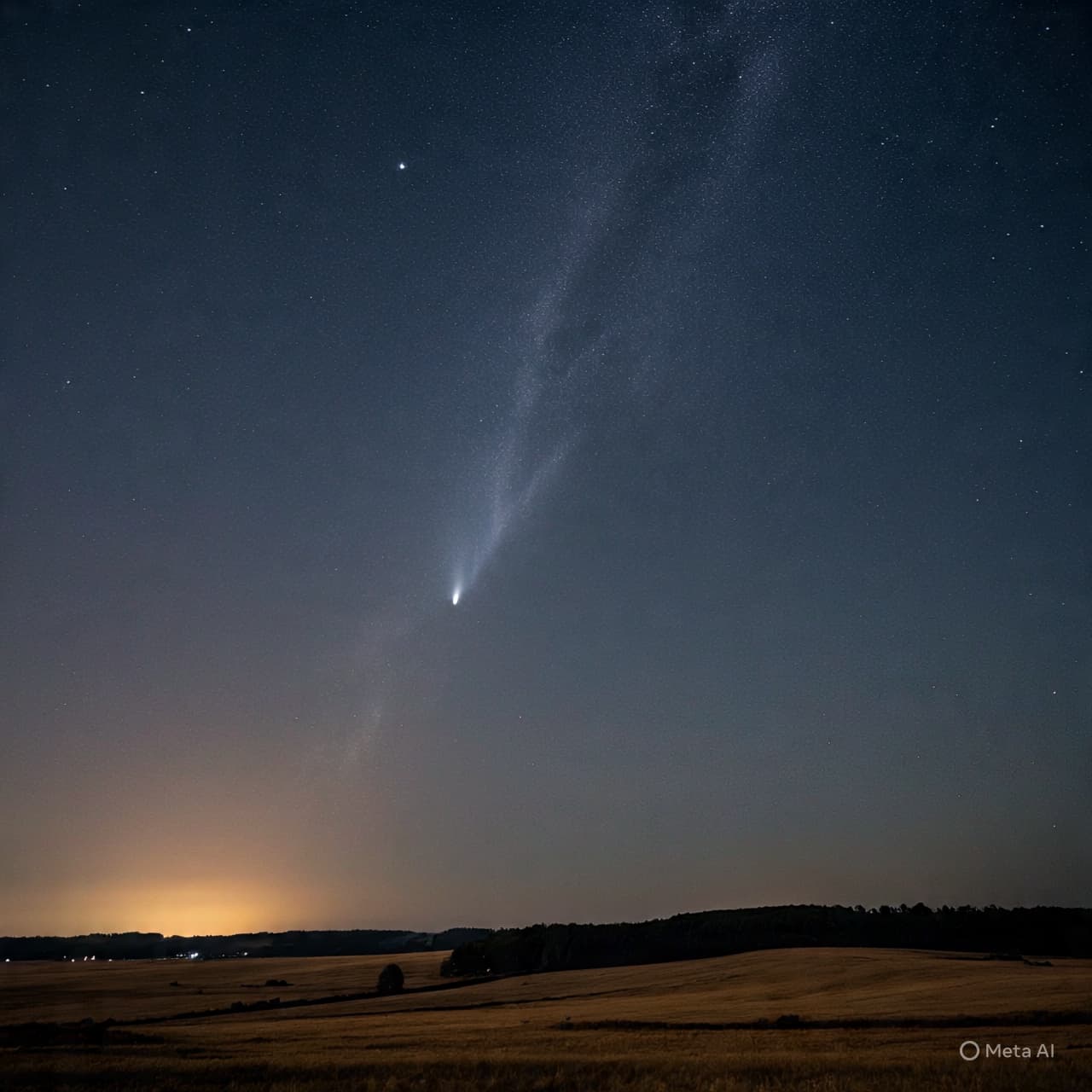
A glowing meteor trail captured alongside Comet C/2025 A6 (Lemmon) created a striking visual effect, appearing to coil around the comet’s tail—an atmospheric phenomenon and celestial coincidence

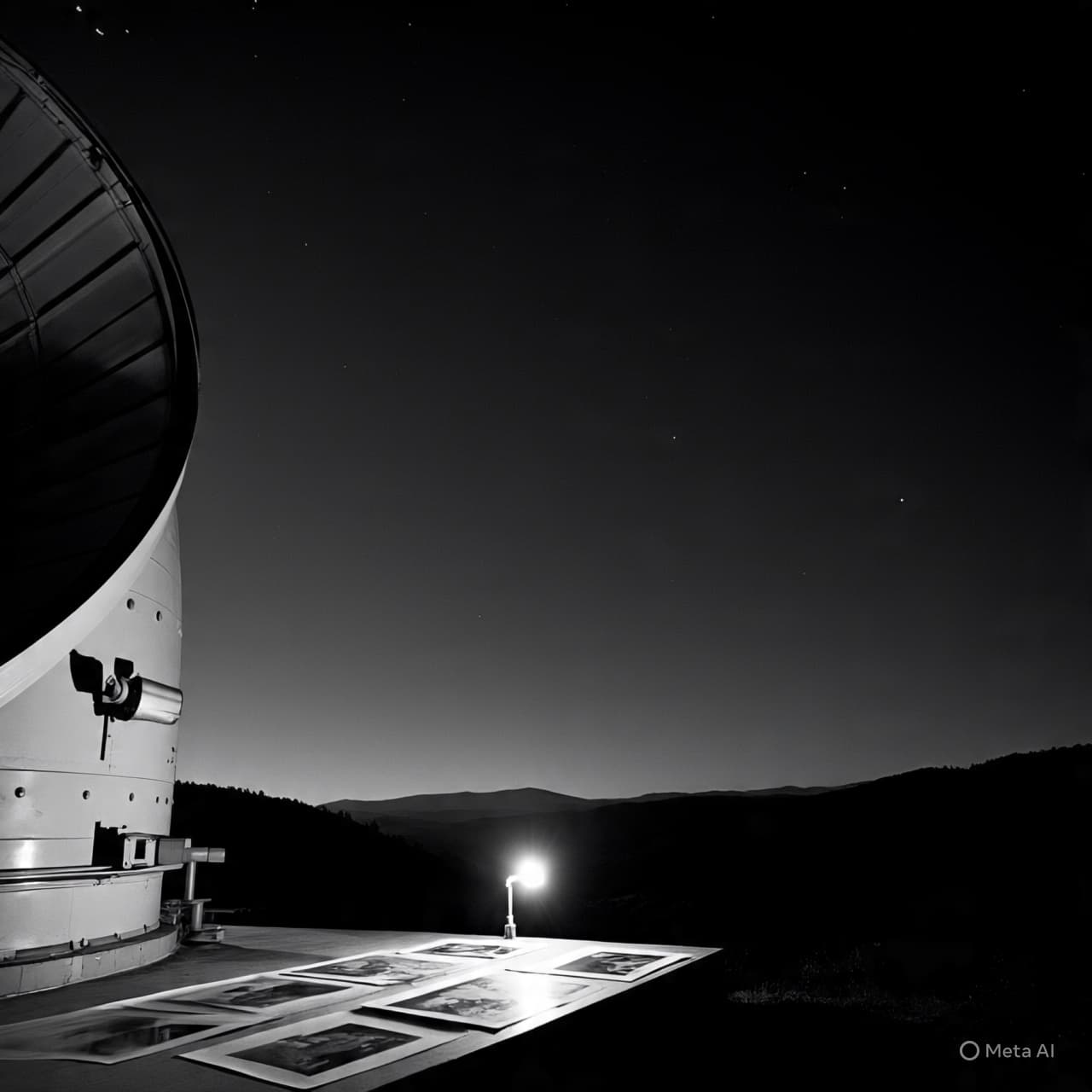
A new study links faint star-like flashes captured in 1950s sky photographs with above-ground nuclear tests, suggesting unknown atmospheric or near-space phenomena triggered around blast times.