The Routine Miracle of Space: SpaceX Adds 28 Satellites to Its Constellation”
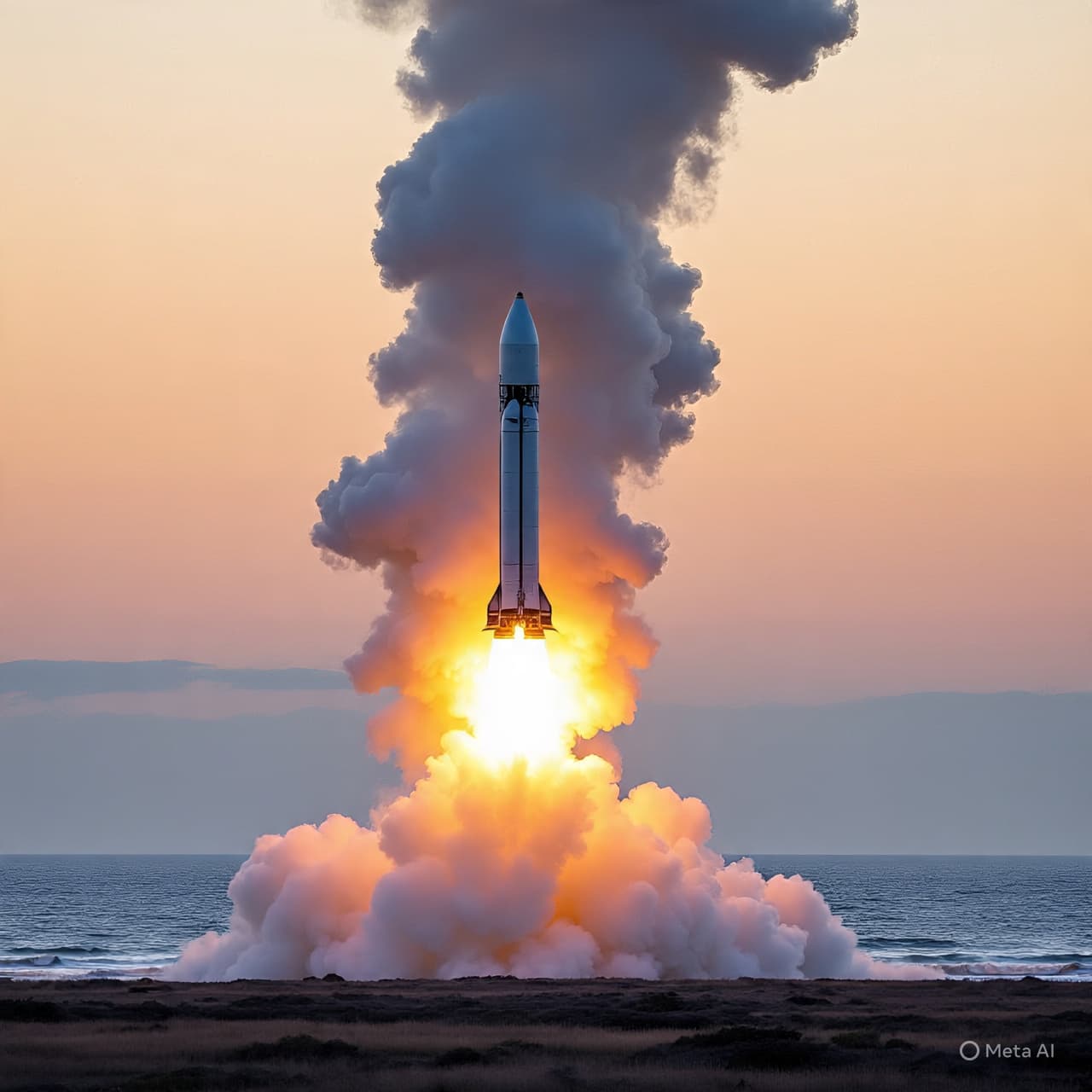
SpaceX launched 28 Starlink satellites from California, landing its Falcon 9 booster at sea and extending its record-breaking pace of orbital missions.

SpaceX launched 28 Starlink satellites from California, landing its Falcon 9 booster at sea and extending its record-breaking pace of orbital missions.

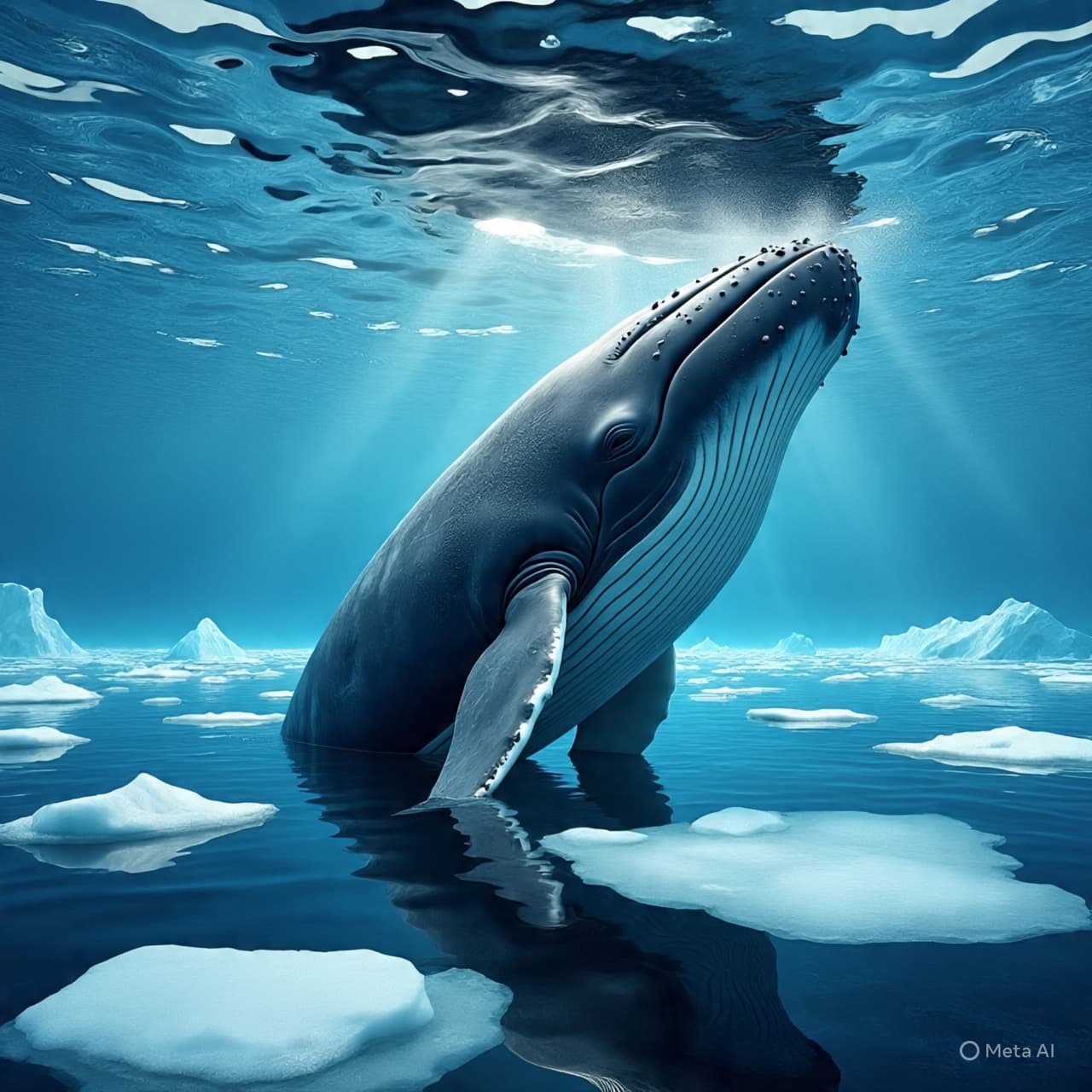
The bowhead whale’s 200-year lifespan, driven by exceptional DNA repair, offers clues that may someday inform human ageing therapies—but applying these mechanisms to people remains a long, careful journey.

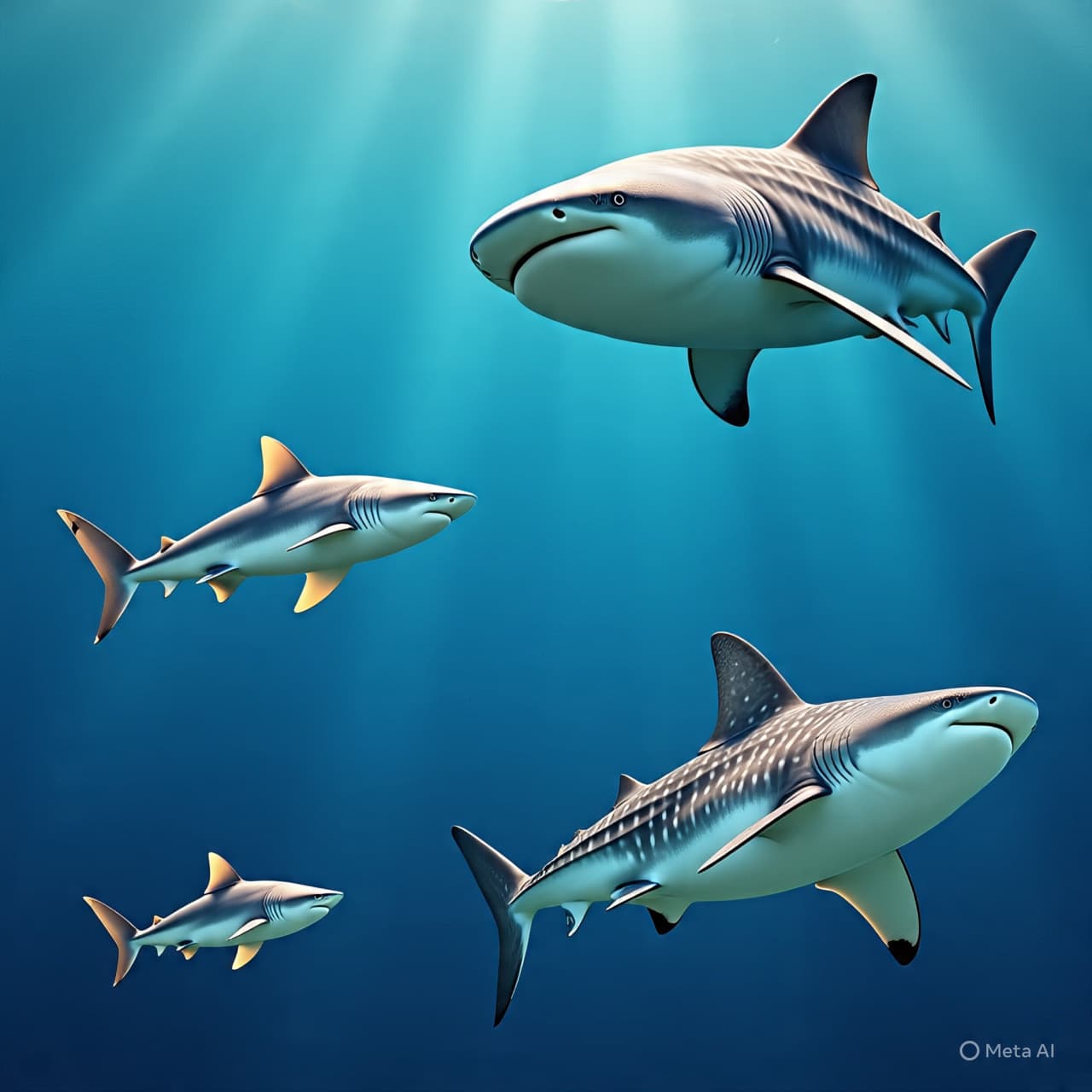
Shark bodies scaling with volume to the two-thirds power suggest underlying developmental or physiological constraints on evolution across diverse species.

Harvard conservatives say fear of backlash silences their views. Students report academic bias and social isolation, igniting debate on free speech and campus political balance.

DNA from Napoleon’s soldiers’ teeth reveals typhus and trench fever were major killers during the army’s retreat from Russia in 1812.

Researchers at National Taiwan University developed a fatty acid serum that restored hair growth in mice within 20 days by mimicking natural skin regeneration.

Japan’s JAXA launches its new HTV-X cargo spacecraft to the ISS, marking a new chapter of precision, partnership, and progress in orbital logistics.

Iceland has recorded mosquitoes for the first time, as warming temperatures enable cold-resistant species to survive through winter indoors.

A Queensland river known for crocodiles has been approved for Olympic rowing and canoeing after passing environmental and safety assessments.

Airbus, Leonardo, and Thales are in talks to merge their space divisions, forming a European aerospace giant to compete with SpaceX’s growing dominance

The world’s median age is now 30.9 years, with Africa the youngest region and Europe and East Asia aging fastest, reflecting global demographic contrasts.

Global figures including Wozniak, Branson, and the Duke and Duchess of Sussex call for a halt to developing superintelligent AI until safety is proven

An Indian study finds movie genre preferences correlate with personality traits, linking extroversion to thrill-seeking films and introversion to emotional ones.

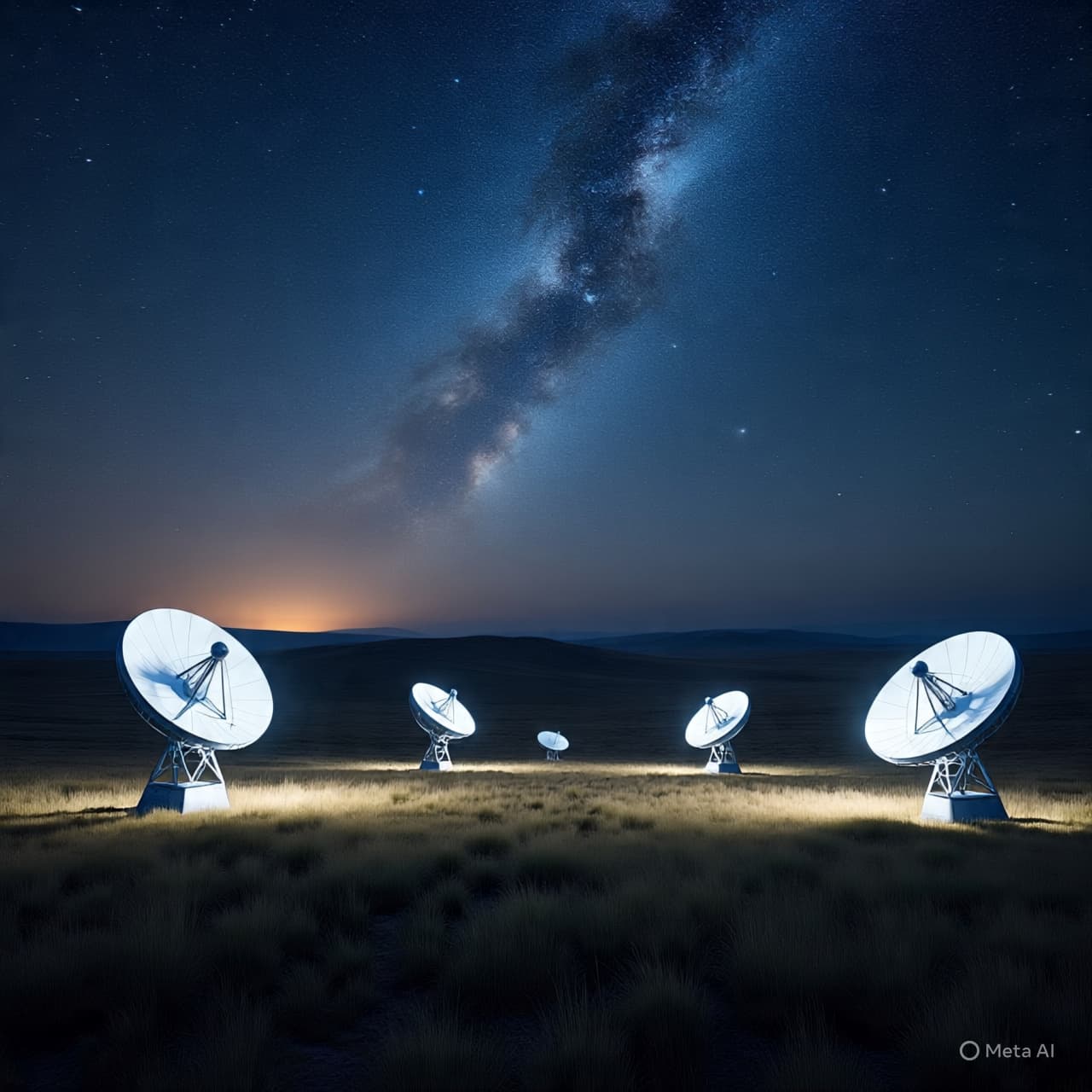
The International Academy of Astronautics now forbids scientists from replying to alien signals before a UN-led global discussion.

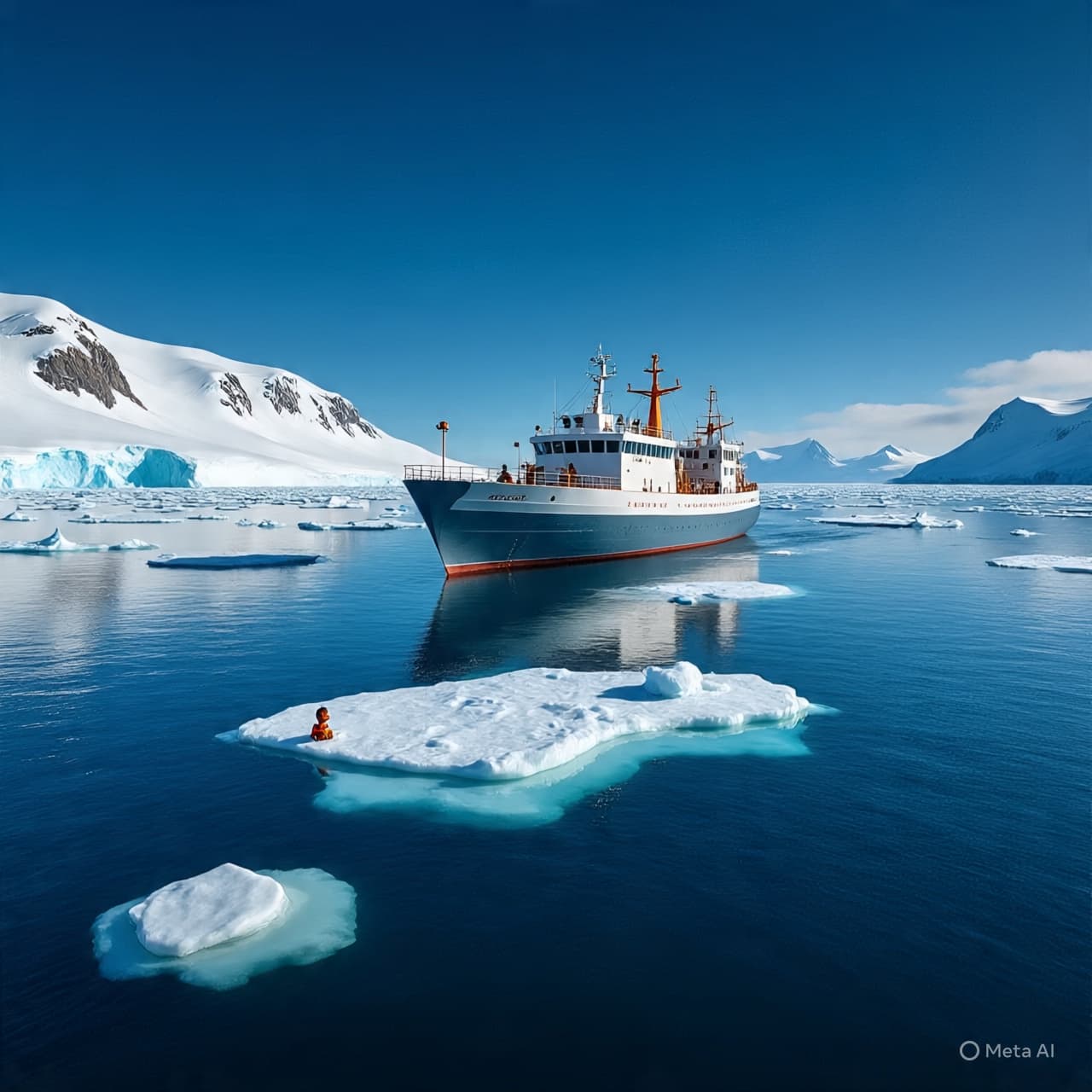
New methane seeps discovered beneath Antarctica’s Ross Sea raise fears of accelerating global warming through a dangerous feedback loop.

Tokyo scientists created a hydrogen battery operating at 90 °C, four times colder than before, offering safer, denser, and longer-lasting energy for EVs.

NASA’s Robin Corbett proposes that aliens exist but, like humans, lack the technology to communicate across space—a concept he calls “radical ordinariness.”

Investigators found that the Titan submersible’s hull delaminated due to design flaws and poor durability, causing its 2023 implosion during a Titanic dive that killed all five aboard.

Scientists warn that a rupture in the Cascadia fault could trigger the San Andreas fault, raising concerns of twin mega-earthquakes on the U.S. West Coast, though further data is still needed.

Seoul’s first nuclear shelter, set for completion by 2028 beneath a Songpa high-rise, will protect over 1,000 residents and double as a fitness center during peacetime.

ESA’s Swarm data show the South Atlantic Anomaly has expanded since 2014, with rapid weakening near Africa; meanwhile strong field zones shift over Siberia and Canada.

SpaceX’s 11th Starship test flight succeeded—deploying mock payloads, relighting engines, and exploring improved landing modes—while ushering out the current vehicle generation for more advanced variants.

New research reveals Chicago’s viral “rat hole” imprint was likely made by a squirrel, not a rat — a quiet correction to one of the city’s strangest urban legends.

Scientists warn Earth has passed its first climate threshold, with ocean warming killing reefs and threatening ecosystems from the Amazon to the poles.