The universe has always been our most arrogant teacher. Every time we think we’ve solved the grand equation, it quietly hands back the test with a red correction mark — usually decades later.
For twenty-five years, the dominant modern myth of cosmology has been this: the universe is expanding *faster* and faster, accelerated by a mysterious pressure called dark energy. Entire PhDs were minted on that assumption. We explained fate and physics around that assumption. We wrote textbooks in the shadow of that assumption.
And now a new study suggests the expansion may actually be slowing.
It is a strange moment. Not because scientists are surprised — scientists are professionally suspicious. But because this particular assumption has been baked into public imagination. It is the rare physics concept that escaped the lab and became cultural vocabulary. “Accelerating universe” was the postcard we mailed to normal people to explain what cosmologists do.
If it’s wrong, the implications are immense. Dark energy might not work the way we thought. Or we have mis-measured the signals. Or we need a new kind of math that is not yet invented. Or — most uncomfortable — we have to admit we still don’t know the fundamental shape of our own reality.
Which is humbling — and beautiful.
Because science is not a cathedral of fixed answers. It is a method for tearing down old certainty when better evidence arrives.
And sometimes, the deepest frontier is not another galaxy. It is the willingness to rewrite the story of everything we thought was true.
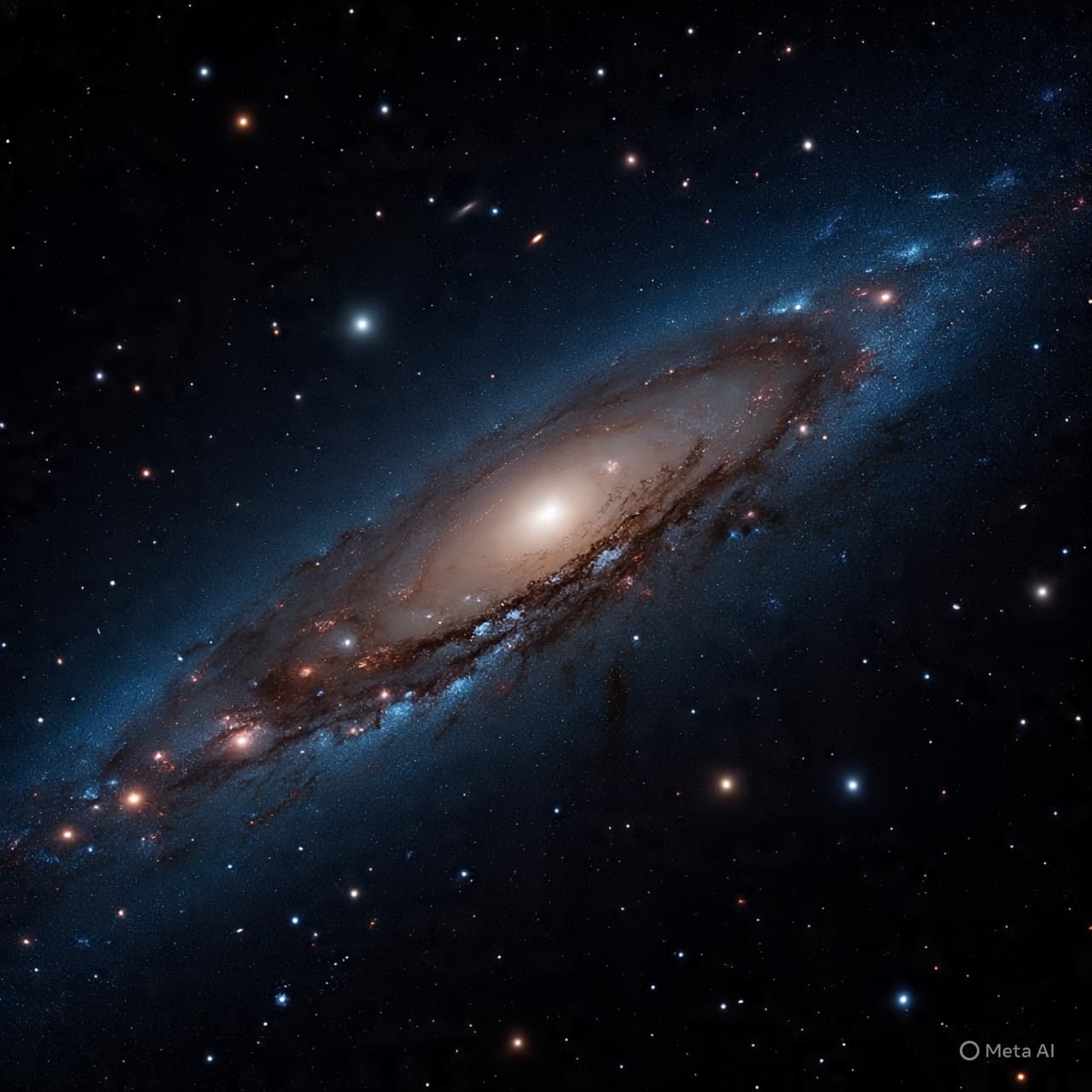
AI image disclaimer AI image prompts above are speculative concept directions only.
Published by Banx Network. This article is part of the Banx decentralized media programme, powered by the BXE token on the XRP Ledger.