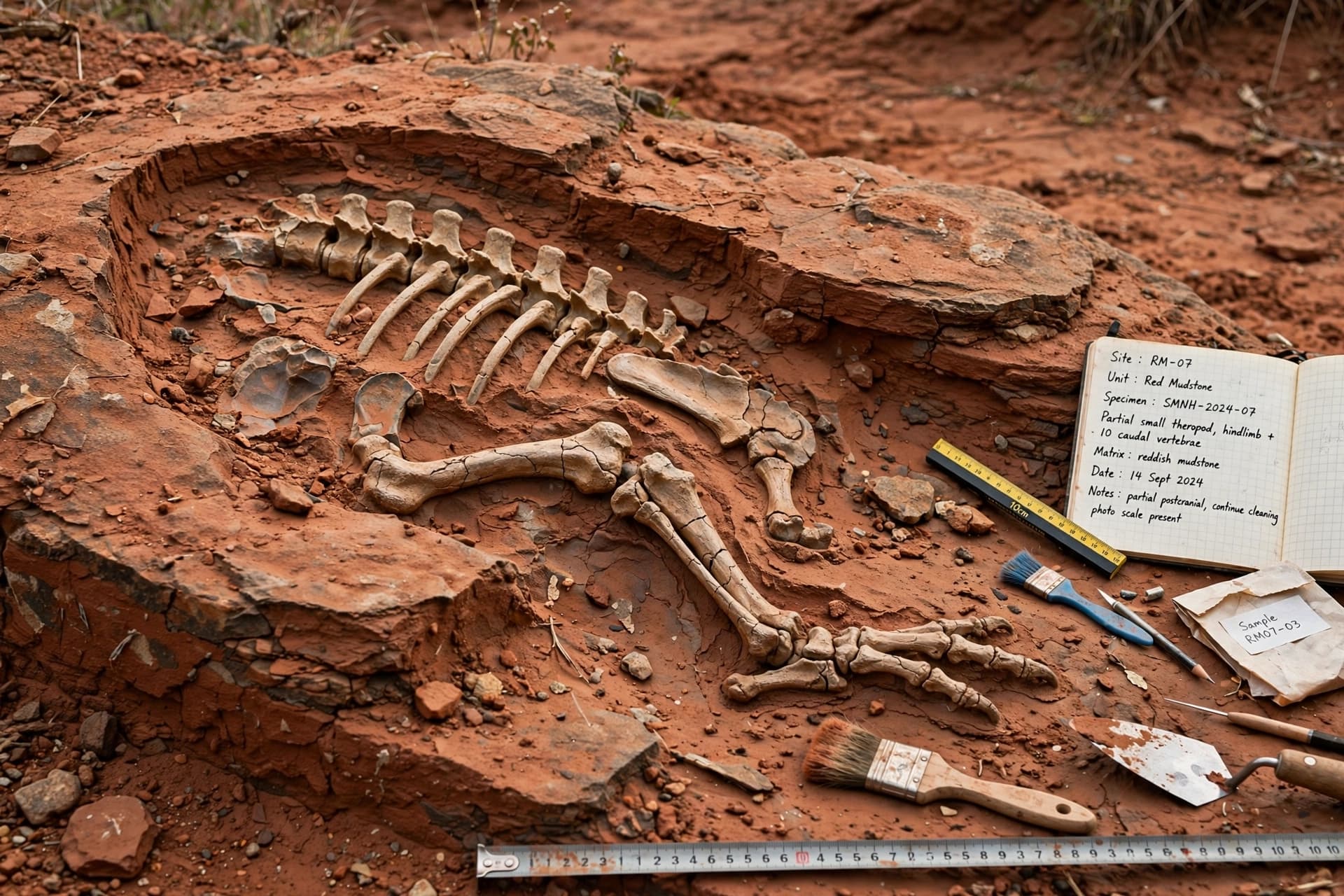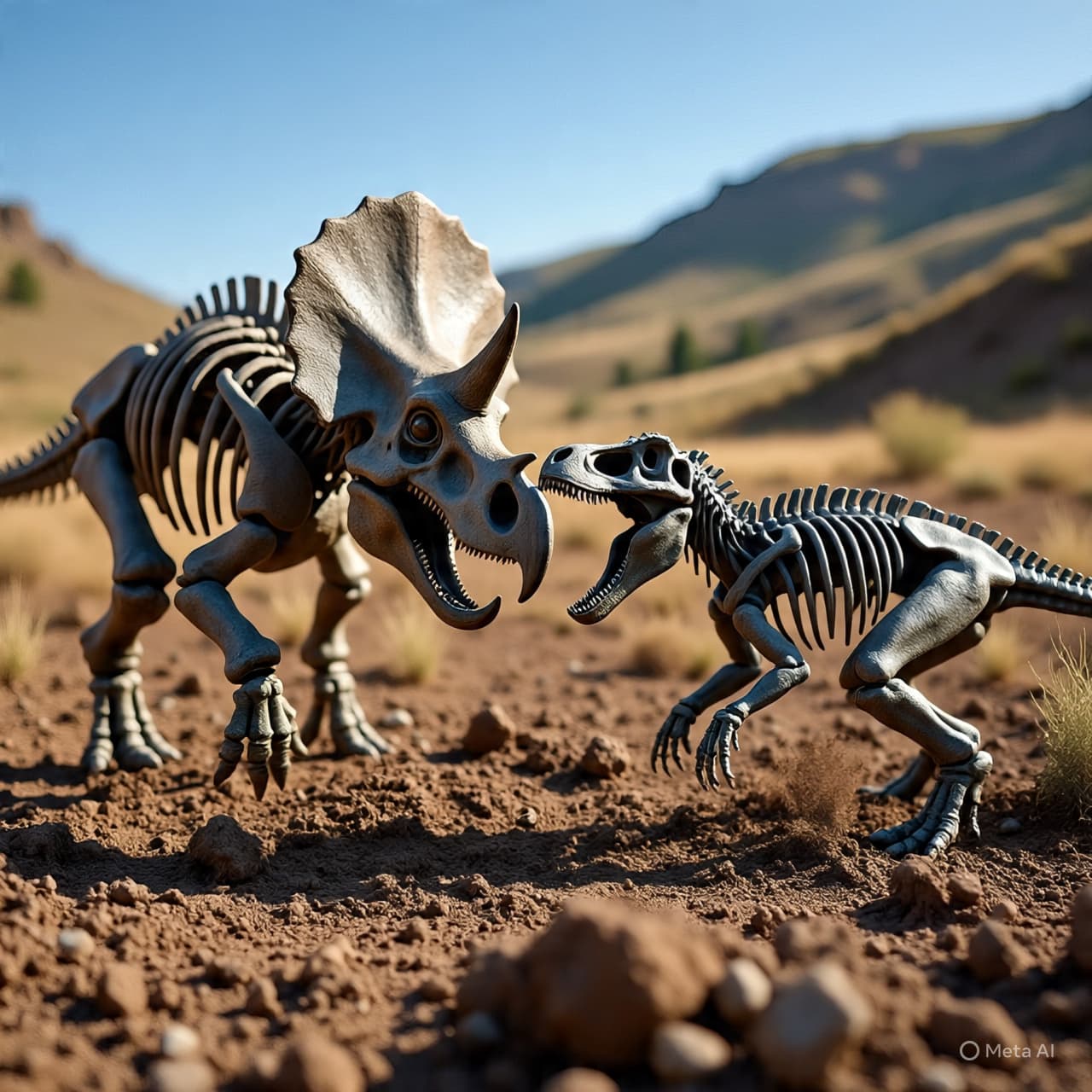
In the quiet depths of a sediment layer in Montana, two skeletons locked in what appeared to be a life-and-death struggle have now sparked a significant rethink of dinosaur history. One of the combatants, once famous in popular science as a teenage version of the towering Tyrannosaurus rex, is now identified as an adult individual of a distinct species, Nanotyrannus. The metaphorical curtain has lifted, revealing that what we thought was growth and progression may instead have been diversity and coexistence.
The deeper story lies in the anatomy and growth evidence. A skeleton unearthed in the Hell Creek Formation in 2006—long considered a juvenile T. rex—was re-examined using bone histology (growth rings), skull structure, tooth counts, limb proportions and other markers. Researchers found that this specimen had growth patterns consistent with reaching maturity rather than still growing. They also noted more teeth in the skull, a different configuration of cranial nerves, and relatively larger arms than a typical T. rex.The conclusion: this is not a teenage T. rex, but a separate adult tyrannosaur, now confirmed as Nanotyrannus lancensis.
What this means is that the narrative of tyrannosaur evolution may need rewriting. For decades, the dominant view was that smaller tyrannosaur fossils represented younger individuals of a single lineage culminating in T. rex. Now, evidence suggests at least one separate predator — smaller, more agile, long-armed — was co-existing with the king. Nanotyrannus likely measured far less than T. rex, weighed significantly less, but thrived in its own niche. This challenges the idea that ecosystems just before the mass extinction were dominated by one apex predator alone; instead, they may have had richer predator diversity.
Of course, scientific caution remains. While this latest study (published in Nature) brings compelling evidence, some paleontologists maintain that more specimens are needed before altering long-held models. For example, the delineation between juvenile T. rex, sub-adult forms, and distinct small species is inherently tricky in paleontology—skeletal features change with age and size, and fossil record is incomplete. Nevertheless, the case for Nanotyrannus as a valid genus is now stronger than it has been in years.
Published by Banx Network. This article is part of the Banx decentralized media programme, powered by the BXE token on the XRP Ledger.