
Key Highlights
- Rabid Bat Detected:A single bat in San Mateo County tested positive for rabies.
- Public Health Response:Local officials emphasize vigilance in wildlife encounters.
- Rabies Risks:The virus remains a serious threat without prompt treatment.
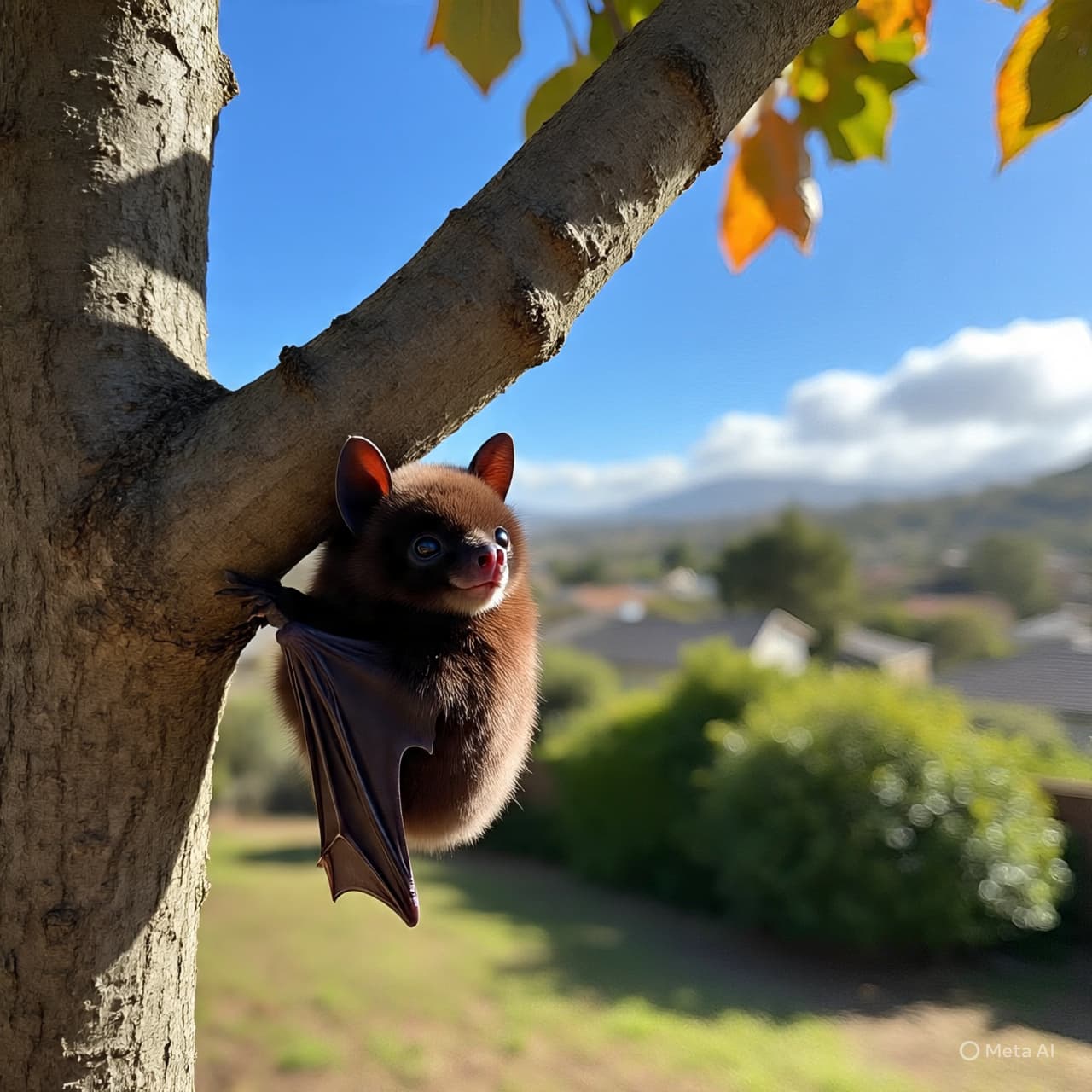
Rabies is a virus that evokes a sense of urgency, particularly when it is detected in wildlife. Recently, a bat in San Mateo County tested positive for rabies, prompting local health officials to remind the community of the importance of vigilance regarding wildlife encounters. While this case may not seem alarming at first glance, it serves as a crucial reminder of the potential dangers that lurk in our environment.
The nature of rabies is stark; it is a virus that does not allow for ambiguity. If a person is exposed and does not receive treatment swiftly, the consequences can be dire. This harsh reality is why health departments take even a single positive case seriously. The message is clear: avoid contact with wild animals, report any unusual behavior, and seek medical advice if there is any suspicion of exposure.
In the Bay Area, interactions with wildlife are common. Open doors, backyard fruit trees, and pets that roam freely can all lead to unexpected encounters with animals that may carry diseases. The rabies virus can be transmitted through bites or scratches, and it is crucial for residents to remain aware of their surroundings. The ritualistic messaging from health officials is designed to instill a sense of responsibility and caution among the public.
This recent rabies case is not indicative of a widespread crisis but rather a reminder of the need for ongoing vigilance. In the 21st century, the challenge is not necessarily the outbreak of a disease but the gradual erosion of public awareness and caution. One positive case in a bat should not incite panic; instead, it should reinforce the understanding that certain viruses operate on a binary basis: exposed or not, treated or not, safe or not.
The rational response to such news is not to succumb to anxiety or to dismiss the situation as trivial. Rather, it is an opportunity to reflect on the relationship between humans and wildlife. Nature is not a petting zoo, and the risks associated with wildlife encounters should be taken seriously. Public health measures are most effective when they are proactive rather than reactive, preventing emergencies before they arise.
As we navigate our interactions with the natural world, it is essential to remember that vigilance is key. The presence of a rabid bat in San Mateo County serves as a reminder that public health is an ongoing responsibility, one that requires awareness and action from all members of the community. By staying informed and cautious, we can help protect ourselves and our loved ones from the threats posed by wildlife.
Published by Banx Network. This article is part of the Banx decentralized media programme, powered by the BXE token on the XRP Ledger.



