In the vast stillness of the Milky Way’s heart, an elegant dance of death is quietly unfolding. The Red Spider Nebula (catalogued as NGC 6537) offers us a shimmering farewell—its “legs” unfolding, its heart aglow—revealed in breathtaking clarity by the James Webb Space Telescope (JWST). What was once a faint figure against the stellar tapestry now stands as a rich testament to stellar endings and cosmic mystery.
At the core of this cosmic cobweb lies a dying Sun-like star, its outer layers cast off in dramatic farewell. JWST’s near-infrared imaging pierced through thick dust to reveal a compact, glowing central star surrounded by a shroud of hot dust—likely arranged in a disc-like structure. The “legs” of the spider are vast lobes of gas, stretching about three light-years each, shaped by powerful polar outflows colliding with earlier ejected material.
But the real intrigue lies in the hidden companion suspected to lurk at the heart of the nebula. Although only one star is clearly visible, the hour-glass symmetry of the lobes and the presence of S-shaped iron emission indicate a sculptor unseen—most likely a faint stellar partner nudging and shaping the dying star’s final dance.
As the star winds down, the interactions between jet, dust disc and binary partner are mapped by JWST’s sensitive instruments. The result is a richer understanding of how stars like our Sun will end their lives—and how binary companions help shape the spectacular nebulae we observe.
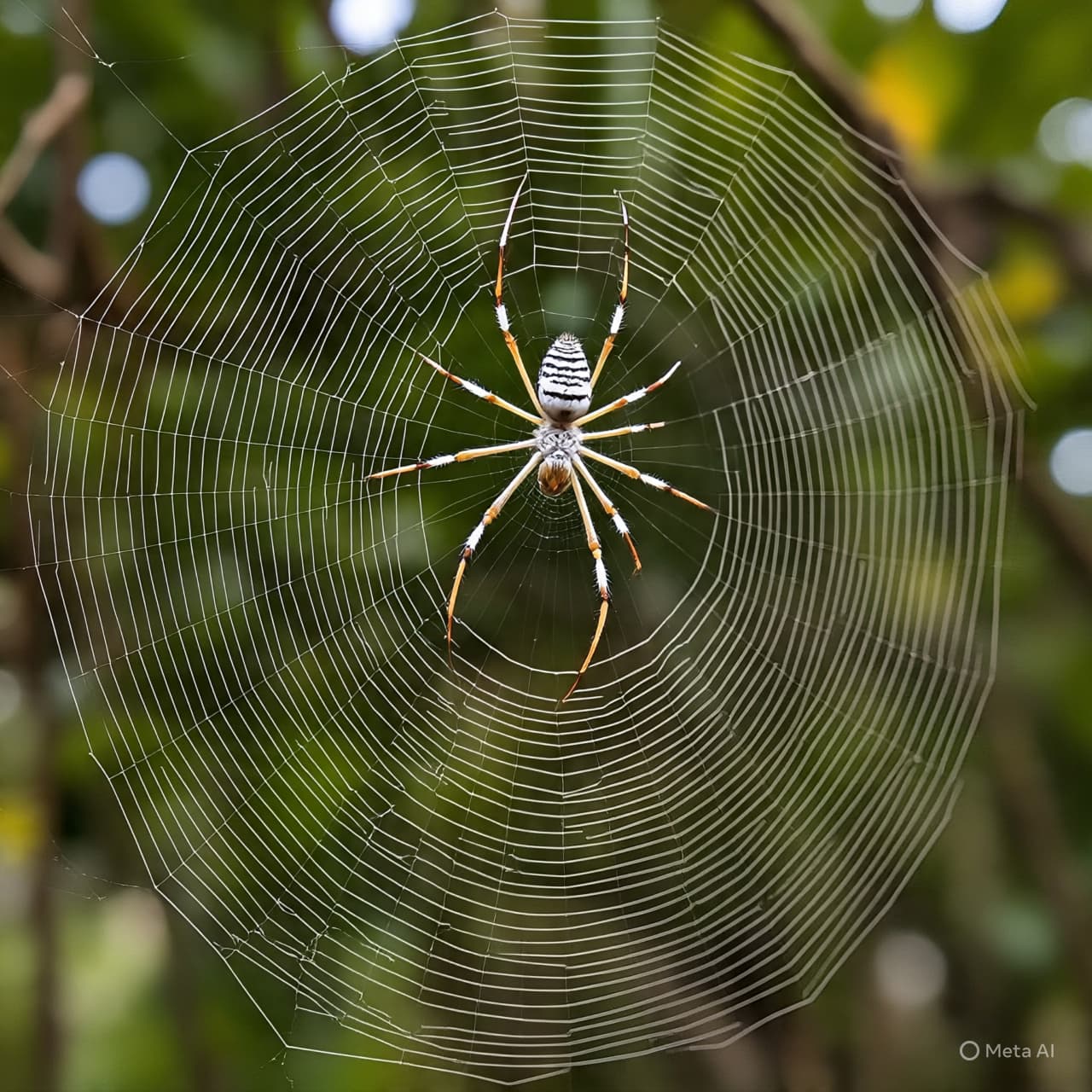
Images by AI , for illustration only and may had mistakes.
Published by Banx Network. This article is part of the Banx decentralized media programme, powered by the BXE token on the XRP Ledger.