The Moment Between Whole and Broken: A Comet’s Story Captured in Time
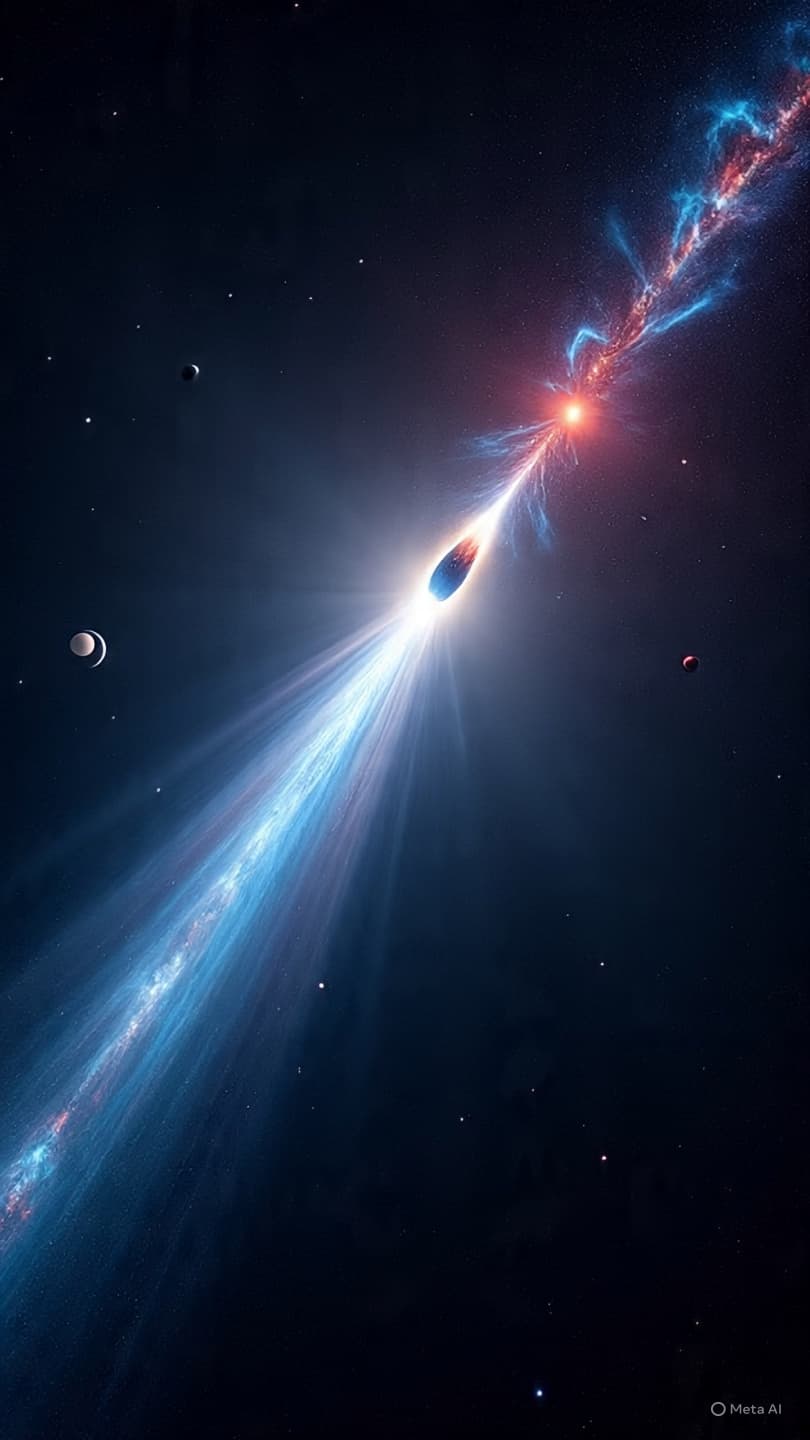
NASA’s Hubble Space Telescope captured a comet breaking apart in real time, offering rare insight into how these fragile objects evolve and fragment in space.

NASA’s Hubble Space Telescope captured a comet breaking apart in real time, offering rare insight into how these fragile objects evolve and fragment in space.

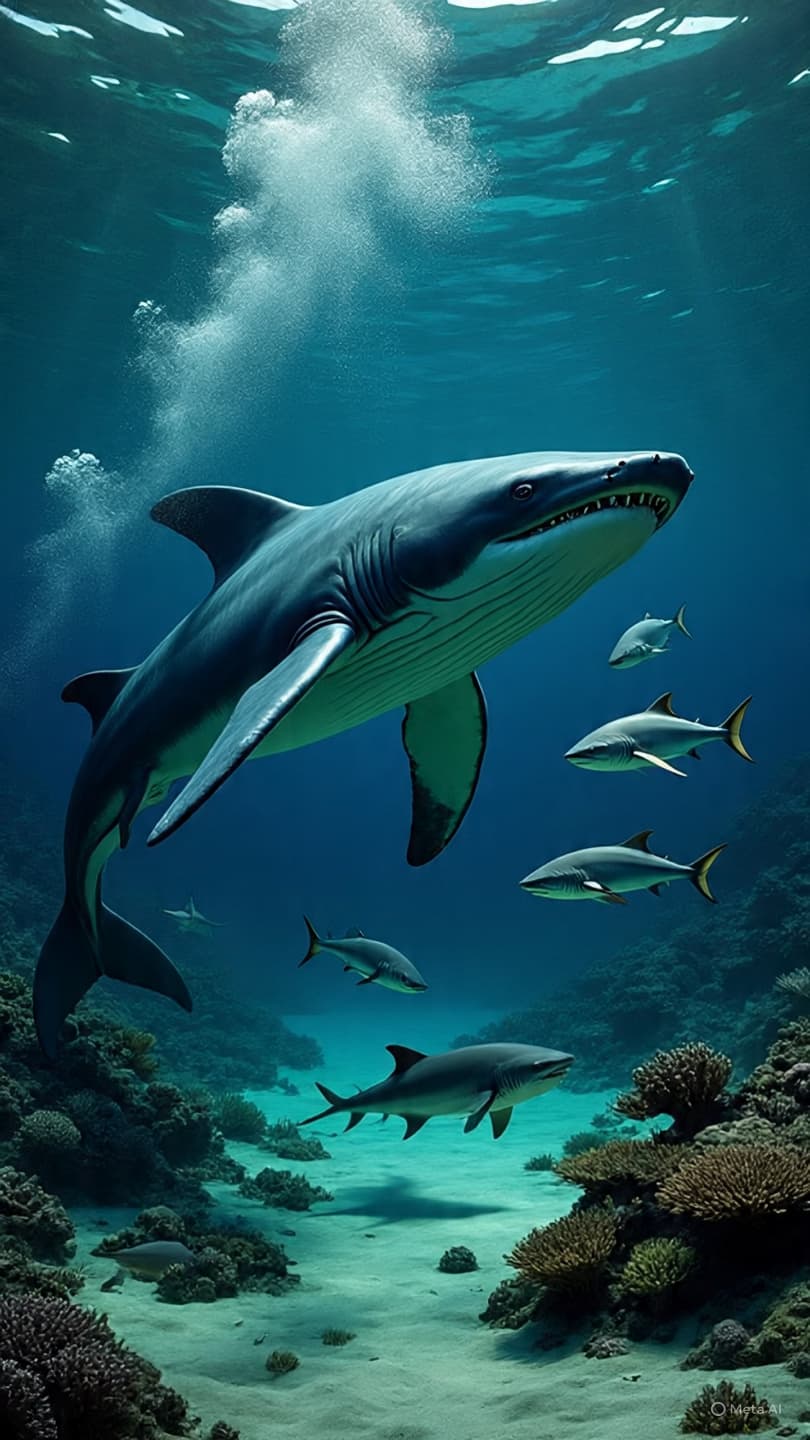
Fossil evidence from the North Sea reveals sharks once scavenged and possibly hunted whales, offering new insight into ancient marine ecosystems and predator-prey dynamics.

Scientists in Sweden have observed unexpected carbon emissions from forest ecosystems, challenging the assumption that forests always act as carbon sinks and highlighting a more complex climate dynamic.

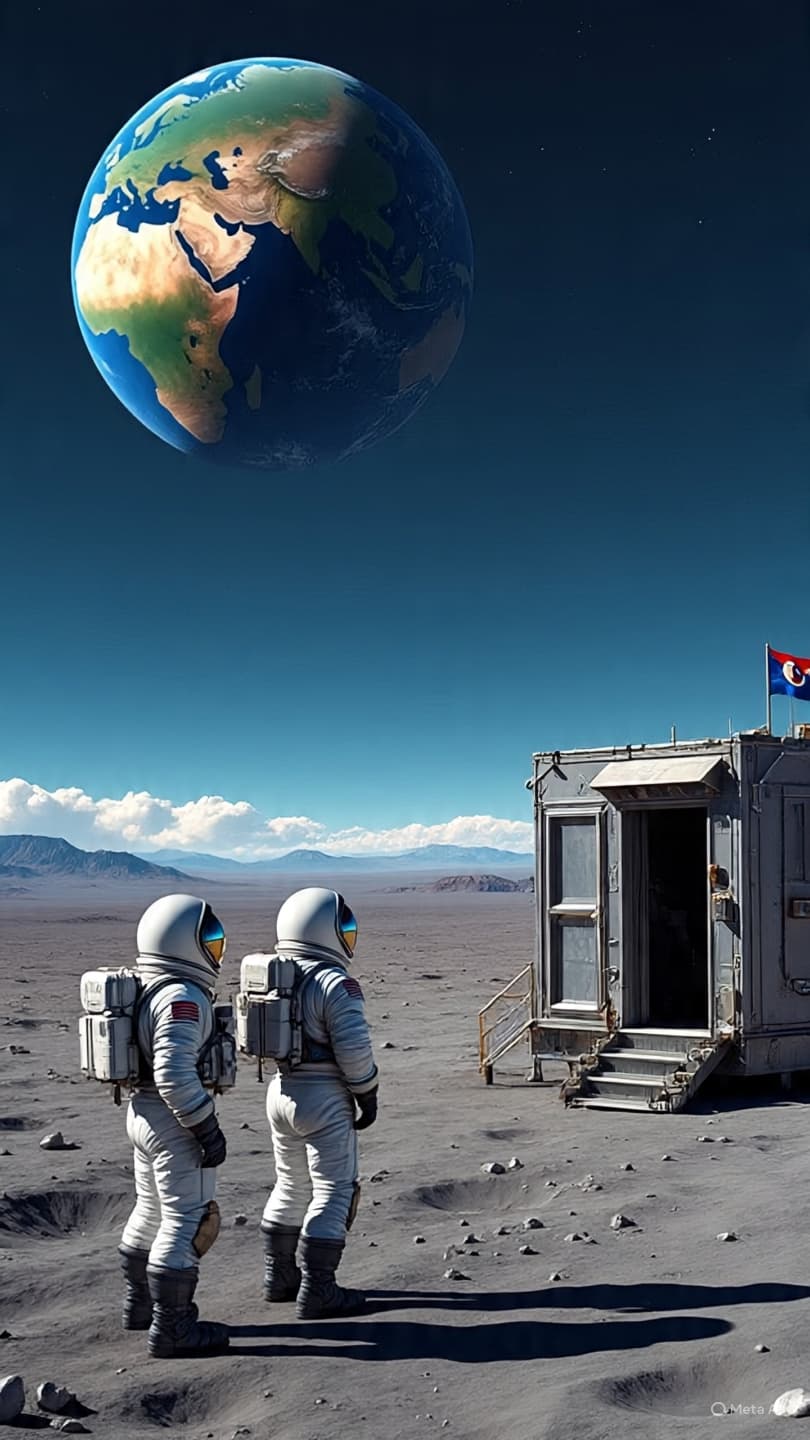
NASA’s Artemis program is reshaping lunar exploration, aiming for sustained human presence on the Moon while preparing for deeper space missions.

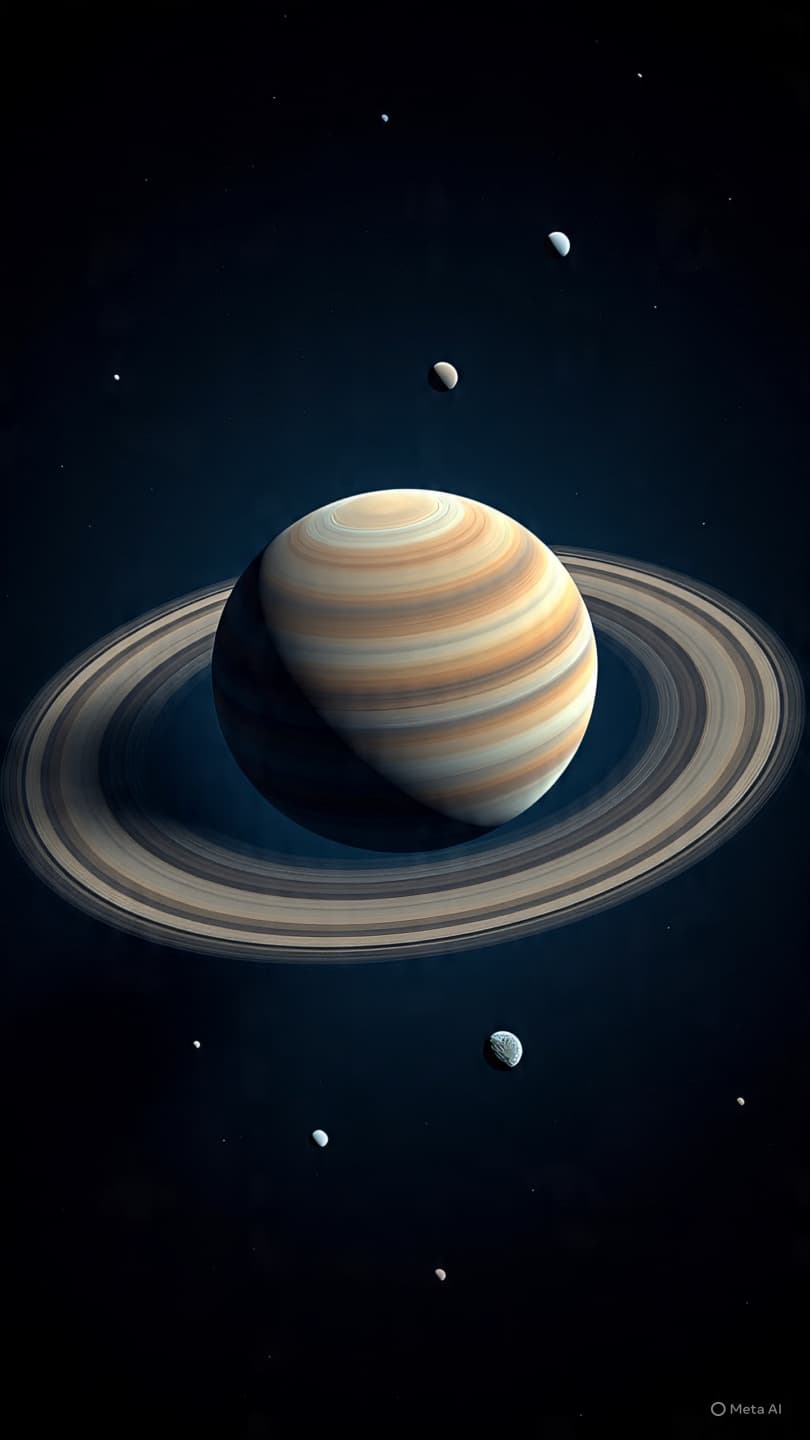
Astronomers have discovered new moons around Saturn and Jupiter, setting record counts and revealing more about the complex and evolving nature of planetary systems.

Scientists have discovered a hidden freshwater reservoir beneath the Great Salt Lake, revealing new complexity in its hydrology and potential implications for environmental understanding.

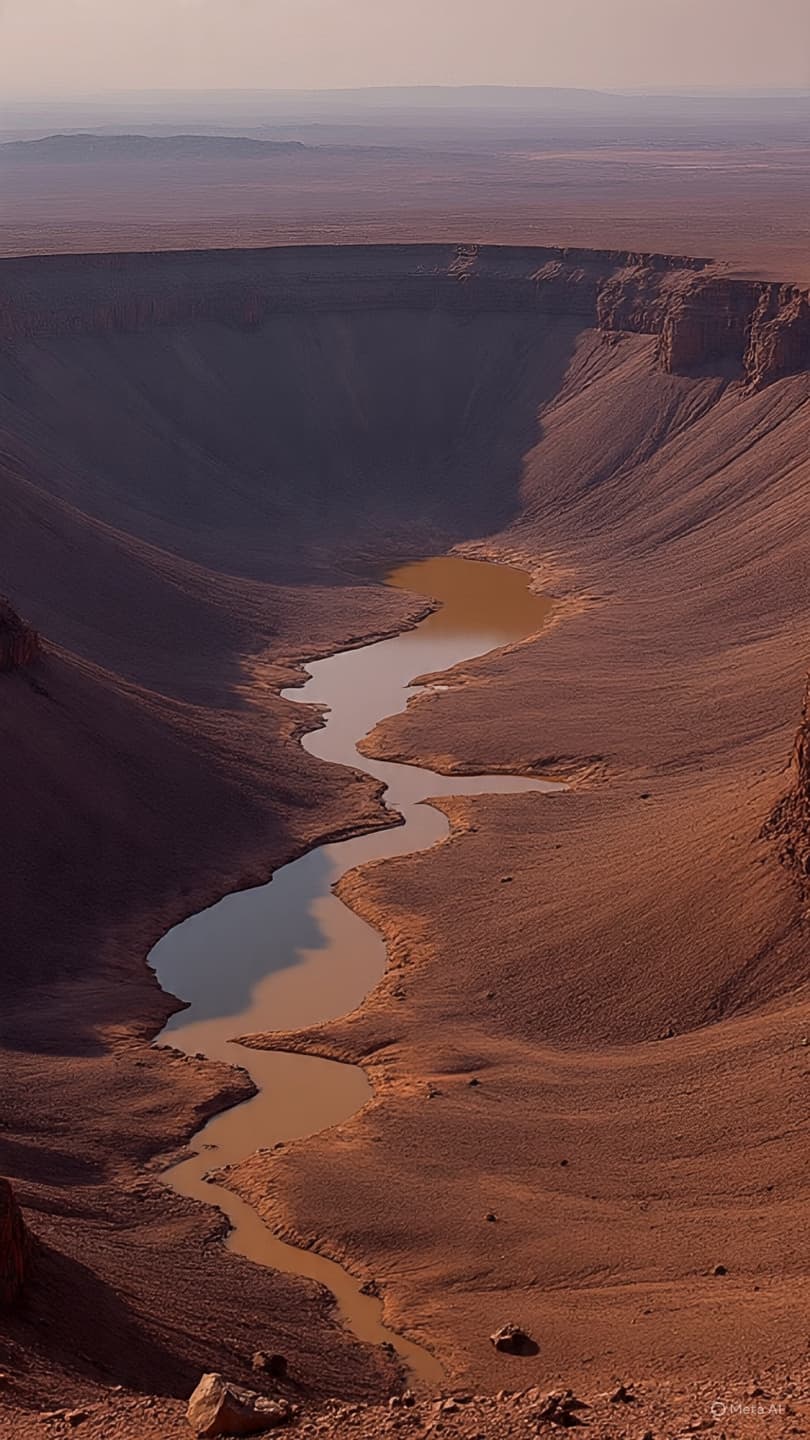
Scientists are linking Jezero Crater and Northeast Syrtis to trace Mars’ environmental history, revealing clues about water, geology, and potential past habitability.

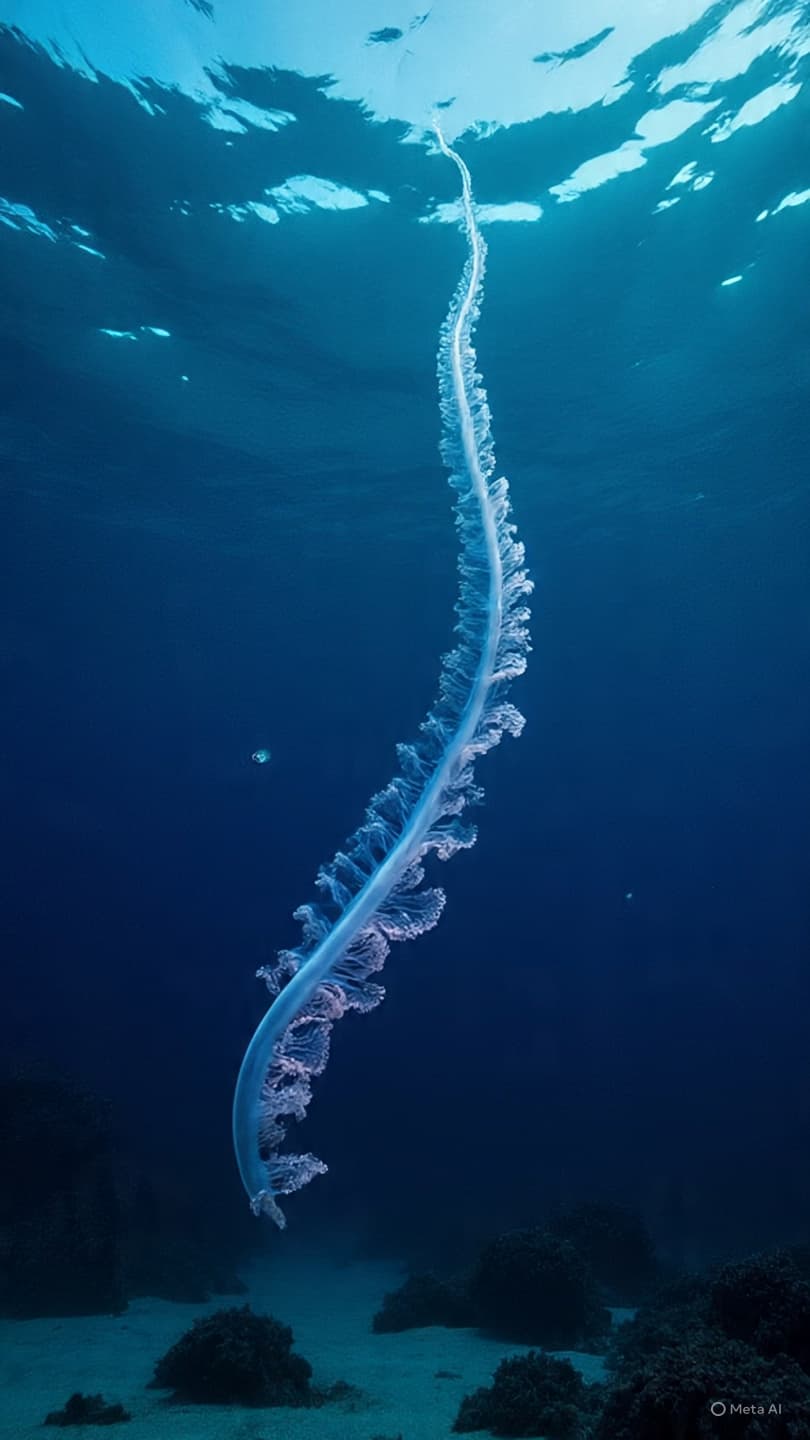
The siphonophore, Earth’s longest animal, is a brainless colonial organism made of specialized units, using thousands of stingers to survive and challenging how we define individuality.

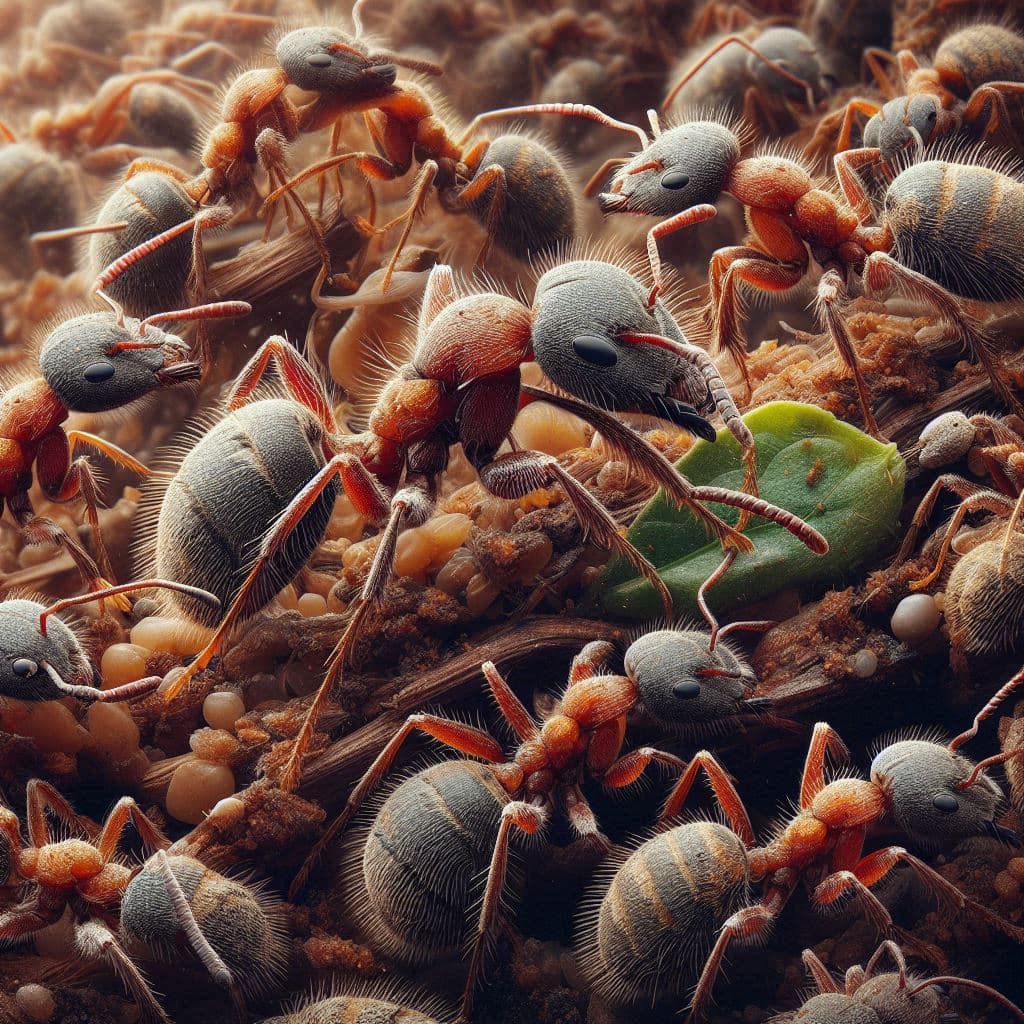
Scientists scanned over 2,000 ants in one week, creating a highly detailed digital biodiversity database that enhances understanding of species diversity and ecosystem roles.

New research reveals DNA-related molecules on asteroid Ryugu and bacteria that can break down plastic, offering insights into life’s origins and potential environmental solutions.

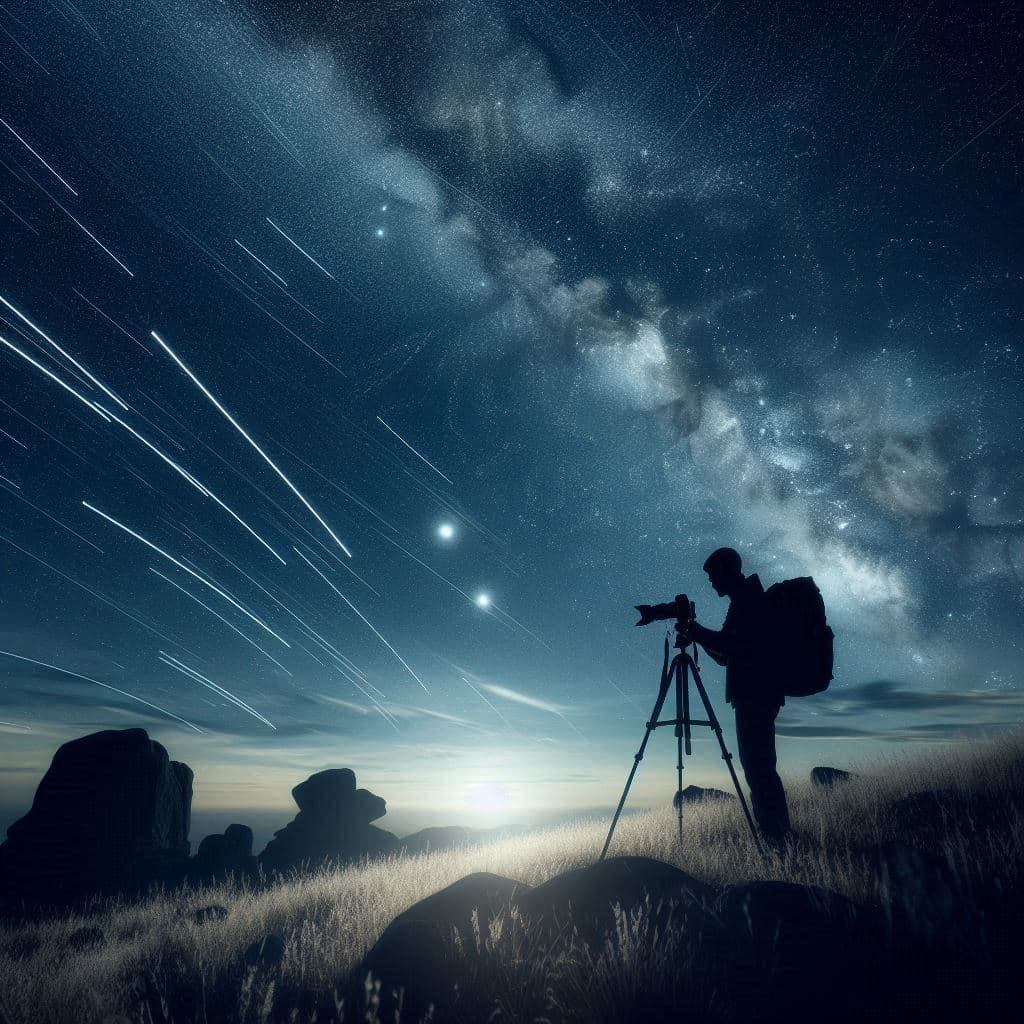
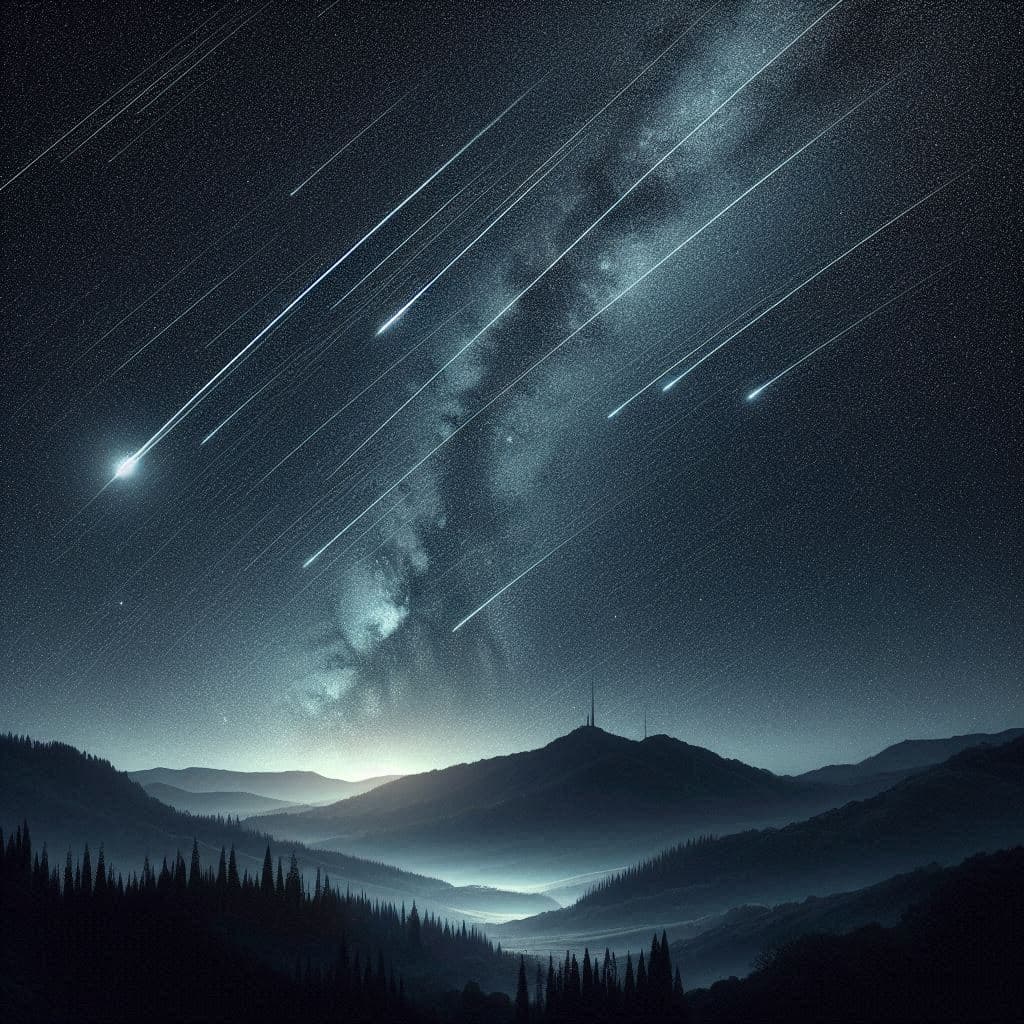
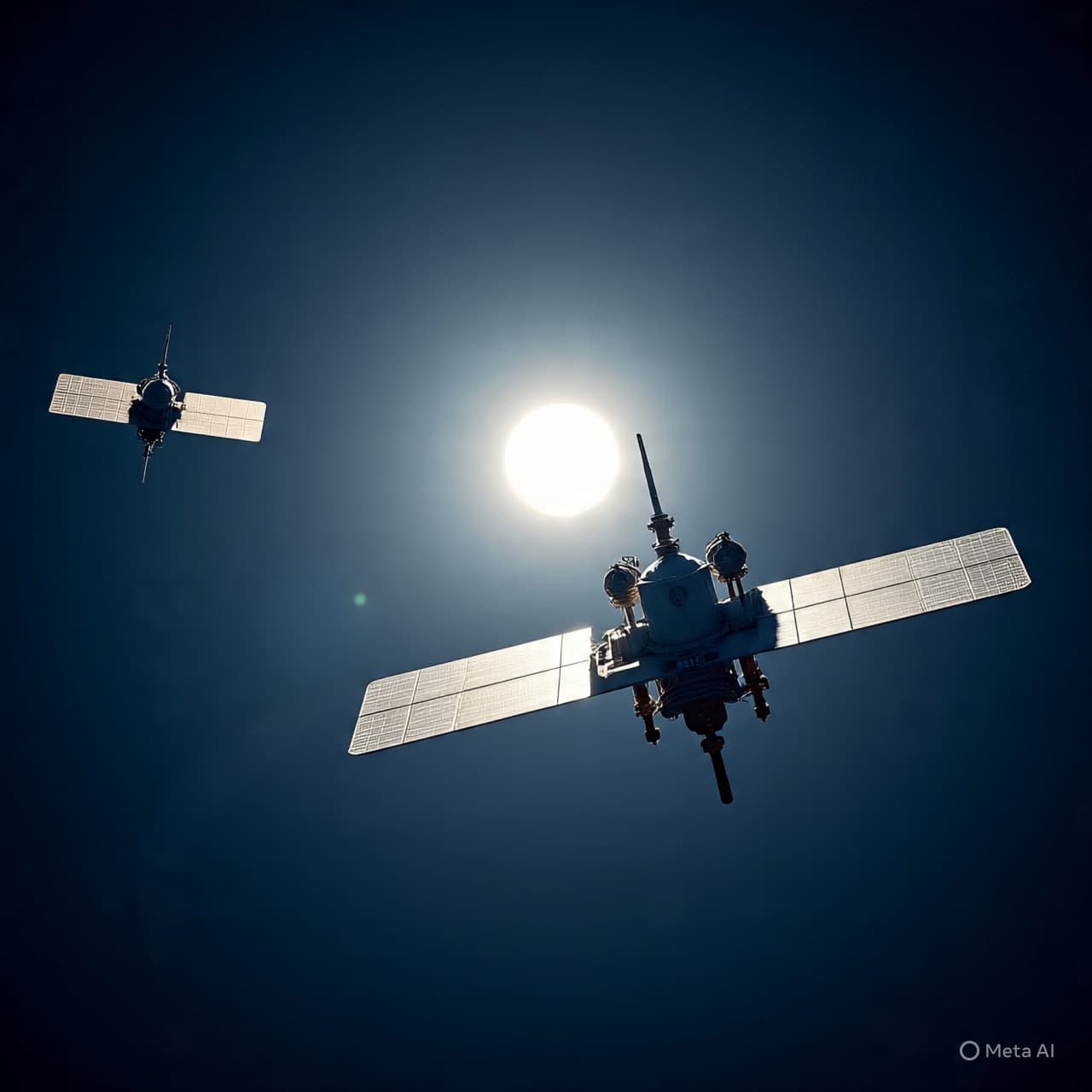
As SpaceX surpasses 10,000 satellites, photographers capture growing streaks in the night sky, raising questions about the balance between global connectivity and preserving celestial views.

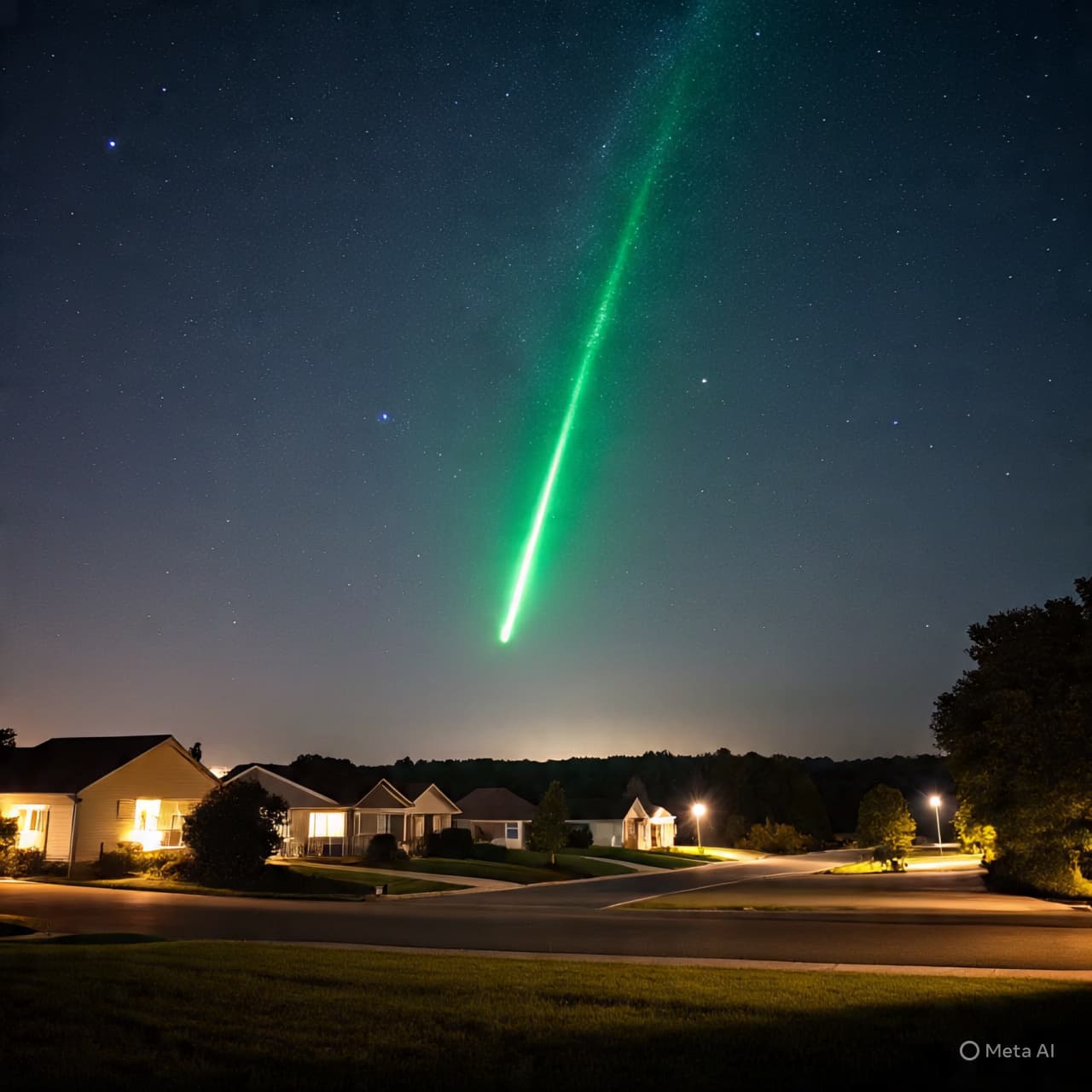
A bright green fireball seen south of Sacramento was a meteor burning in Earth’s atmosphere, its color caused by vaporizing metals like nickel.

Hubble revisits the Crab Nebula after 25 years, revealing its gradual expansion and offering new insights into how supernova remnants evolve over time.

Scientists use “space archaeology” to reconstruct the dynamic history of a giant spiral galaxy, revealing it as an evolving system shaped by collisions and cosmic interactions.

Black hole mergers produce gravitational waves that test general relativity, with observations so far confirming Einstein’s theory under extreme conditions.

A new parallel ion trapping system could greatly increase mass spectrometry speed and sensitivity, marking a potential shift in analytical science.

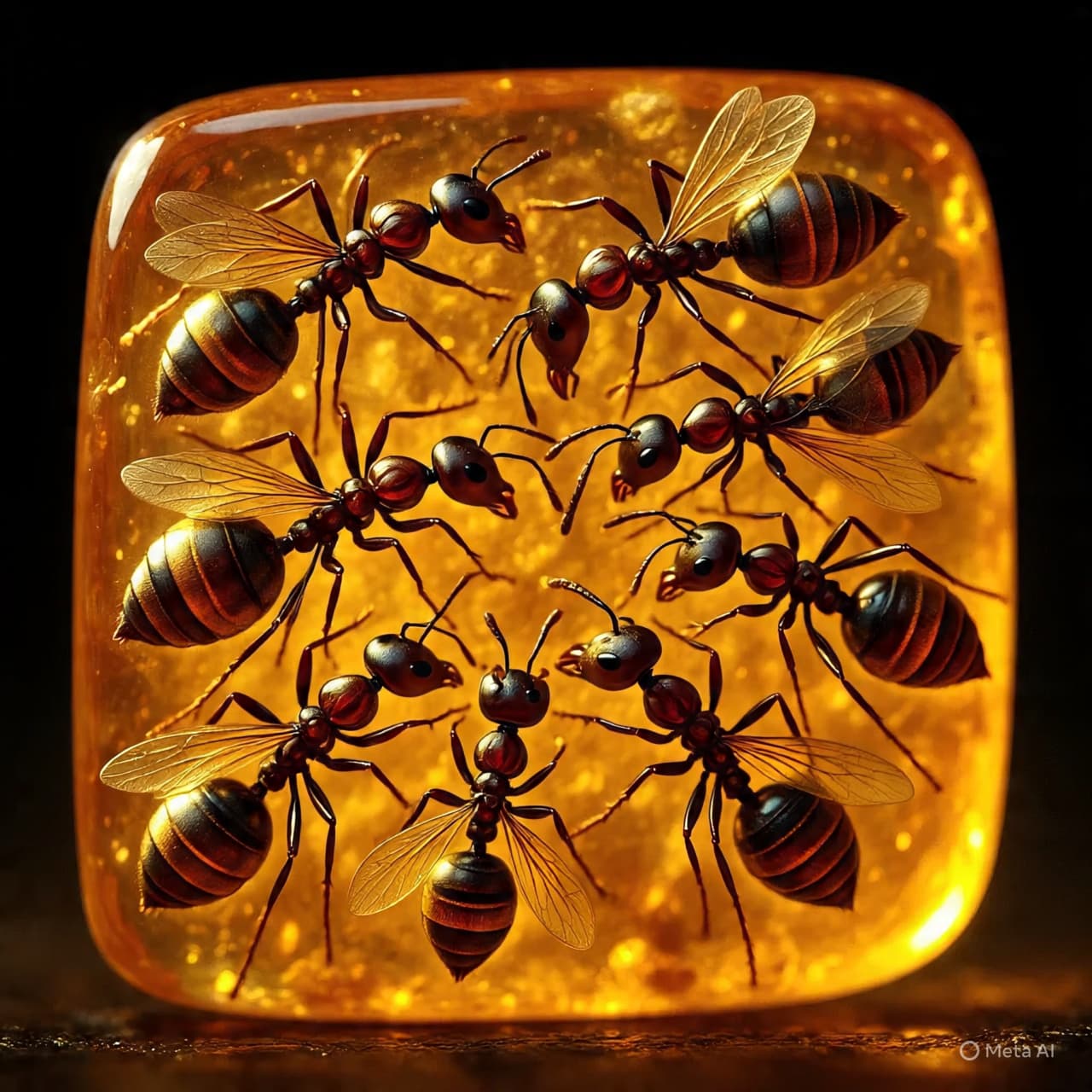
Eocene amber fossils reveal structured “ant mosaics,” showing that organized insect communities existed tens of millions of years ago.

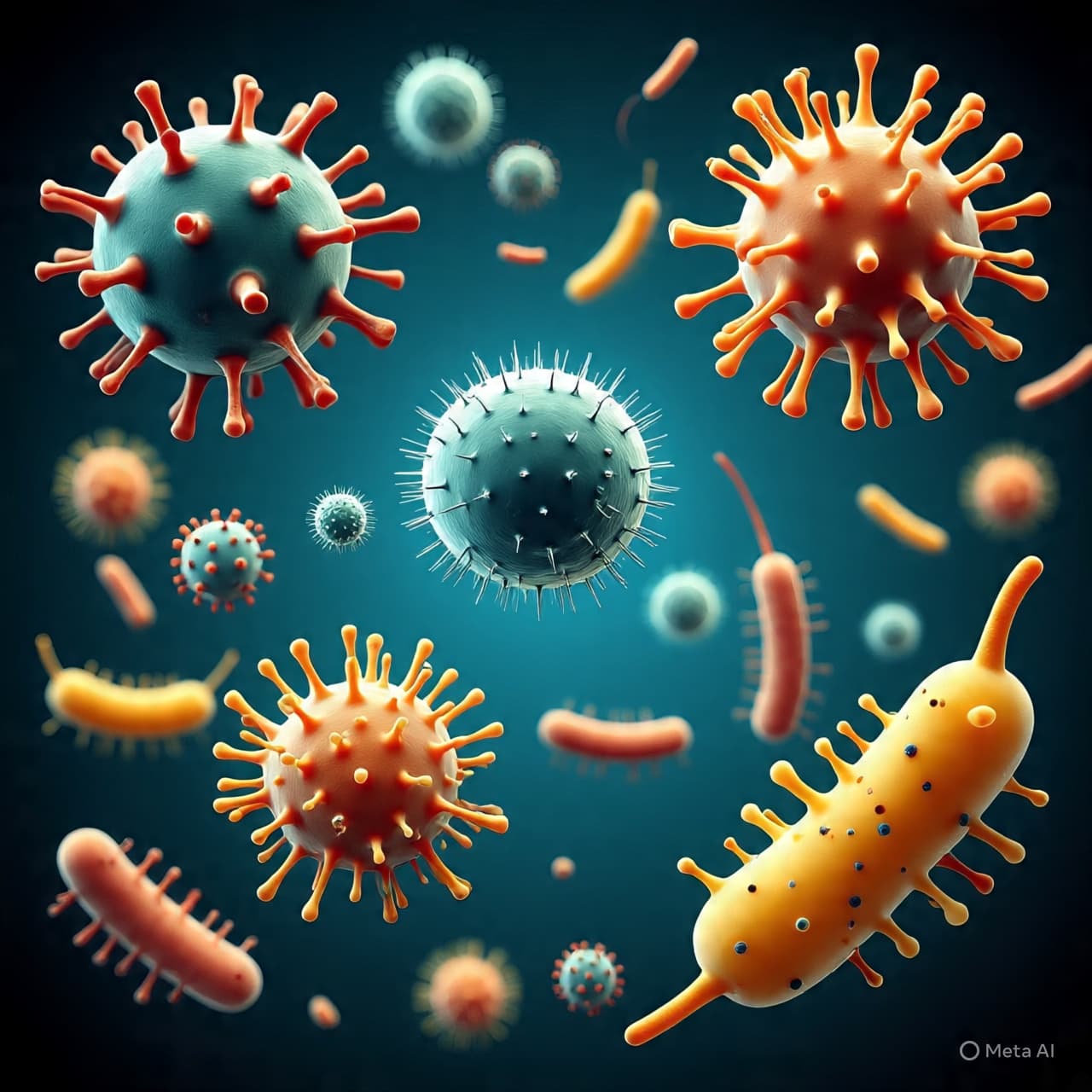
RNA barcoding reveals how bacteriophages transfer genes across different bacterial groups, uncovering hidden pathways in microbial communities.

ESA has re-established contact with a spacecraft that went silent, allowing engineers to assess its condition and resume mission evaluations.

Scientists reconstruct the evolution of freshwater bryozoans, revealing how their forms and traits developed gradually over time.

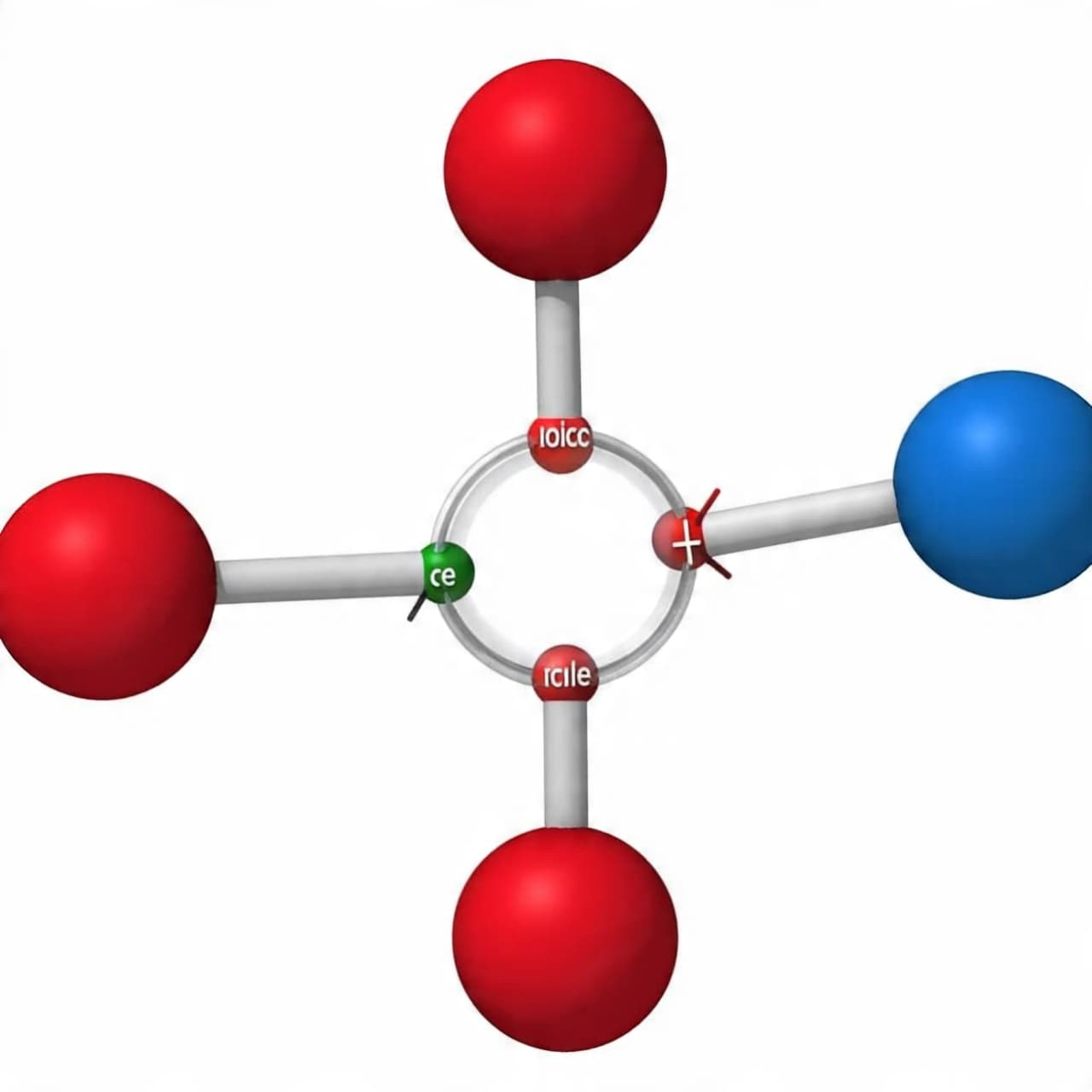
Frustrated Lewis pairs, discovered 20 years ago, enable metal-free catalysis by keeping reactive molecules close but unbonded.

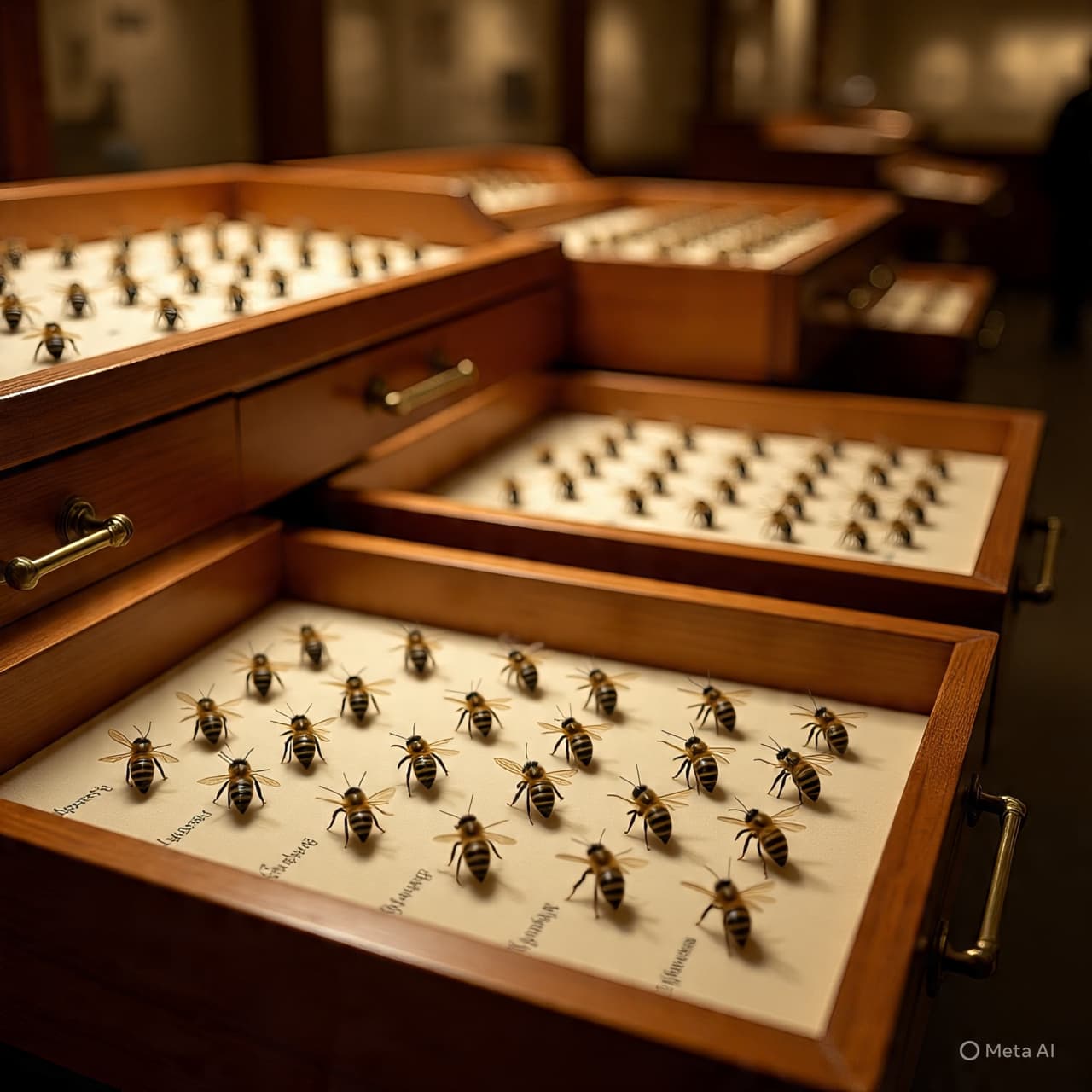
The Big Bee Project digitizes museum bee collections, making historical data accessible for research on biodiversity and pollinator changes.

A faint hydrogen shell around Nova Persei 1901 may be an ancient planetary nebula, revealing a deeper and more complex stellar history.

Astronomers use “space archaeology” to study stars’ ages and motion, revealing how spiral galaxies formed and evolved over billions of years.