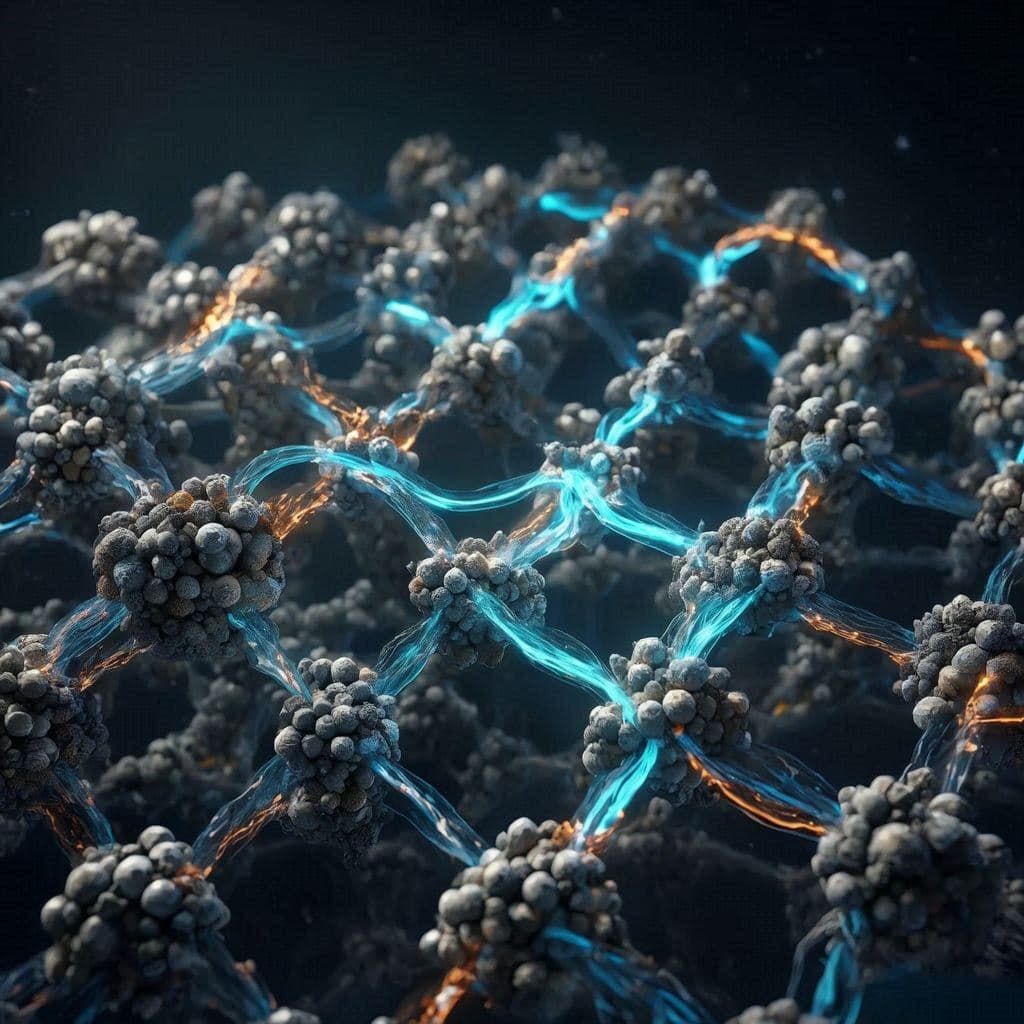
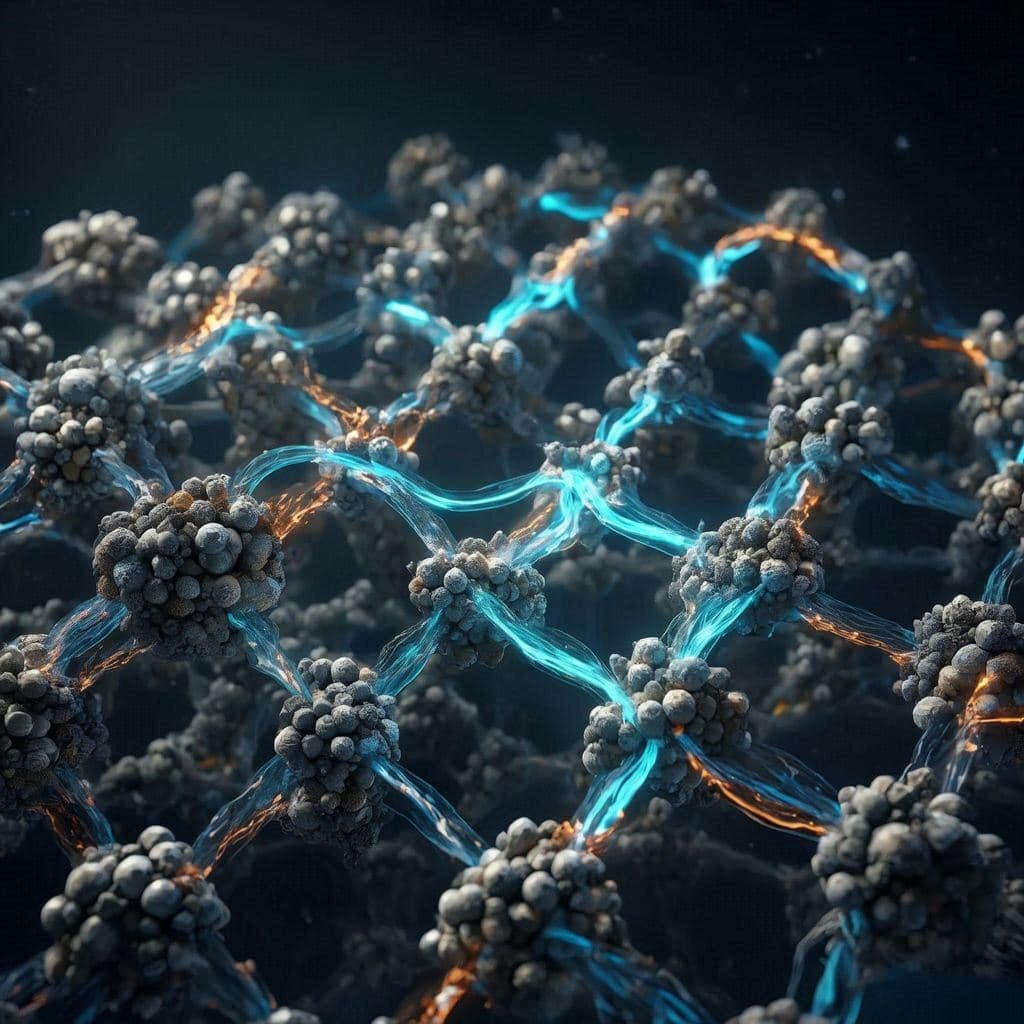
Where Silence Turns to Signal: The Gentle Awakening of Genes Through RNA-Guided CRISPR
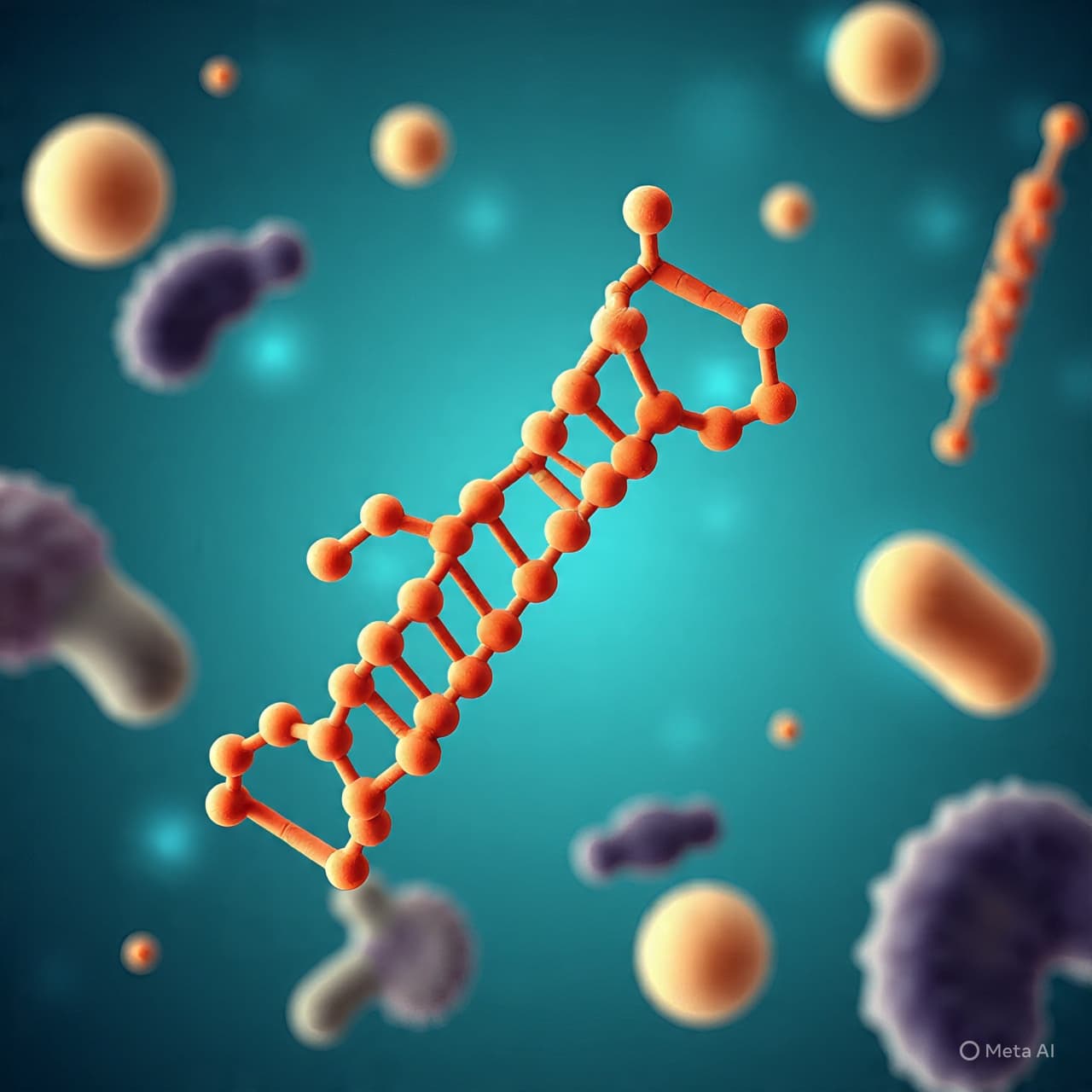
Scientists have developed RNA-guided CRISPR systems that activate gene expression without altering DNA, offering new possibilities for research and therapy.

Scientists have developed RNA-guided CRISPR systems that activate gene expression without altering DNA, offering new possibilities for research and therapy.

Studies suggest California’s seismic activity varies seasonally, influenced by rainfall and groundwater changes, though major earthquakes remain unpredictable.

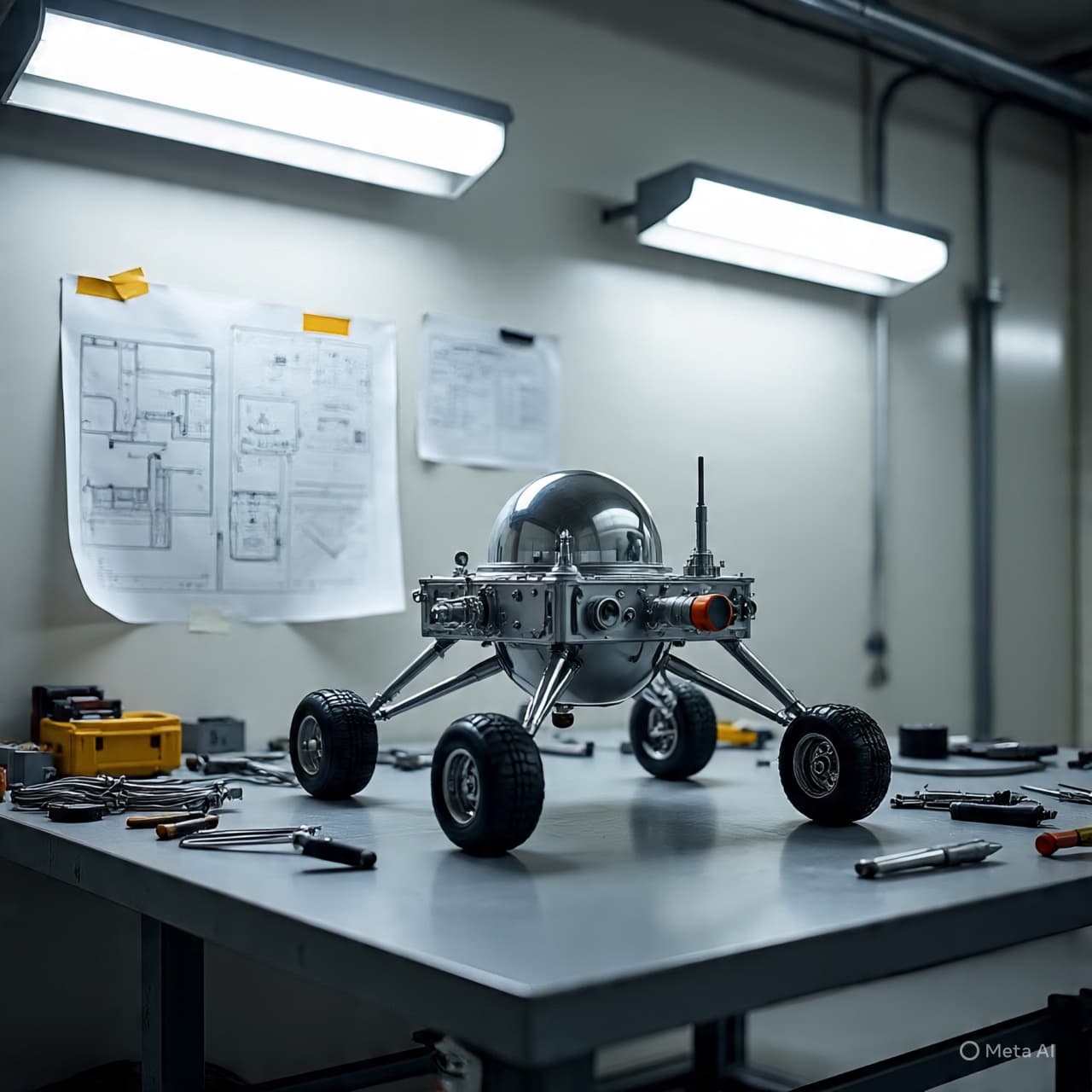
Canada has canceled its first lunar rover mission planned for the moon’s south pole, though scientists hope the work and expertise gained will benefit future space exploration.

New scientific reflection questions classic oxygen‑driven explanations for the extinction of prehistoric giant dragonflies, suggesting a more complex interplay of factors shaped their rise and fall.

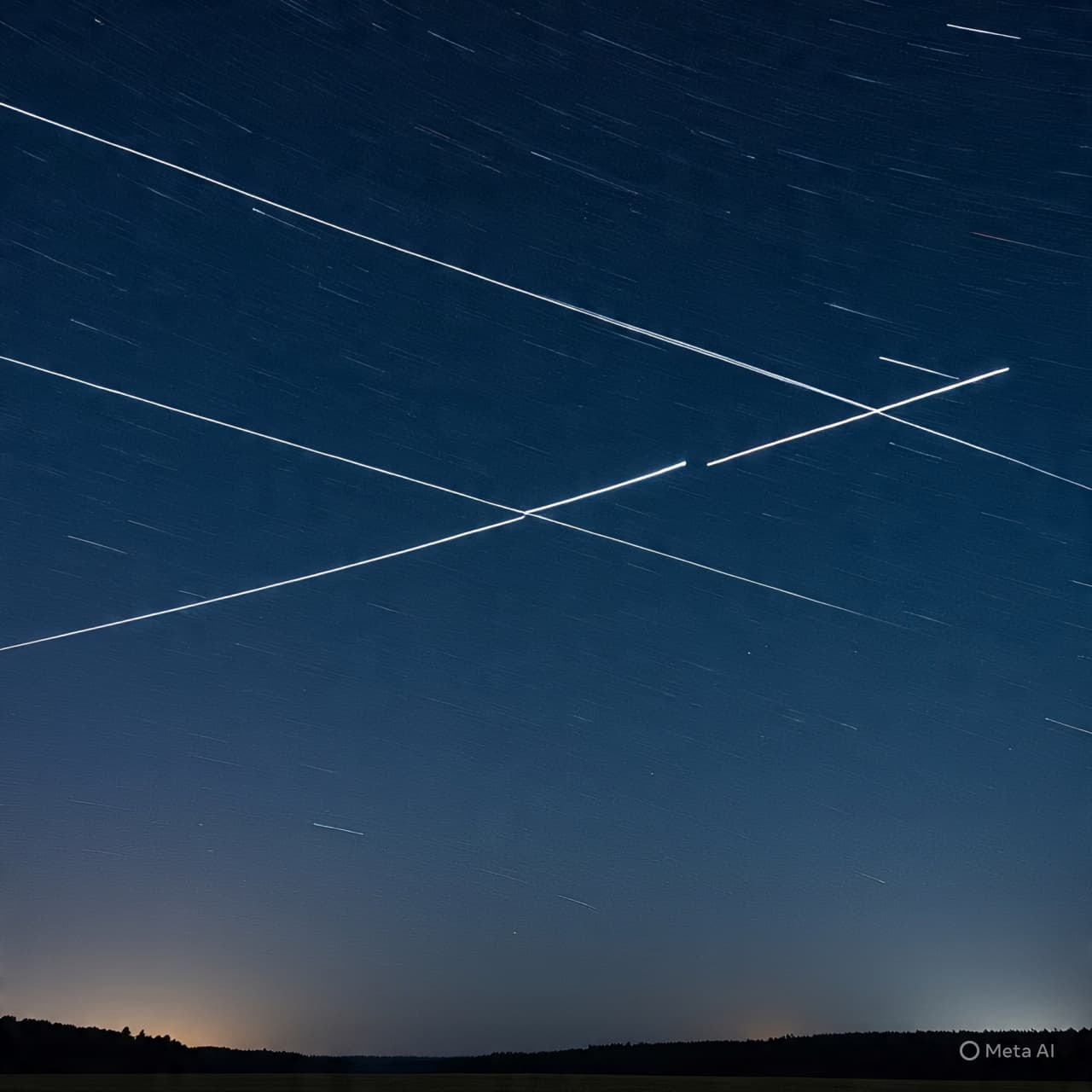
SpaceX’s 10,000th satellite highlights improved global internet access while raising concerns about growing light pollution and its impact on the night sky.

NASA’s ROSES-25 D.4 astrophysics network program update remains pending, leaving researchers awaiting details on future theoretical and computational research opportunities.

Optical-fiber sensors are being used to monitor soil health in real time, offering new insights into moisture, temperature, and agricultural conditions.

Scientists have identified a pneumonia-linked enzyme whose dynamic structure is essential to its function, offering a potential new target for antibiotics.

A photographer captured a rare blood moon rising over the South China Sea, describing the moment as unforgettable after careful planning and timing.

A study suggests that diets rich in whole wheat may be linked to a lower risk of inflammatory bowel disease, highlighting the role of fiber and gut health.

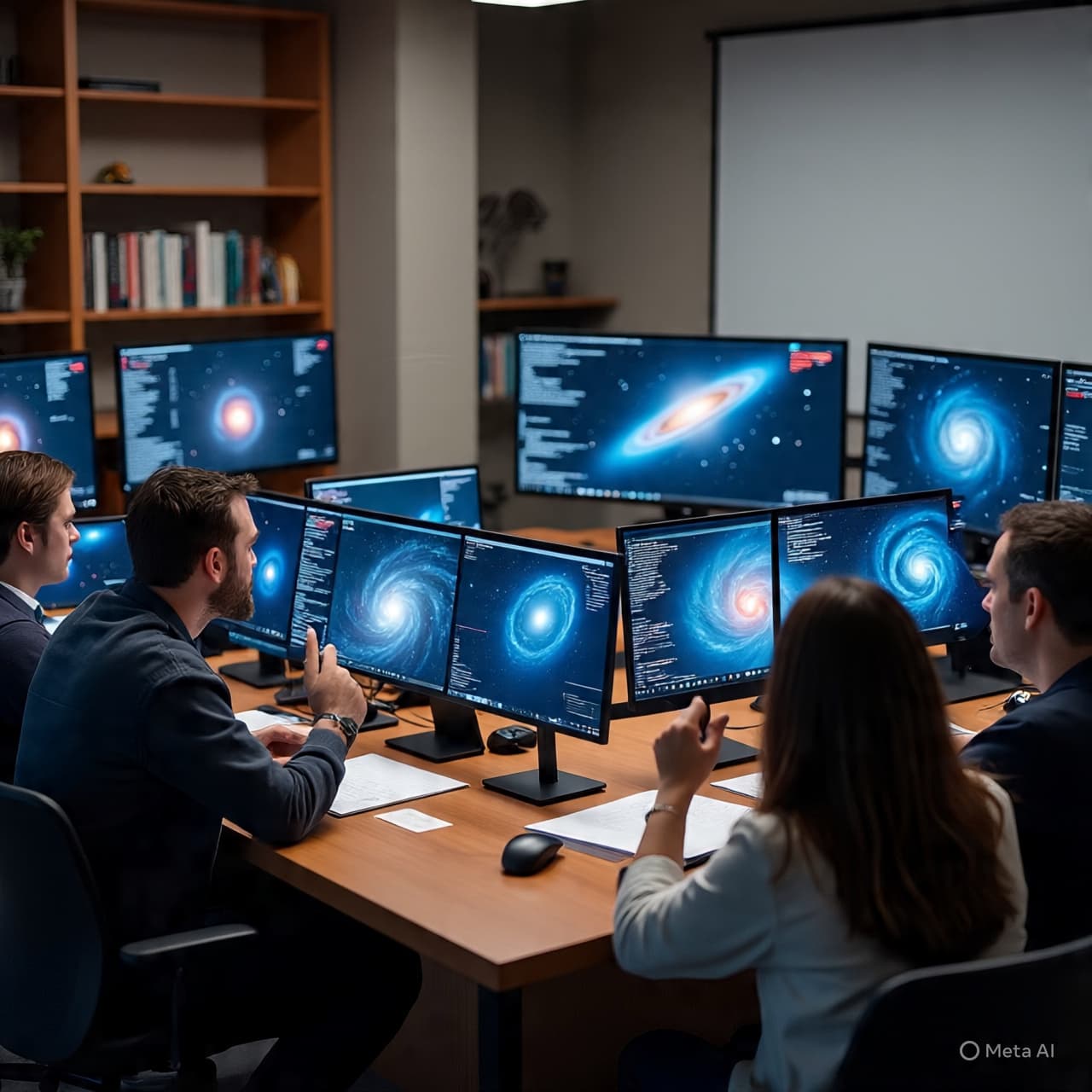
New research shows that fast galactic winds in starburst galaxies carry away most of the energy from supernovae, influencing how galaxies evolve.

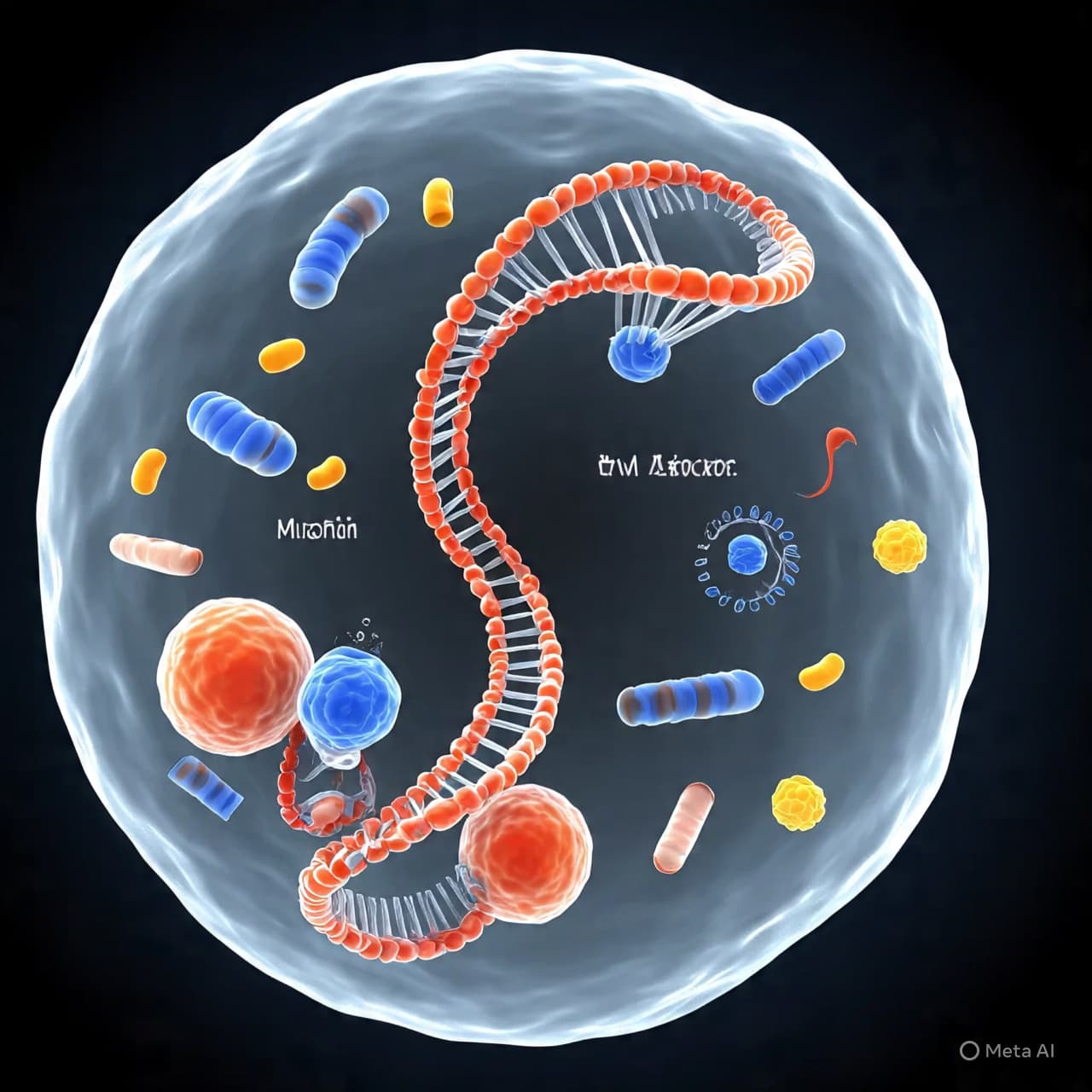
Scientists have created a 3D simulation of a minimal cell’s full life cycle, offering new insight into how simple living systems grow, organize, and divide.

NASA’s latest SPACELINE list compiles new research on human health, cognition, and biology in space, highlighting ongoing studies in microgravity and long-duration missions.

A University of Kansas researcher has earned a prestigious NASA Hubble Fellowship to study exoplanet magnetic fields and distant planetary atmospheres.

A first quantum battery prototype signals a shift in energy storage, using quantum mechanics to enable faster, more efficient charging. While still experimental, it hints at transformative future applications.

Scientists have developed durum wheat that withstands freezing while maintaining pasta quality, potentially expanding growing regions and improving resilience.

A New Zealand-led experiment aboard the ISS has succeeded, offering promising insights for space research, manufacturing, and future scientific innovation.

Ukraine shows signs of battlefield momentum as Russia prepares for a potential spring offensive, highlighting a shifting and uncertain phase in the conflict.

A Jupiter probe captured video of interstellar object 3I/ATLAS, while SETI researchers scan it for technosignatures, exploring both its natural origins and deeper possibilities.

Meta asked some employees to work remotely amid layoff expectations, reflecting ongoing restructuring as the company shifts focus toward AI and efficiency.

NASA is rethinking its lunar Gateway space station, shifting focus toward direct Moon missions and flexible systems as part of a broader Artemis program adjustment.

Ancient DNA reveals a shift toward intensive farming and limited diets in an early society, contributing to stress and pushing the community toward instability.

Scientists have identified a new quantum mechanism that improves energy transfer in nanomaterials, potentially advancing technologies like solar energy and electronics.

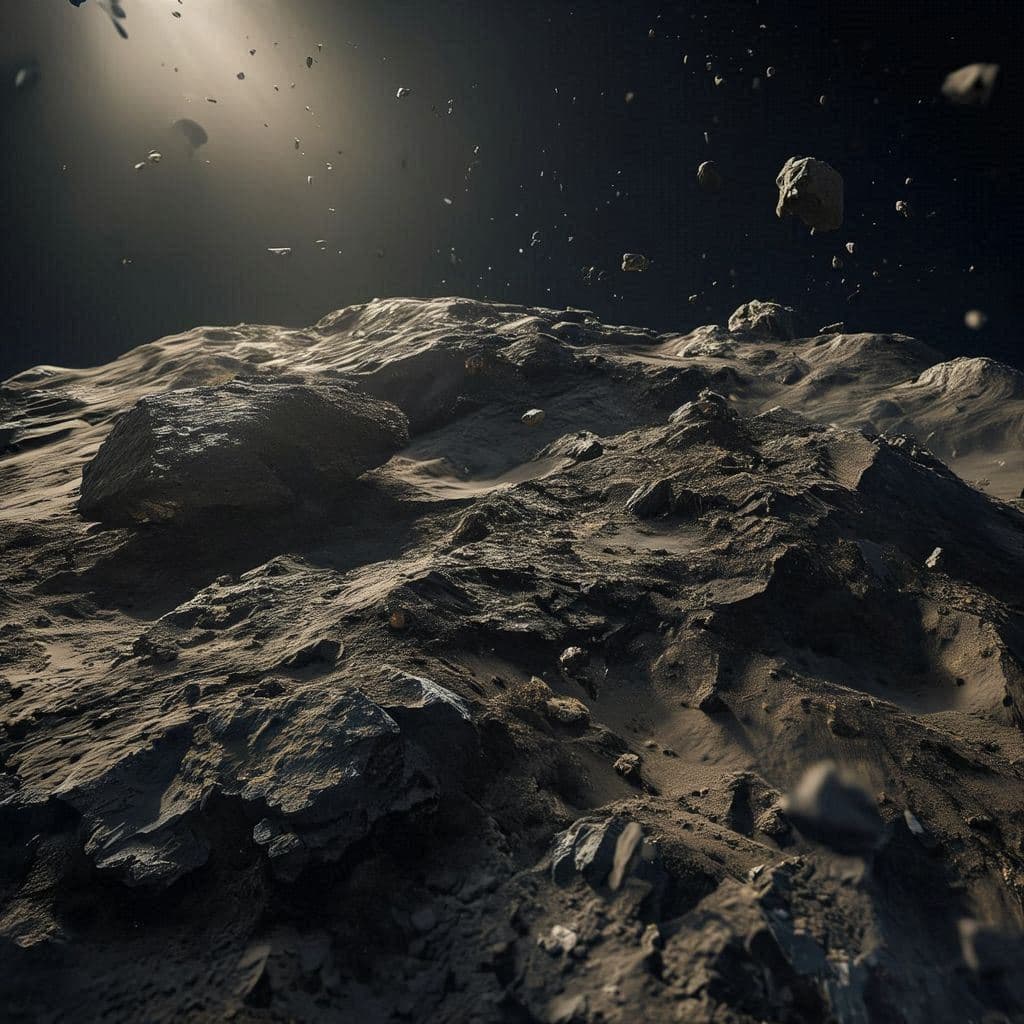
Asteroid Bennu’s fragile structure, particle ejections, and rich chemistry are reshaping scientific understanding of asteroids and their role in the solar system.