When the Cosmos Writes in Code: A Discovery That Echoes Our Origins
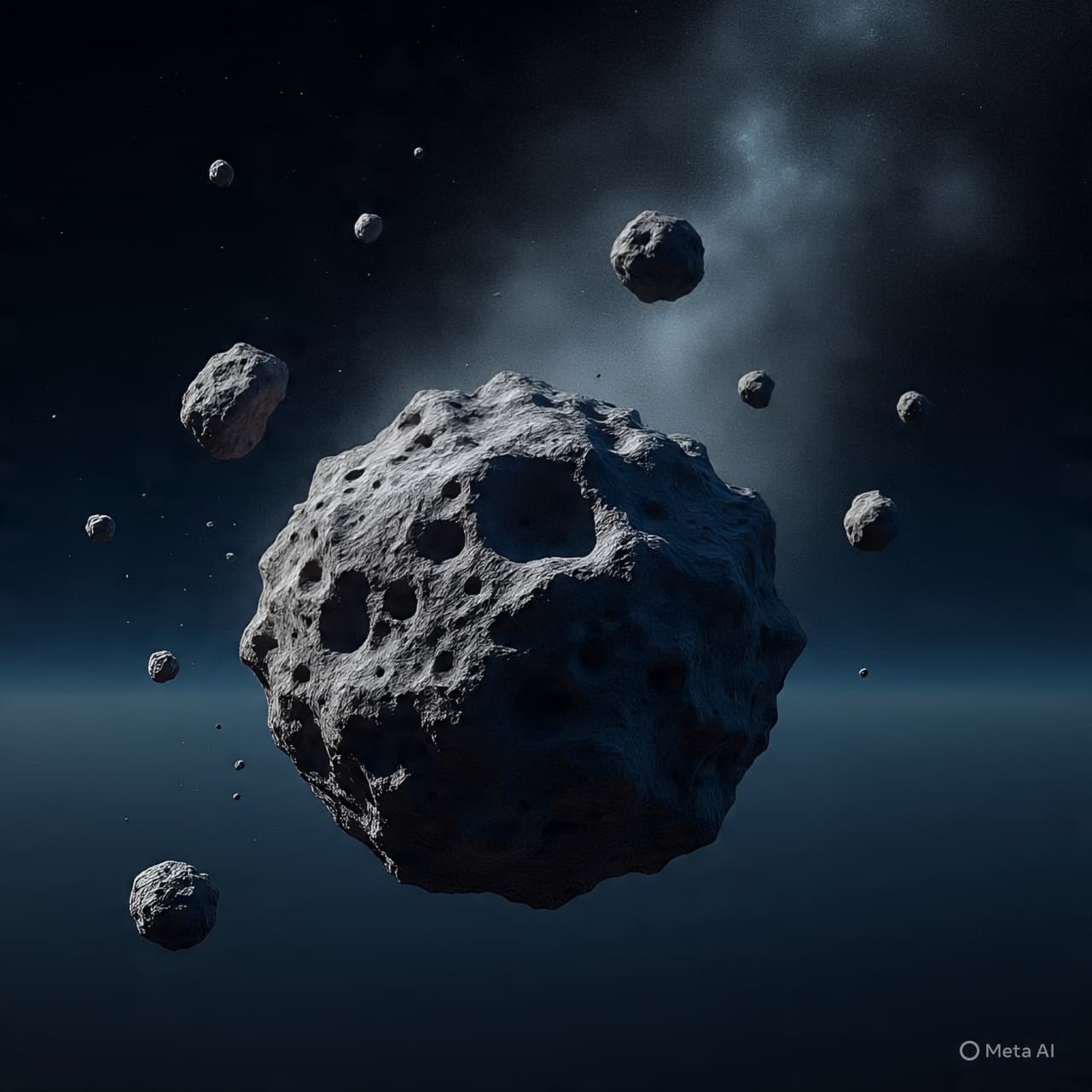
Scientists found all five DNA and RNA building blocks in asteroid Ryugu samples, suggesting life’s chemical ingredients may have originated in space.

Scientists found all five DNA and RNA building blocks in asteroid Ryugu samples, suggesting life’s chemical ingredients may have originated in space.

A study shows past actions strongly shape future decisions, revealing how behavior patterns persist beyond conscious choice.

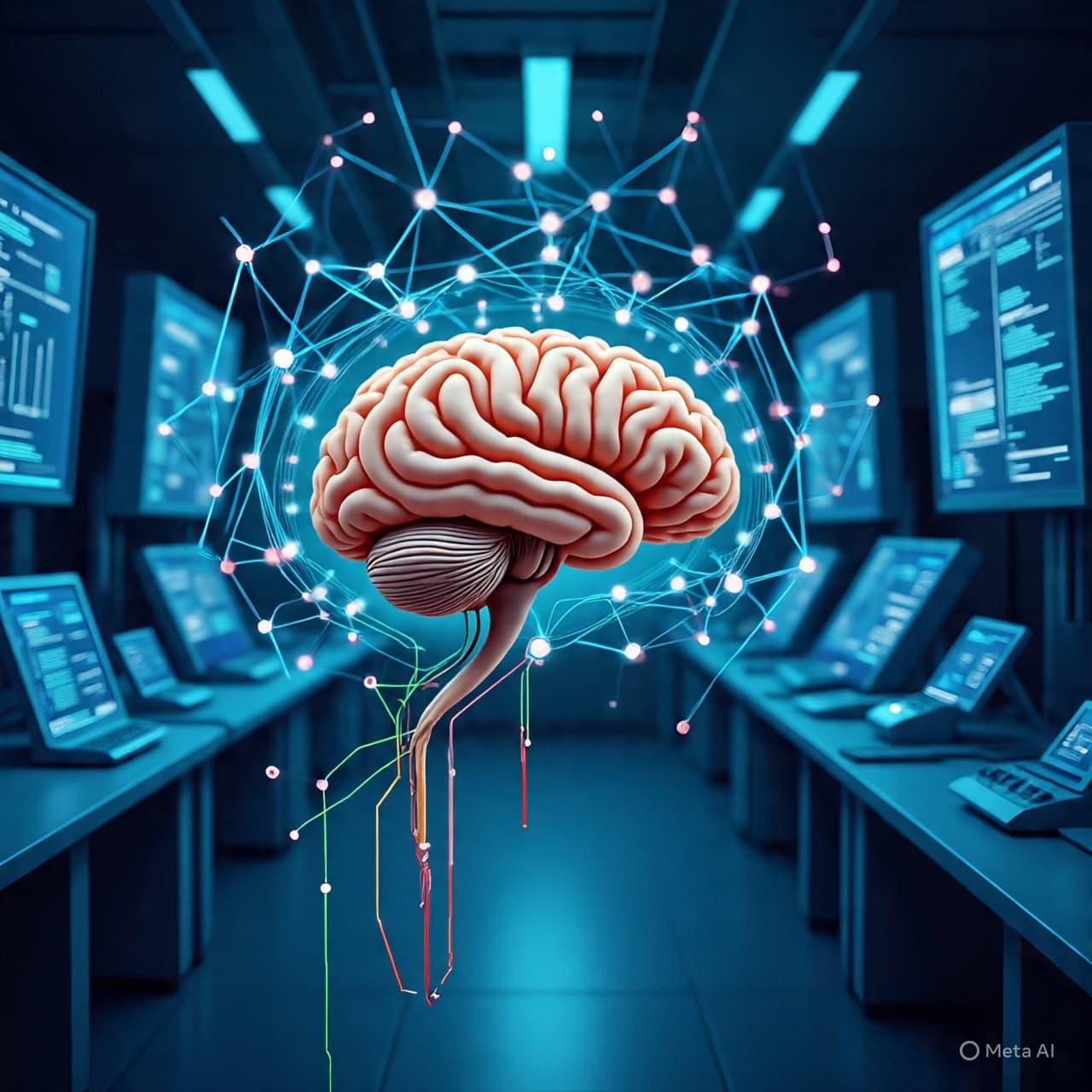
Neuroscience and machine learning are increasingly influencing each other, advancing both brain research and artificial intelligence.

A study finds neutral participants help groups reach faster, more stable decisions by bridging opposing views.

Twisting ultra-thin superconductors creates new electronic states, revealing how slight structural changes can reshape quantum behavior.

A floating time crystal shows motion that appears to defy Newton’s third law, revealing new insights into non-equilibrium physics.

A new terahertz imaging system speeds up medical diagnostics, offering faster, non-invasive detection of tissue abnormalities.

Antarctic research reveals small signs of stability and resilience, offering cautious hope within broader climate change impacts.

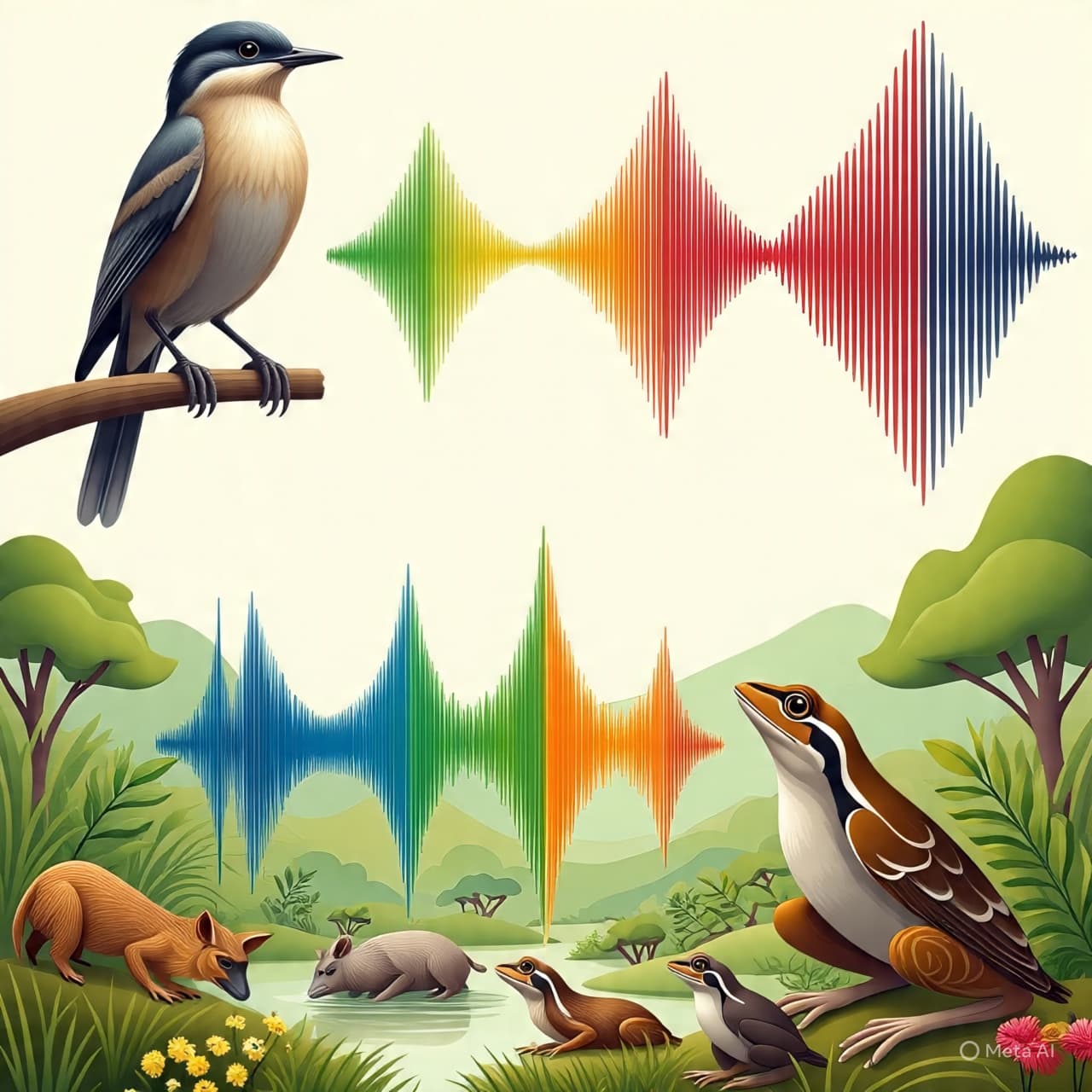
Research suggests humans and animals share preferences for certain mating call sounds, supporting an idea first proposed by Darwin.

Proton radiation in early atmospheres may have created warming gases and prebiotic molecules, shaping conditions for life on Earth and exoplanets.

Researchers measured irreversibility in gene transcription, revealing how cellular processes follow a forward, energy-driven direction.

A Mars formation resembling a pyramid is likely a natural geological shape, influenced by lighting and human pattern recognition.

SpaceX is exploring orbital data centers, proposing satellites that could process and store data in space instead of on Earth.

Scientists traced airborne sulfur particles over the Pacific to phytoplankton, revealing a hidden link between ocean life and atmospheric chemistry.

A key shift in cosmic inflation data may be a statistical artefact, highlighting the uncertainty in studying the universe’s earliest moments.

Fiber-optic sensors reveal how farming compacts soil, damaging its structure and reducing its ability to support water flow and root growth.

Scientists have trapped light in a nanoscale layer, enabling new control over light for future photonic and nano technologies.

USAF funding helped advance laser–atmosphere modeling, improving understanding of how light travels through turbulent air for both defense and civilian use.

Scientists have found a “second layer” in DNA, where overlapping signals regulate gene activity, revealing greater genetic complexity.

Blue Origin’s NEO Hunter concept aims to detect and gently deflect asteroids, contributing to early-stage planetary defense efforts.

New research challenges a 70-year-old model of bacterial swimming, revealing more complex and dynamic motion than previously understood.

Asteroid samples contain DNA and RNA building blocks, suggesting life’s essential chemistry can form in space and reach planets like Earth.

Scientists confirmed a faint glow in a South Carolina swamp as bioluminescence, revealing a subtle natural light long mistaken for illusion.

Exomoons may subtly alter planetary heat signals, offering both challenges and new opportunities for detecting hidden moons in distant systems.