
SCIENCE91% credibility
In the Quiet Twists of Life: How Shape Itself Holds the Limits of Healing
Scientists have found DNA shape affects gene therapy success, influencing how easily genes can be accessed and modified.
2 min read

Scientists have found DNA shape affects gene therapy success, influencing how easily genes can be accessed and modified.

NASA highlights science as central to its Moon-to-Mars plans, integrating research into missions to guide future human exploration.

Evidence shows Neanderthals ate elephant meat 125,000 years ago, indicating advanced hunting or scavenging and food processing skills.

NASA will unveil the completed Roman Space Telescope and host a briefing, highlighting its mission to study dark energy and exoplanets.
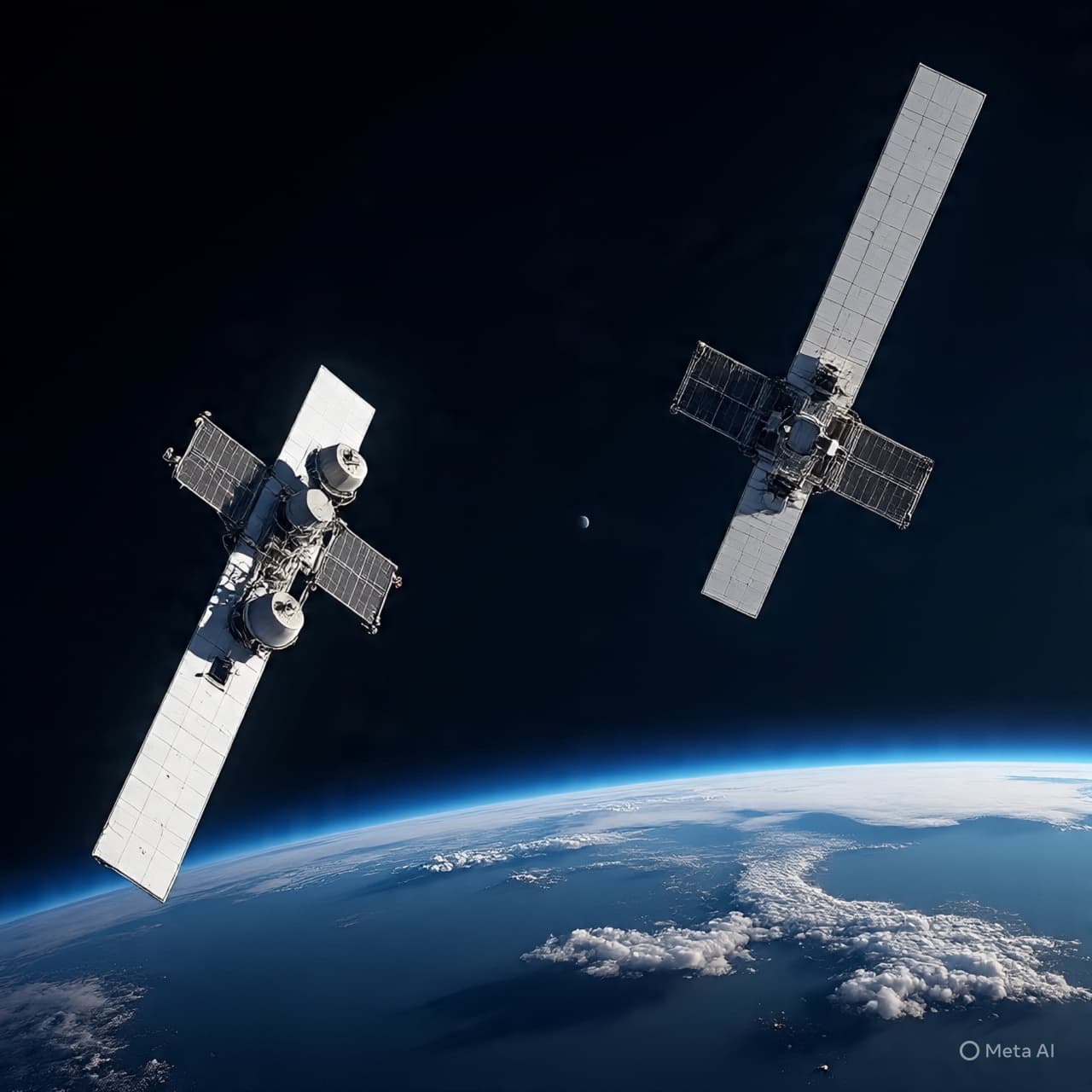
U.S. GSSAP satellites conducted a GEO handoff to maintain continuous monitoring of China’s Shijian-29 spacecraft.
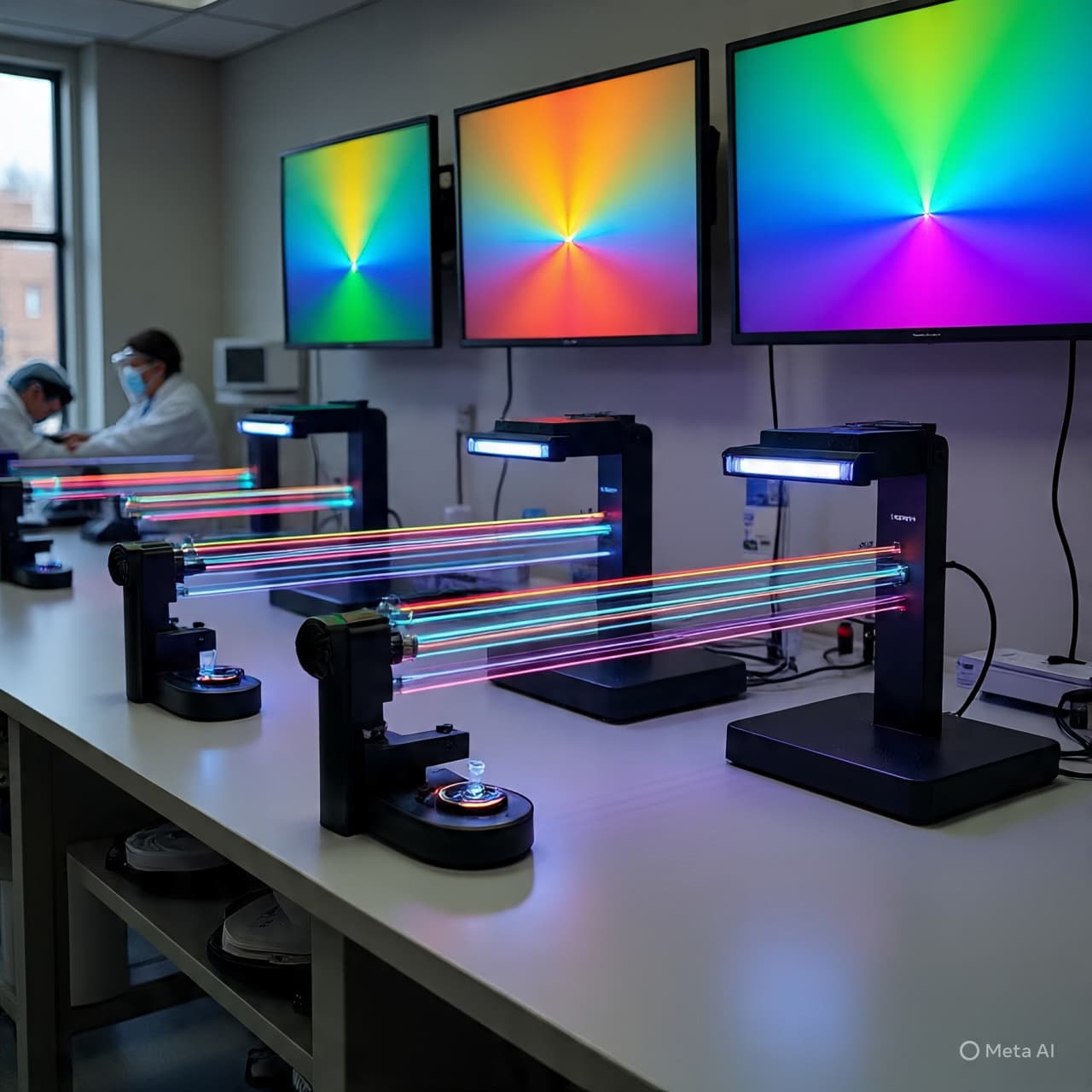
Scientists have observed “dark points” in light patterns that appear to move faster than light, though they do not break physical laws.

Scientists are exploring how discarded oyster shells can remove rare earth metals from polluted water, offering a potential low-cost cleanup method.

Hubble has observed a comet reversing its spin, a rare phenomenon likely caused by gas jets that may signal its eventual breakup.

A New Zealand experiment aboard the ISS has successfully completed its mission, contributing valuable data to microgravity research.
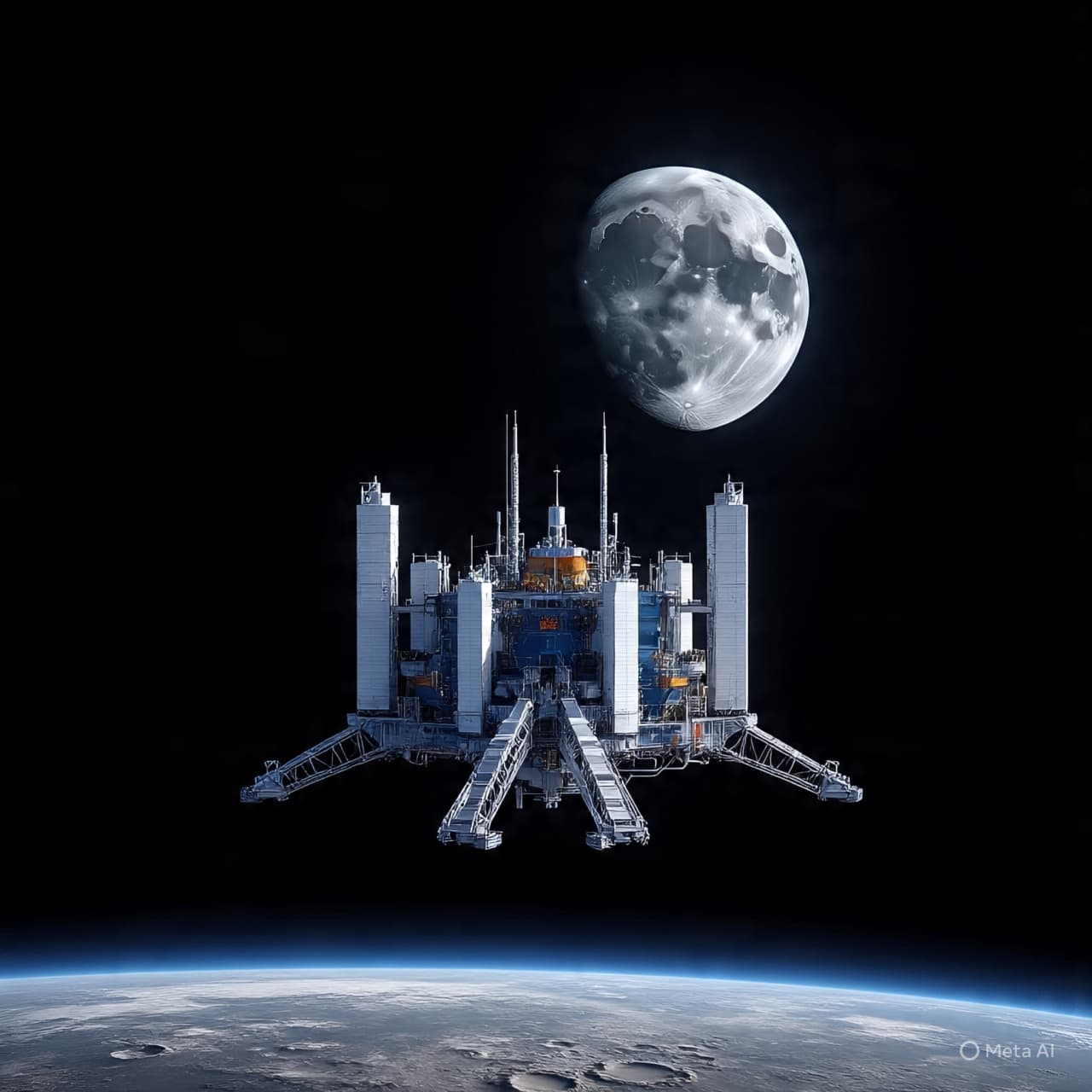
Claims that NASA will “nuke” Gateway and send it to Mars are unfounded; no credible sources support this idea.

Some urban birds use cigarette butts in nests, which may reduce parasites, though potential toxic effects remain uncertain.
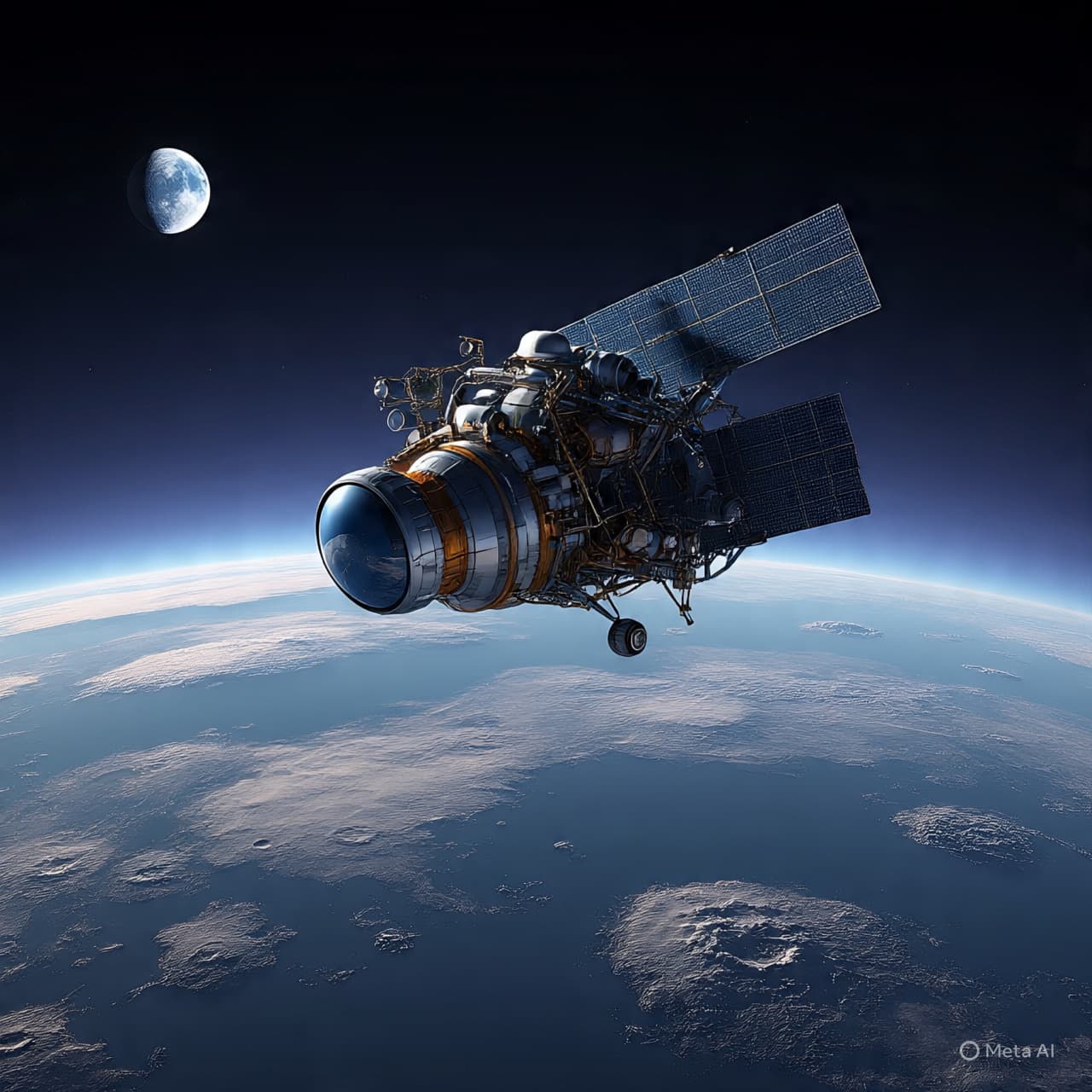
NASA has outlined coverage plans for Artemis II, the first crewed Artemis mission, which will send astronauts around the Moon aboard Orion.

Scientists found about 100 new exoplanets by reanalyzing NASA Kepler and TESS data, revealing hidden worlds in existing observations.

Silicon nanospheres boost WS₂ second-harmonic generation up to 40× while preserving polarization, advancing nanoscale photonic control.

Scientists have identified a new species of steamer duck in southern Chile, distinguished by unique physical and genetic traits.
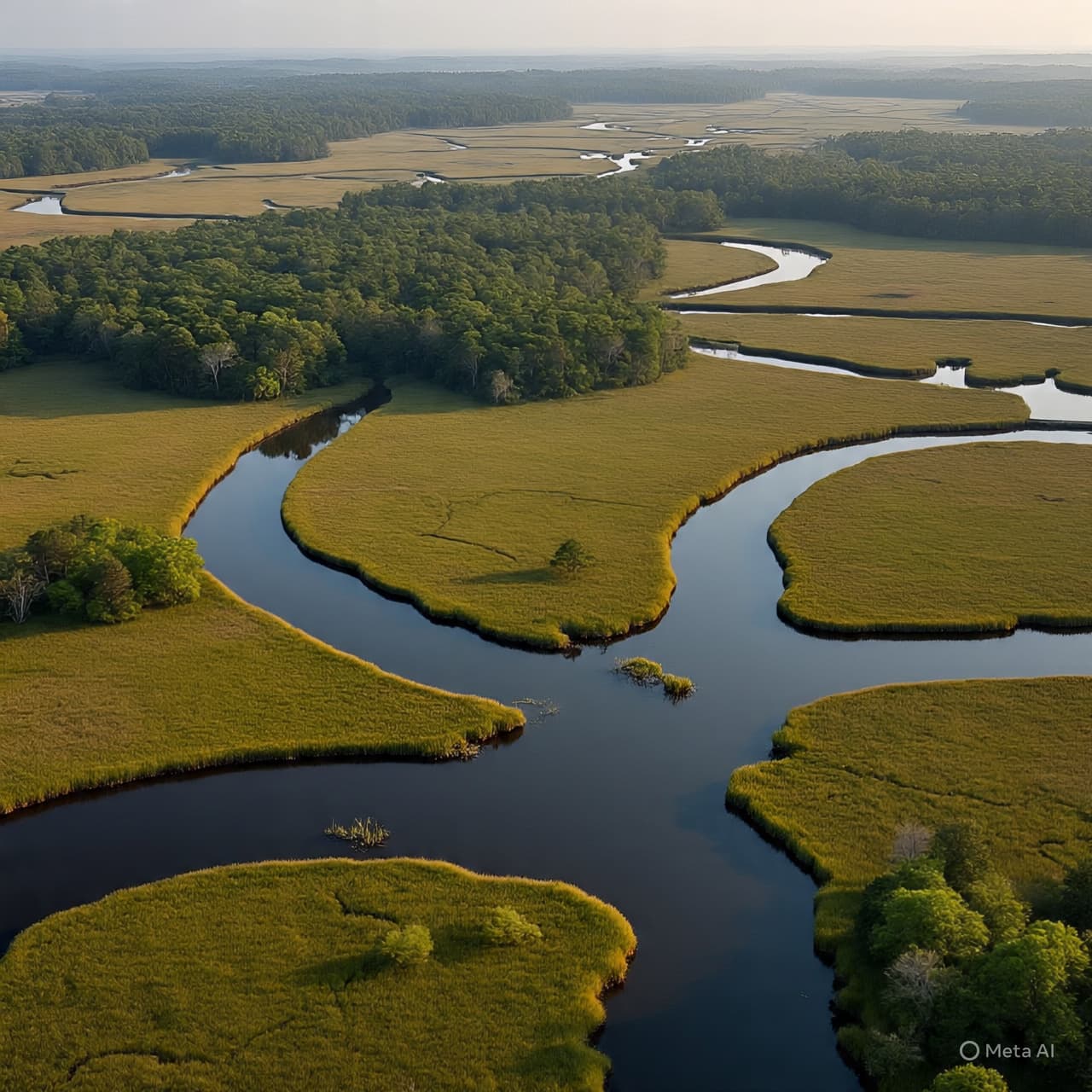
Self-organization in marsh soils creates diverse microhabitats, fostering biodiversity and enhancing the resilience of wetland ecosystems.
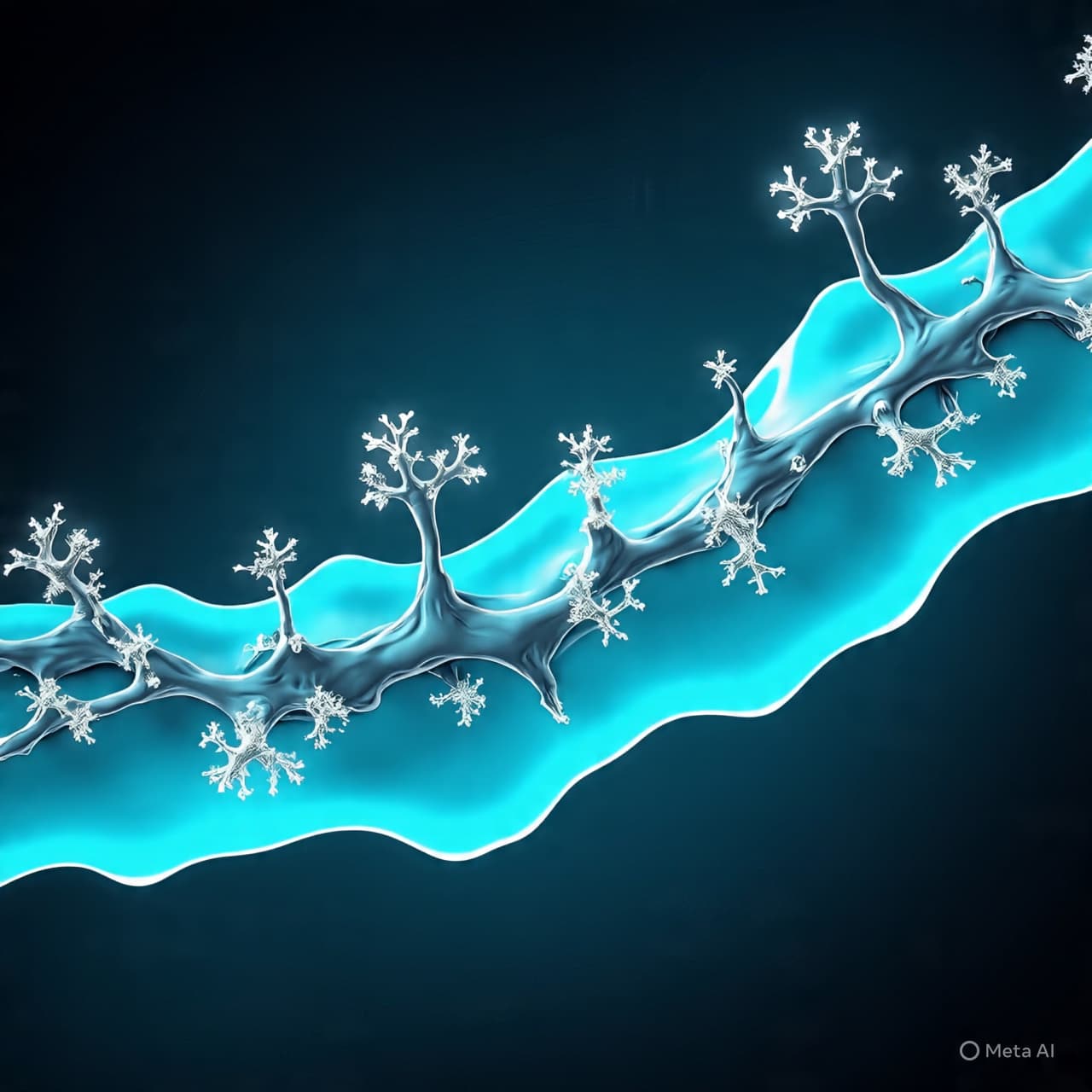
Dendrite growth in solid electrolytes is linked with electrochemical corrosion, affecting stability and performance in next-generation solid-state batteries.
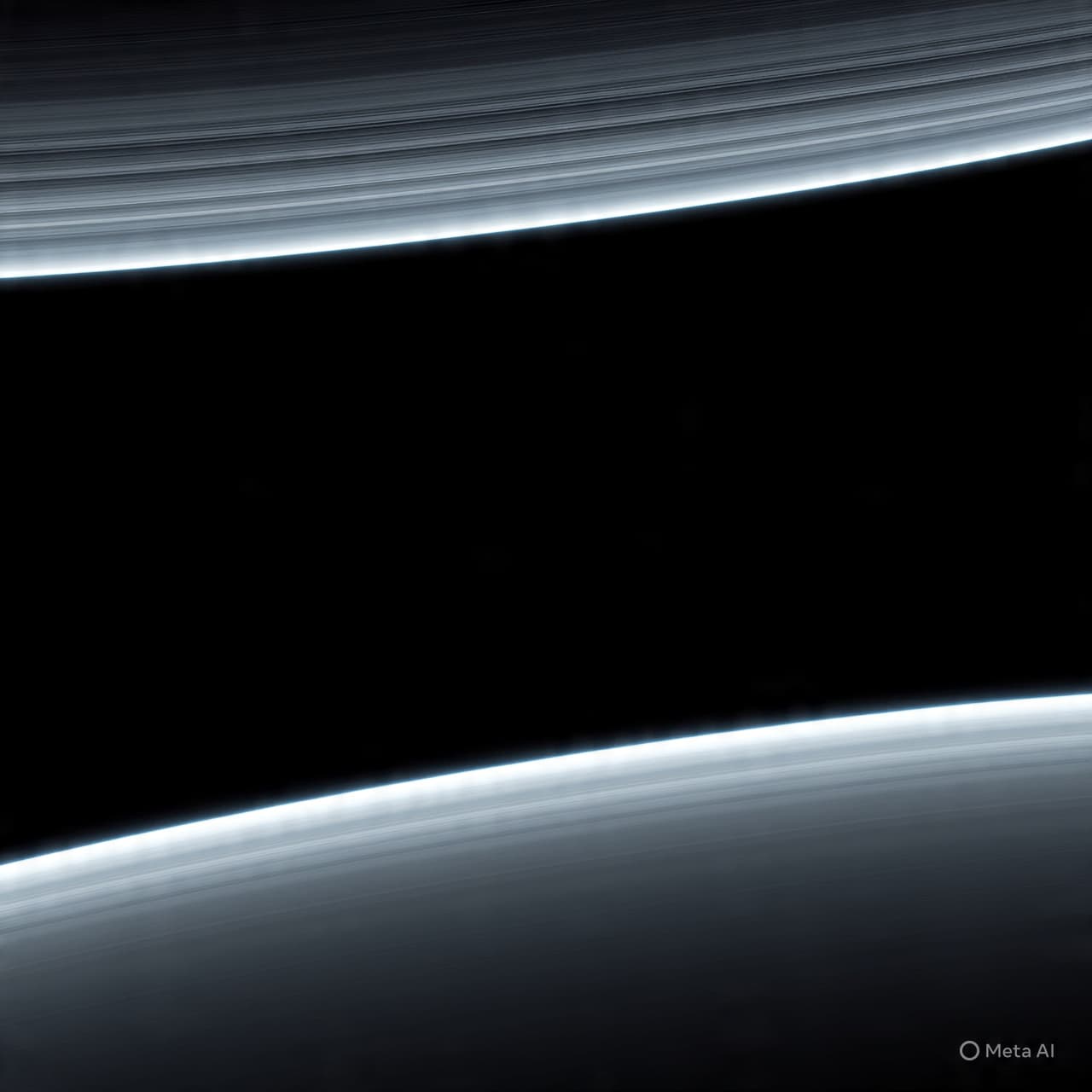
Webb and Hubble combined observations of Saturn, offering a multi-wavelength view that reveals new details about its atmosphere and rings.

Scientists developed a chip-scale frequency comb using topological solitons, improving stability and enabling compact, high-precision photonic technologies.

Shell-cracking turtles survived the Cretaceous extinction, likely due to freshwater habitats and flexible diets, offering insight into resilience during mass extinction.
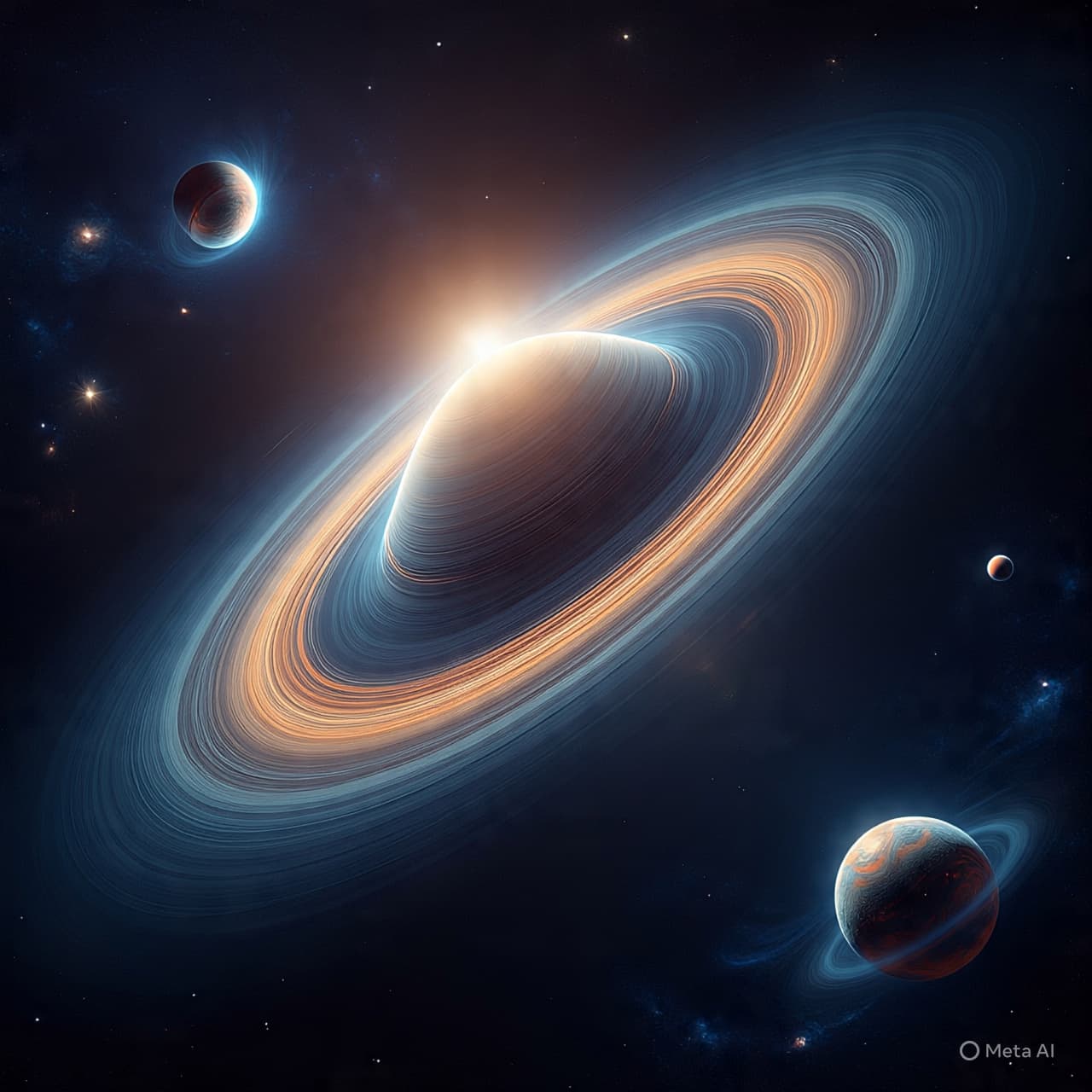
Astronomers directly observed two forming planets around a young Sun-like star, revealing early stages of planetary formation within a protoplanetary disk.

Astronomers detected a chirp signal from a supernova, offering new clues about internal dynamics and hidden physics during stellar explosions.
Cold sensitivity arises from changes in structural energetics, where lower temperatures alter molecular flexibility, stability, and function in biological and material systems.
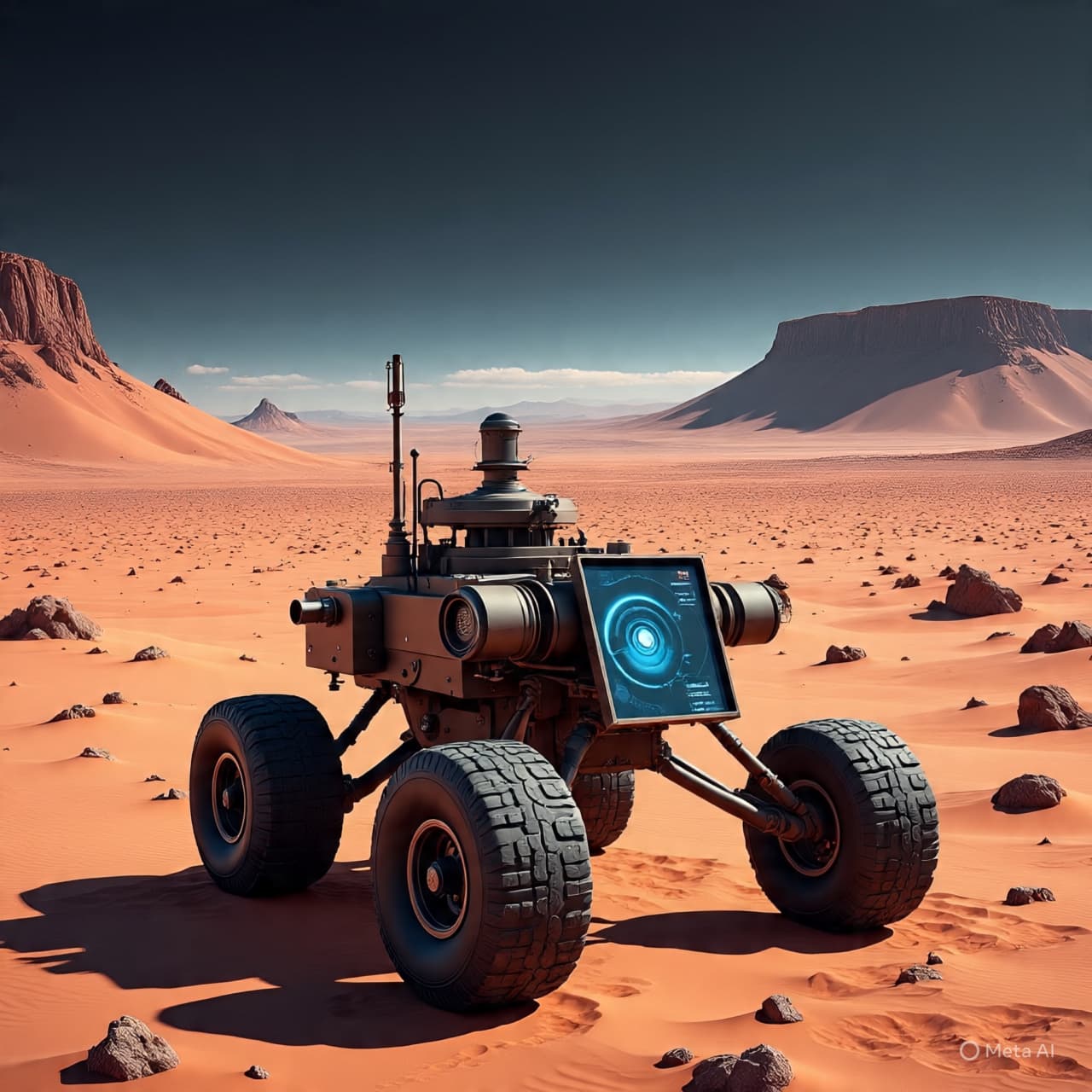
Perseverance’s radar has revealed layered subsurface deposits in Jezero Crater, offering new evidence of Mars’ ancient and complex water history.