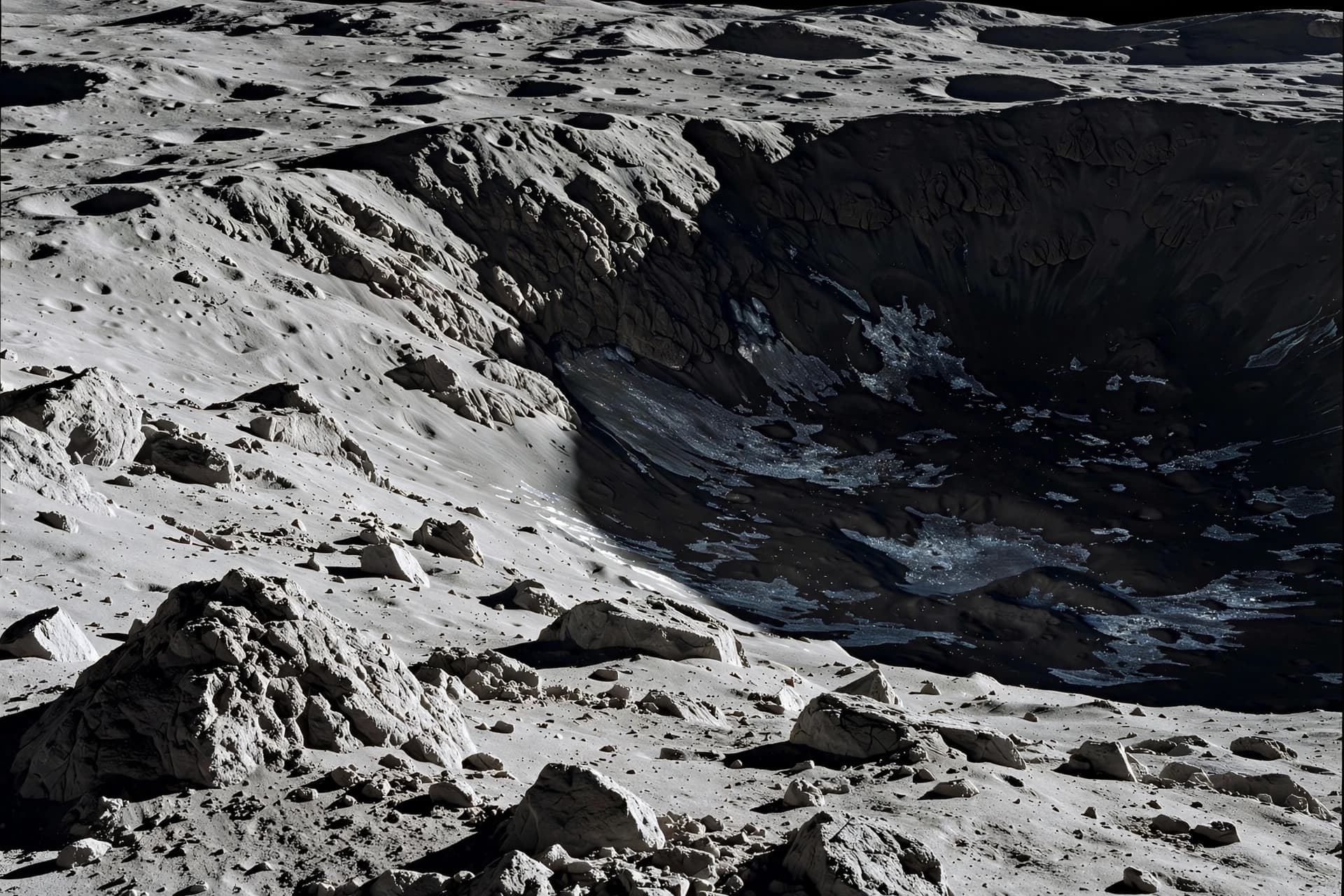
The Moon Is Not a Destination; It Is an Environment to Be Understood
NASA selects three experiments to study lunar ice, possible lava tube shelters, and environmental hazards ahead of plans for a permanent Moon base.

NASA selects three experiments to study lunar ice, possible lava tube shelters, and environmental hazards ahead of plans for a permanent Moon base.

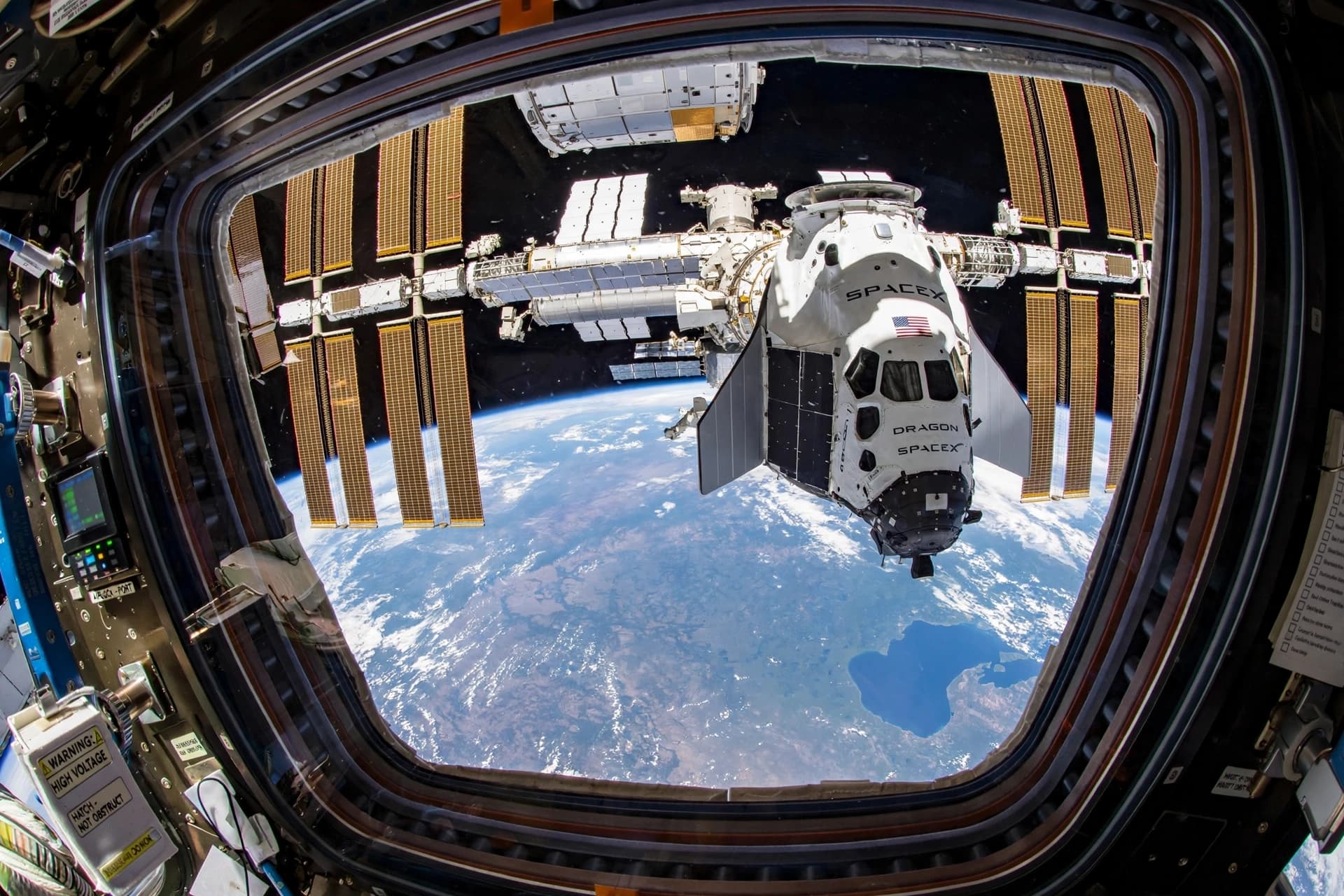
Crew-13 astronauts, including Canada's Joshua Kutryk, boarded the ISS after a record-setting eight-hour flight, beginning a six-month mission of scientific research.

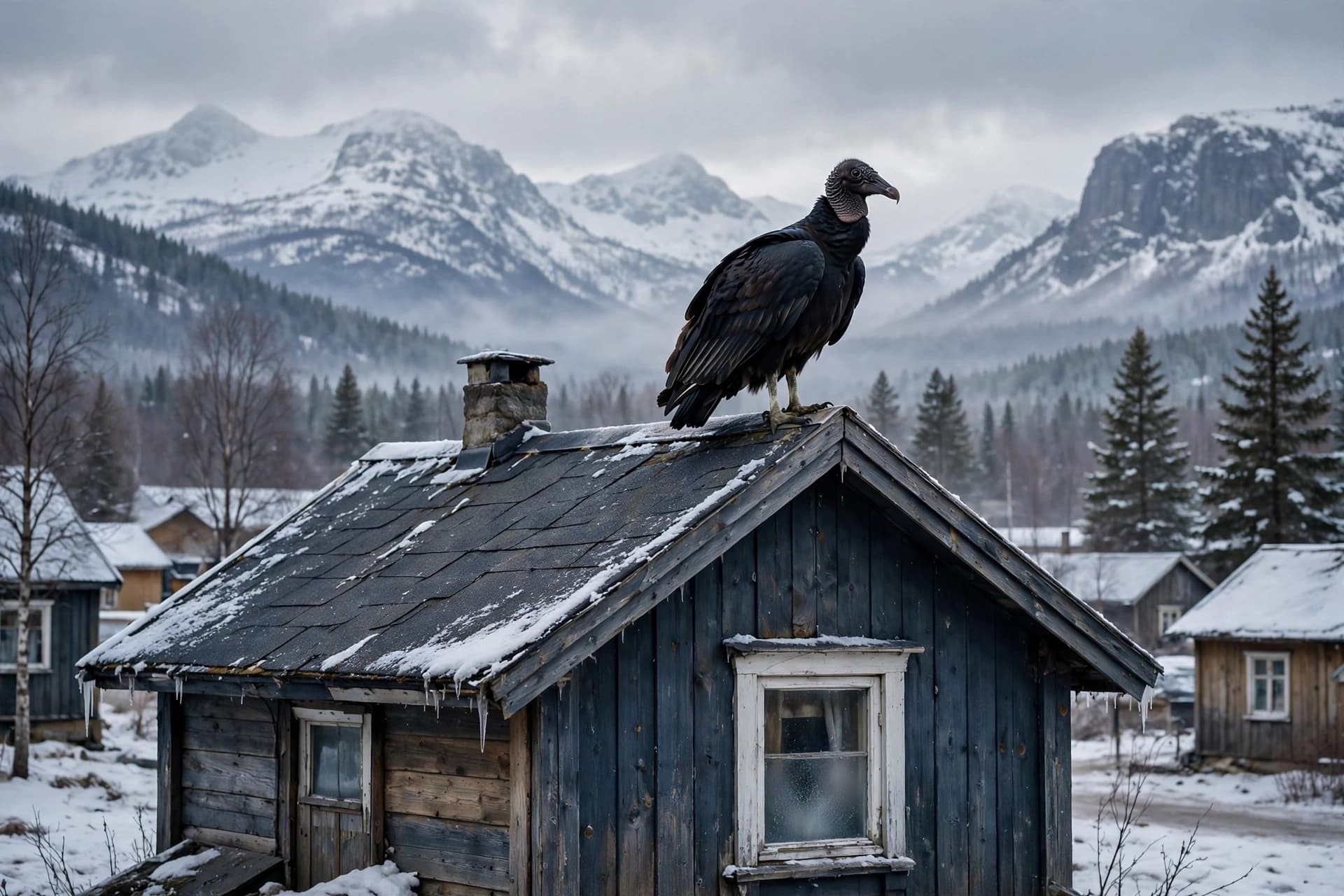
A black vulture, rarely seen in Canada, has drawn birders and curious residents to Mayo, Yukon, where it is feeding on scraps and delighting the community before winter approaches.

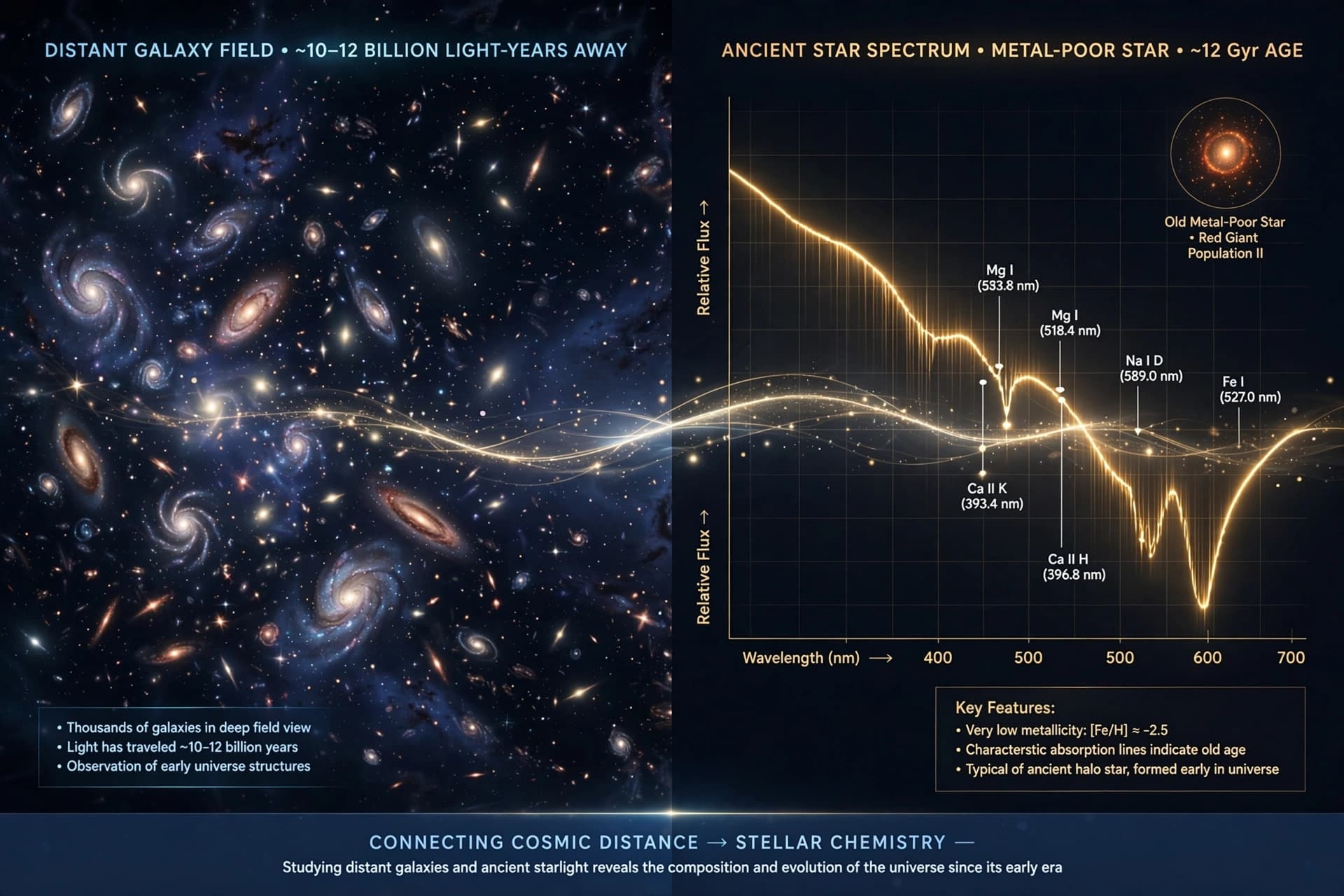
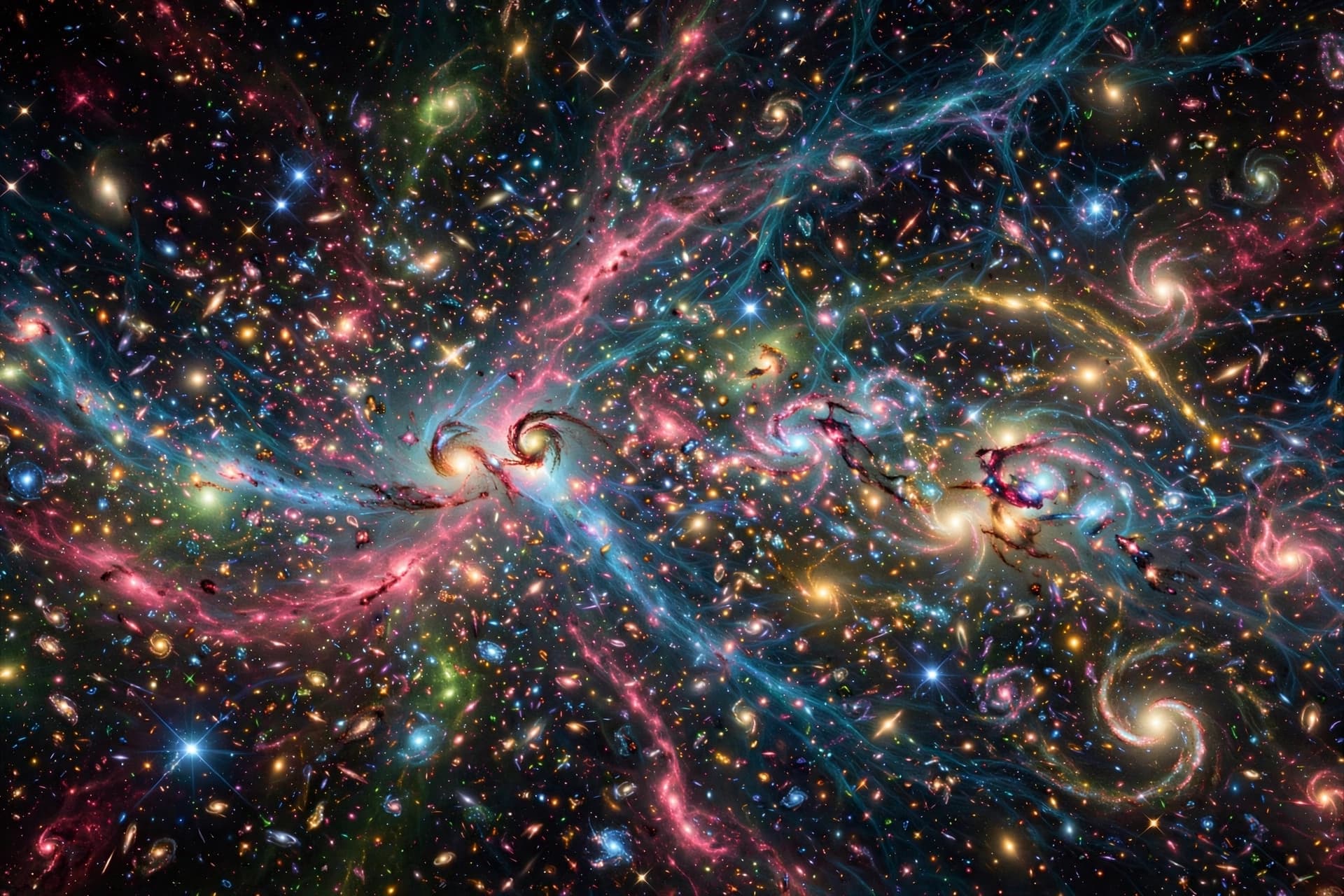
MEGATRON simulations connect JWST observations of the early universe with the chemical fingerprints preserved in ancient stars, offering a unified view of how the first stars formed and enriched the cosmos.

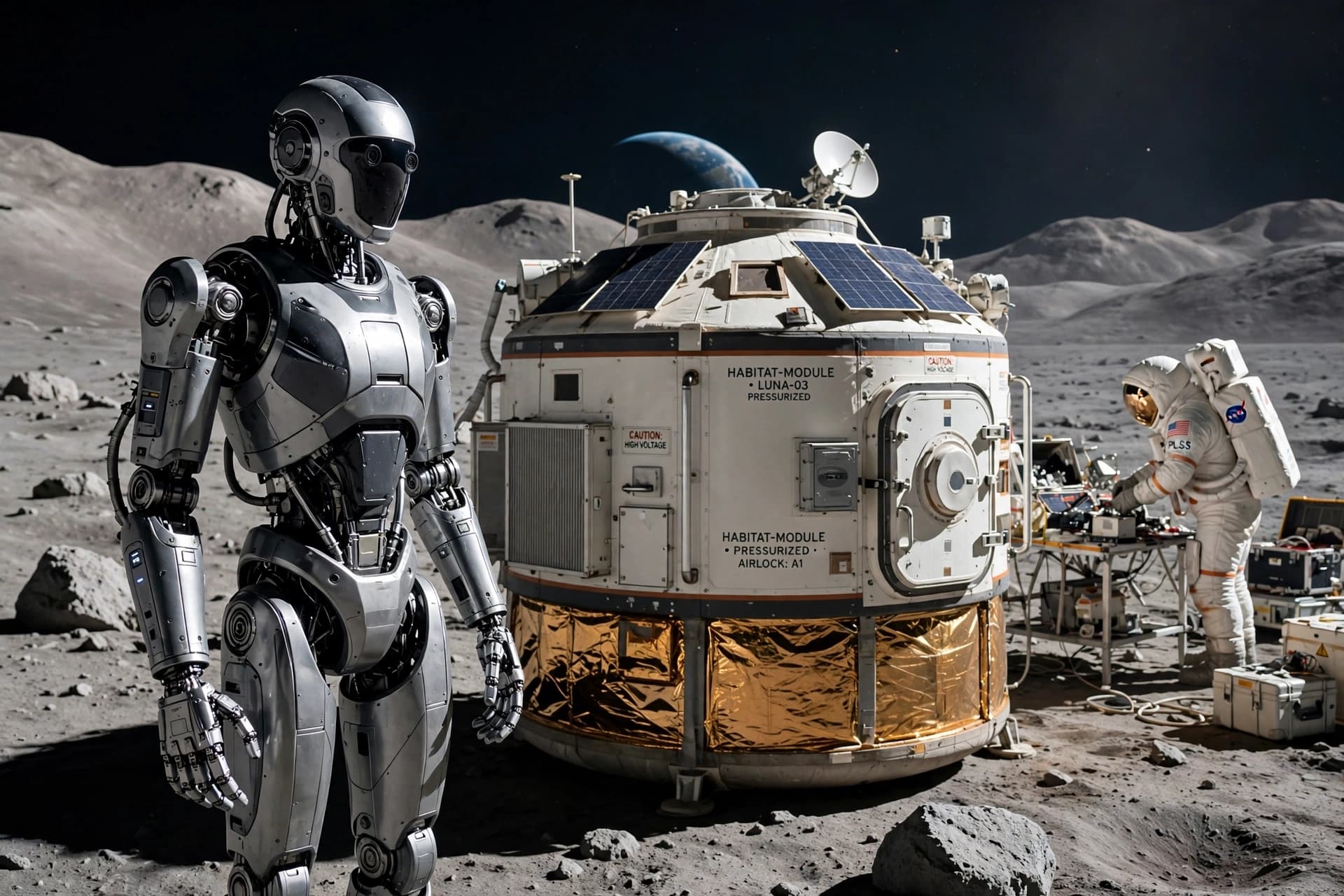
NASA's Dexterous Robotics Team is preparing humanoid robots to work alongside astronauts on future lunar missions, handling dangerous tasks while humans focus on exploration.

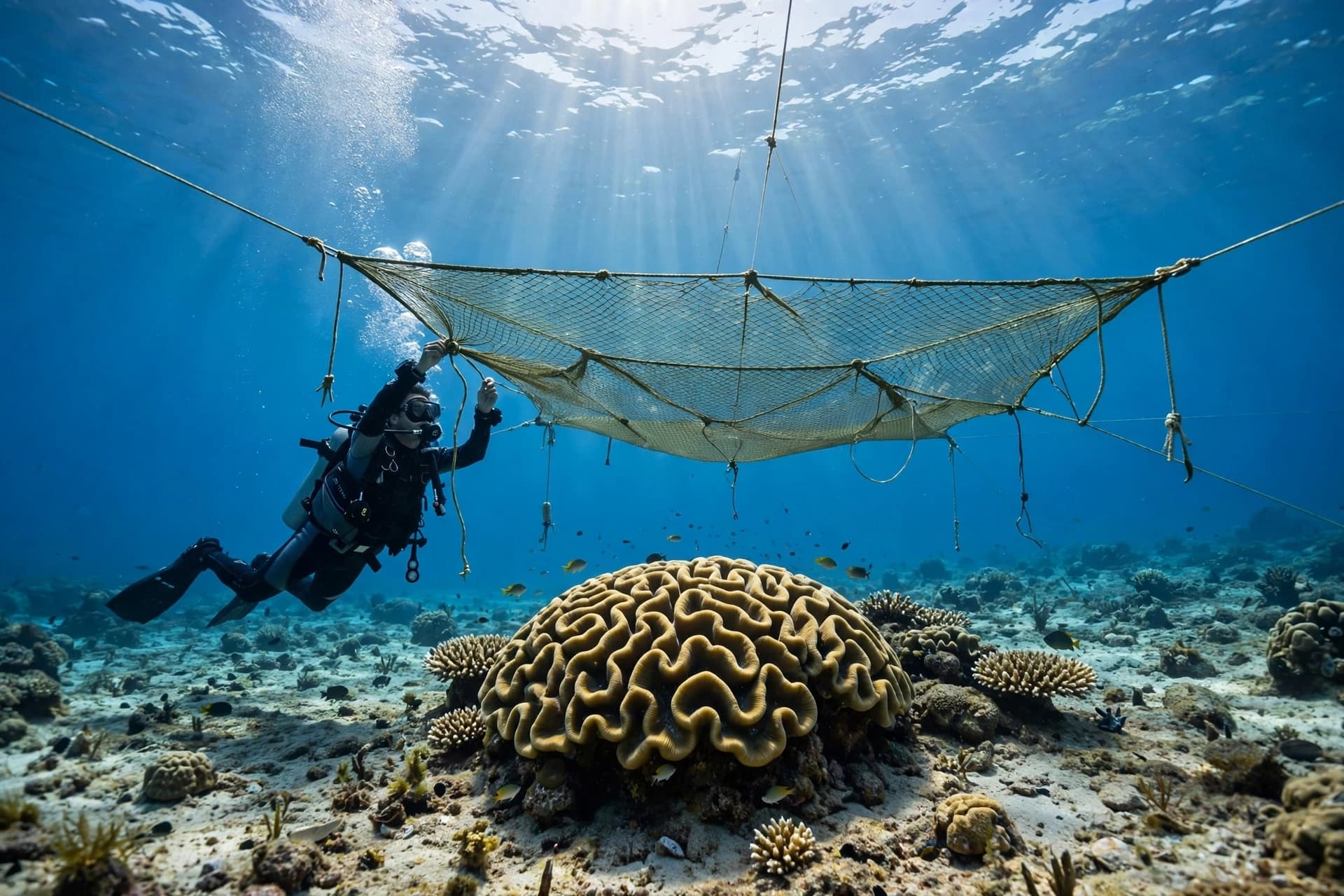
Researchers tested underwater shades over Caribbean brain corals and found they reduced bleaching and even helped some corals regain color during a record heatwave.

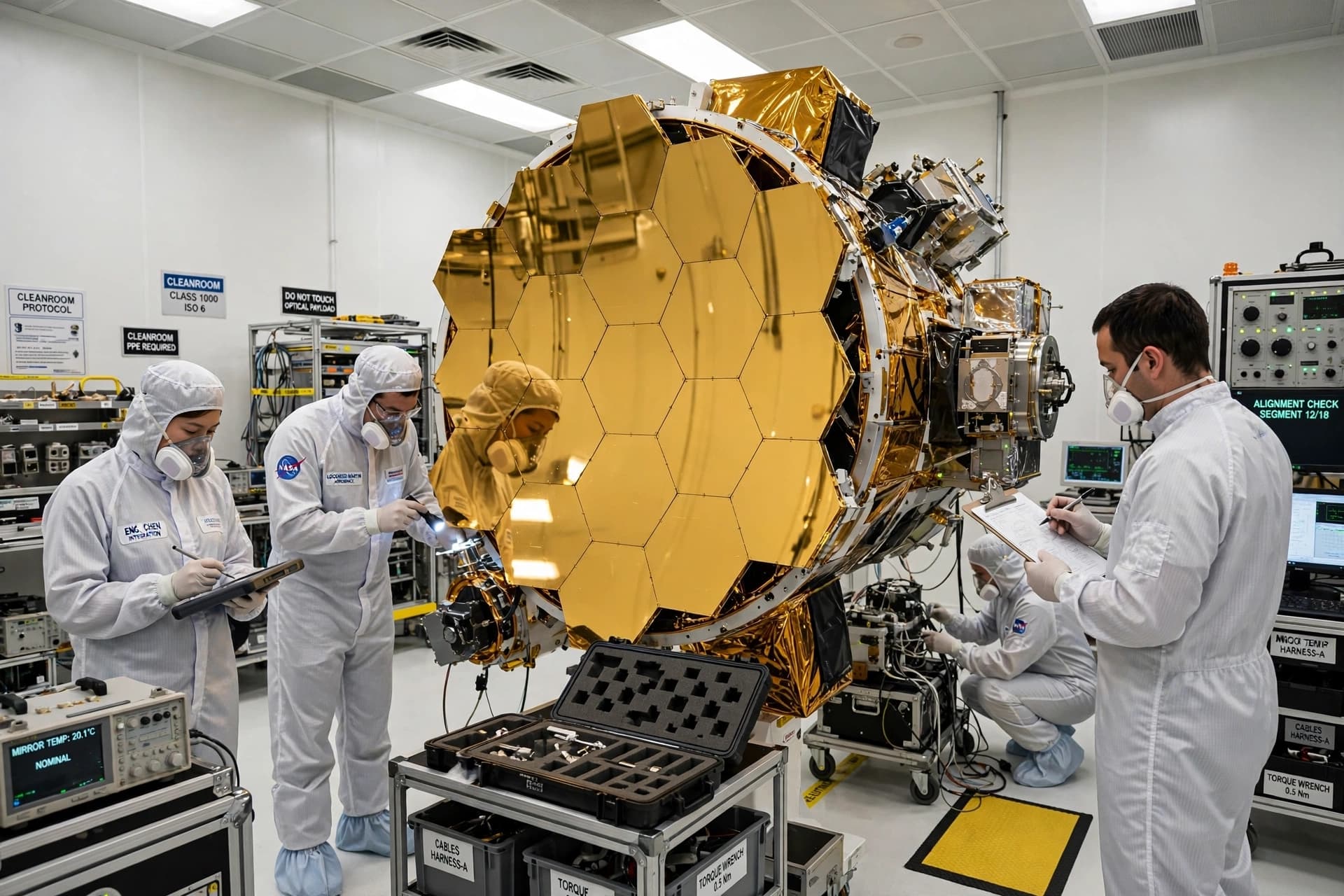
NASA selects PRIMA, the first Probe Explorer mission, a $1.2 billion far-infrared telescope launching in 2033 to study planet formation, galaxy evolution, and cosmic dust.

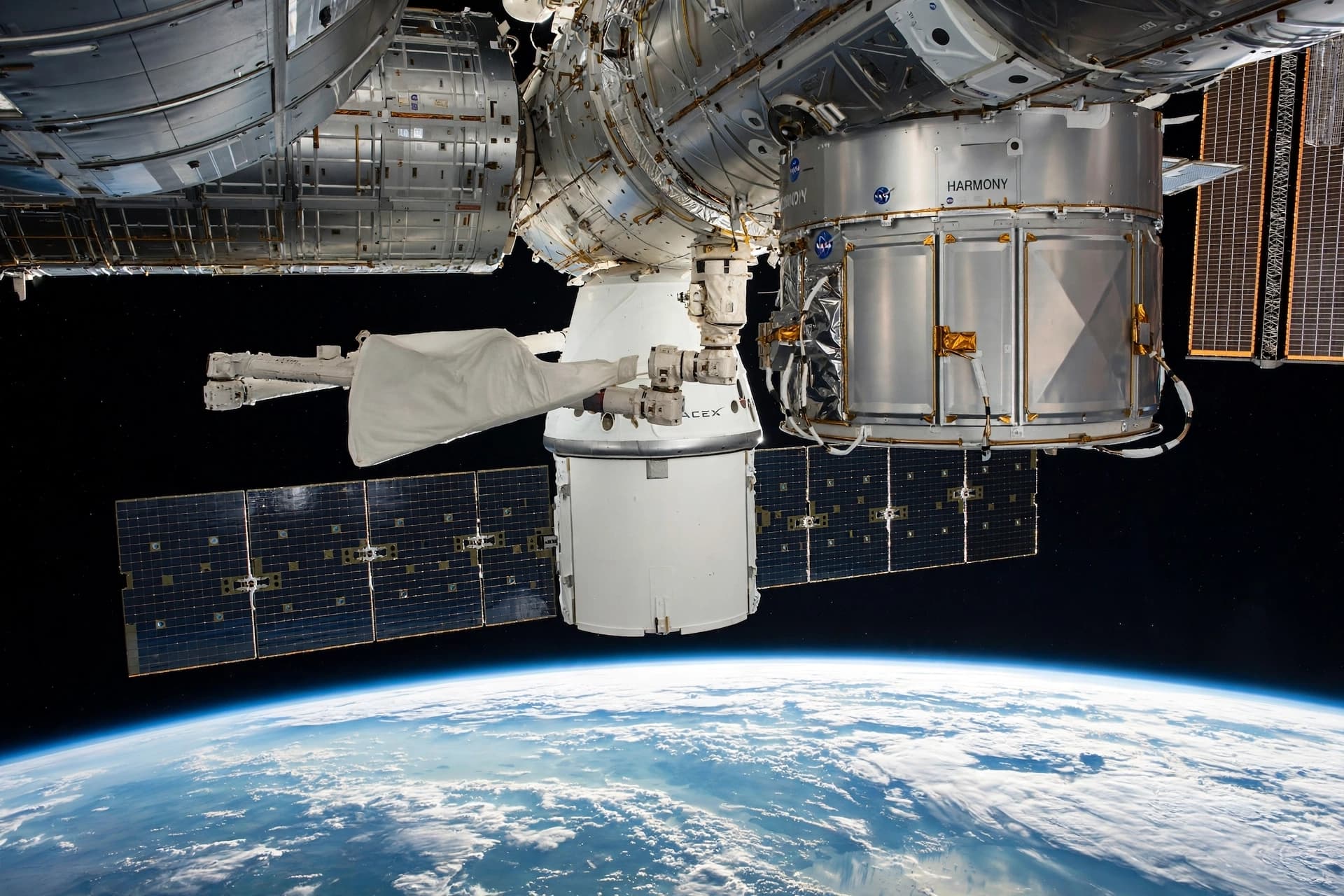
Crew-13 docks with the ISS in a record 7 hours 55 minutes as NASA names the Crew-14 astronauts for a spring 2027 launch, continuing the station's steady rhythm of rotation.

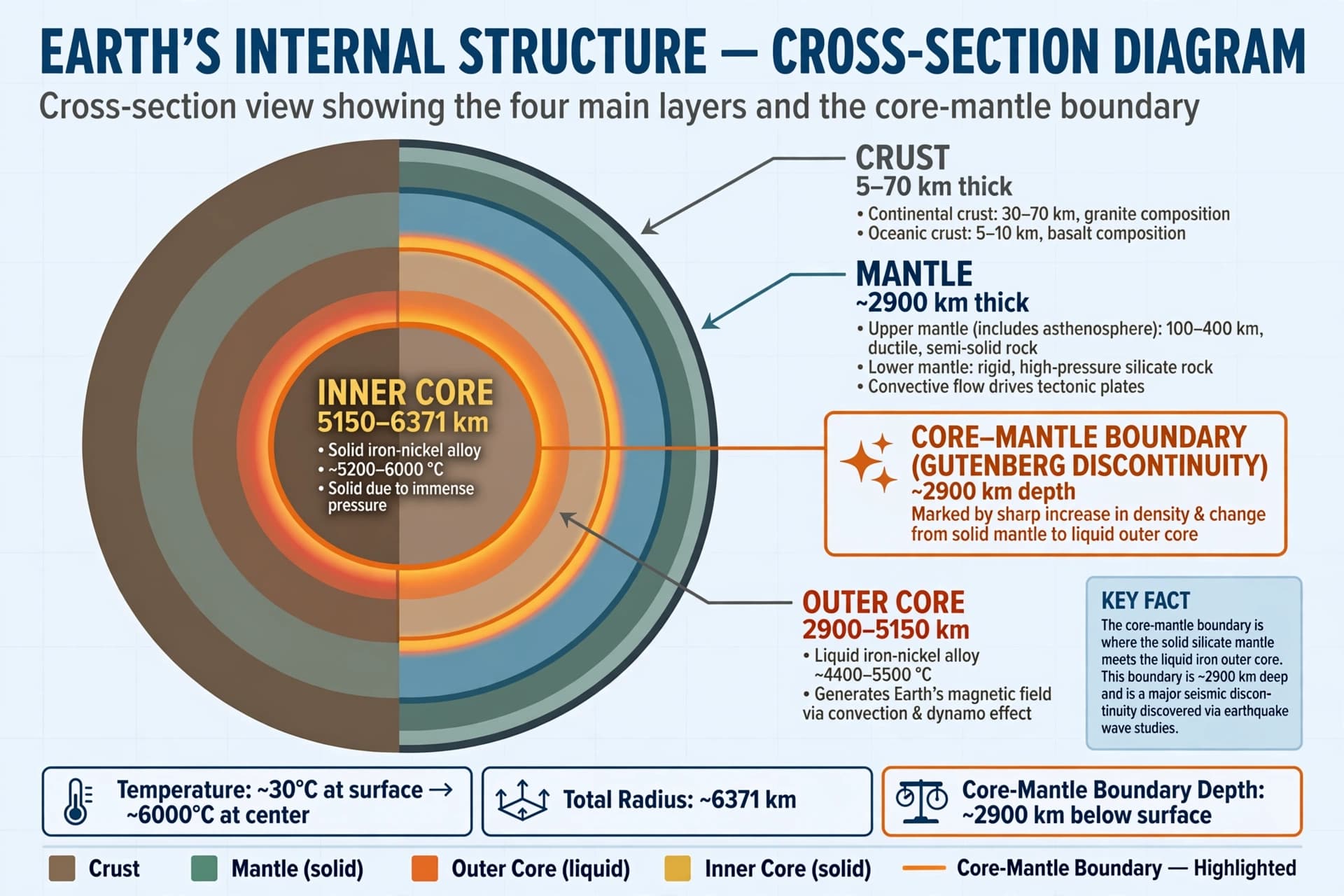
AI analysis of seismic data reveals six previously undocumented regions of heterogeneity near Earth's core-mantle boundary, possibly ancient subducted plates or primordial material.

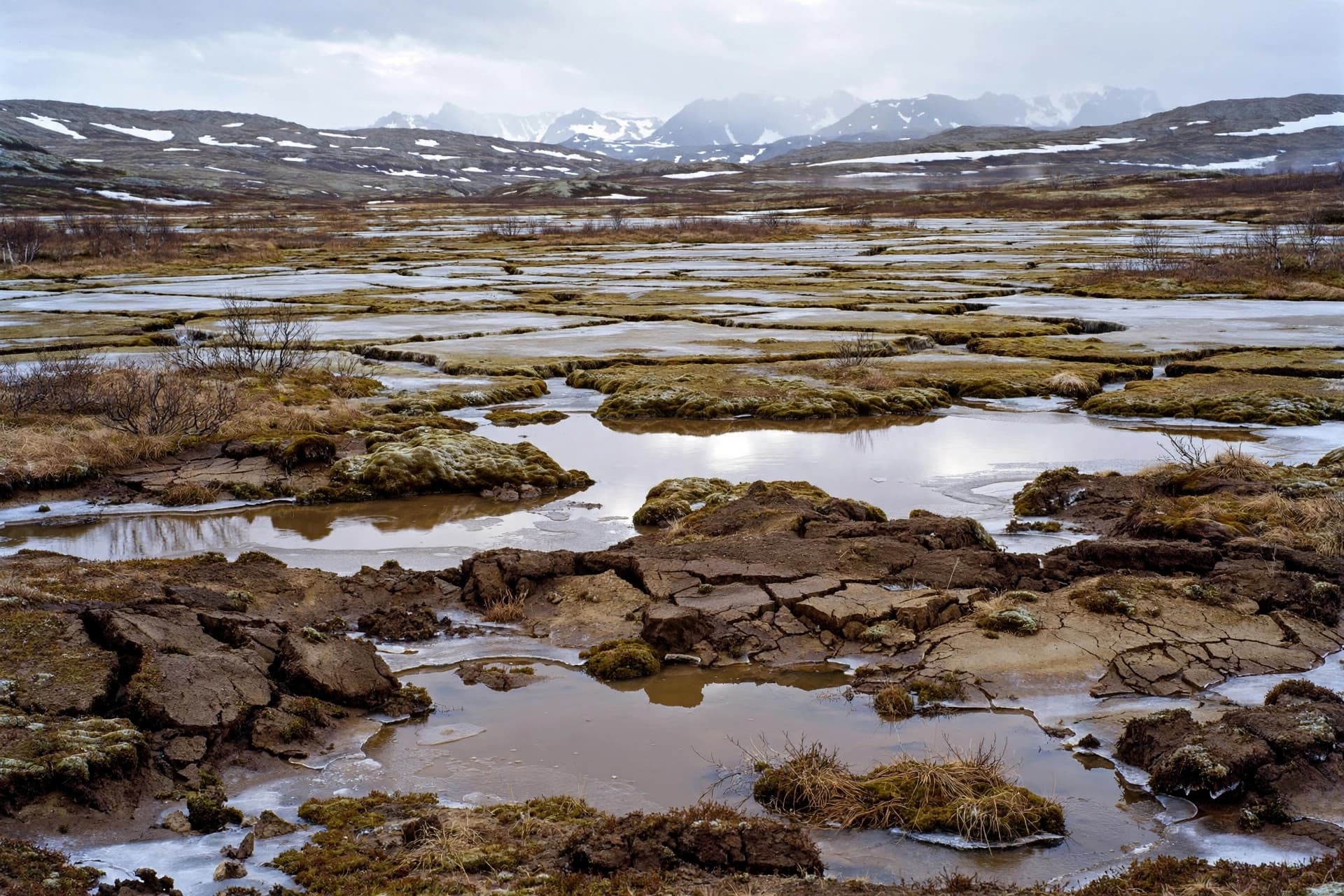
A new study finds that emissions from permafrost, wetlands, wildfires, and freshwater could amplify human-caused warming by 20–30% by 2100, revealing critical gaps in climate models.

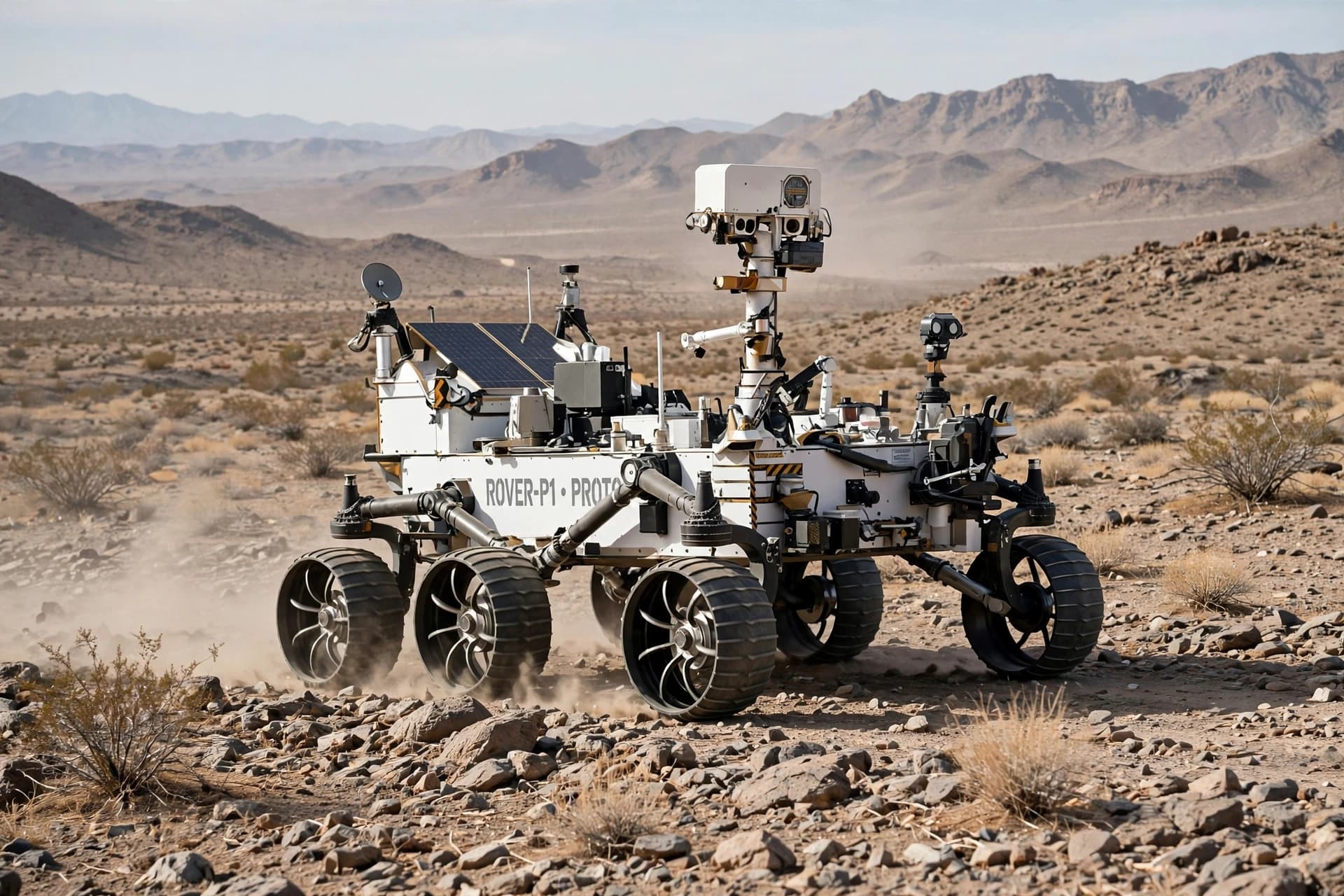
ESA’s Rosalind Franklin rover prototype undergoes navigation trials in Spain’s Tabernas desert, preparing for a 2030 Mars mission that will drill deep in search of ancient life.

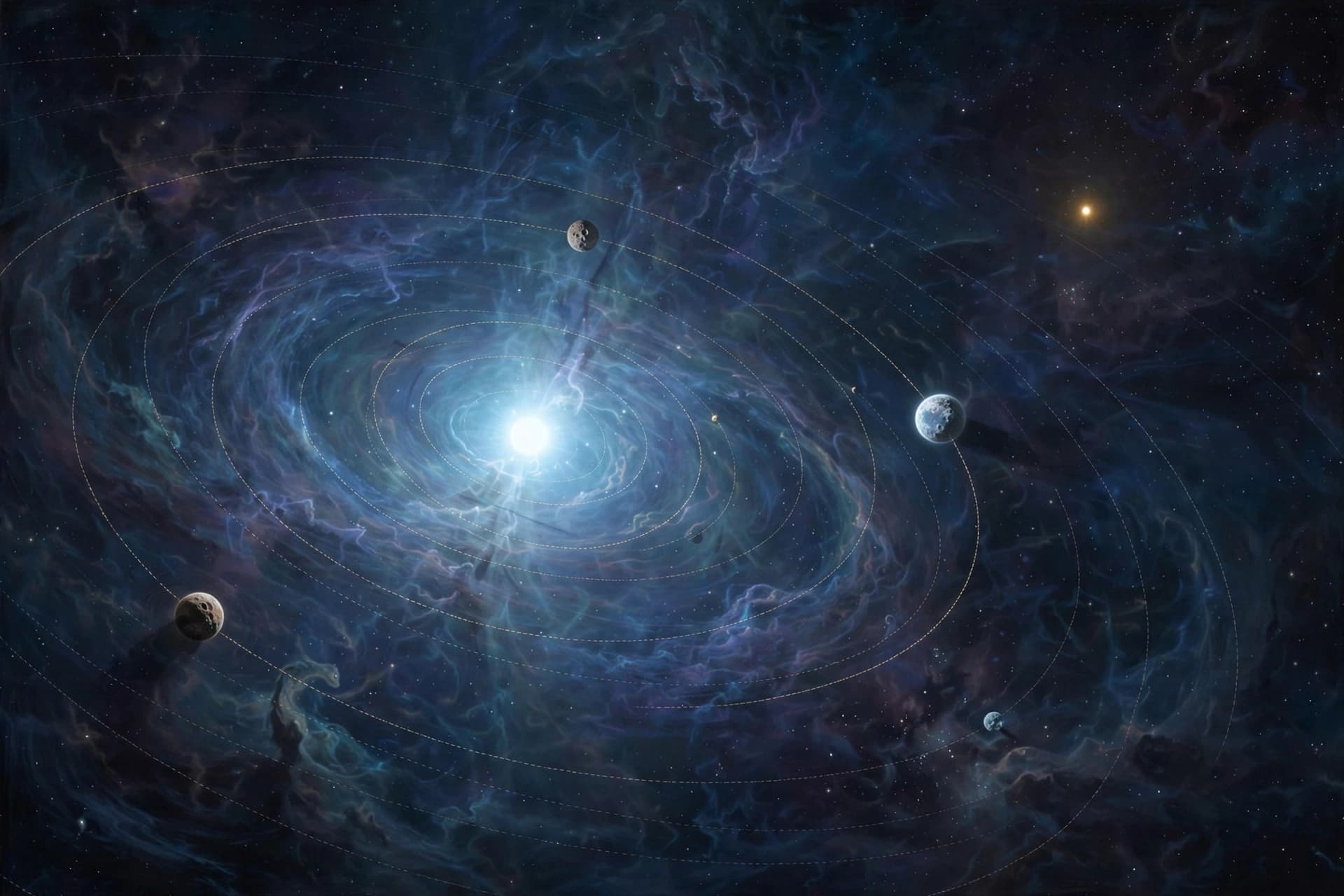
New research shows the Sun’s violent, random mass ejections as it dies will destabilize the outer planets a billion times sooner than previously estimated.

For centuries, humanity has looked into the night sky and wondered whether Earth is the only place where life exists. Today, that question is no longer purely philosophical. Thousands of planets have been discovered beyond our Solar System, spacecraft are travelling toward potentially habitable ocean worlds, and powerful telescopes are beginning to analyse the atmospheres of distant planets. At the same time, missions to Mars and Saturn's moons are searching for chemical and geological evidence that life may once have existed elsewhere. The discovery of extraterrestrial life could become one of the most important scientific events in human history — and it could reshape science, technology, economics and our understanding of our place in the universe.

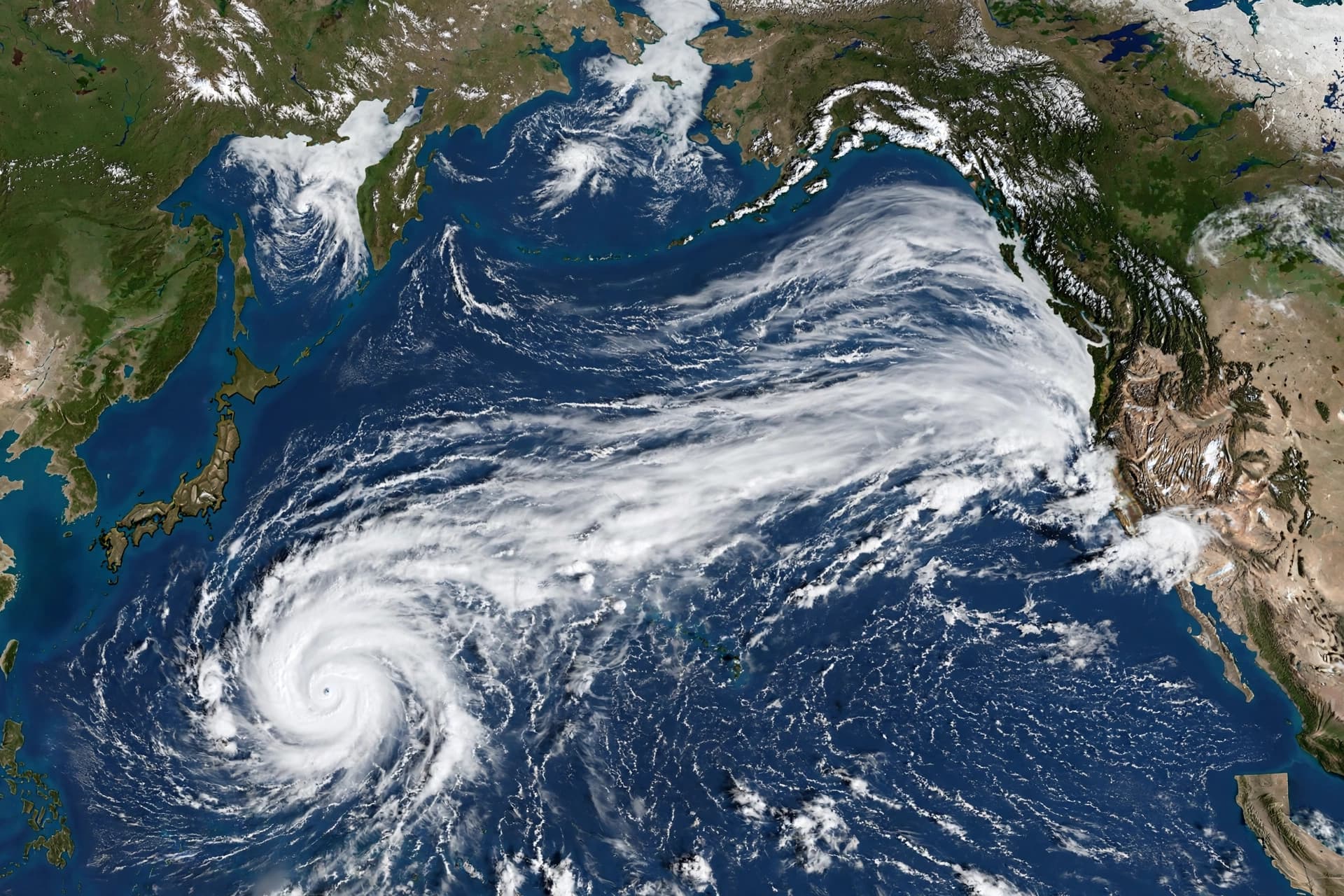
Typhoon Choi Wan is disrupting the jet stream, bringing above-normal warmth to western Canada and below-seasonal chill and frost to the East through midweek.

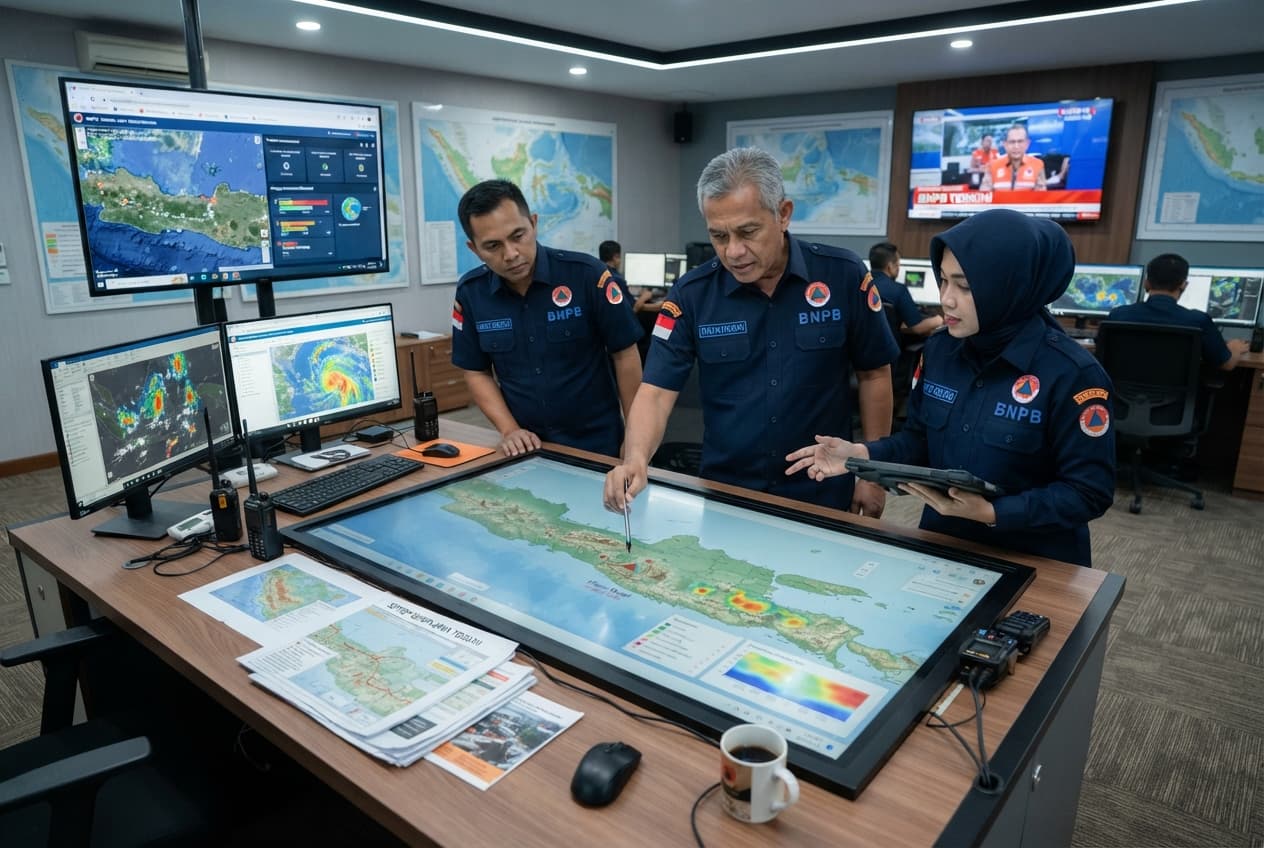
A magnitude 2.8 earthquake struck the West Halmahera region of Indonesia on October 4, 2026, with no reported damage.

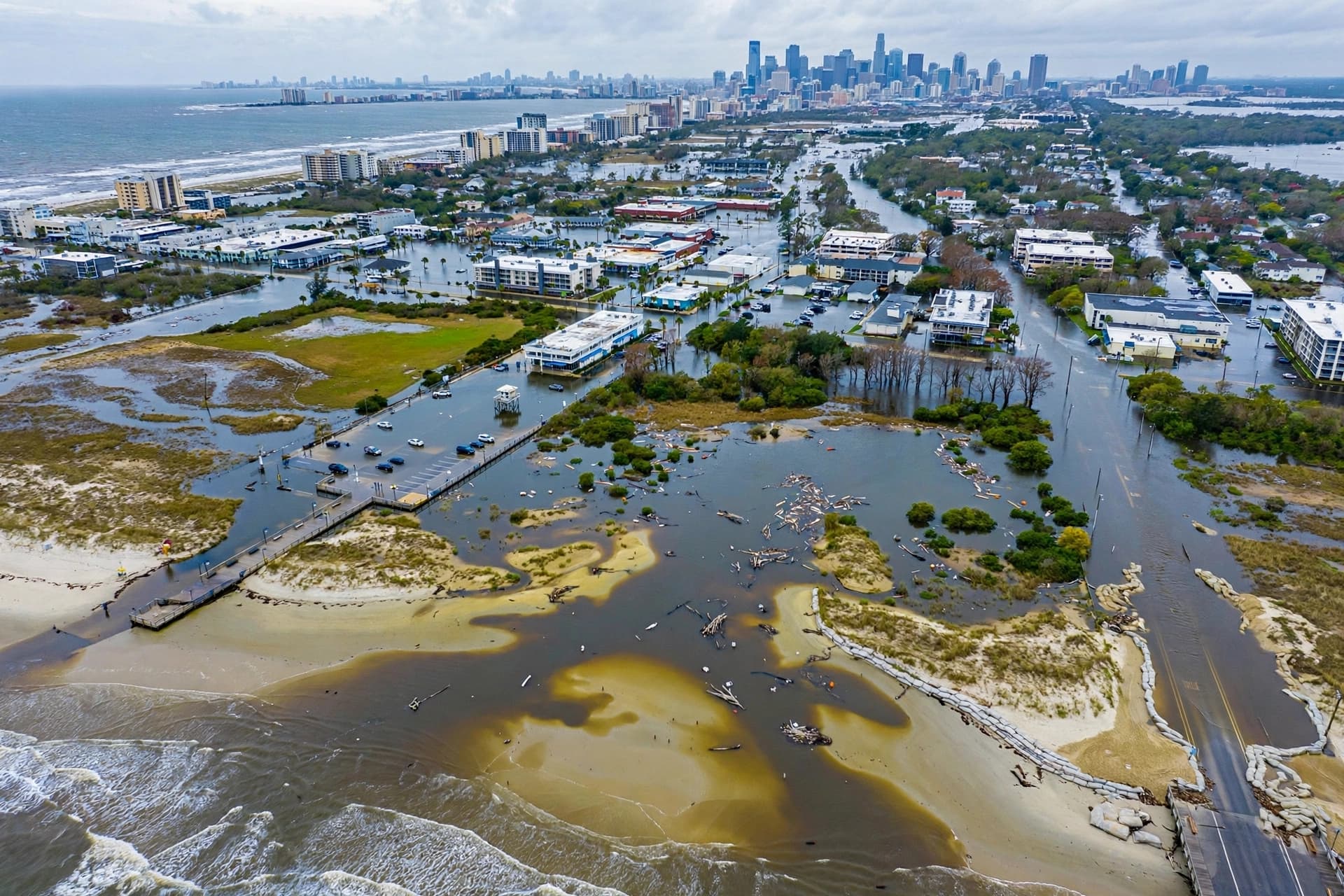
A series of Kelvin waves is lifting sea levels along the U.S. West Coast by up to a foot through February, raising concerns about coastal erosion and flooding in Washington and California.

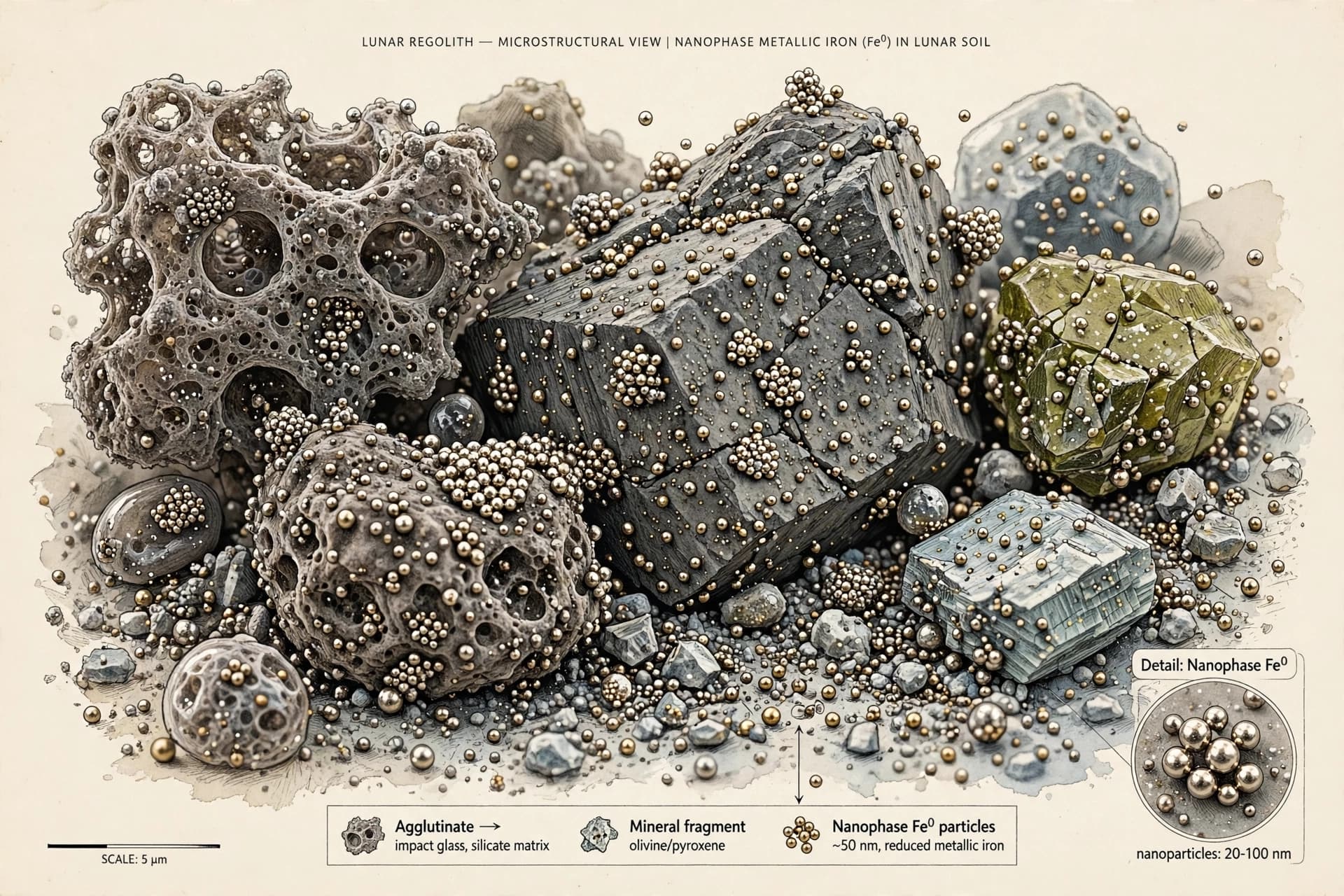
Researchers found γ-Fe, a high-temperature iron phase, in Chang'e-6 lunar soil from the Moon's farside. Its stable magnetic vortex state may preserve records of ancient lunar magnetism.

ESA's Juice spacecraft completed its third Earth flyby on September 28, using the planet's gravity to gain speed and adjust course toward Jupiter, where it will arrive in 2031.

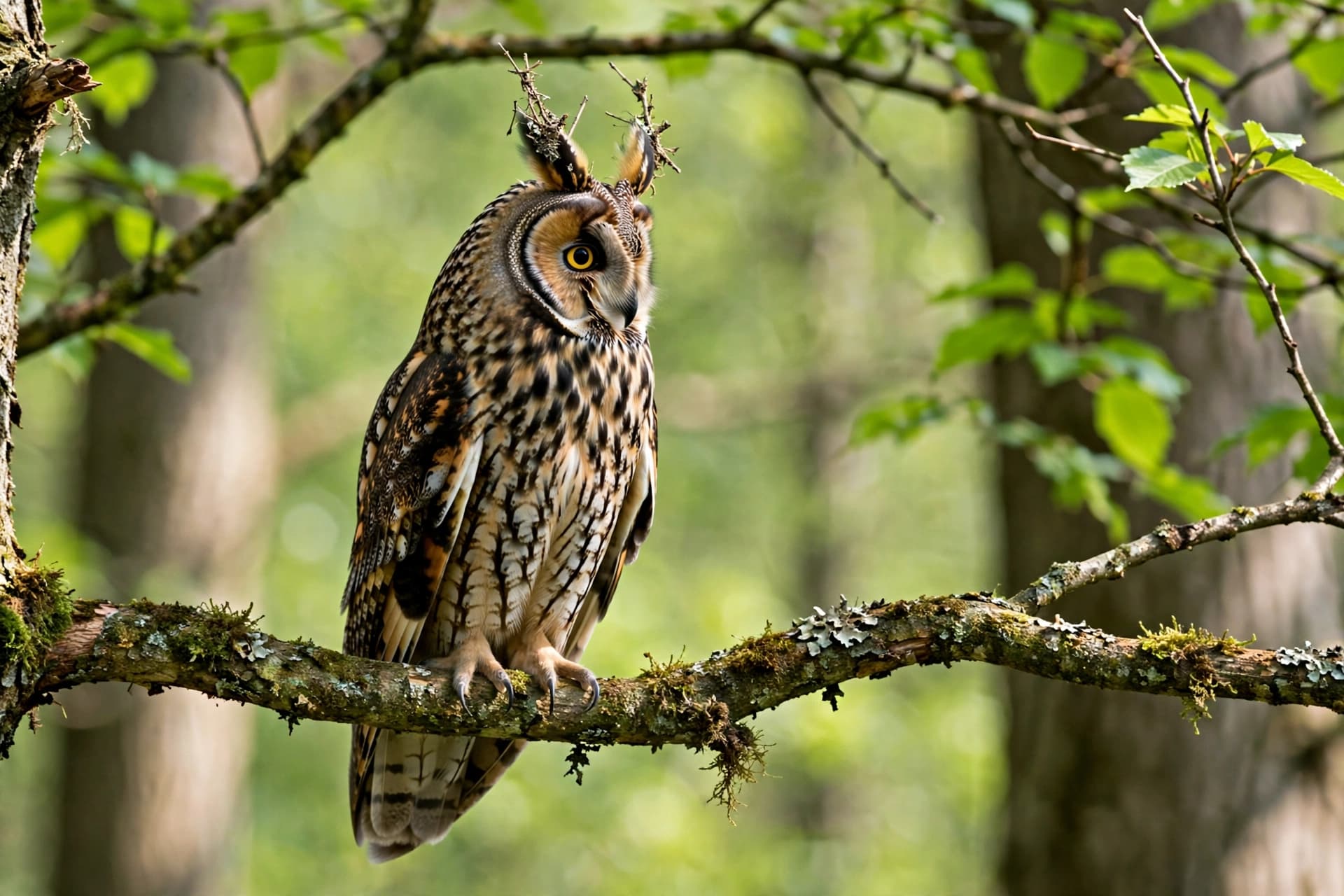
Owl ear tufts are not ears but feathers that evolved for camouflage, helping nocturnal species blend in with tree branches during daytime rest, according to a 2025 study.

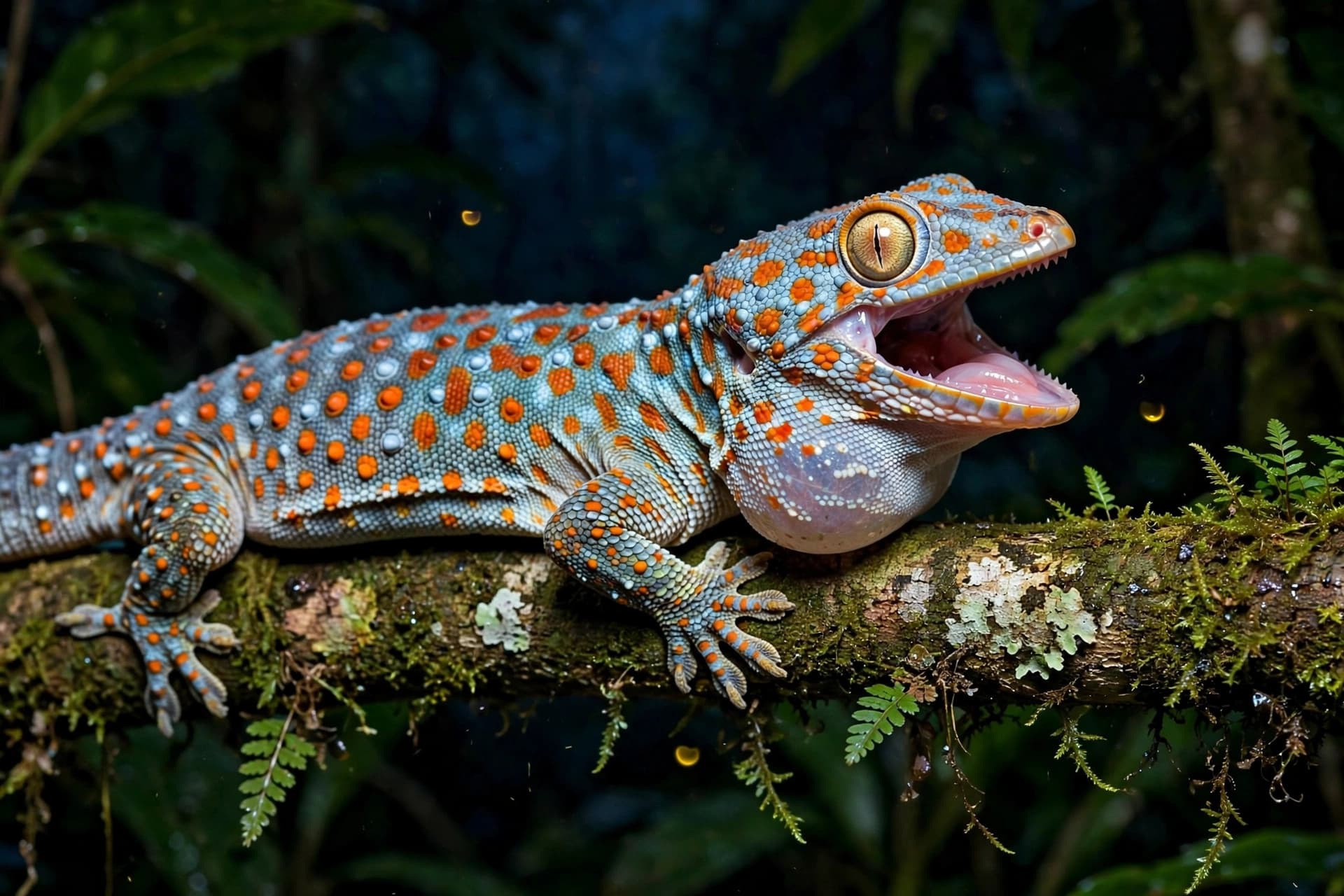
Male tokay geckos extend their mating calls using a "mini-breath" during the call and a vocal fry register, mechanisms previously thought to exist only in songbirds.

Scientists reconstructed the soundscape of a Jurassic forest using fossilized insect wings, discovering ultrasonic calls that predate bat echolocation by tens of millions of years.

New MEGATRON simulations suggest the Milky Way began as thousands of smaller galaxies that merged over billions of years, revealing new insights into cosmic dawn.

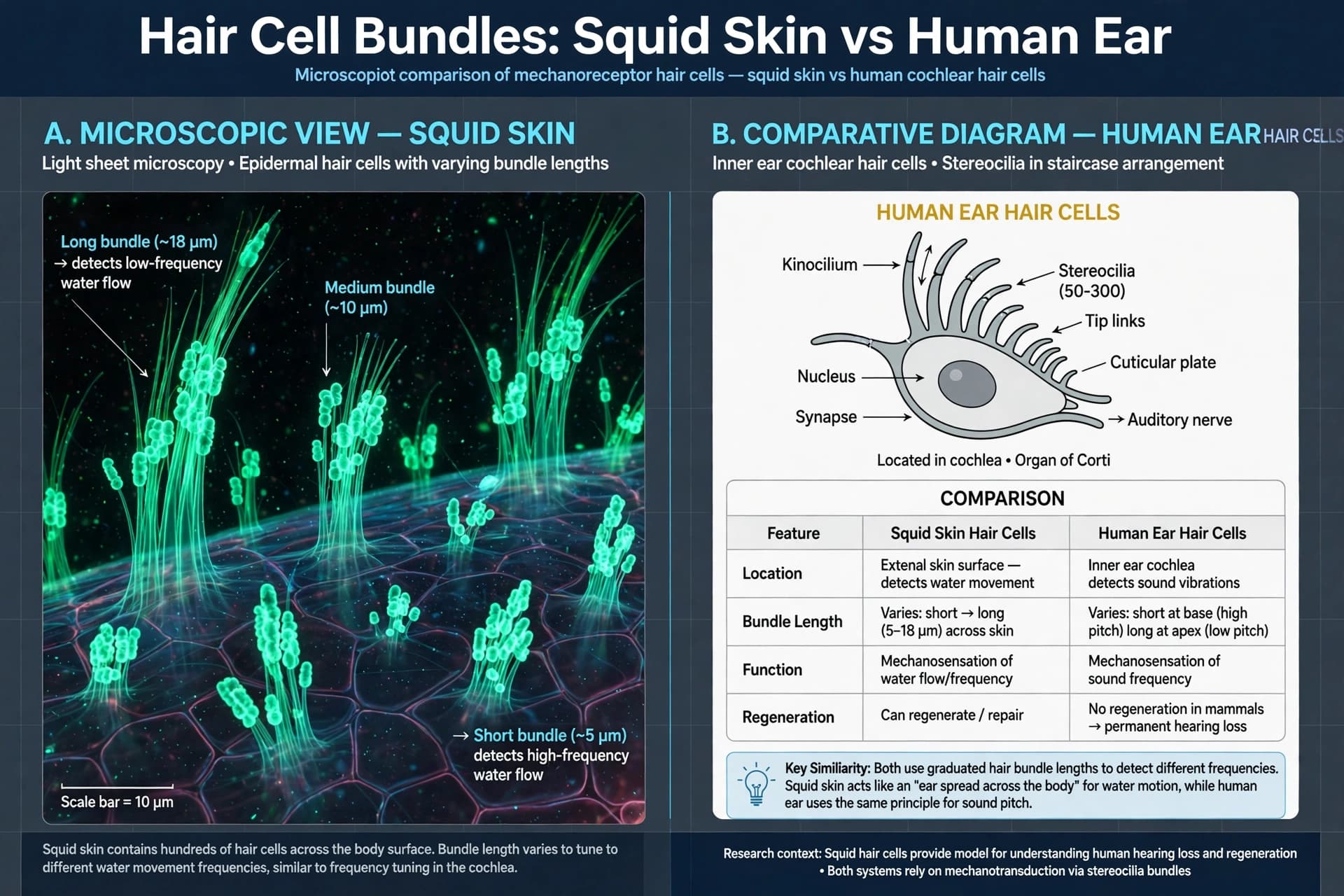
Researchers discovered hundreds of hair cells across squid bodies that tune to different frequencies by varying bundle length, offering a new model for studying human hearing loss.

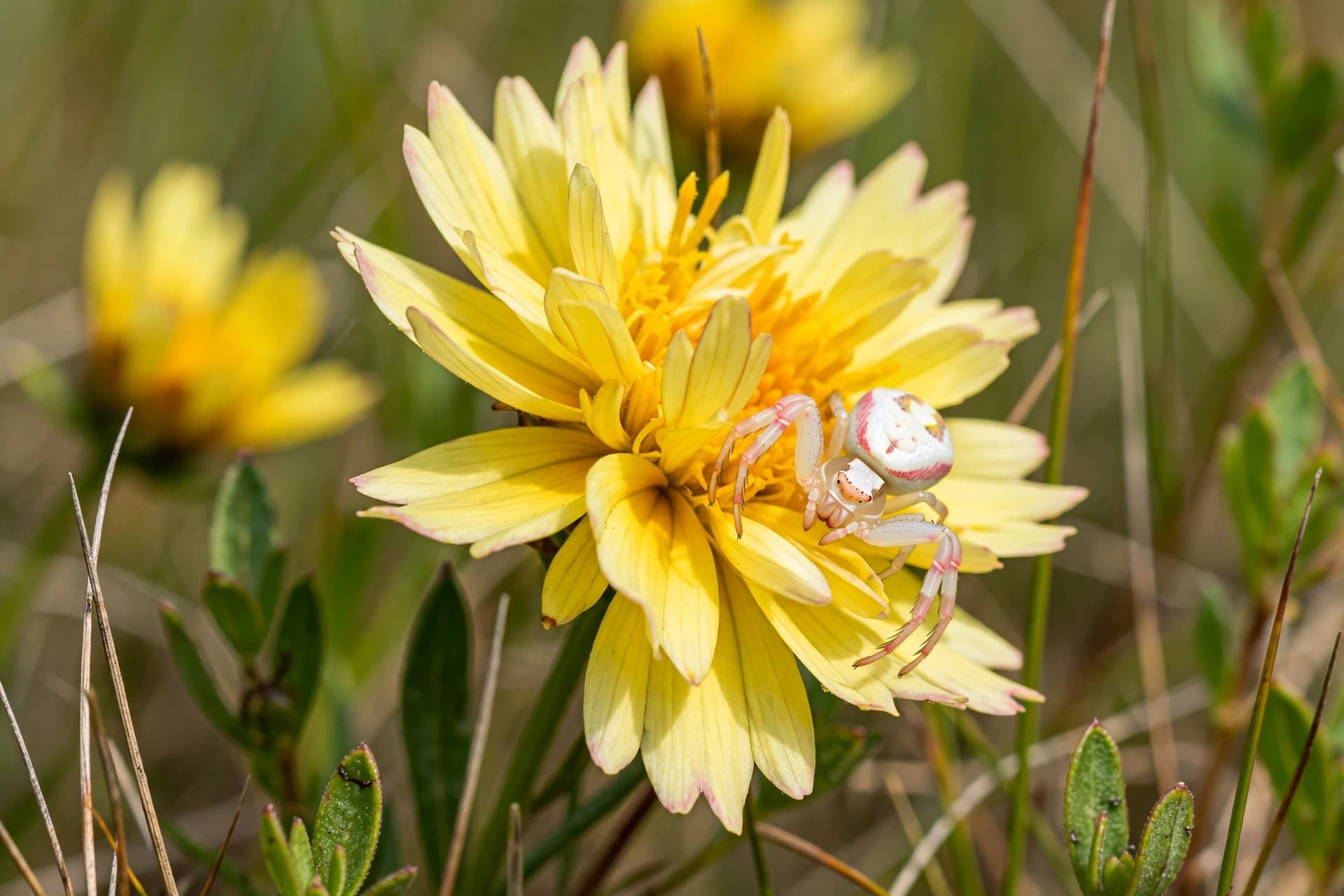
A goldenrod crab spider and an ant-mimic spider were spotted in the Okanagan. Both use disguise for hunting and survival, and neither poses a threat to humans.