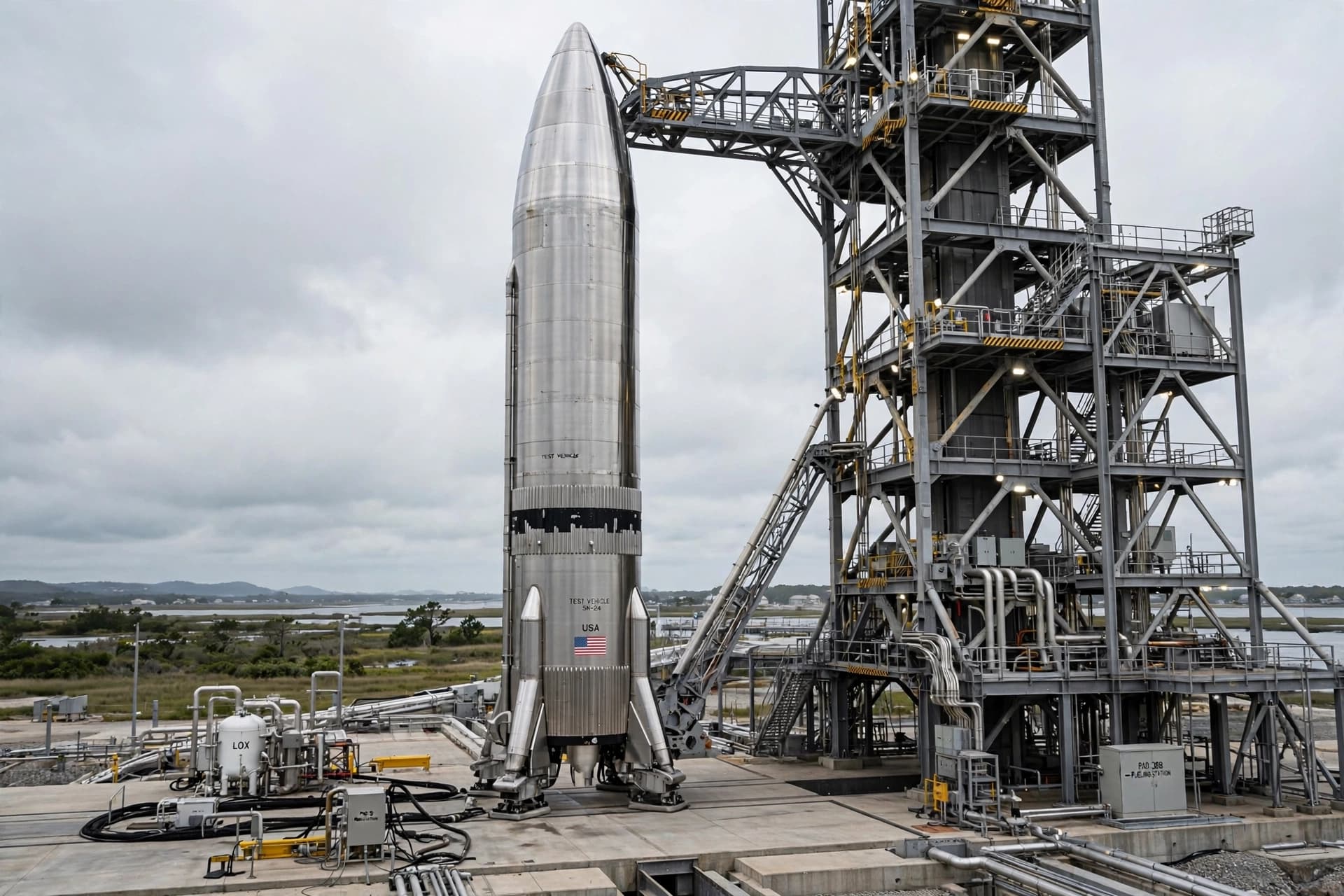
Against All Odds, SpaceX Finally Tugs Starship Into Port After 24 Days at Sea
After 24 days at sea, SpaceX reportedly brings Starship into port, marking a difficult recovery operation for the ambitious spacecraft.

After 24 days at sea, SpaceX reportedly brings Starship into port, marking a difficult recovery operation for the ambitious spacecraft.

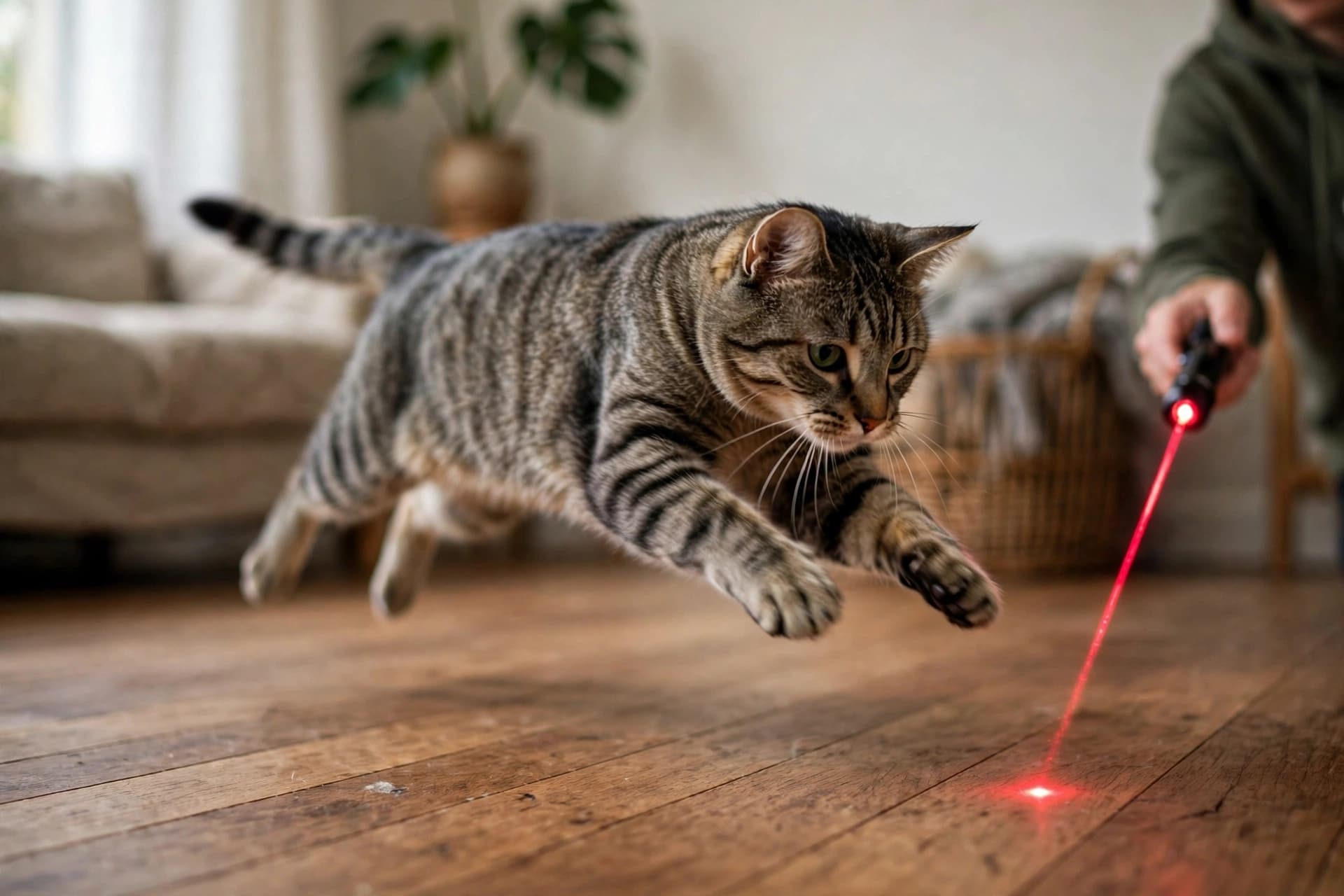
A new study reveals that primates frequently interact with other animal species, from mice to deer. These bonds suggest that the urge to keep pets may have deep evolutionary roots.

Tropical Storm Lala caused significant damage to Kapaʻakea Cemetery on Moloka’i, displacing graves and headstones. County crews are working to restore the site and support affected families.

China has recovered a rocket stage on land for the first time, following an earlier recovery at sea, officials said.

NASA and the ISS captured breathtaking views of the August 12 total solar eclipse from space and high-altitude aircraft. The images provide both scientific data and public inspiration.

A Super El Niño is developing in the Pacific, predicted to be the strongest in recorded history. It will likely cause significant global weather disruptions, intensified by climate change.

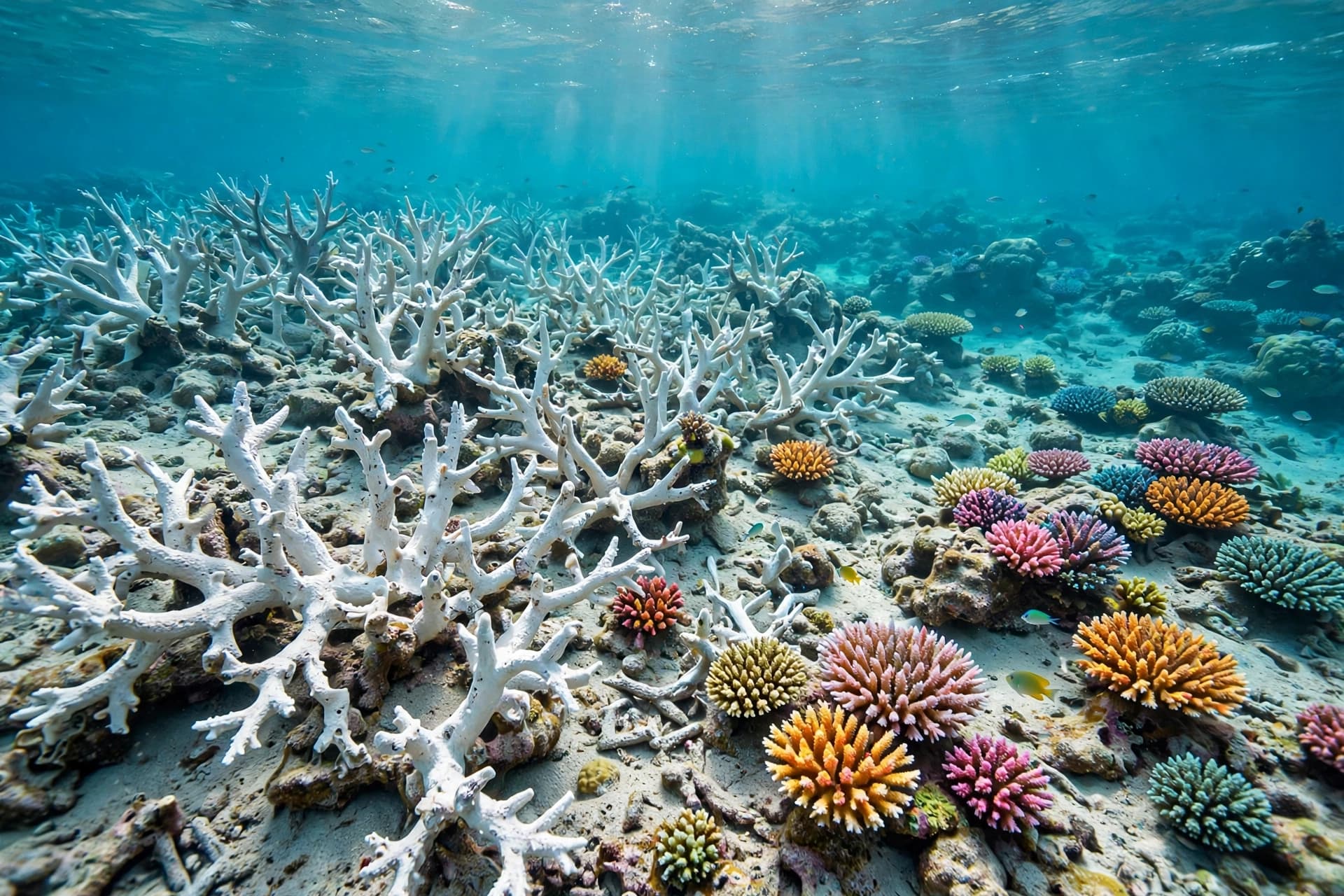
Australia offers 8 million in grants to reduce marine debris on the Great Barrier Reef. Projects focus on cleanup, prevention, and community engagement to protect the ecosystem.

Astronomers using JWST discovered three supermassive black holes in a distant galaxy, poised for collision. This rare find offers insights into early galaxy formation and black hole growth.

Fossil evidence shows Earth's forests browned 56 million years ago during the PETM. Researchers find parallels with modern climate stress, highlighting the urgency of conservation.

New orbital images show the crater created by a SpaceX Falcon 9 rocket stage impacting the moon. Scientists are studying the site to understand impact dynamics and space debris risks.

New X-ray imaging reveals the internal spiral structure of the narwhal’s tusk. The findings suggest the tusk acts as a sensitive sensory organ, helping the animal navigate the Arctic environment.

Astronomers found evidence that the Milky Way merged with a smaller galaxy 11.8 billion years ago. This "Virgo Radial Merger" helped shape our galaxy’s structure and star formation history.

Sophie Adenot made history as the first French woman to perform a spacewalk at the ISS. Her mission involved installing new equipment and inspires greater gender diversity in space exploration.

Evidence suggests Neanderthals lived in Saudi Arabia 55,000 years ago during a wetter climate phase. This discovery expands the known range of Neanderthal migration and adaptability.

A rock formation in a NASA Mars photo resembled a jellyfish, sparking online speculation. Scientists attribute the shape to pareidolia and geological processes, not biological life.

NASA is preparing a risky "Big Bang" maneuver to extend the life of Voyager 1 by conserving power. With signals taking over 23 hours to reach Earth, every watt counts for the aging spacecraft.

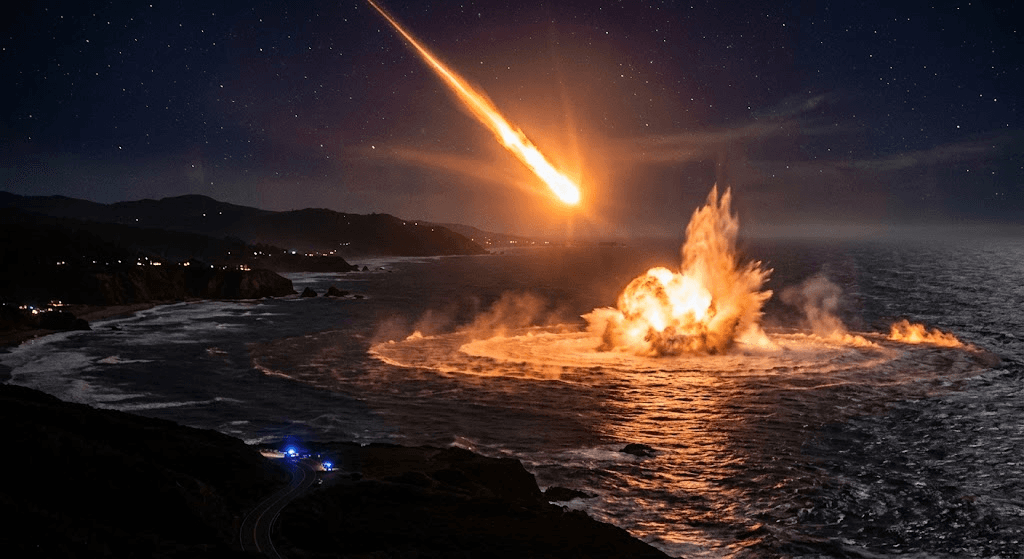
Asteroid Apophis will pass within 32,000 km of Earth on April 13, 2029. Up to 90% of the global population may see it with the naked eye, offering a rare astronomical opportunity.

Vampire bats share blood with starving roost-mates, including non-relatives, based on past reciprocity. This behavior reveals a complex social memory and a "favor economy" among these animals.

Following the success of Artemis II, Florida’s Space Coast is experiencing a surge in rocket launches. This increase boosts local tourism and signals a busy future for lunar and deep space missions.

Japan’s MMX mission will launch in 2026 to collect samples from Phobos, Mars’s moon. The capsule is scheduled to return to Australia in 2031, delivering the first samples from the Martian system.

New tabletop experiments and cosmological data may offer the first experimental hints of quantum gravity. While not yet definitive, these findings suggest the unification of physics may be closer than thought.

Hubble and Webb telescopes combined forces to image Messier 64, the Black Eye Galaxy. The composite view reveals dust structures and star formation, highlighting the galaxy's violent merger history.

Scientists are integrating logic circuits into microscopic devices, enabling them to perform complex tasks autonomously. This "computational mind" enhances their utility in medicine and environmental monitoring.

Researchers used genetic switches in 3D-printed bone scaffolds to stimulate blood vessel growth. This innovation improves implant integration and offers new hope for bone regeneration therapies.