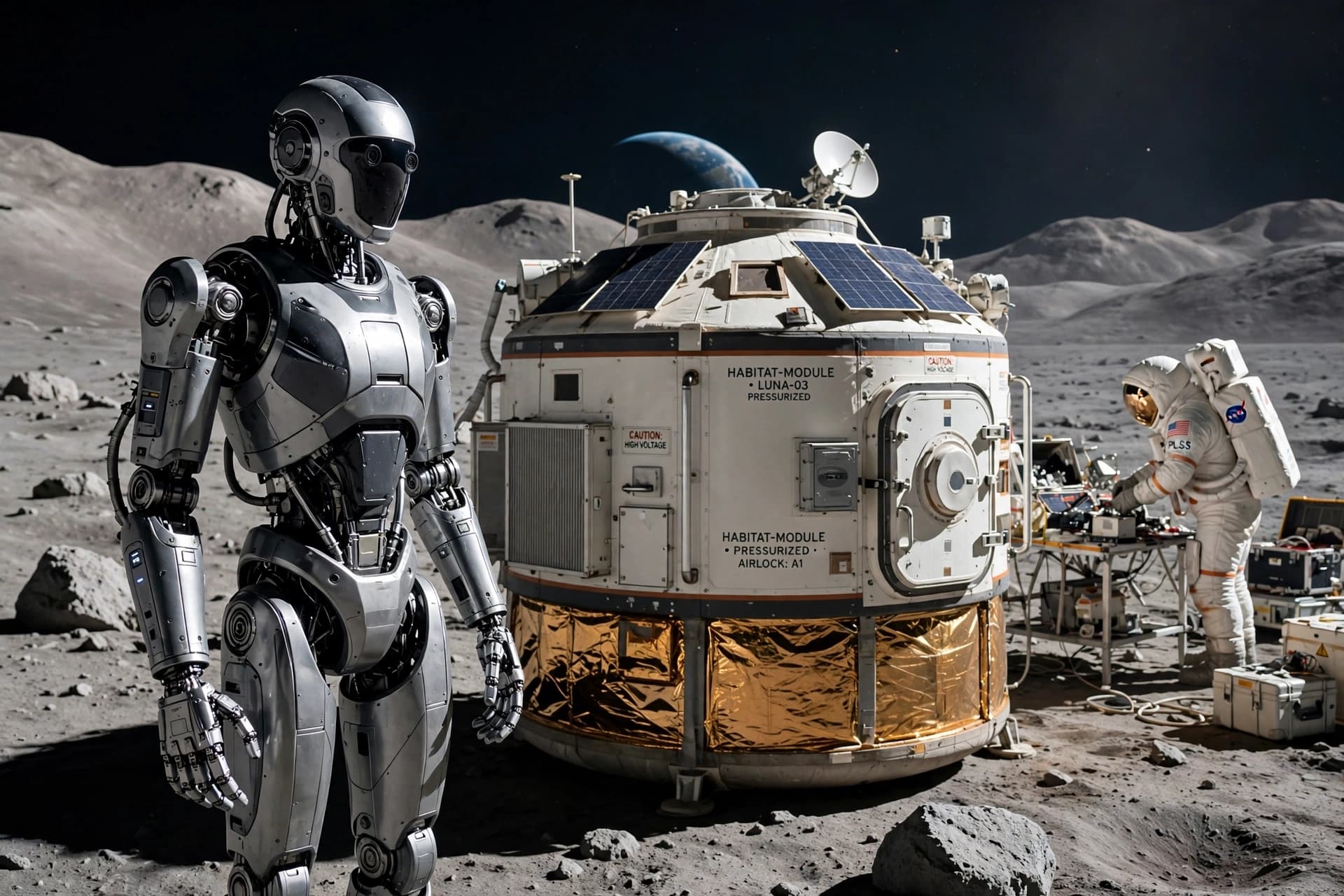
When humans return to the moon, they will not be working alone. That is not a statement of aspiration but a matter of design. At NASA's Johnson Space Center in Houston, a team of sixteen engineers is preparing a generation of machines that will work alongside astronauts in the dust and silence of the lunar surface, not as replacements but as partners in the most literal sense .
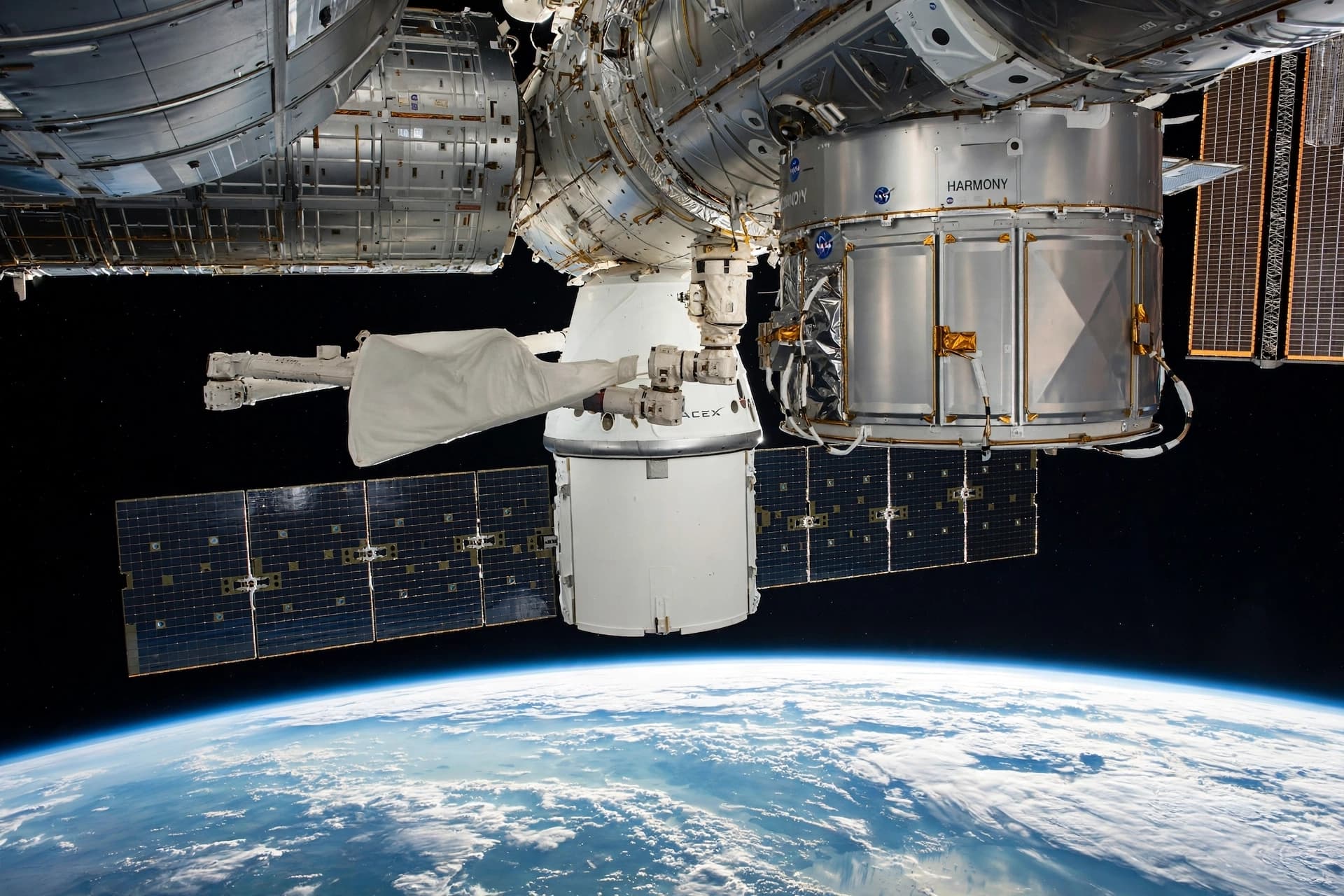
The Dexterous Robotics Team has spent years developing humanoid machines, including Robonaut 2, which spent seven years aboard the International Space Station, and Valkyrie, NASA's first bipedal humanoid . Those projects gave the team a foundation in the mechanics of hands, limbs, and movement that machines need to operate in environments designed for human beings. Now, that experience is being directed toward the Moon Base and, eventually, Mars .
The logic behind these efforts is straightforward. The lunar surface is a hostile place—intense radiation, extreme temperature swings, vacuum conditions, and abrasive dust that can damage equipment and endanger human health . Robots do not need oxygen, water, food, or bulky suits. They can be sent into situations where the risk to a human crew would be unacceptable, performing tasks like repairing station exteriors, inspecting damaged hardware, and scouting uncharted terrain .
But sending a robot to the moon is not simply a matter of placing it there and pressing a button. One of the central engineering challenges is the delay in radio signals. Commands sent from Earth take a few seconds to reach the Moon, but for Mars, the delay can exceed twenty minutes . A robot waiting for instructions from Earth would be slow and vulnerable. The solution is semi-autonomous operation: humans provide high-level commands, and the robot handles the granular details of movement and coordination on its own .
To test these capabilities, the team built iMETRO, the Integrated Mobile Evaluation Testbed for Robotics Operations. The facility includes mockups of space habitats, simulation tools, and an outdoor rock yard where robots can navigate terrain similar to what they might encounter on the lunar surface . In one test, software developed by PickNik allowed a robotic arm to locate a spacecraft hatch, turn the latch, pull open the door, and transfer cargo inside . In another, a NASA intern developed code enabling a commercial arm to inspect and maintain a station-style freezer .
These trials are also reshaping how engineers think about designing habitats. Small adjustments—larger handles, brighter lighting—can make a workspace more functional for both humans and robots . The boundaries between the two are becoming less distinct, not because robots are becoming more human, but because the environments themselves are being designed with both in mind.
The team has been clear about its purpose. As Shaun Azimi, the team lead, put it, the goal is not to replace human explorers but to make human exploration safer and more sustainable .
Note: Images in this article are generated by artificial intelligence.
Sources: Interesting Engineering, The Hill, RBC-Ukraine, NASA
Published by Banx Network. This article is part of the Banx decentralized media programme, powered by the BXE token on the XRP Ledger.