What Medieval People Saw in the Bones of Giants
Before vertebrate paleontology, medieval people interpreted fossilized tusks and bones as evidence of unicorns, dragons, and giants, fitting ancient remains into the stories they already knew.

Before vertebrate paleontology, medieval people interpreted fossilized tusks and bones as evidence of unicorns, dragons, and giants, fitting ancient remains into the stories they already knew.

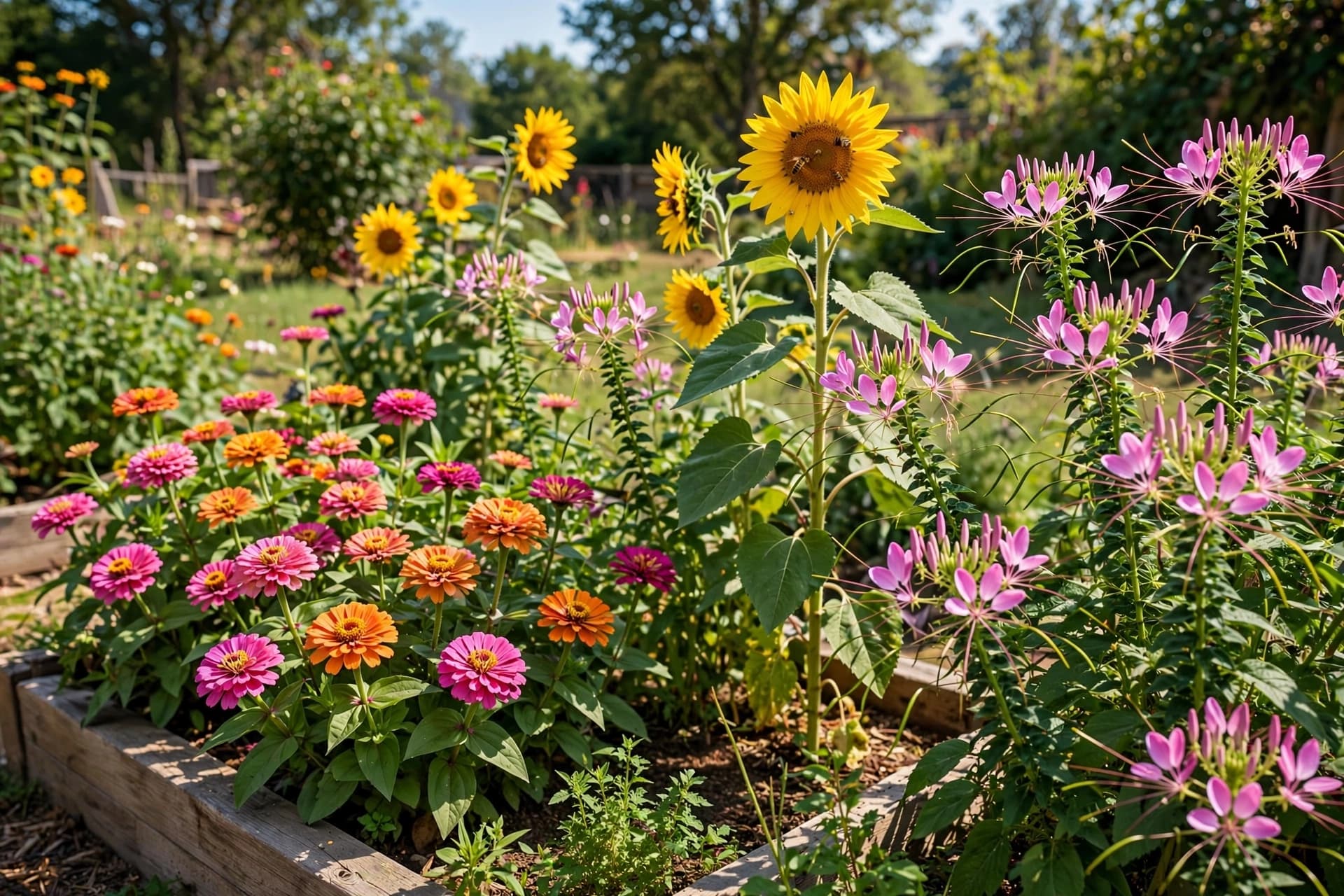
Ten flowers—including zinnias, sunflowers, spider flowers, and marigolds—can be planted in June for fast-growing, colorful blooms that last through late summer and fall.

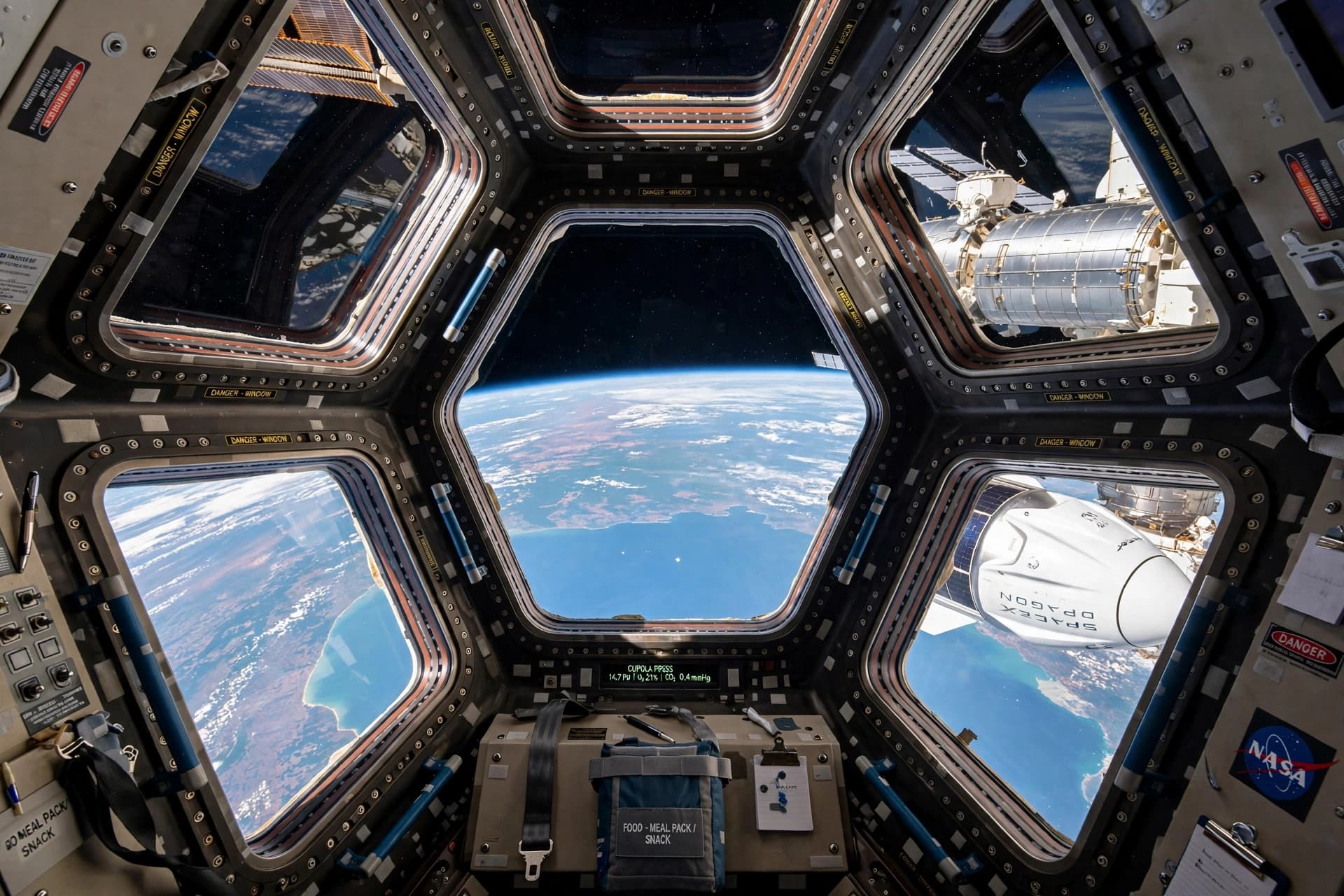
Canadian astronaut Joshua Kutryk boarded the ISS with Crew-13 after a record 7-hour-55-minute flight. He begins a six-month mission focused on health research.

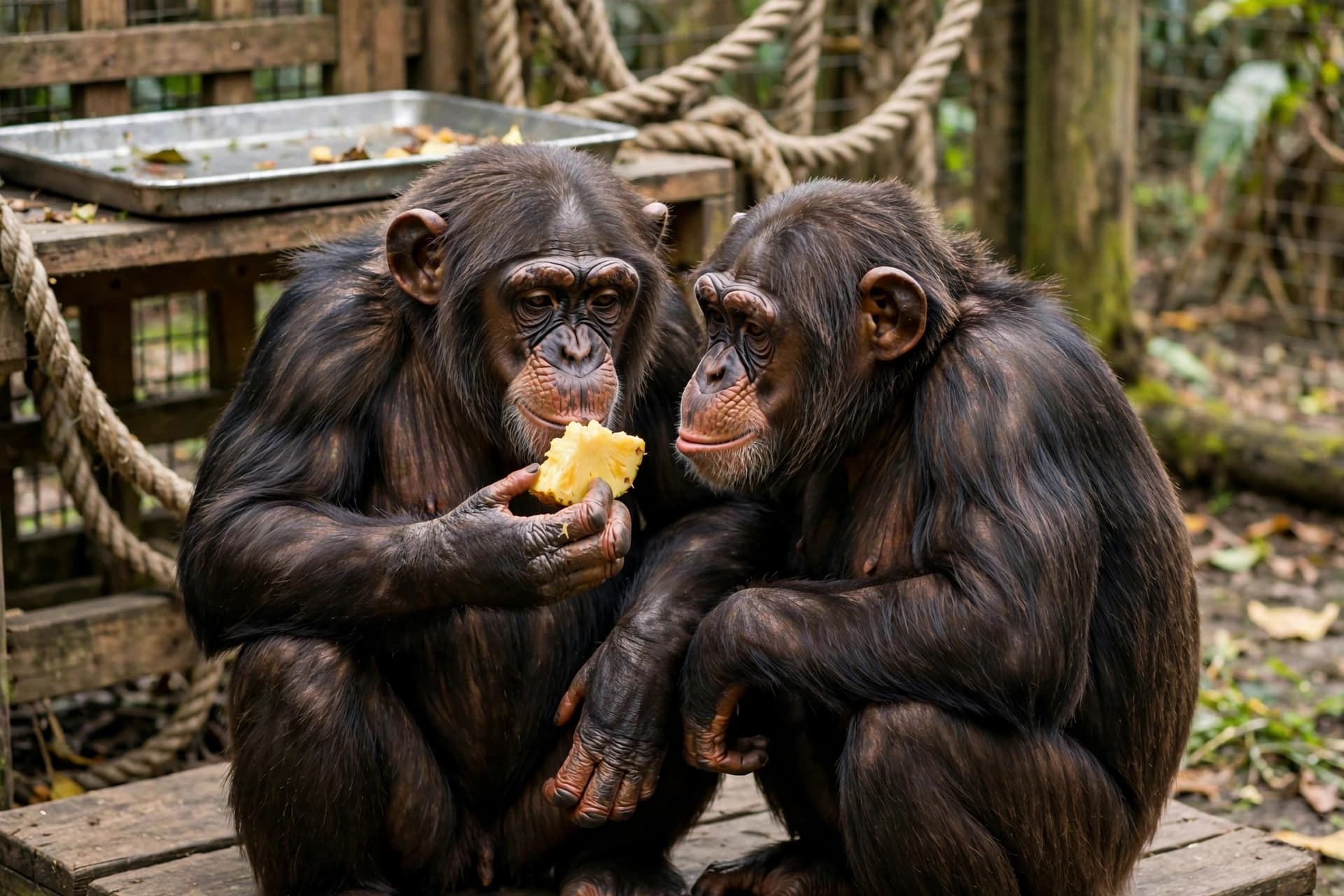
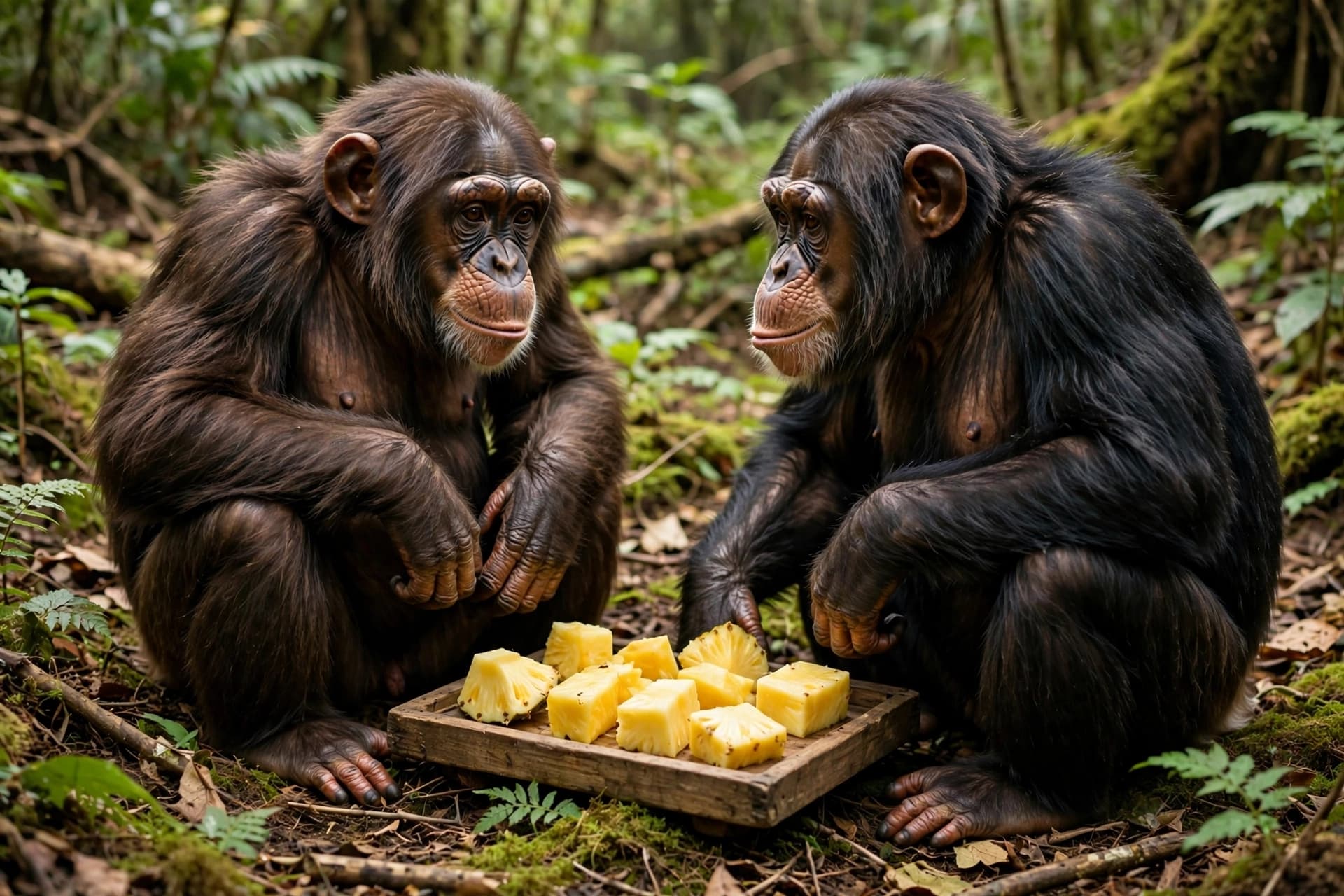
A study of 26 chimpanzees found they steal less from friends than non-friends and show different emotional responses, suggesting friendship shapes anti-social behavior.

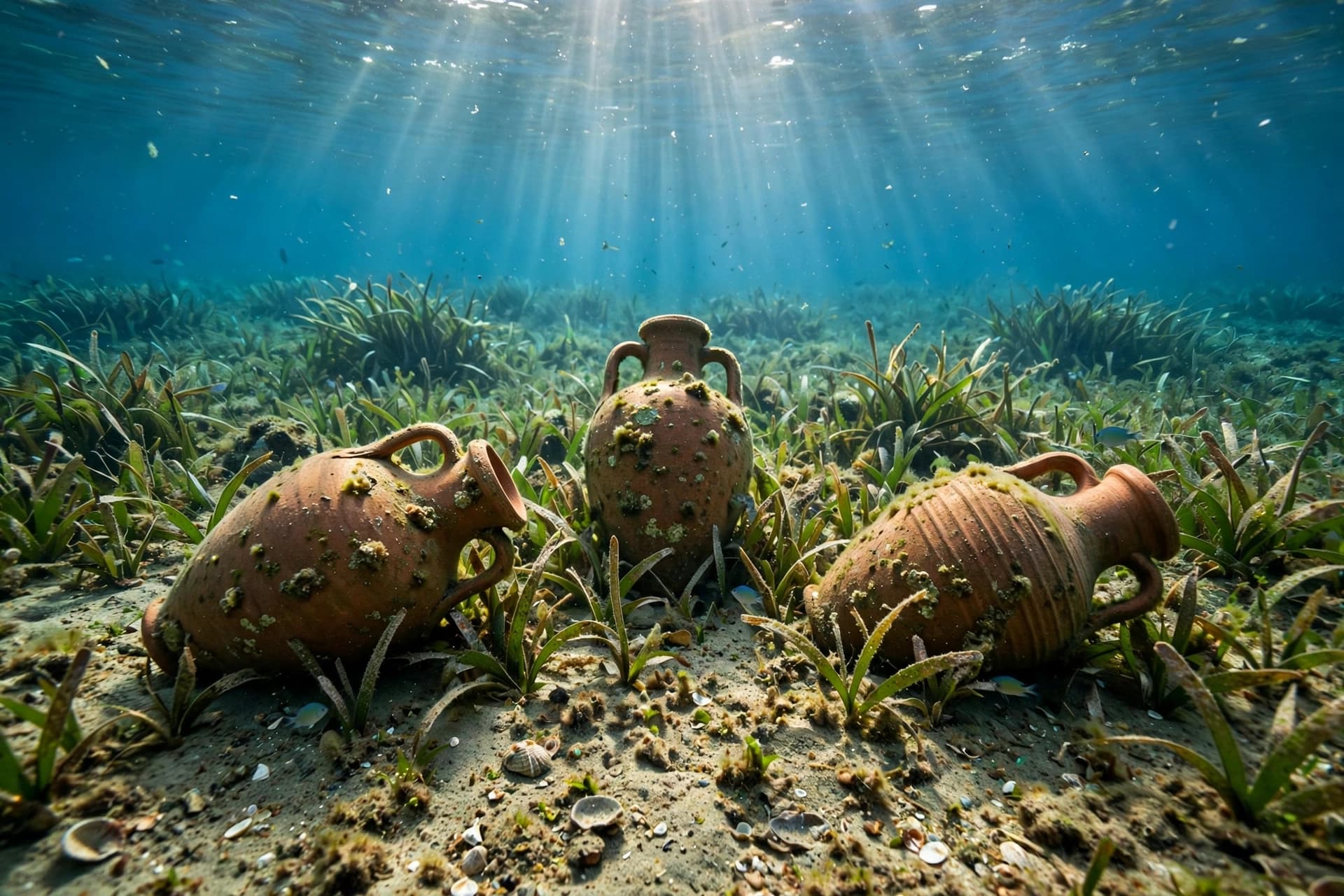
Police divers conducting a routine safety operation off Sardinia discovered three intact Roman amphorae dating to the 1st century B.C./A.D., vessels once used to transport wine, oil, and grain.

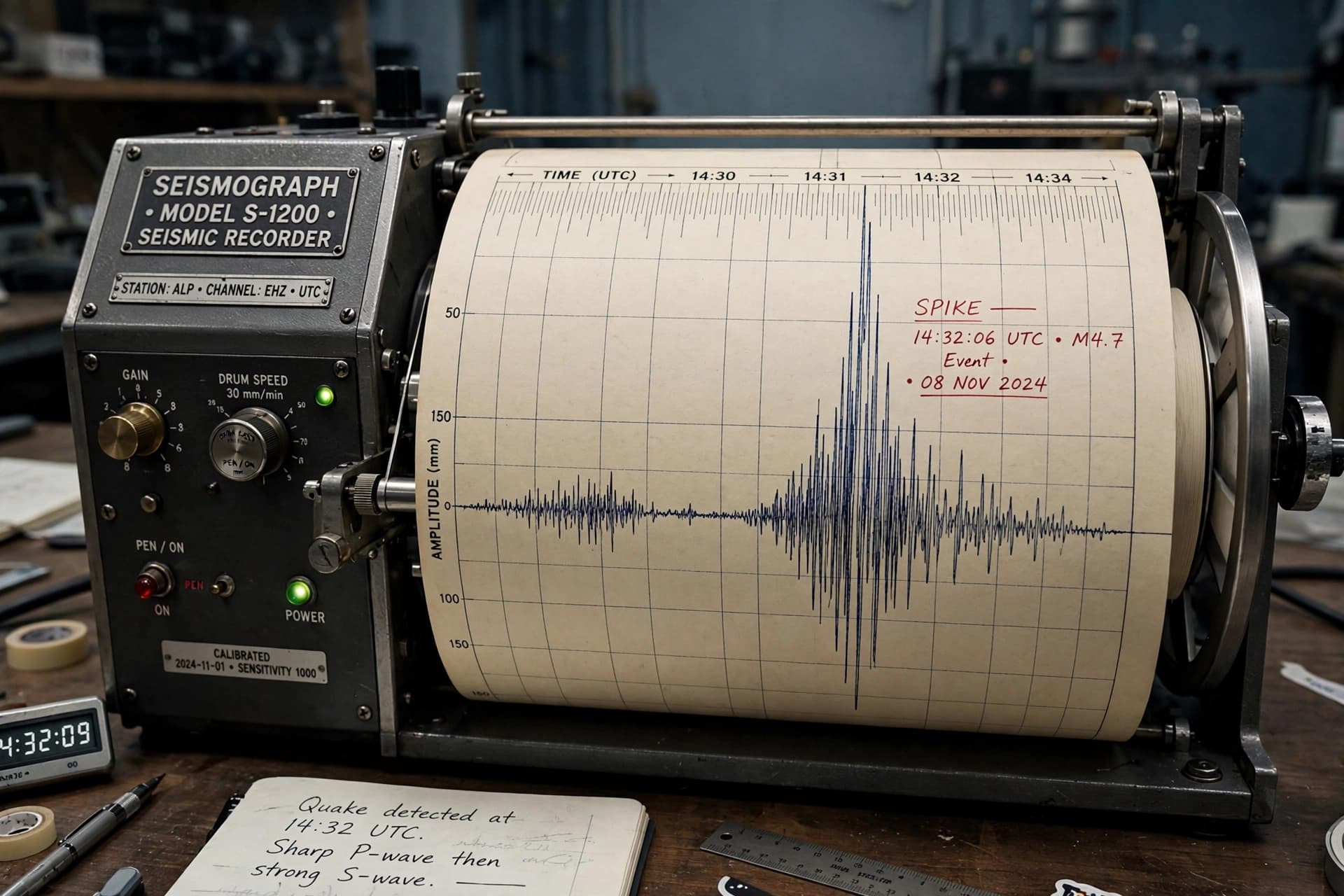
A magnitude-4.8 earthquake struck near Leongatha, southeast of Melbourne, at 2:01 a.m. Saturday, waking thousands and marking the region's strongest tremor in two decades. No injuries or major damage reported.

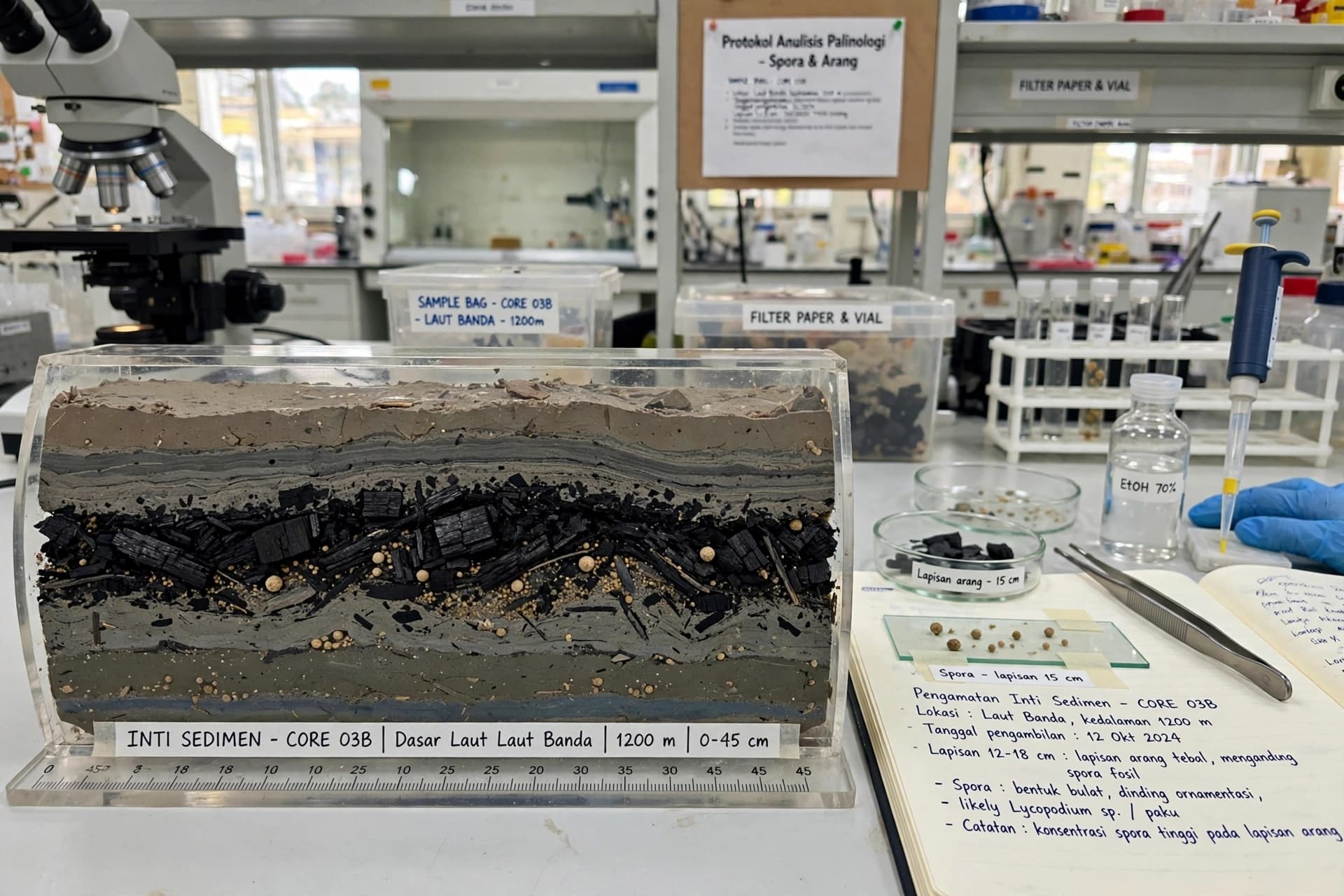
A study has found evidence of the southernmost wildfires on Earth in Antarctica 90 million years ago. Fire played a role in the transition from rainforest to peatland.

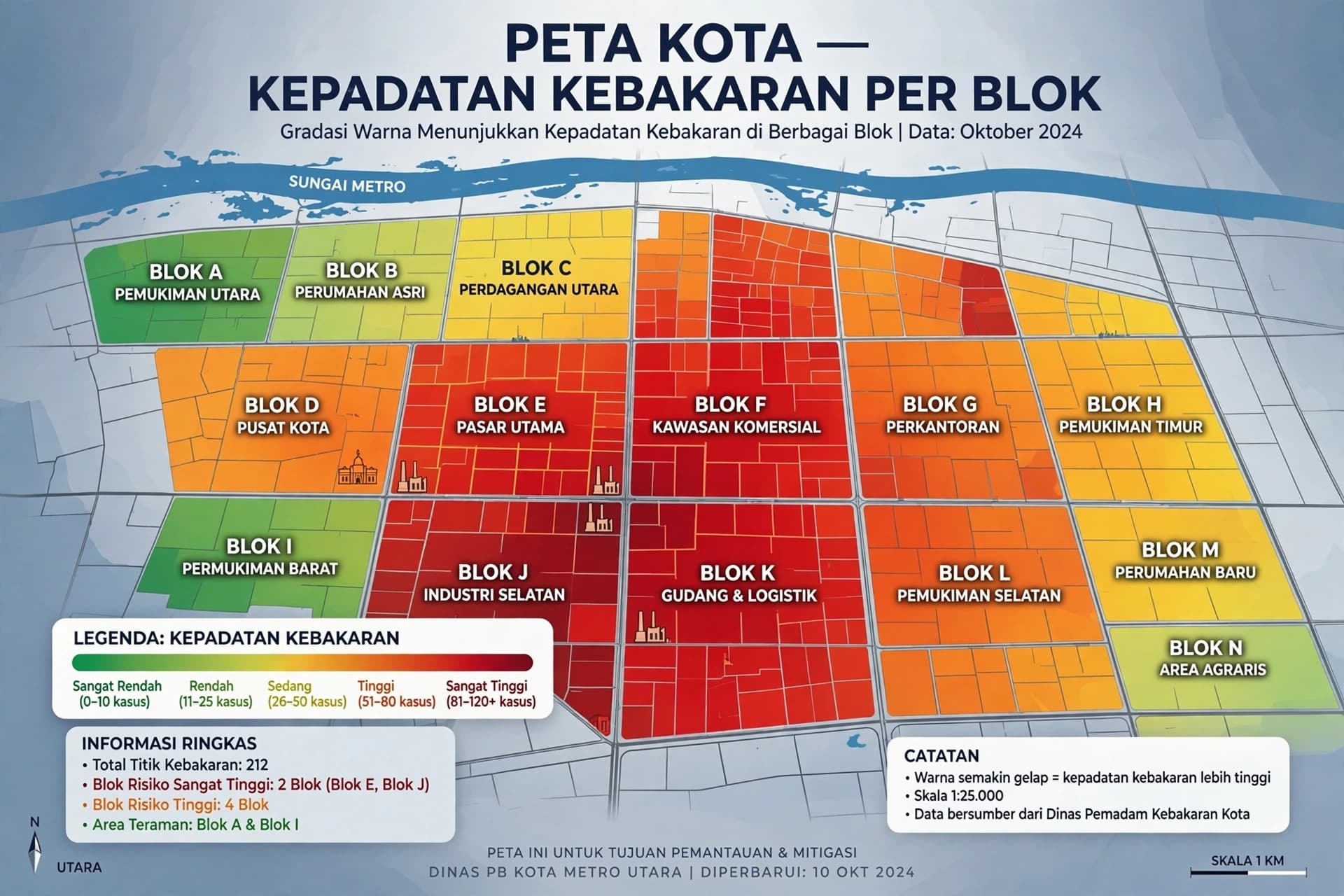
A study from NYU Tandon found that city-level fire data can conceal major differences between neighborhoods. Some areas actually experienced increases in fires despite an overall citywide decline.

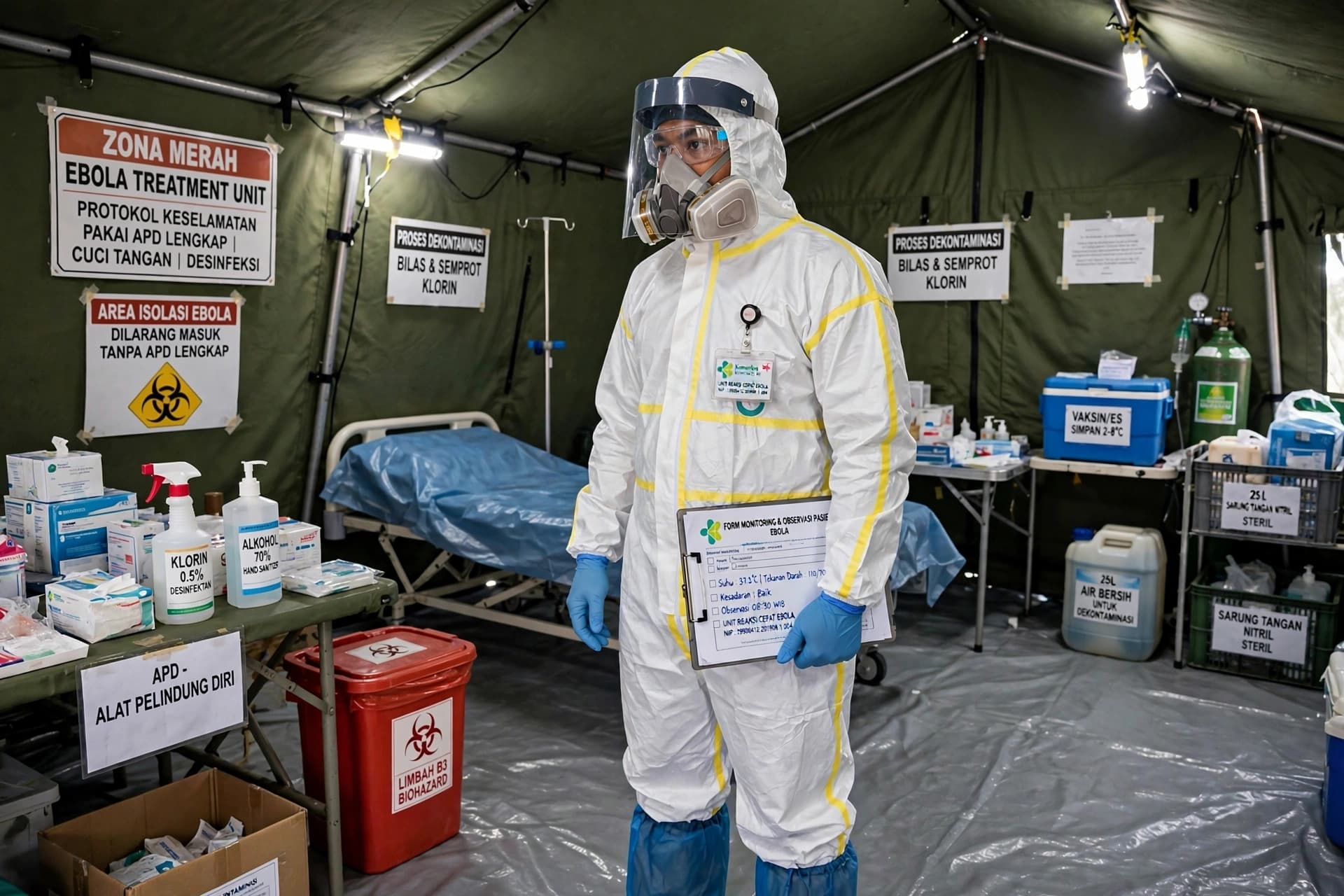
An MSF doctor working on the Ebola response in the DRC tested positive for Bundibugyo virus disease and was evacuated to the Netherlands. The outbreak has killed 3,901 people.

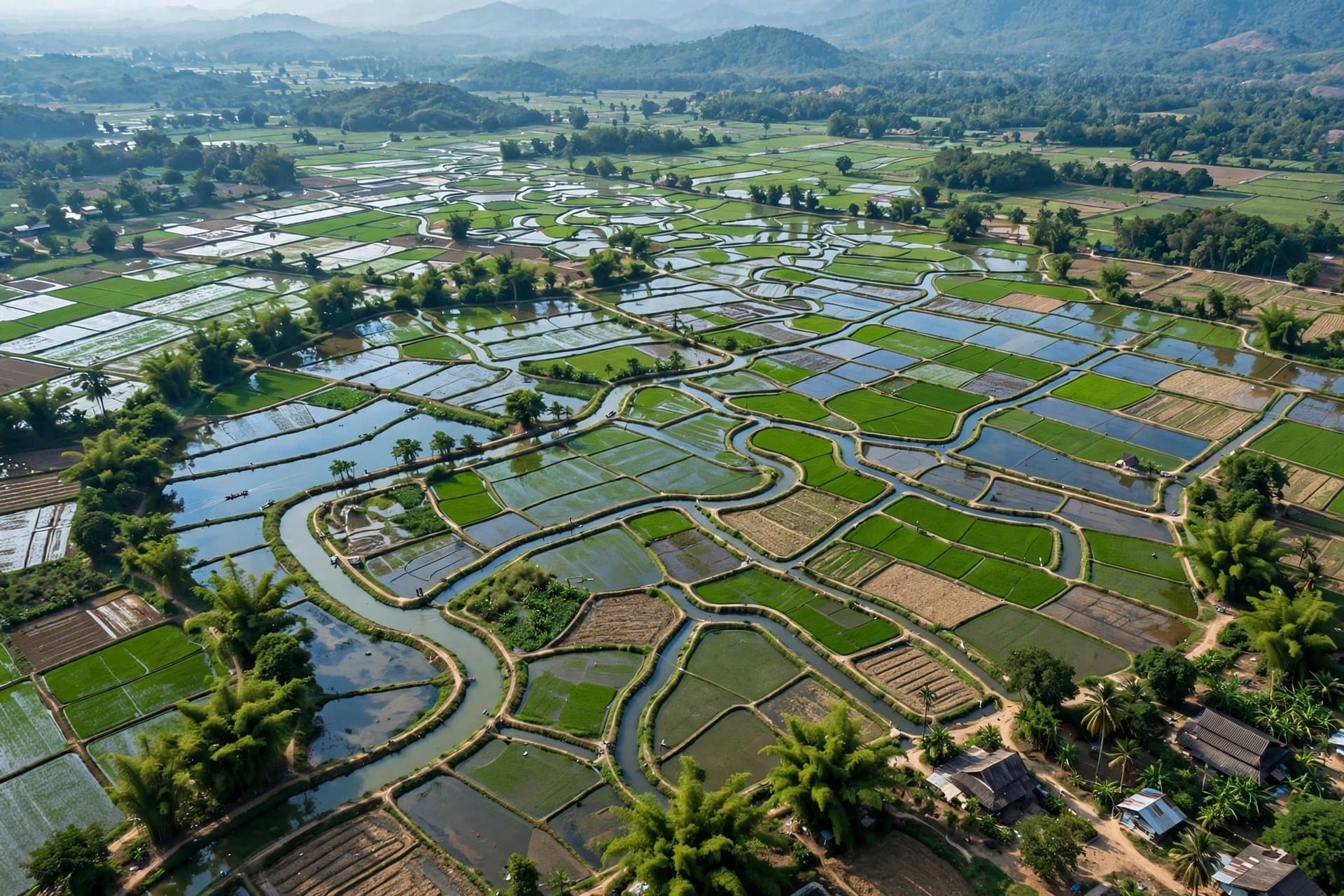
A UW study finds NASA's SWOT satellite can measure water levels in over 85% of Asian irrigation canals, offering new tools for drought preparedness and food security.

UC Berkeley study finds chimpanzees steal less from friends and expect friends to do the same, offering insight into the evolutionary roots of human friendship.

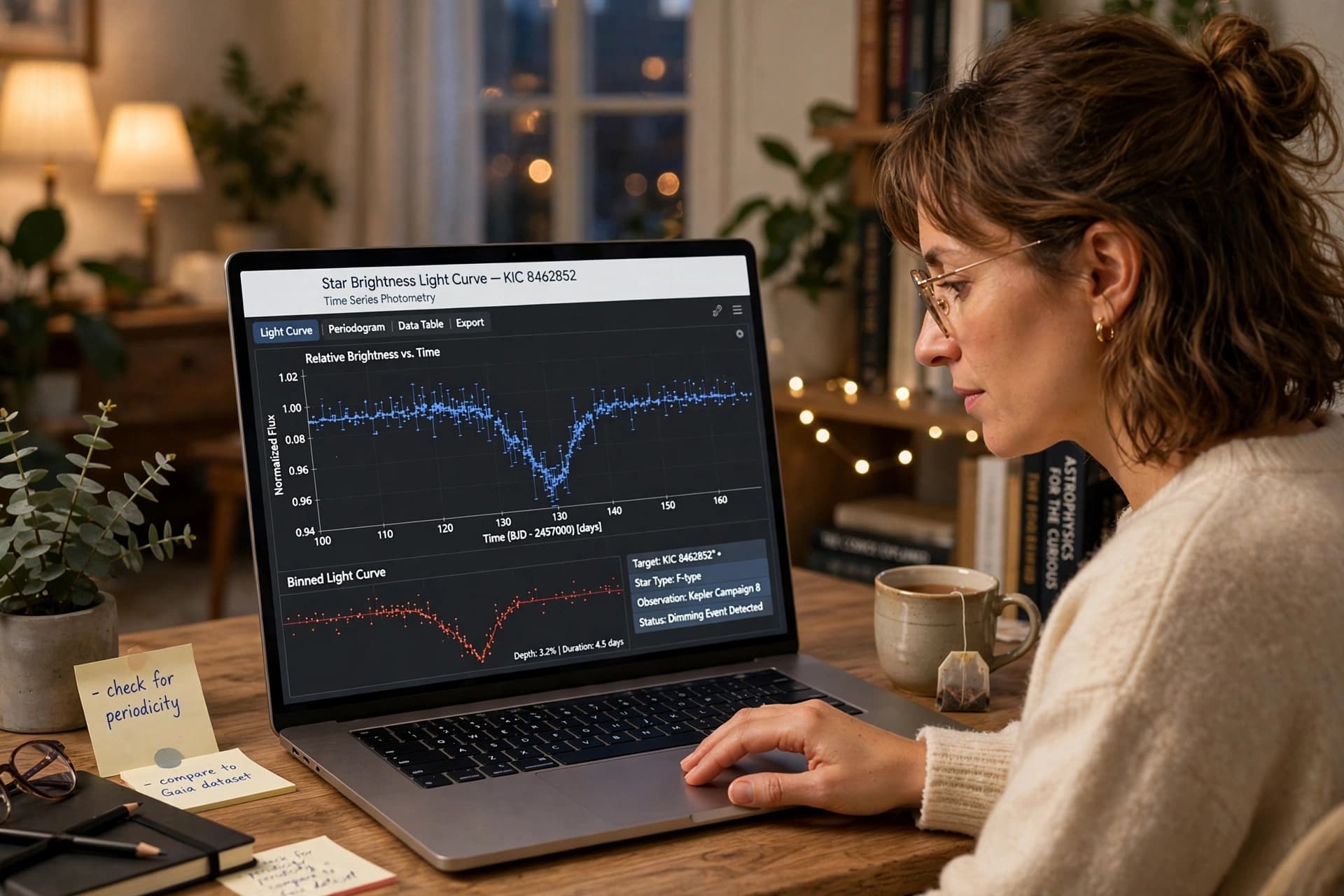
The Black Hole Hunters citizen science project recruits volunteers to search TESS data for gravitational microlensing signals that could reveal hidden black holes in the Milky Way.

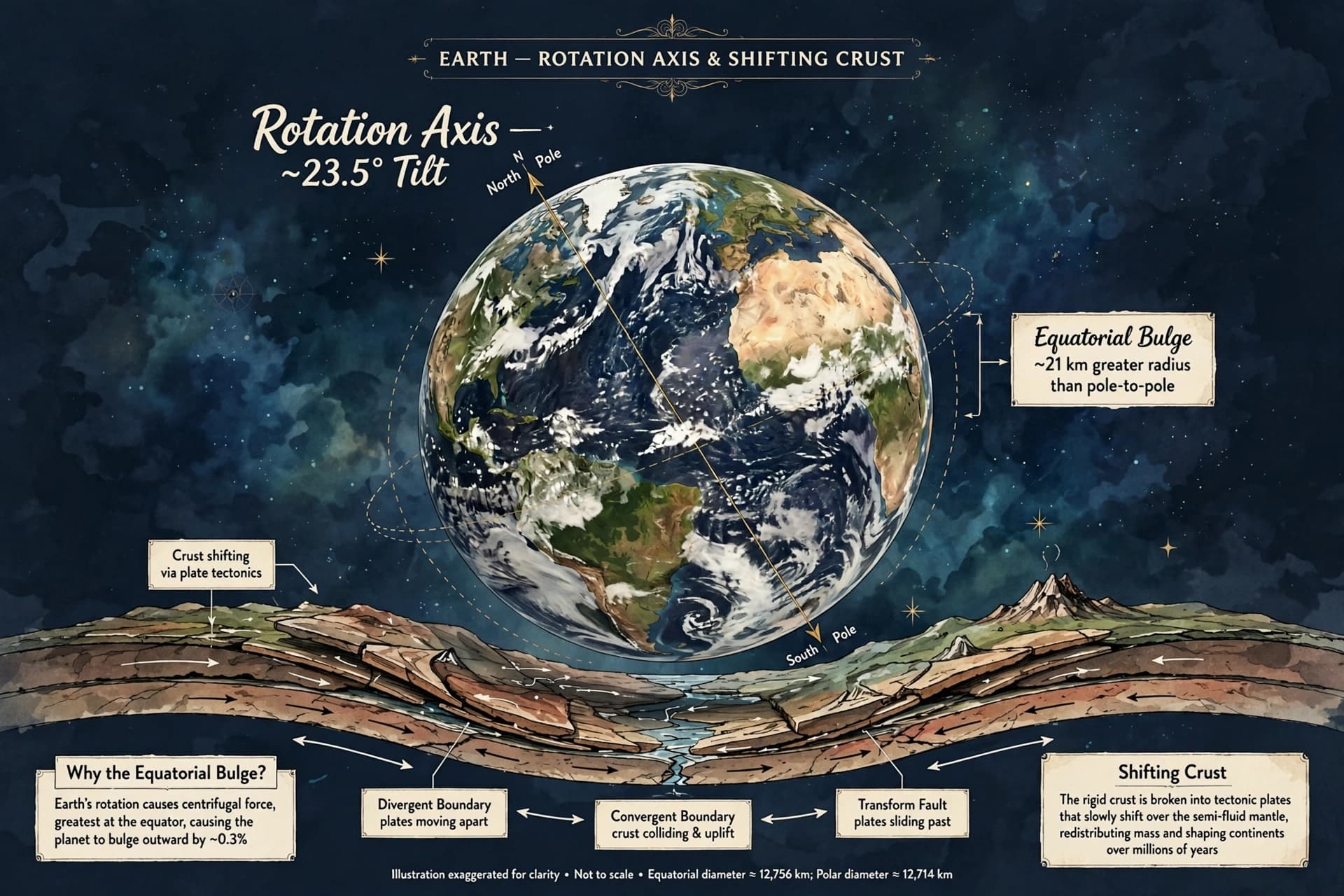
A new study in Science uses ancient sea-level patterns to identify four episodes of rapid true polar wander over the past 320 million years, corroborating paleomagnetic evidence.

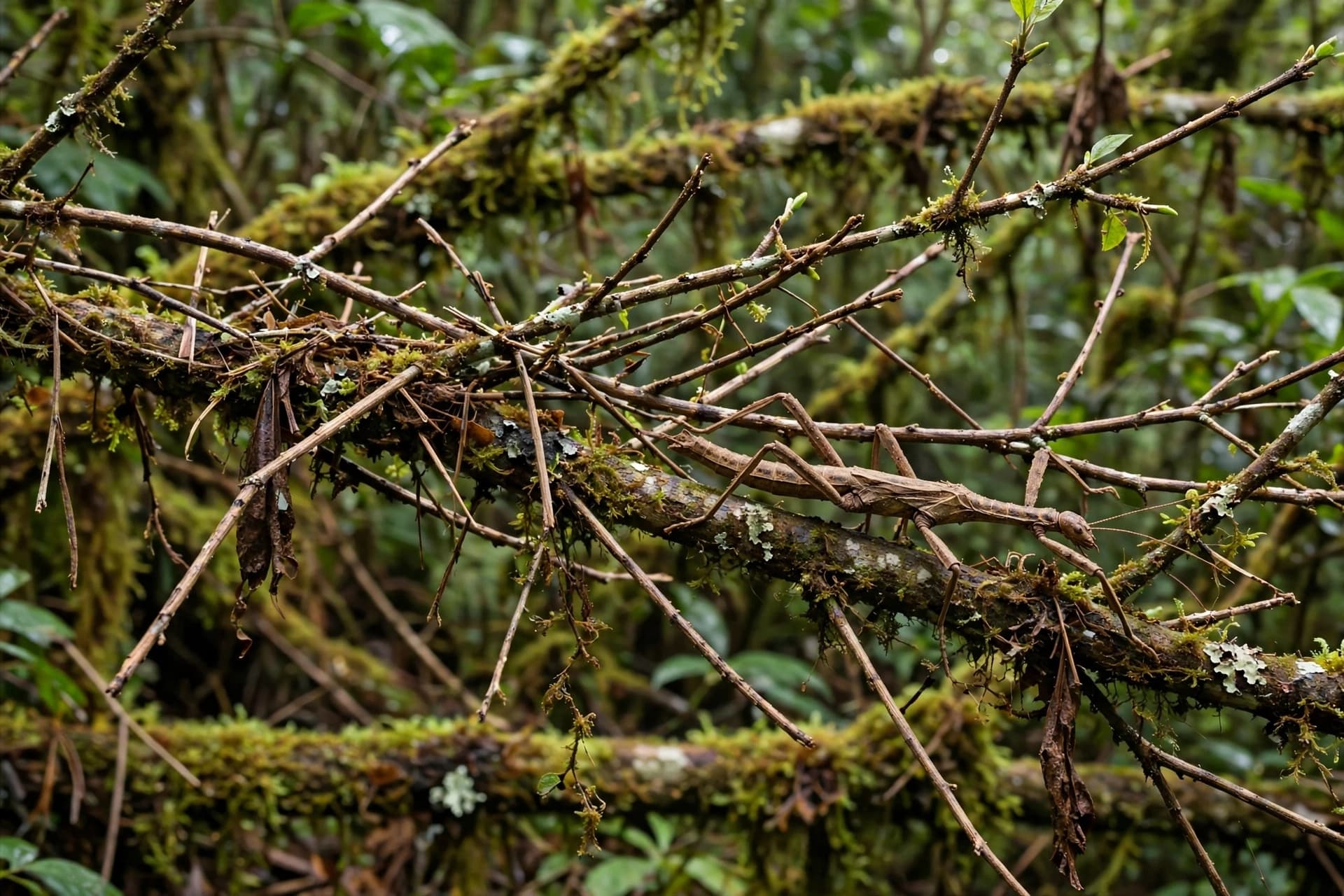
A University of Sydney study reveals that a giant stick insect known for decades was actually a separate species, and that two known species are actually

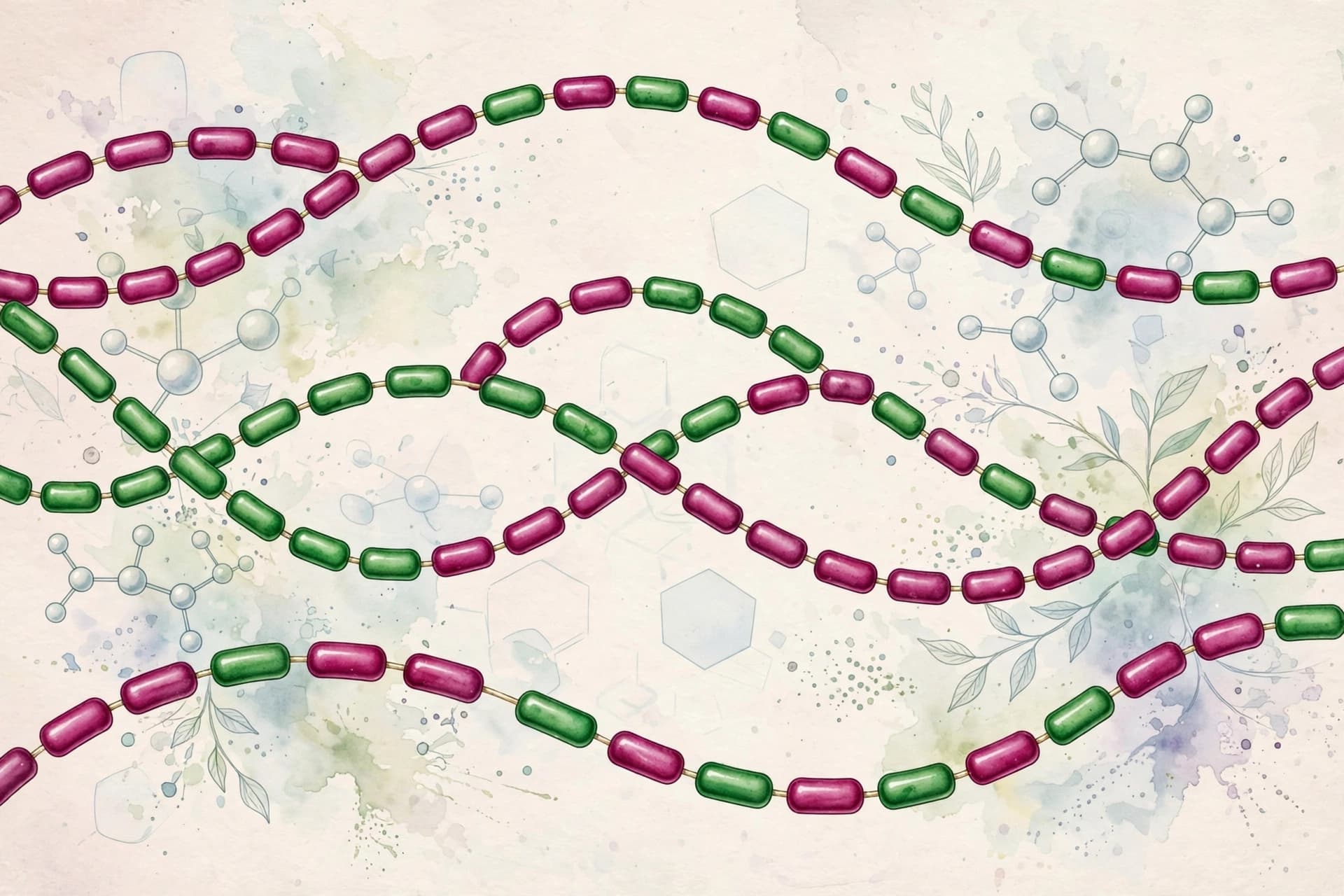
Northwestern scientists create billion-dalton supramolecular polymers with precise length and charge segments, finding unexpected bioactivity in neurons.

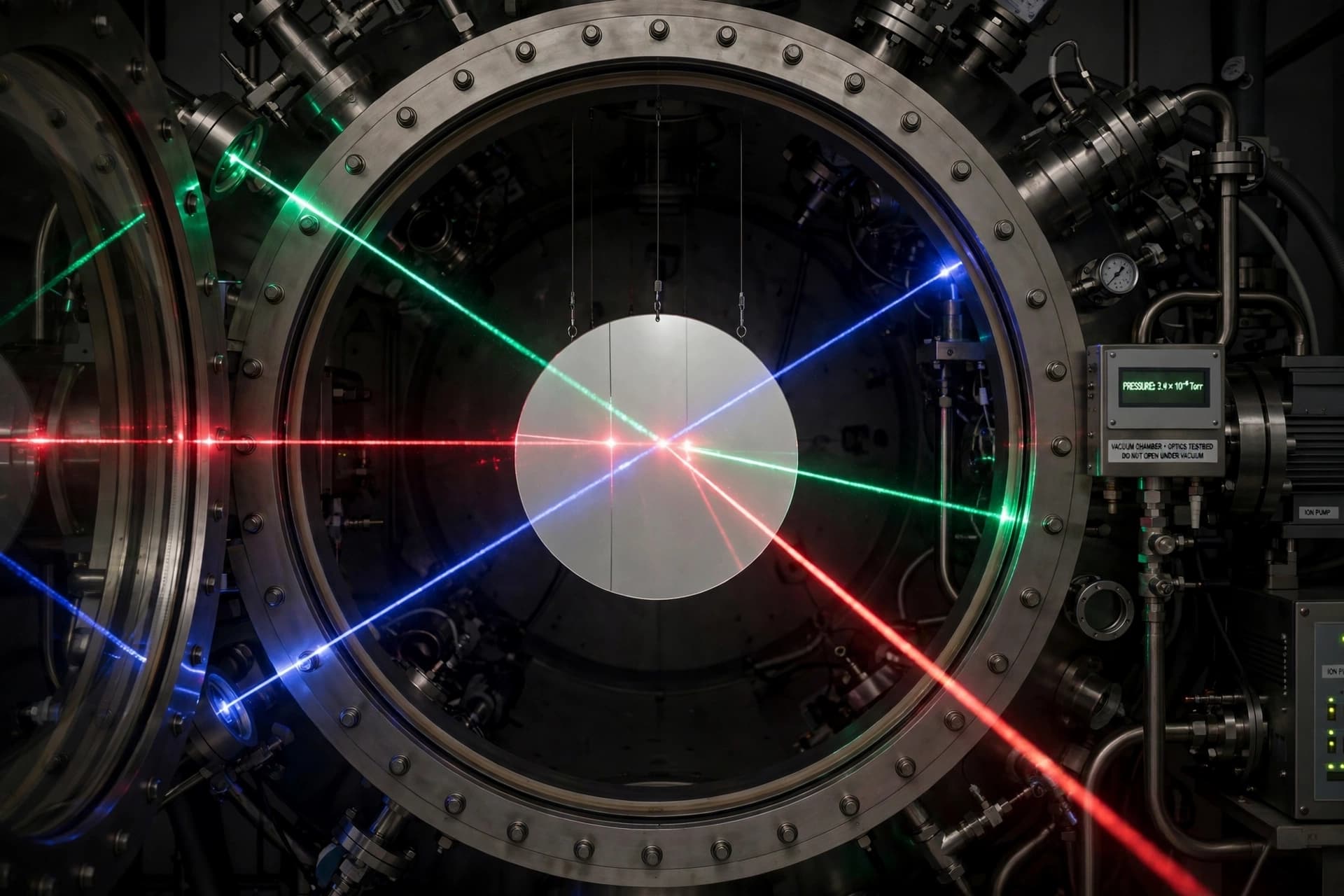
University of Western Australia researchers develop improved mirror coatings with low mechanical loss, enhancing sensitivity for gravitational wave detection.

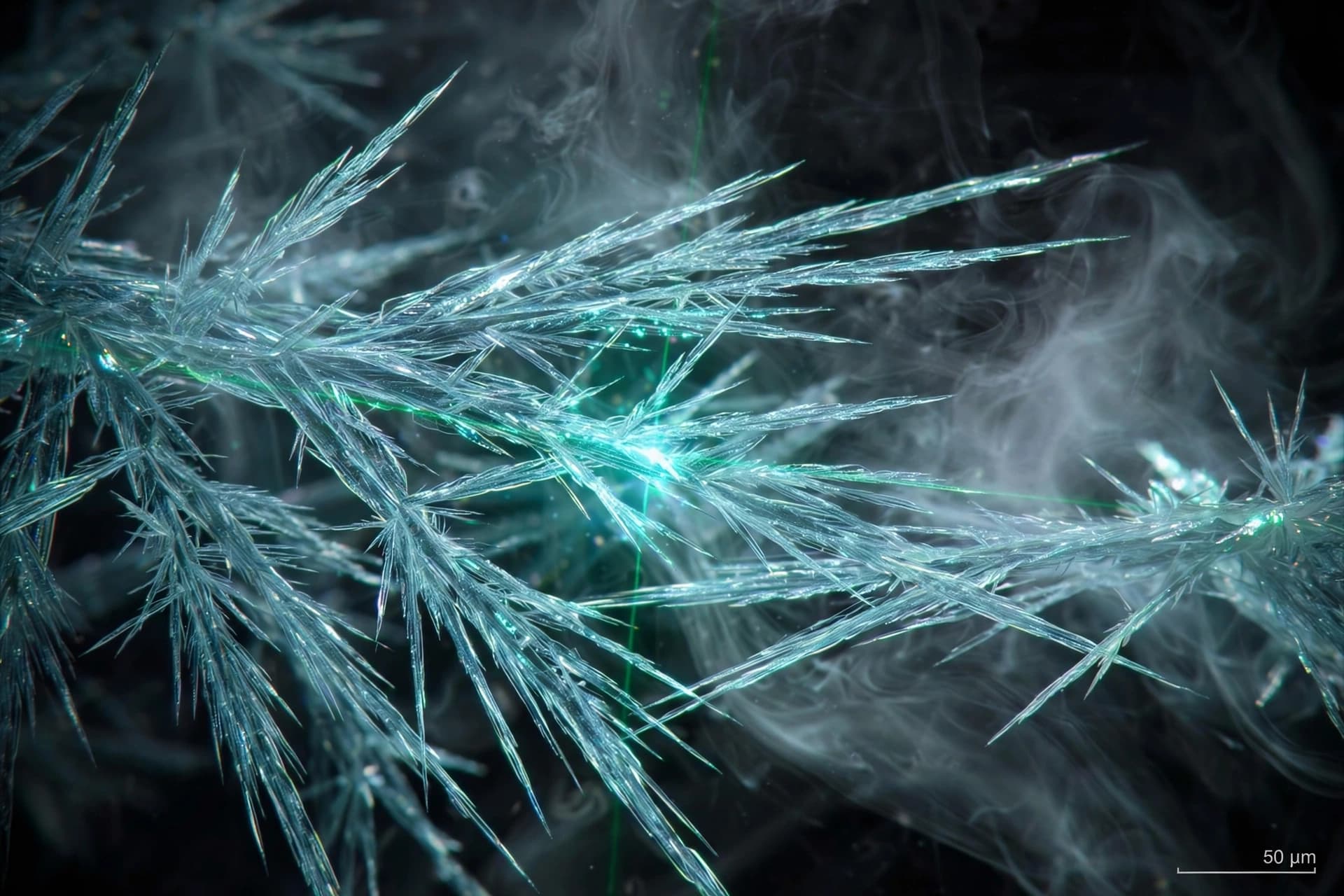
University of Tokyo researchers observe microscopic rhenium complex crystals moving, changing shape, or partly dissolving when exposed to chloroform vapor, offering insights for vapor sensors.

UC Irvine study reveals p53-deficient cells generate a signaling gradient that triggers death in neighboring cells, enabling mutant expansion through active competition.

A theoretical proposal in Physical Review B describes a protocol using rare-earth-ion optical memories to measure strain shifts of hyperfine transitions, offering a new approach to microscopic strain sensing.

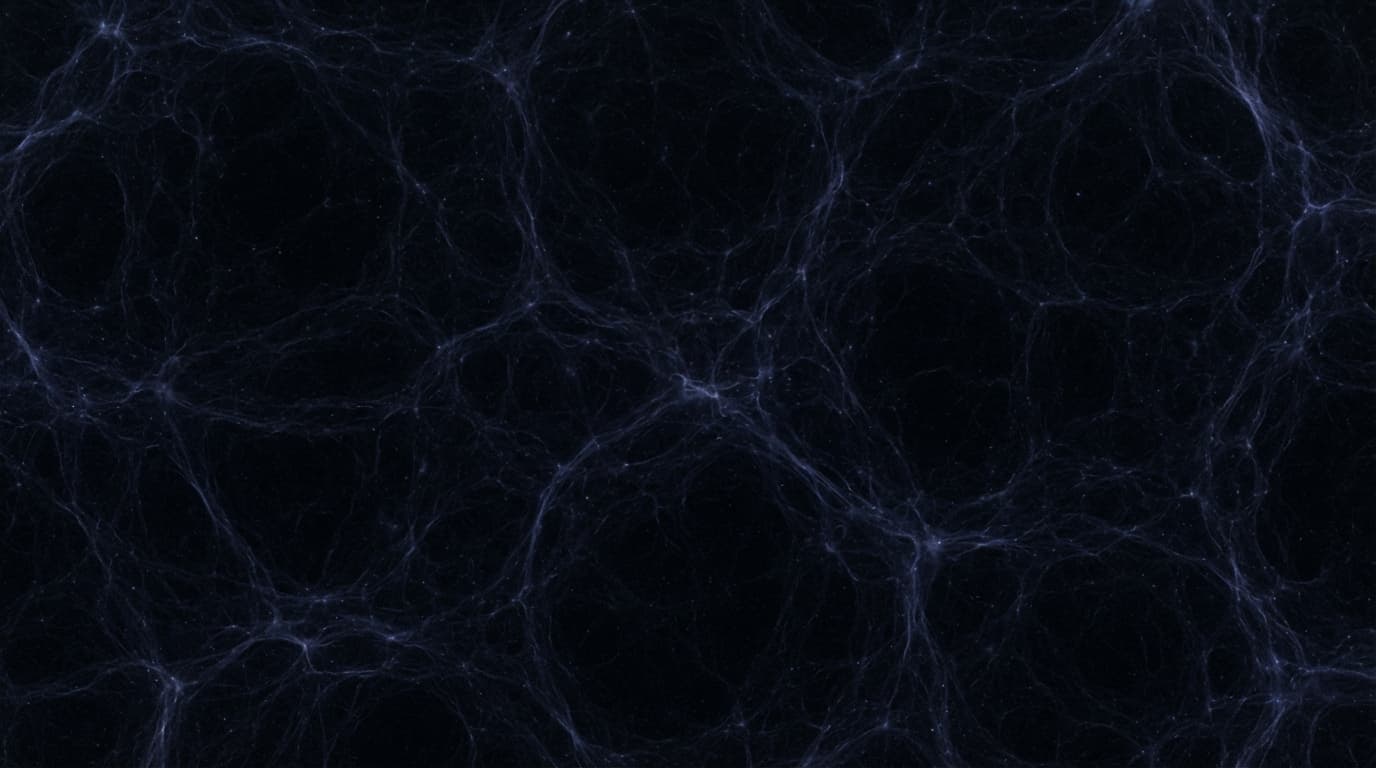
The universe appears to contain far more matter than we can see. Stars, planets, galaxies and everything visible through telescopes account for only a fraction of the matter scientists believe exists. The rest appears to be dark matter — an invisible substance that does not emit, absorb or reflect light but whose gravitational influence can be observed throughout the cosmos. Despite decades of research, scientists still do not know exactly what dark matter is. Now, increasingly sensitive detectors, astronomical surveys and particle-physics experiments are attempting to solve one of modern science's greatest mysteries.

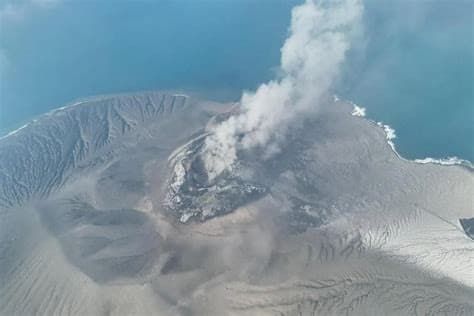
Indonesia’s Anak Krakatau volcano has formed two new islands following an eruption, reshaping the surrounding landscape and prompting scientific monitoring.

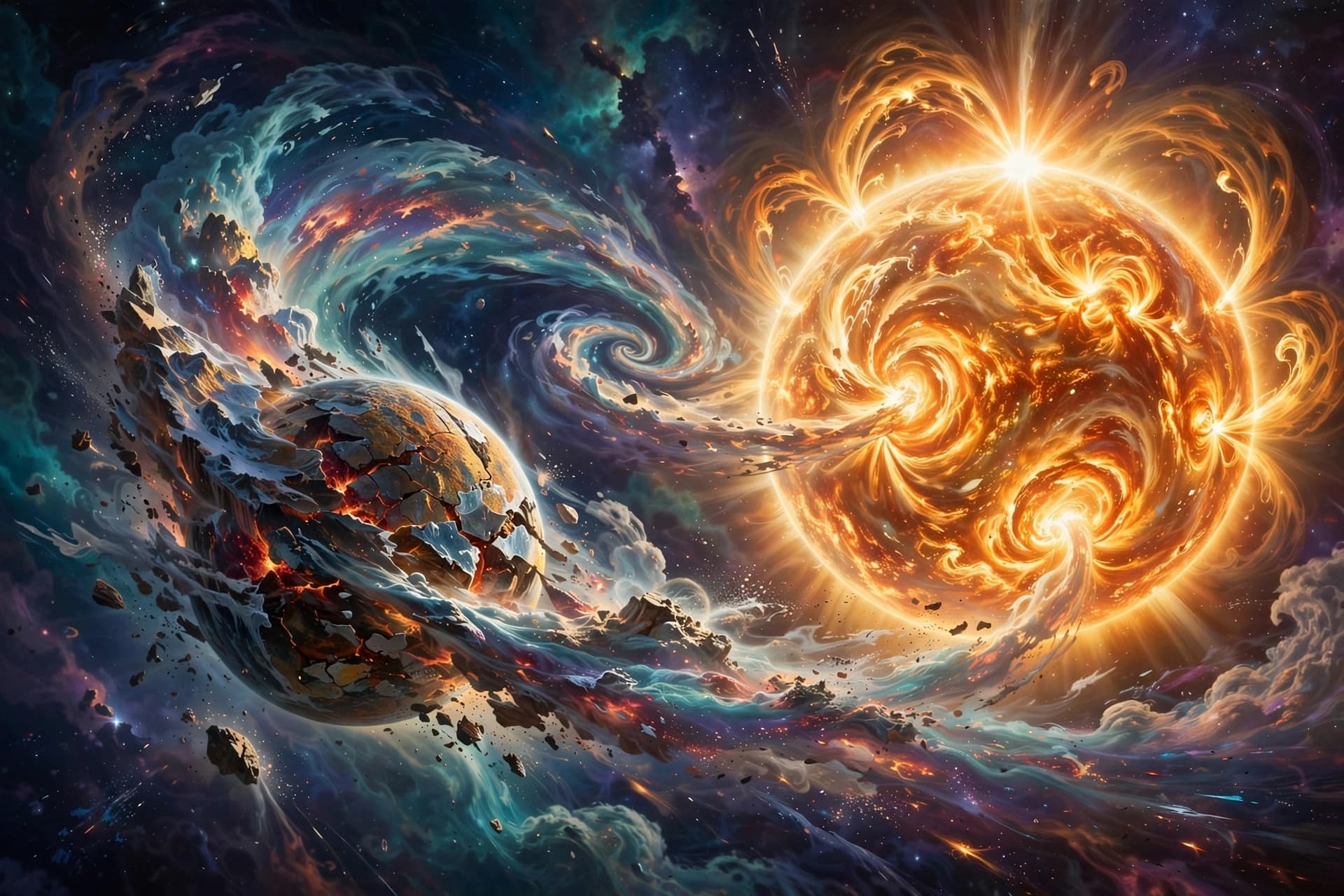
Webb observations reveal that a planet around ZTF SLRN-2020 spiraled inward and crashed into its star, producing a gas disk and shedding light on planetary death.

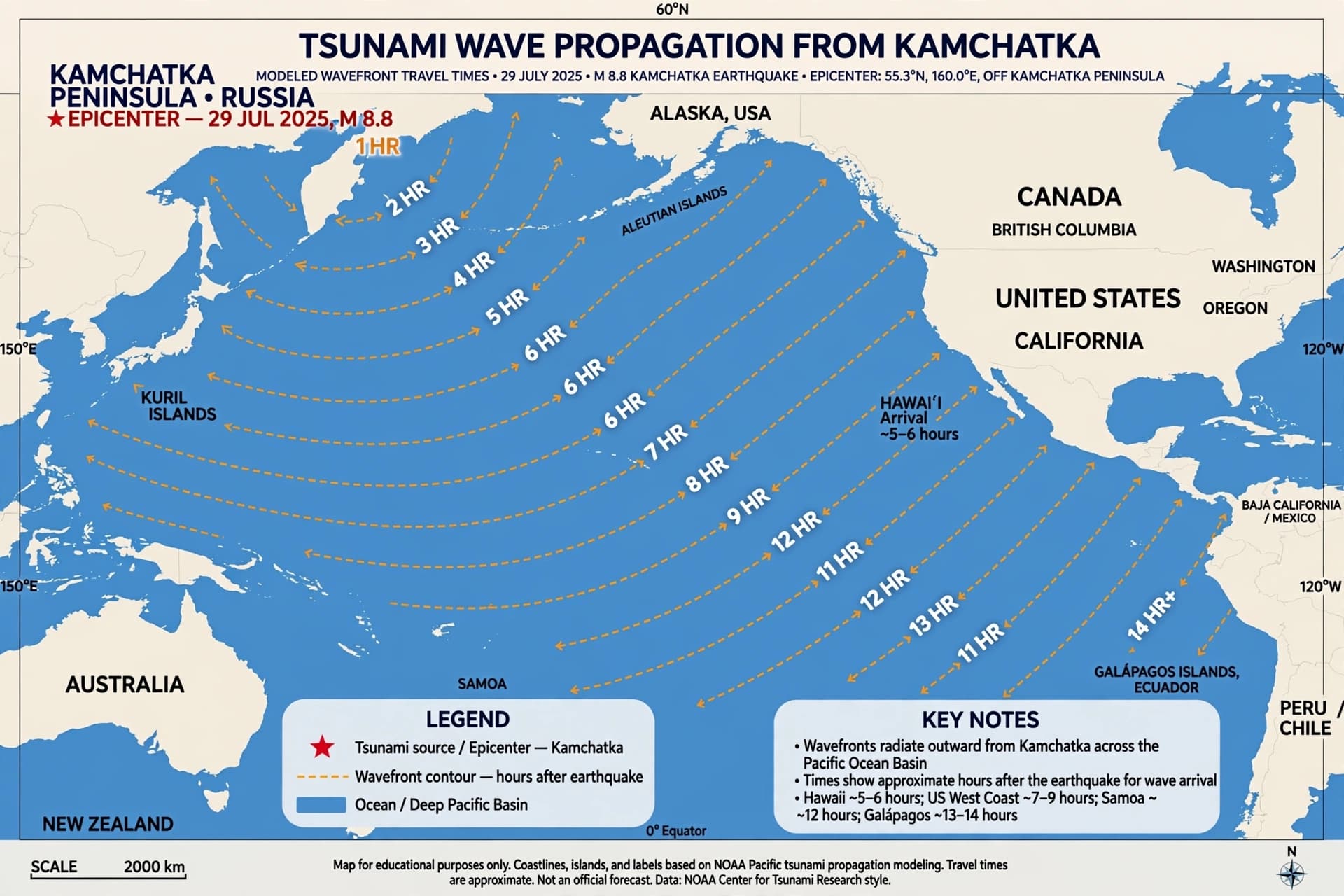
The 2025 Kamchatka tsunami caused Pacific-wide oscillations lasting over ten hours. Studying this rhythm could improve future tsunami warning systems.

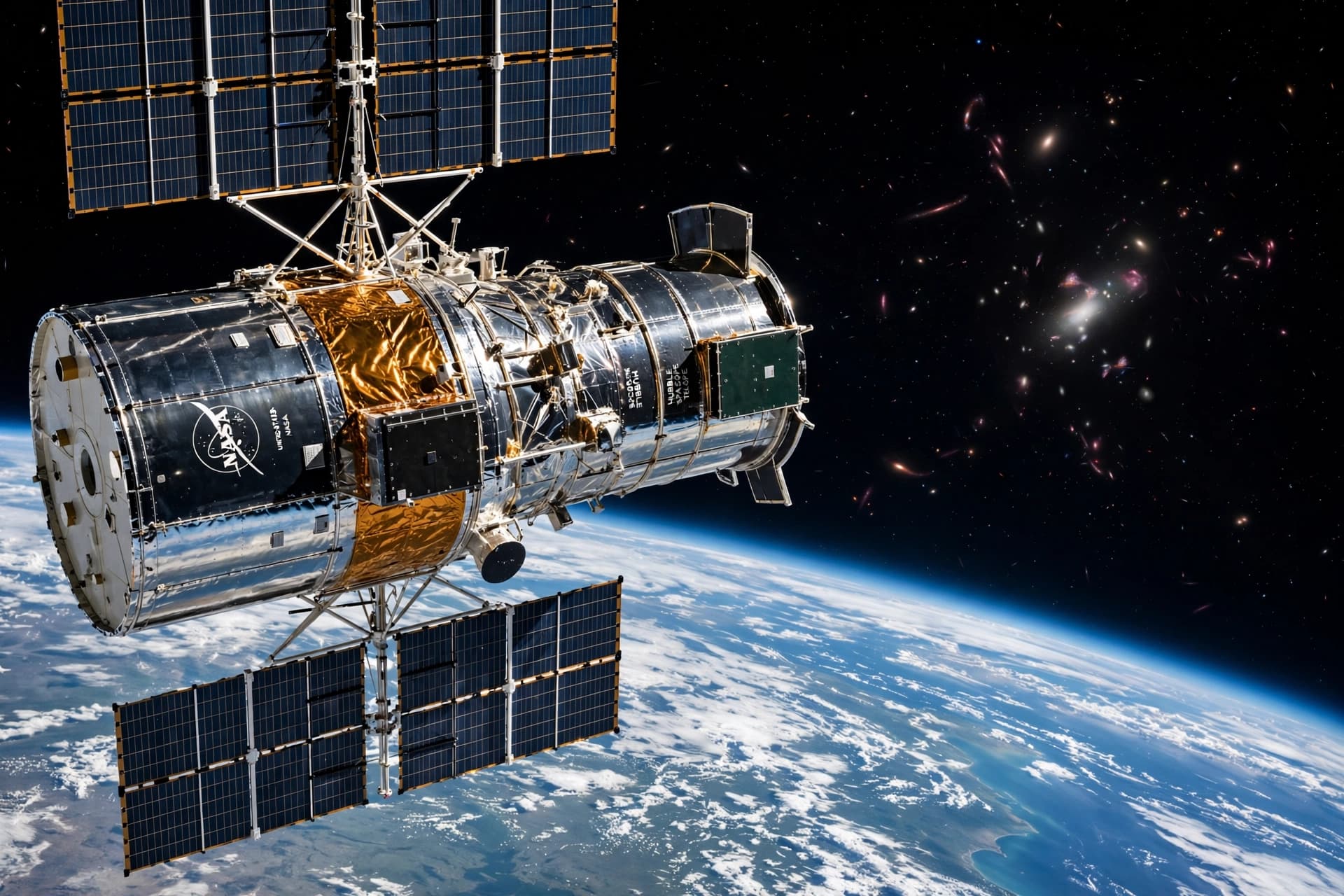
Hubble marks its 200,000th orbit by observing the lensed supernova Athena, using gravitational lensing to refine measurements of the universe's expansion rate.