SCIENCE94% credibility
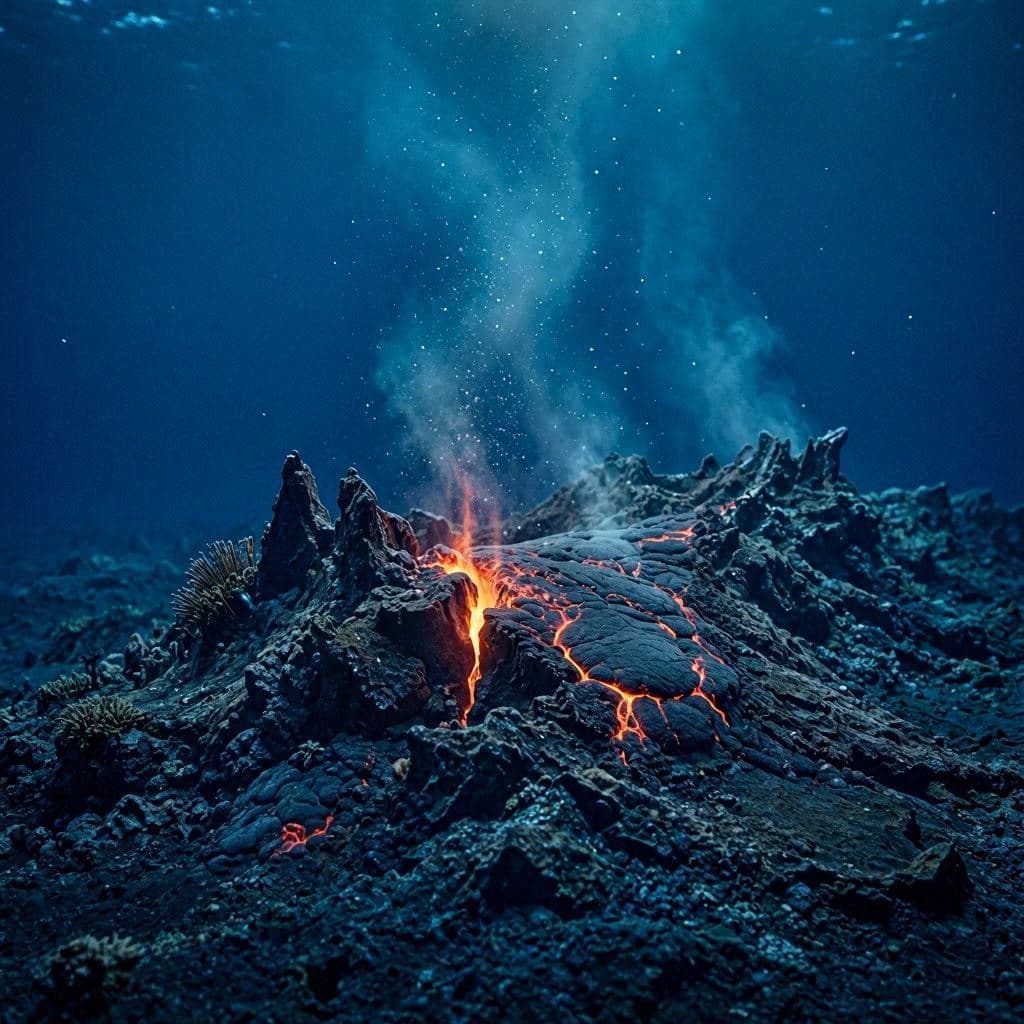
Witnessing the Earth’s Crust Split in Real Time
Scientists have observed the deep ocean floor tearing apart in real time, providing unprecedented data on seafloor spreading and tectonic plate mechanics.
3 min read

Scientists have observed the deep ocean floor tearing apart in real time, providing unprecedented data on seafloor spreading and tectonic plate mechanics.
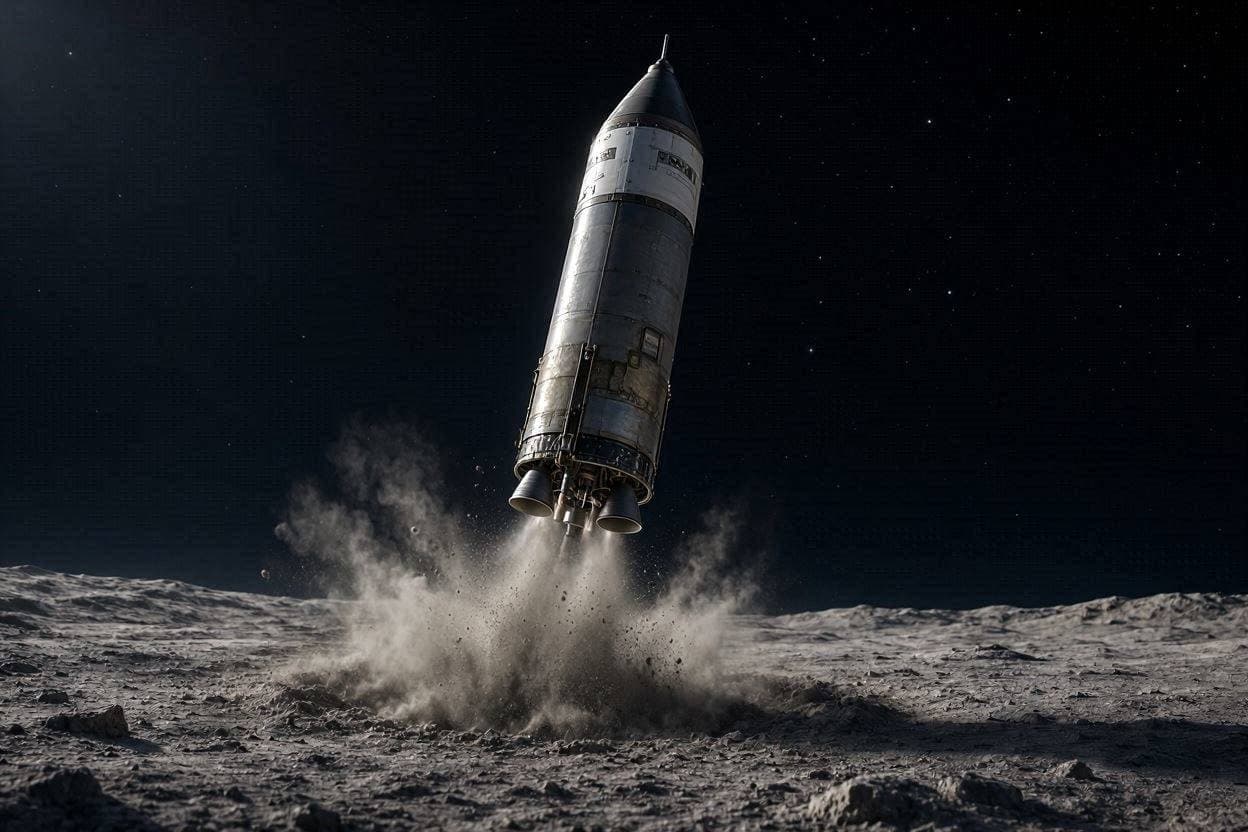
An abandoned Falcon 9 rocket stage is predicted to impact the Moon on August 5, 2026, raising discussions about space debris and sustainable exploration.
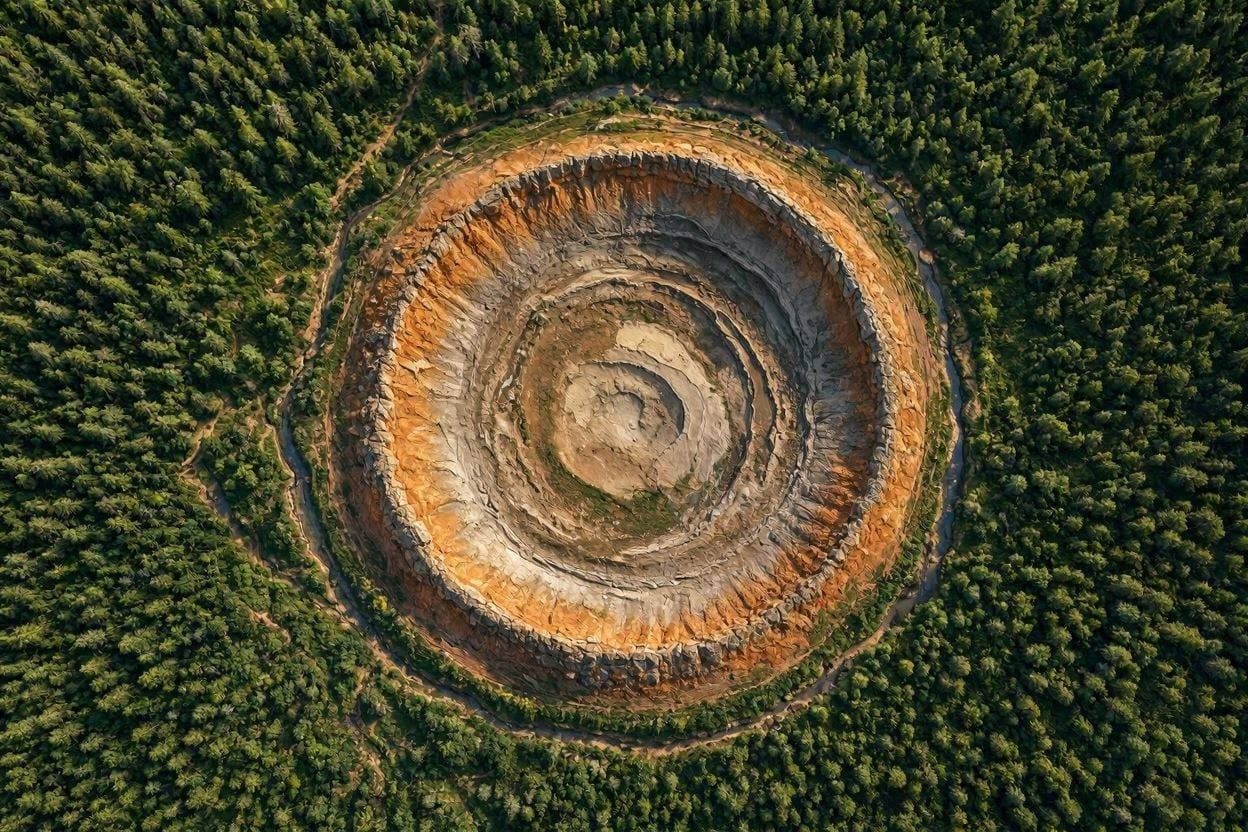
Amateur astronomer Joël Lapointe discovered a 390-million-year-old meteorite crater in Quebec using Google Maps, demonstrating the potential of citizen science.
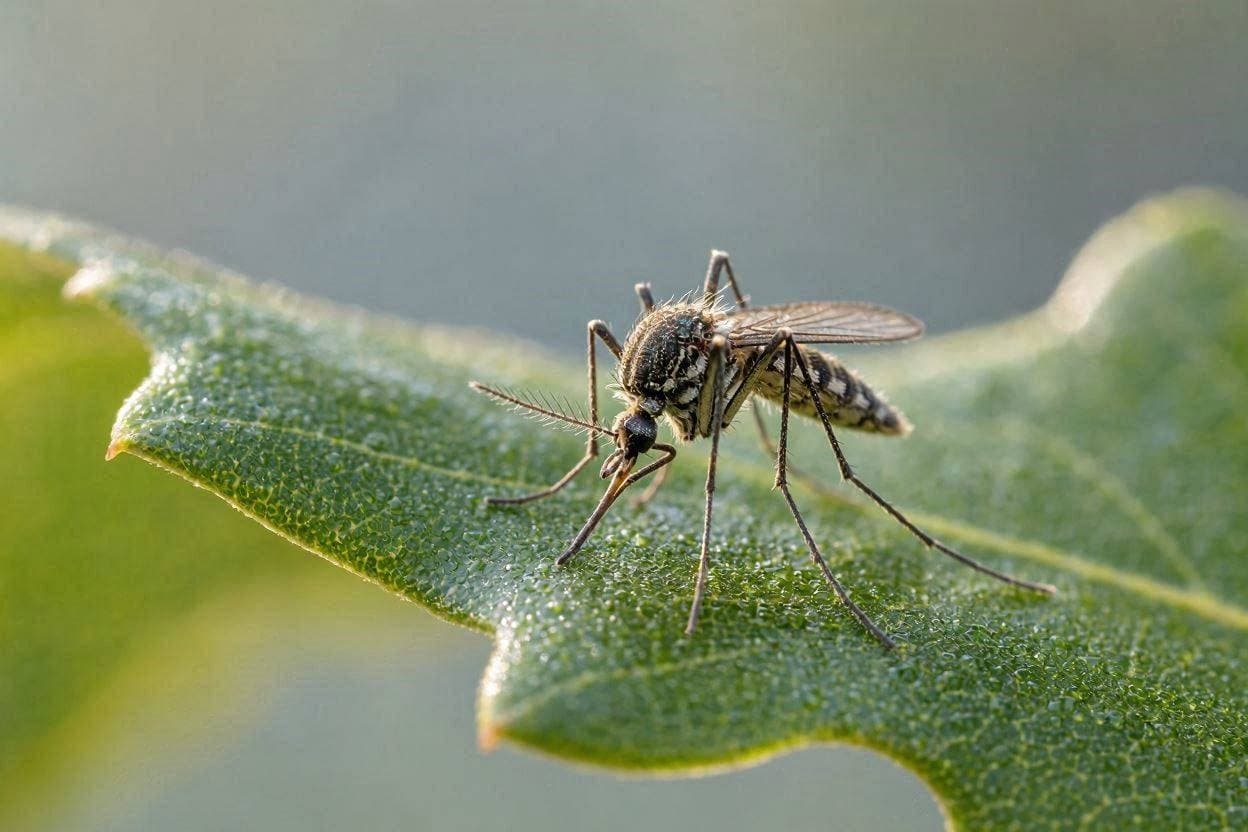
Health units have issued warnings after detecting West Nile virus in local mosquito traps, urging residents to take preventive measures against bites.
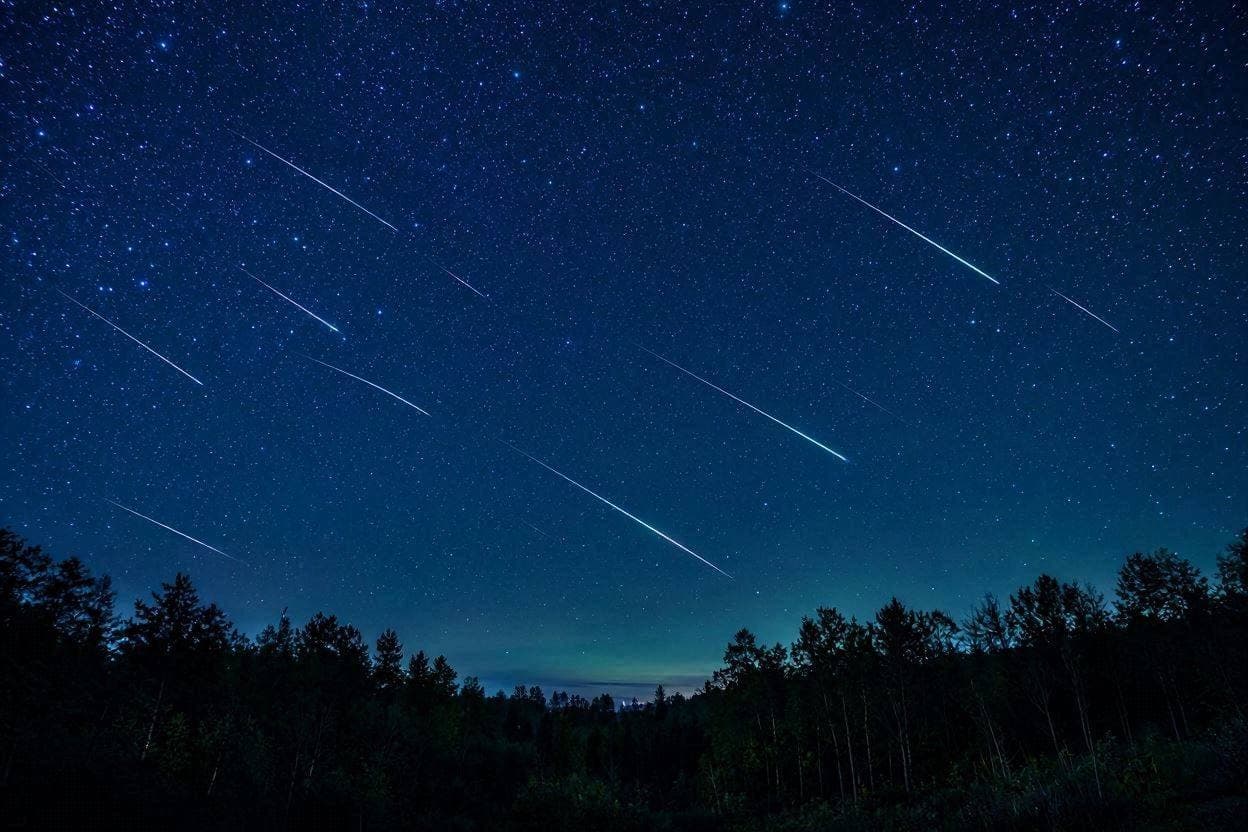
A rare meteor shower is expected to provide one of the best sky shows in years, with high activity levels and dark skies enhancing visibility for observers.
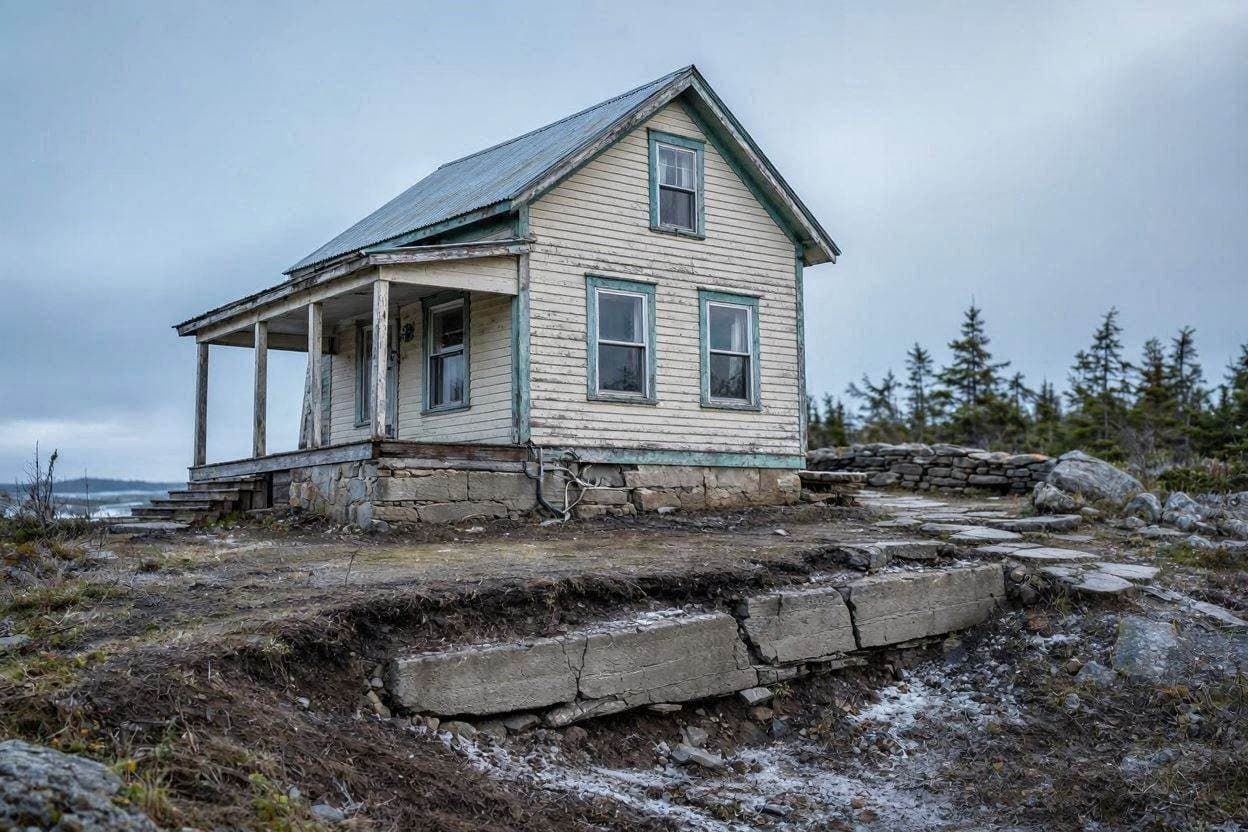
Residents of Nain, Labrador, are facing infrastructure challenges as thawing permafrost shifts the ground beneath their community, highlighting the impacts of climate change.
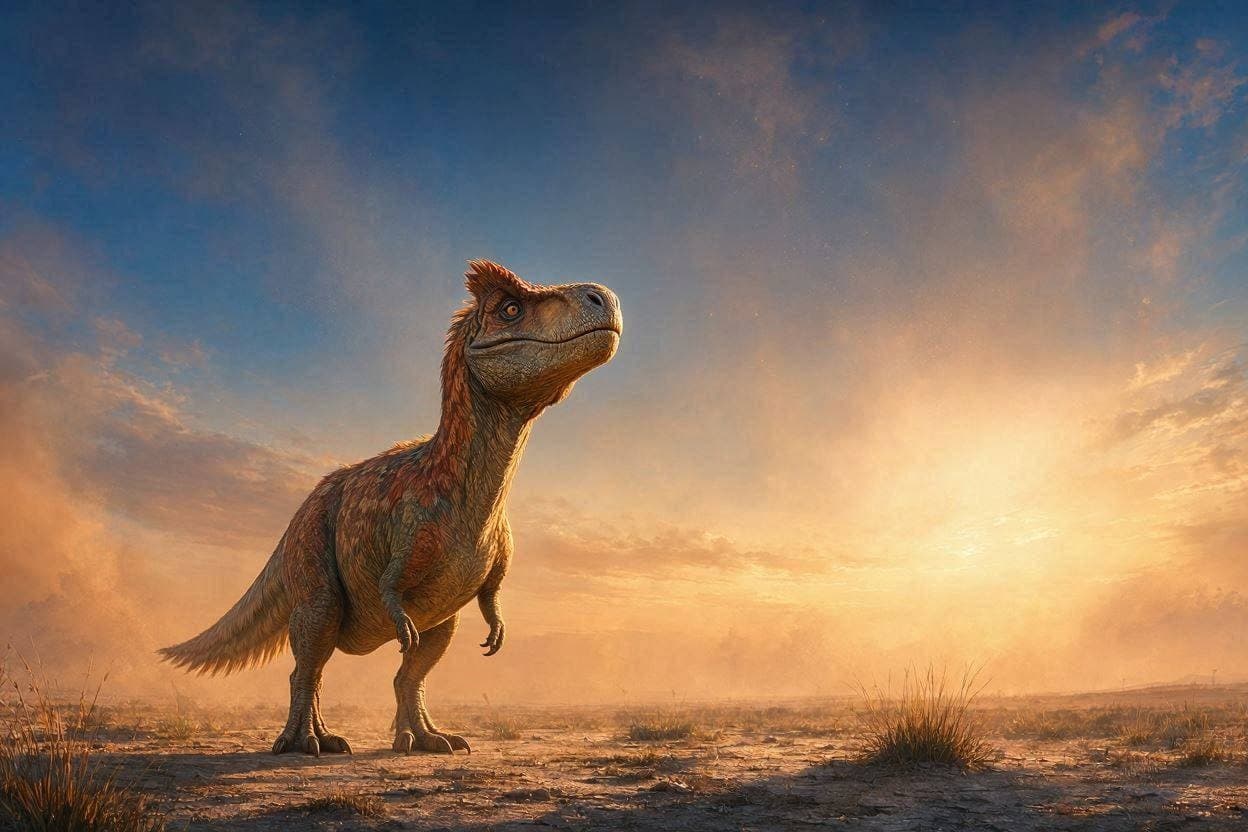
Scientists suggest that dinosaurs were killed by intense thermal radiation trapped by asteroid dust, effectively roasting them alive shortly after the impact.
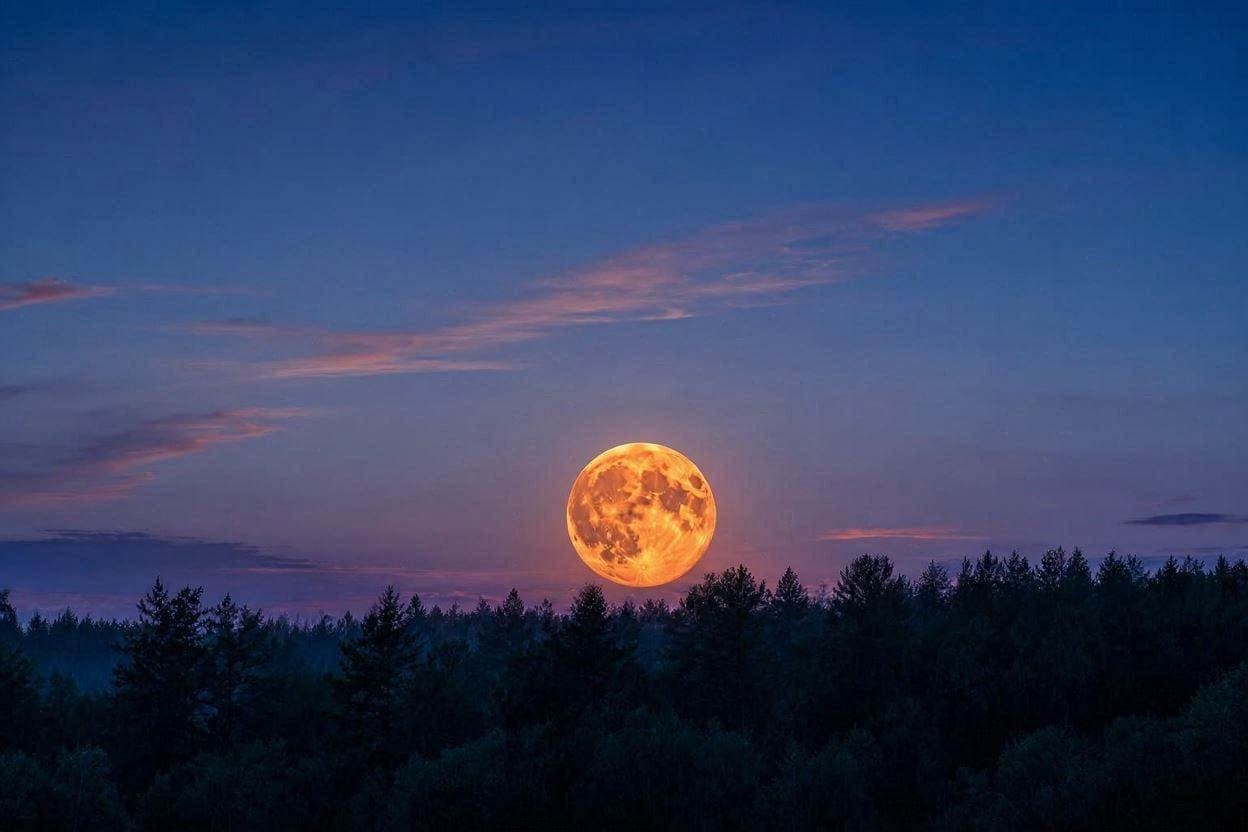
July’s full Buck Moon peaks on July 29, offering a spectacular view for observers who look to the southeastern sky after sunset.
A stunning daylight photo captures the International Space Station passing near Venus, showcasing a rare celestial conjunction and the beauty of space observation.
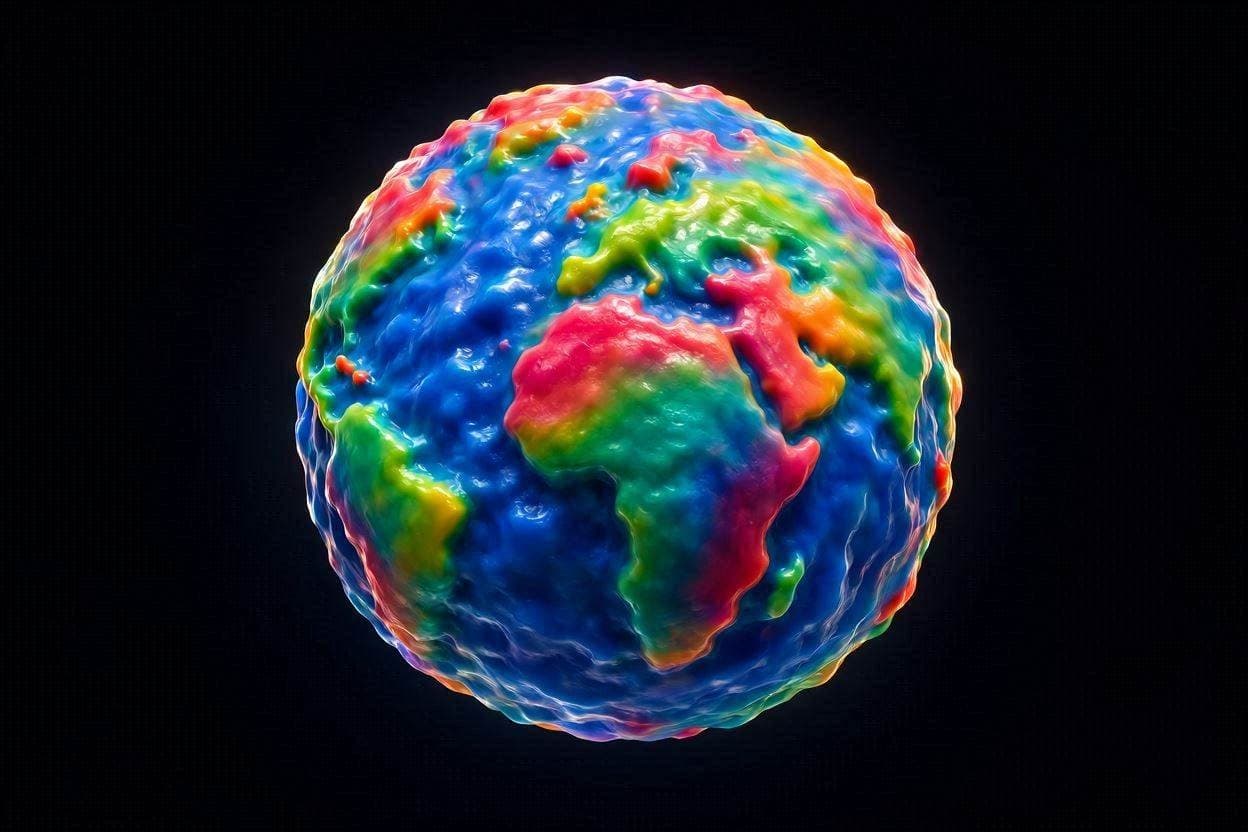
NASA’s gravity-based models reveal Earth’s true geoid shape, an irregular form that reflects variations in mass and gravity, crucial for climate and ocean studies.
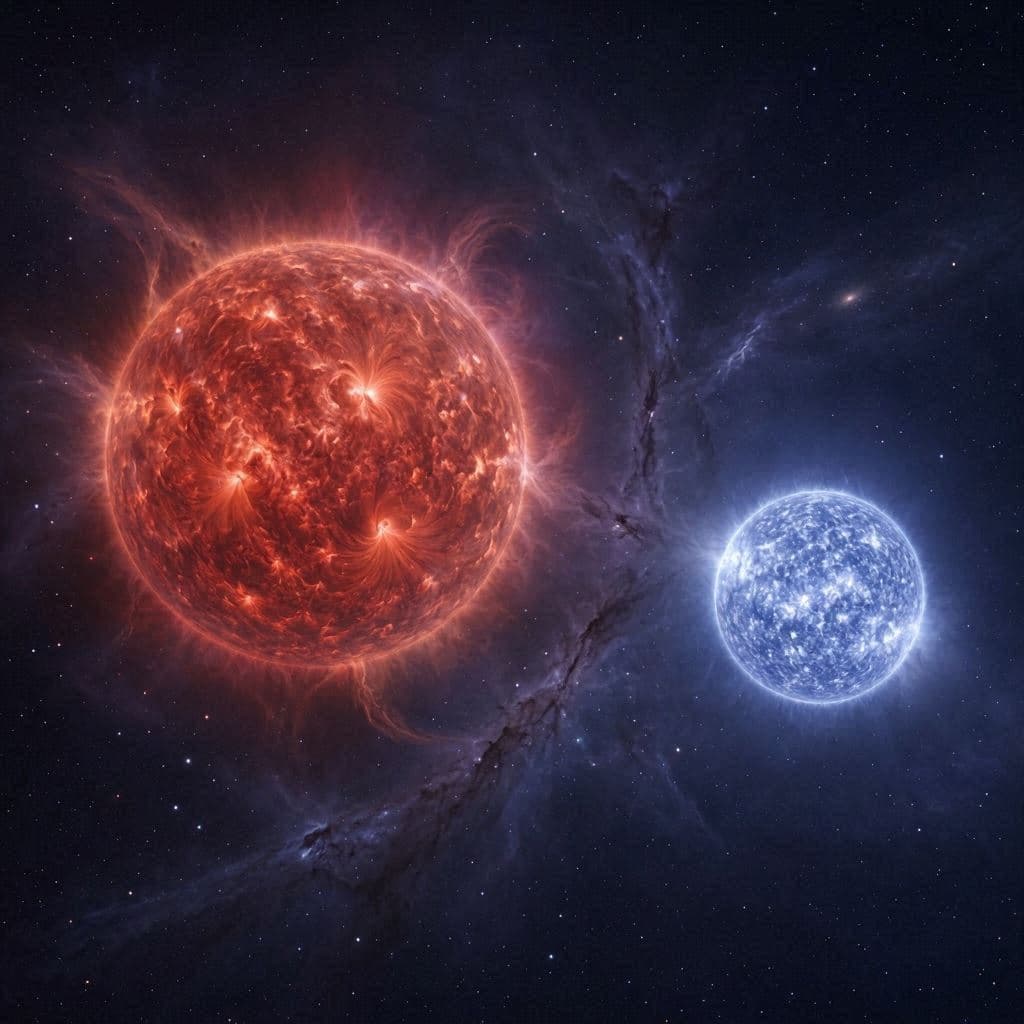
Astronomers have captured the clearest image yet of a suspected companion star orbiting the red supergiant Betelgeuse, resolving a long-standing mystery.
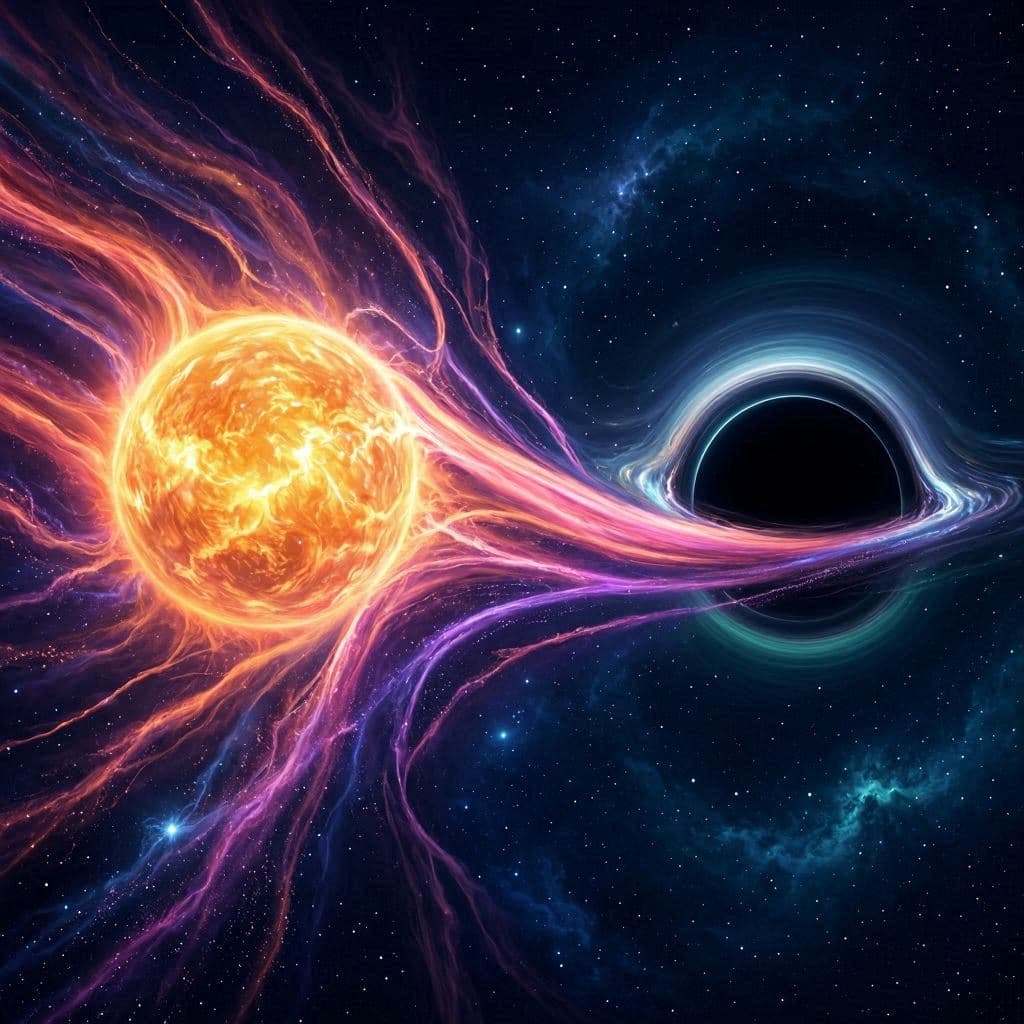
NASA telescopes captured a rare tidal disruption event where a supermassive black hole tore apart and consumed a passing star, offering new insights into cosmic physics.
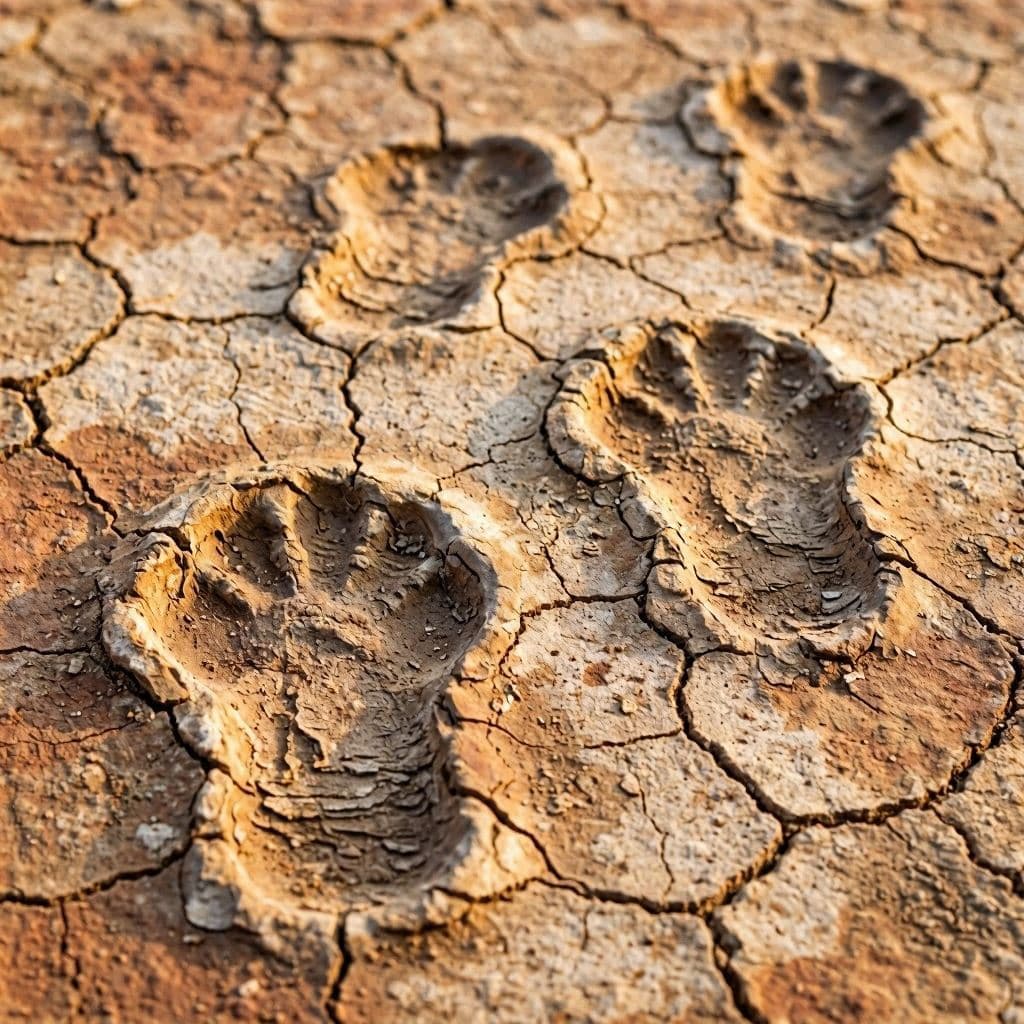
Fossil footprints attributed to Paranthropus boisei, or "Nutcracker Man," offer new insights into the locomotion and behavior of this extinct hominin species.
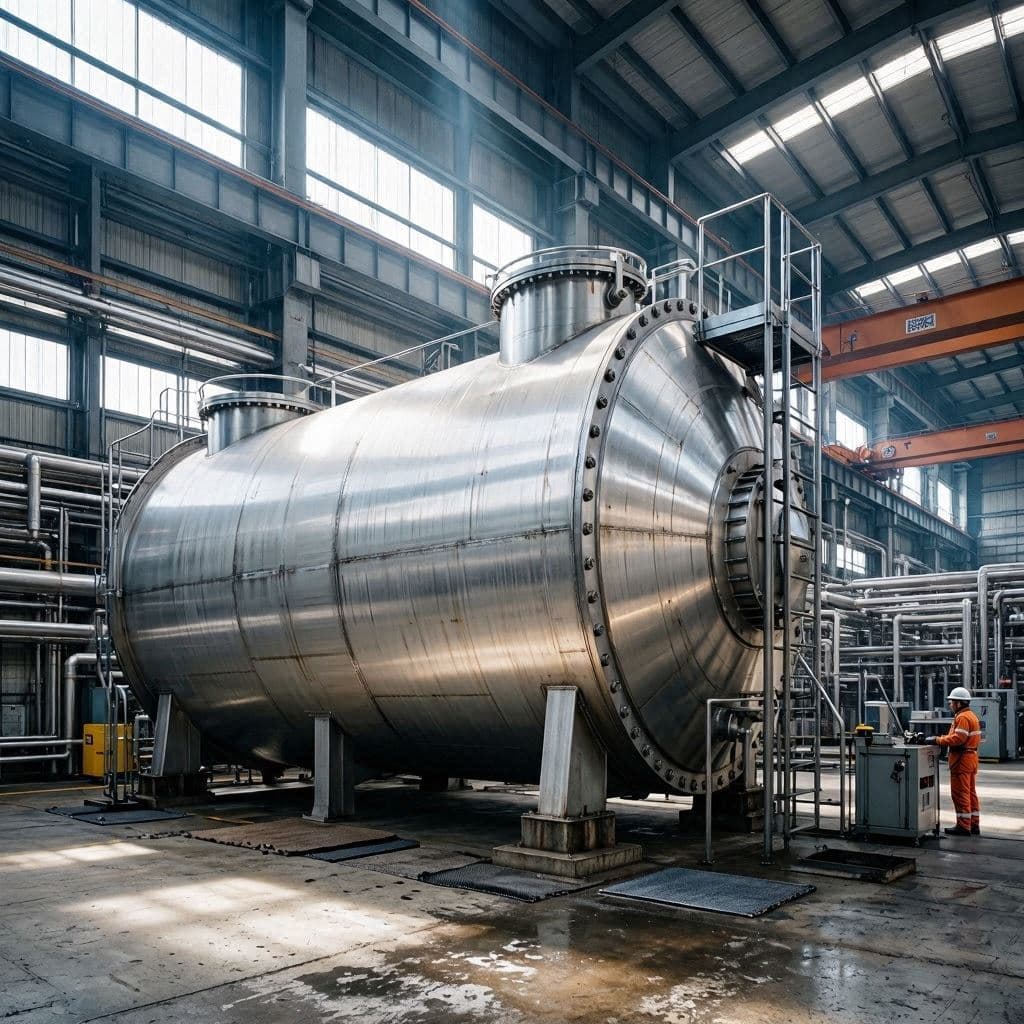
A 606-ton steel vessel for Canada’s first small modular reactor is being manufactured in Ontario, marking a major milestone for the Darlington New Nuclear Project.
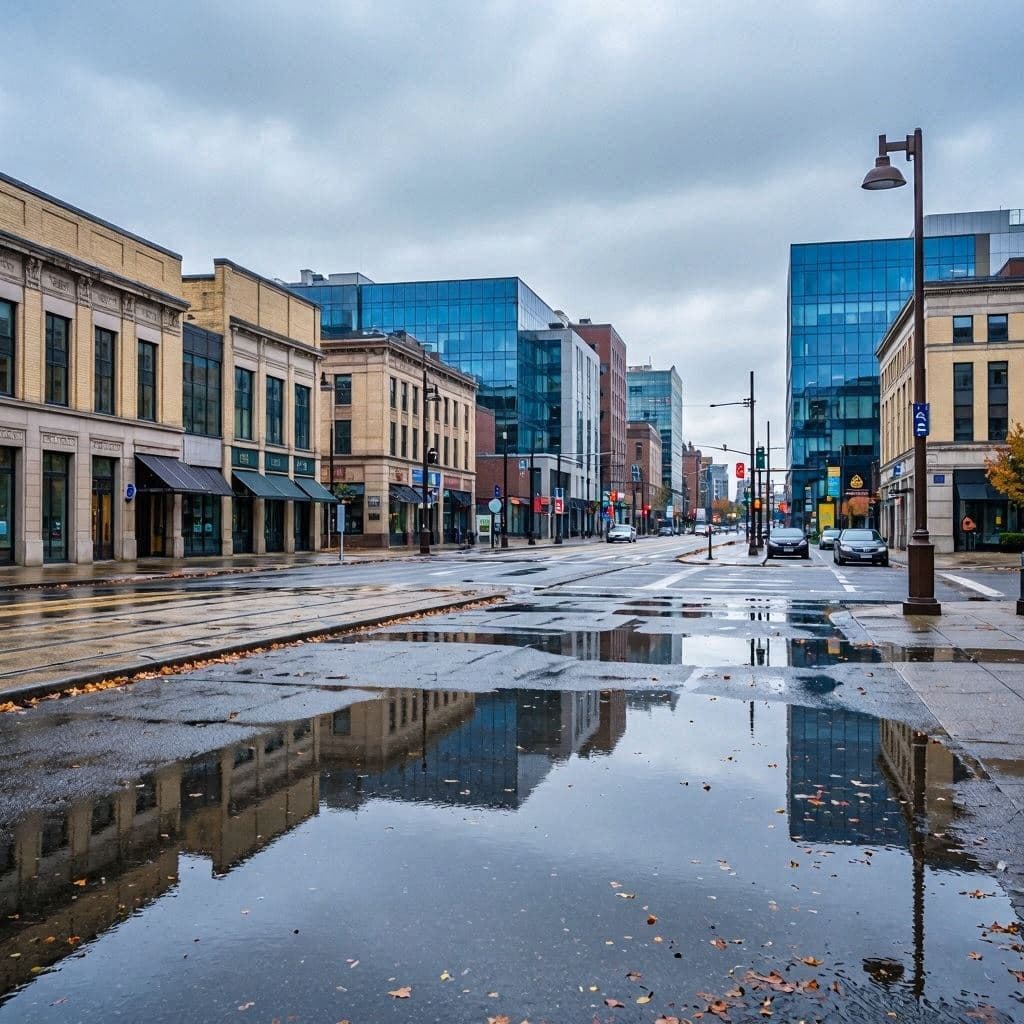
Edmonton has experienced its wettest summer on record, with more storms expected in August, prompting calls for preparedness and infrastructure resilience.
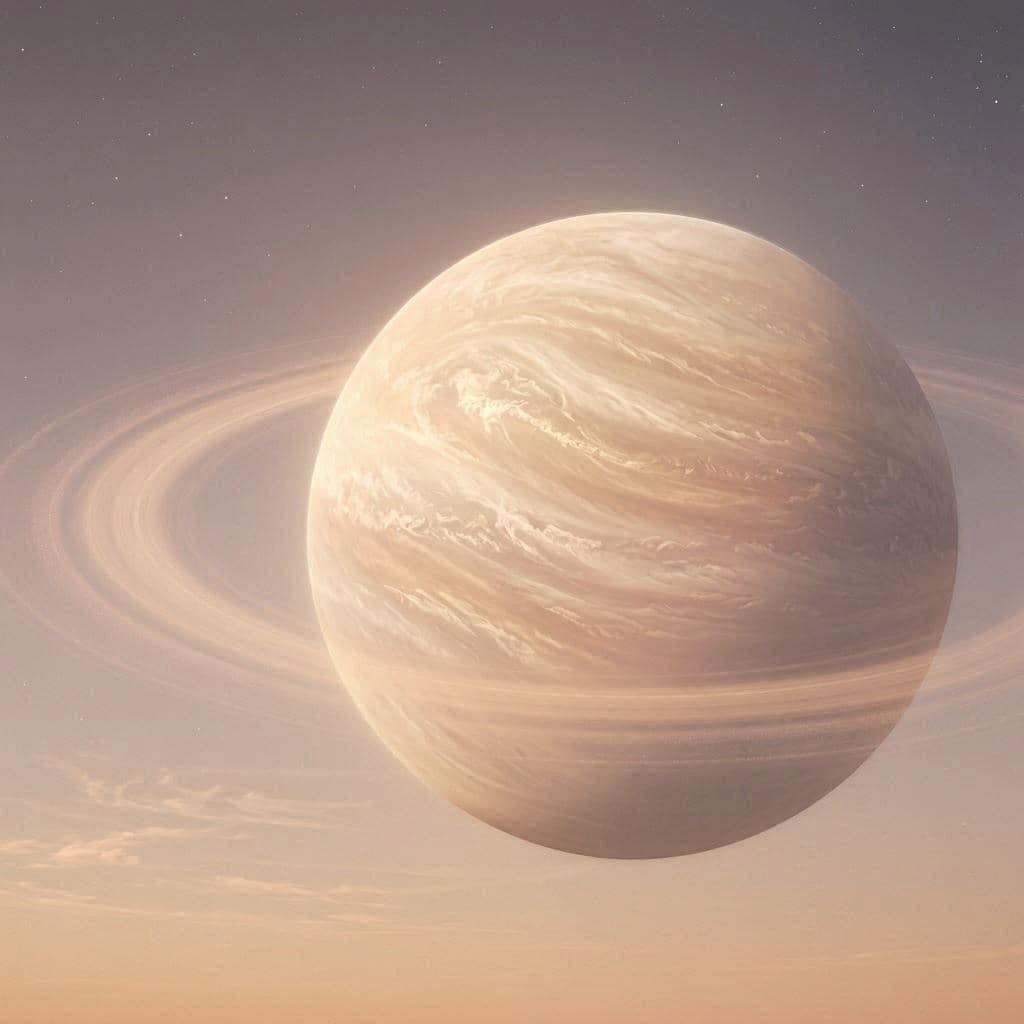
Astronomers have discovered giant concentric rings in Venus’s upper atmosphere using polarimetry, revealing new insights into its atmospheric dynamics.
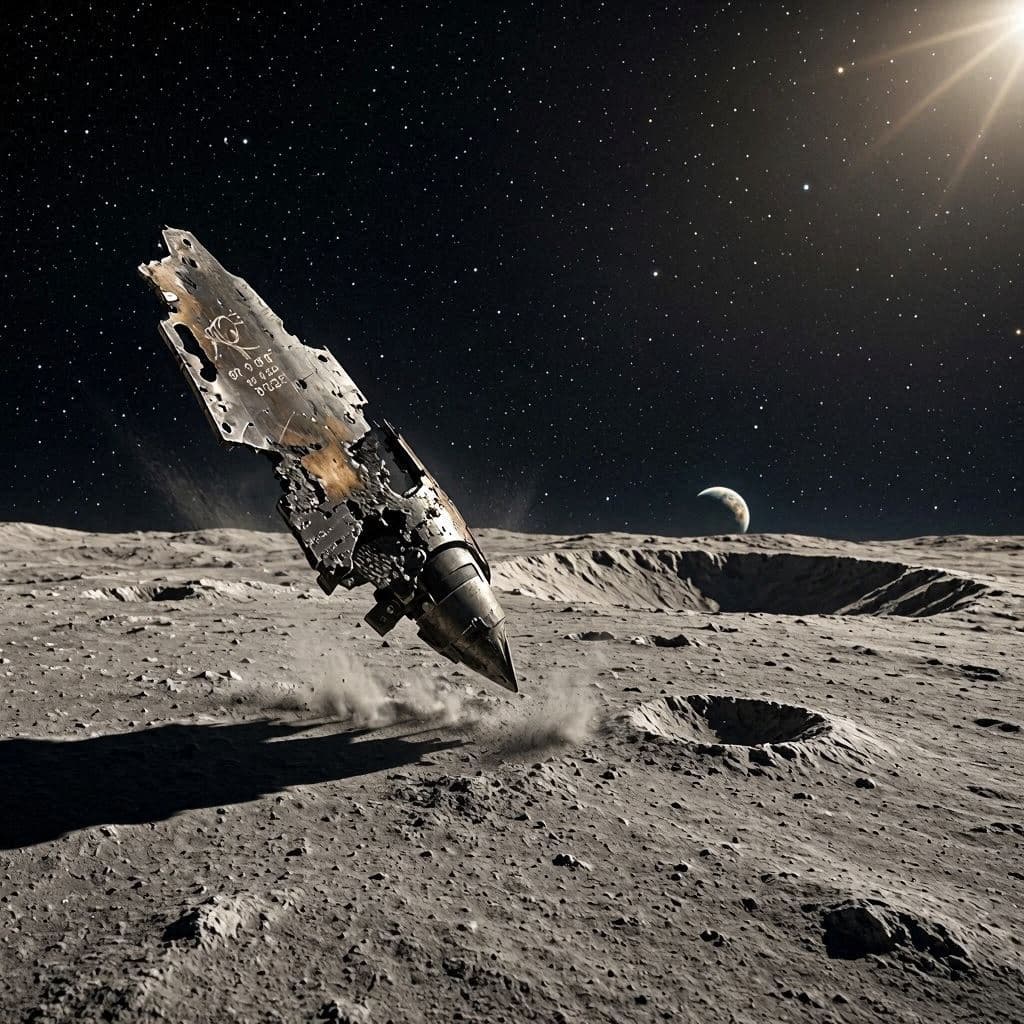
An abandoned SpaceX Falcon 9 upper stage is predicted to crash into the Moon in August 2026, highlighting concerns about space debris and lunar contamination.
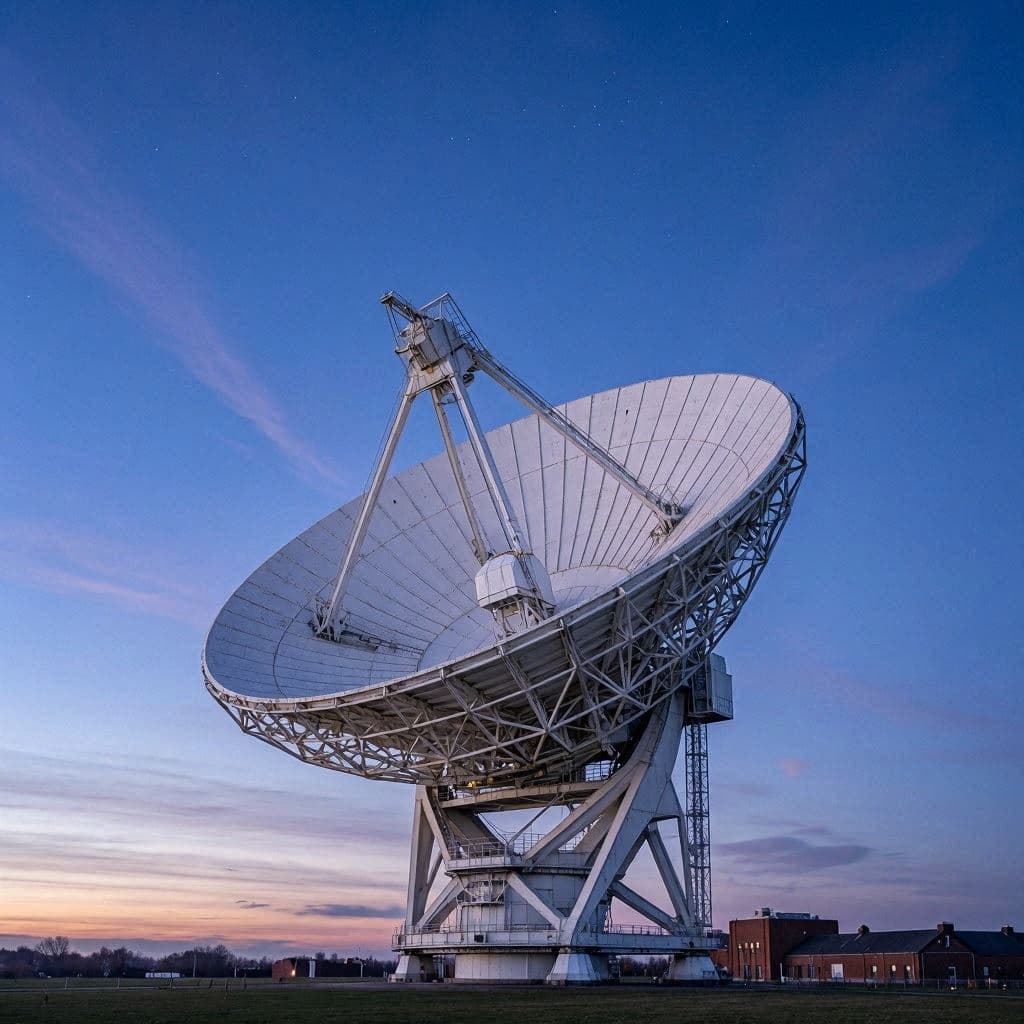
Jodrell Bank Observatory faces closure after losing STFC funding amid a 30% cut to UK astronomy and physics budgets, sparking concern among scientists.
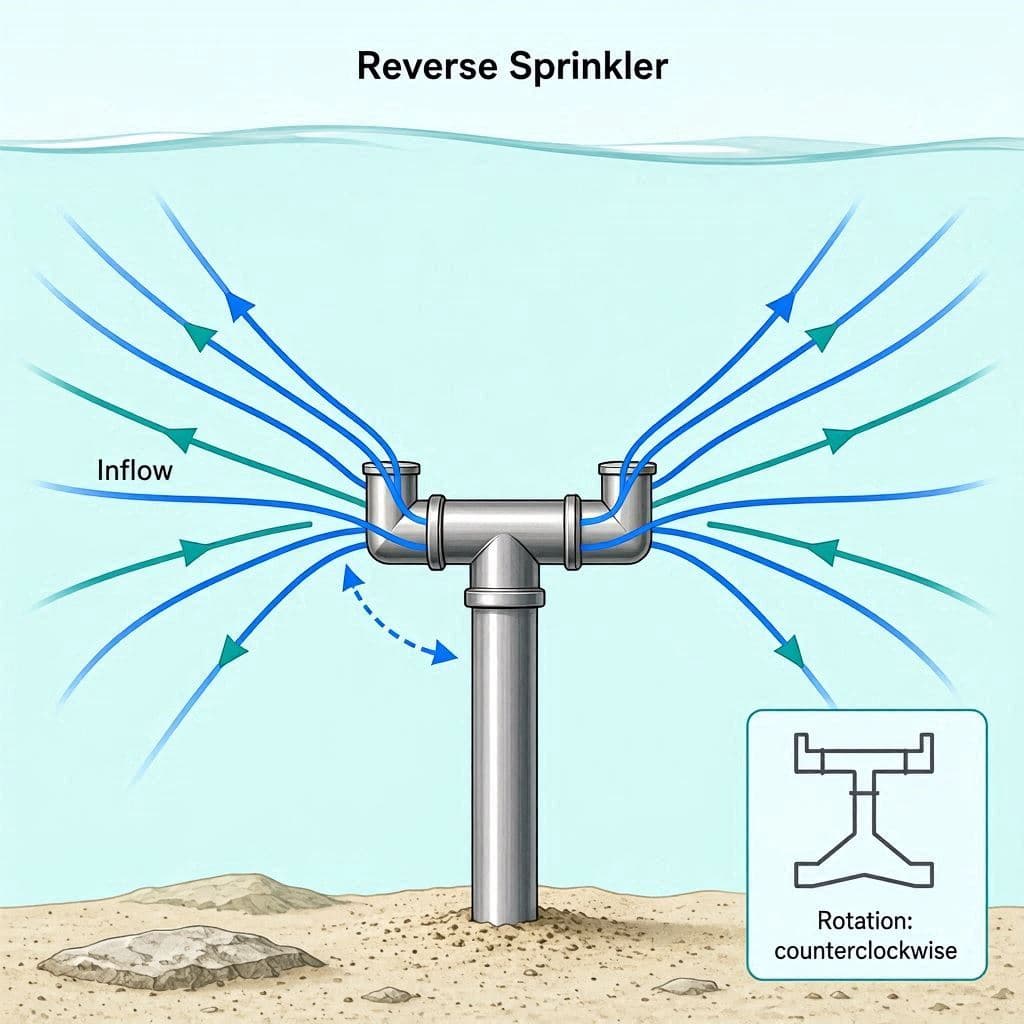
Physicists at NYU have disproven Richard Feynman’s theory on reverse sprinklers, showing they rotate due to angular momentum from inflowing water.
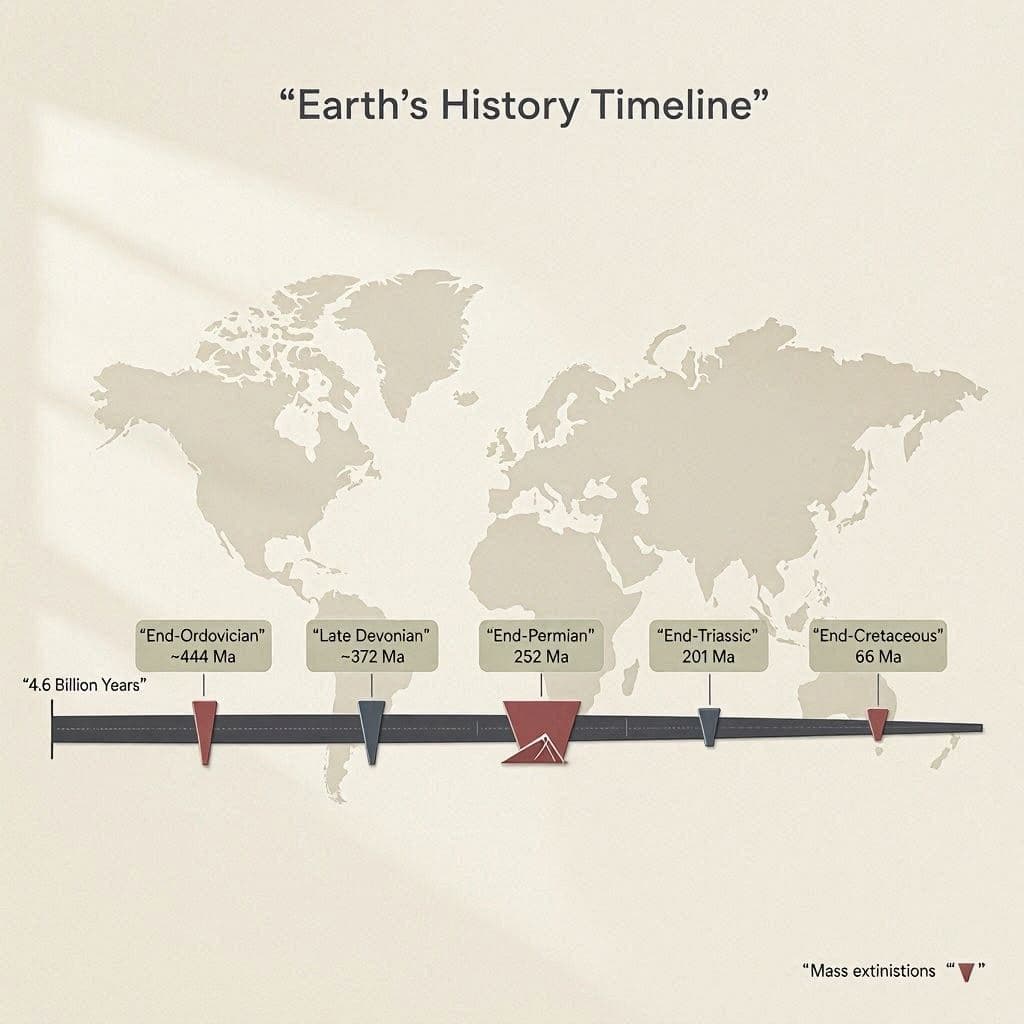
Studies suggest that mass extinctions on Earth occur in a 27-million-year cycle, linked to asteroid impacts and volcanic activity.
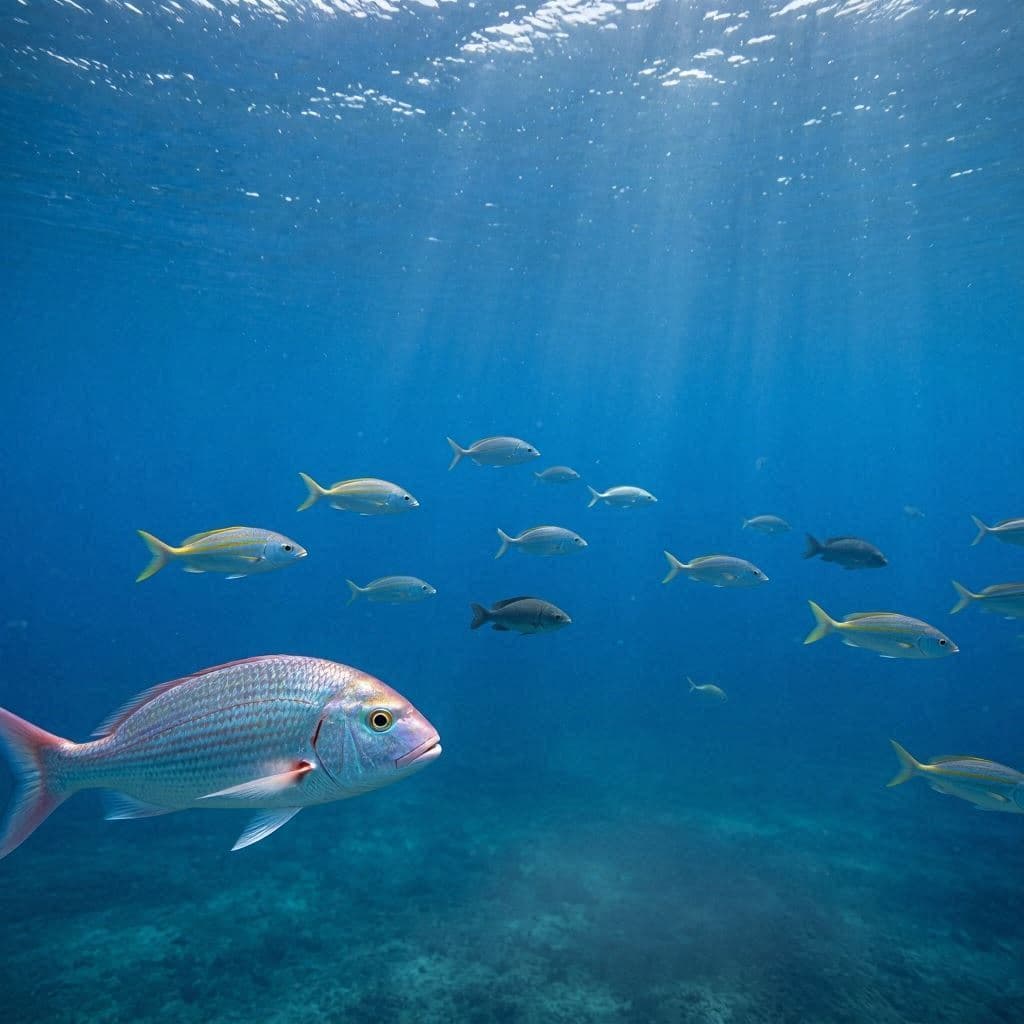
California experts warn that warming seas are losing oxygen, threatening marine life and ecosystems through a process known as deoxygenation.
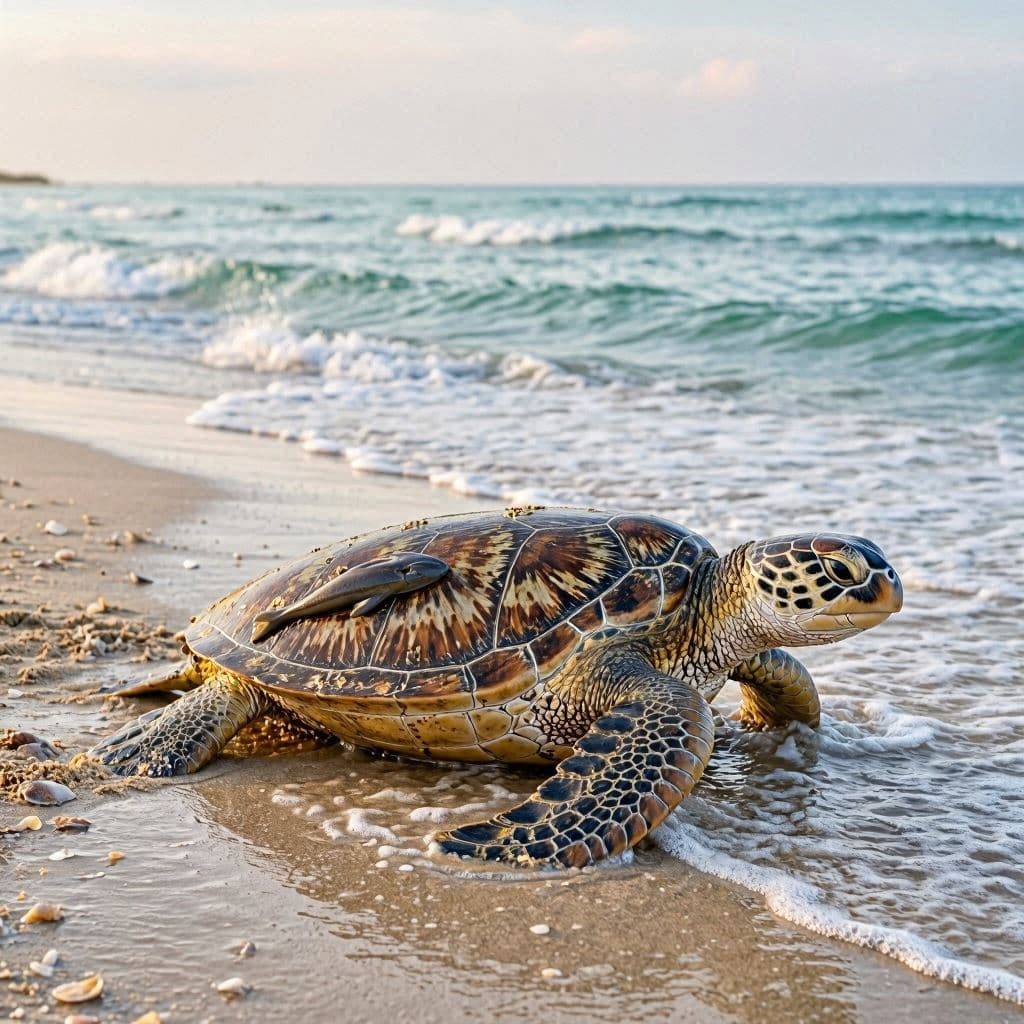
A rare sighting in Costa Rica shows an olive ridley sea turtle emerging to nest with a remora attached to its shell, surprising researchers.
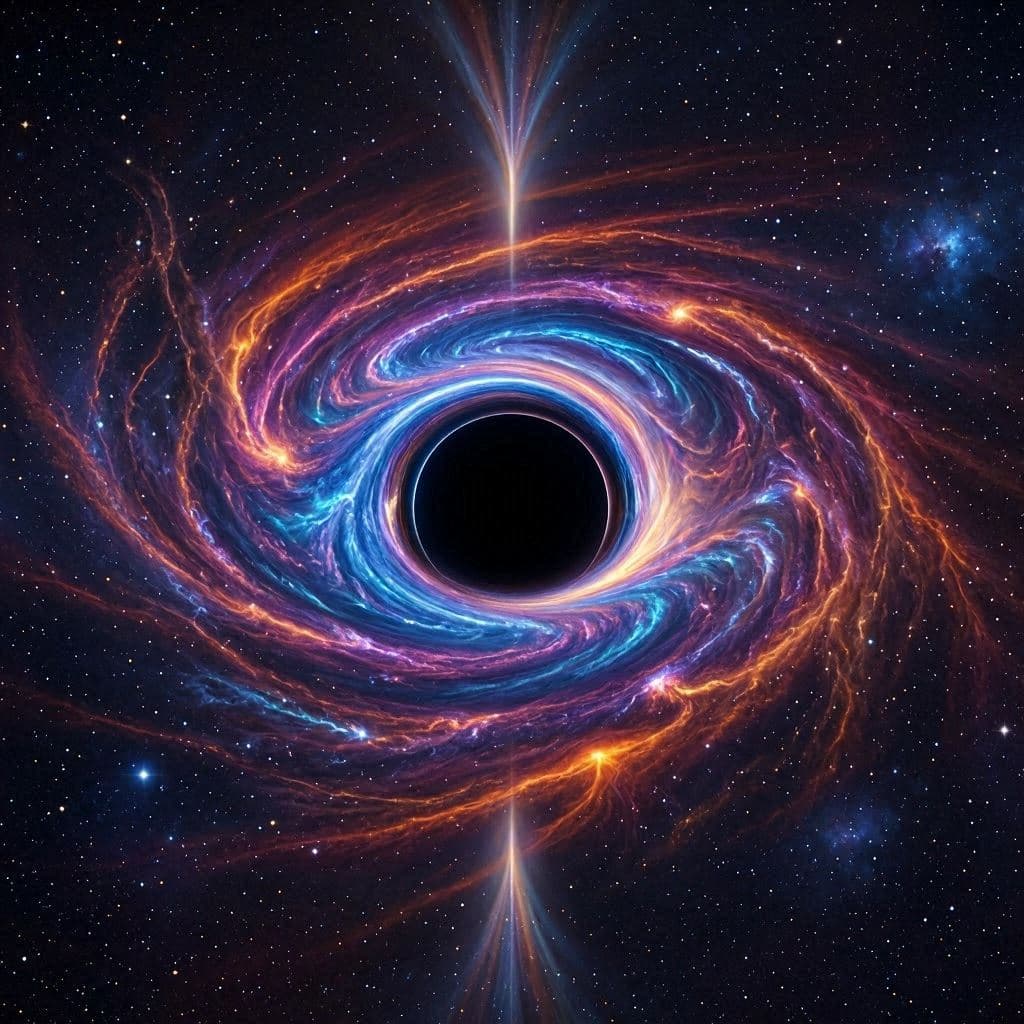
Black holes sustain their activity through efficient accretion disks and abundant surrounding matter, allowing them to remain active for billions of years.
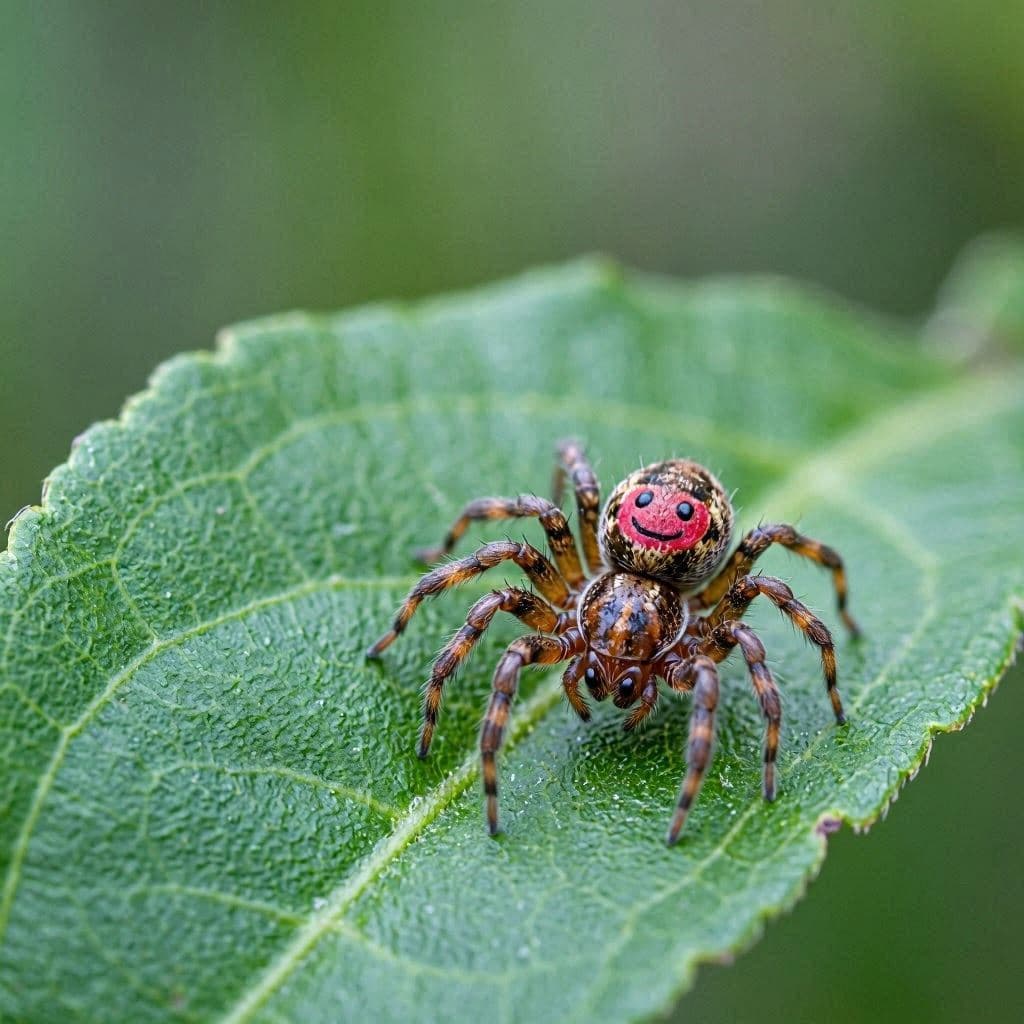
Scientists discover Theridion himalayana, a new Himalayan spider species with a smiley face pattern, distinct from its Hawaiian counterpart despite visual similarities.