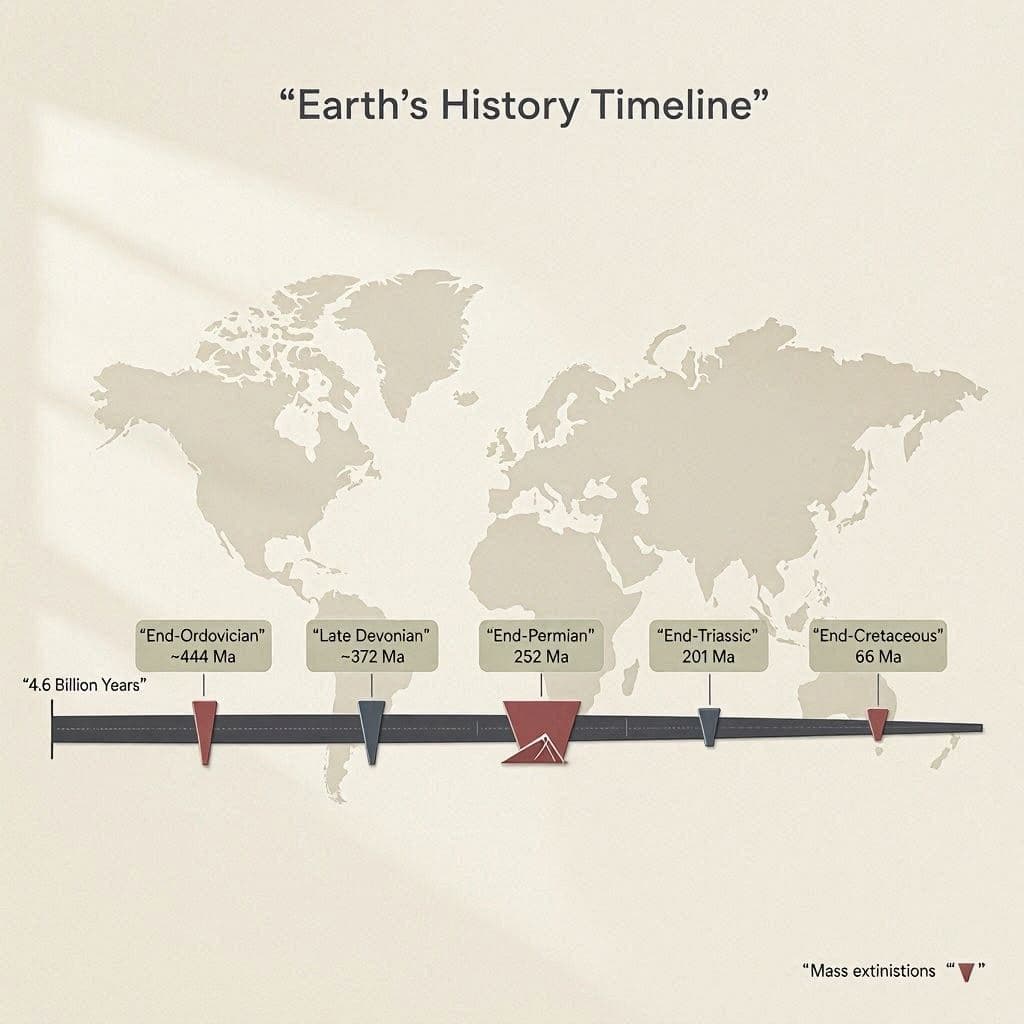
In the deep archives of Earth’s history, written in stone and fossil, a rhythmic pattern of catastrophe emerges. Paleontologists have long debated whether mass extinctions occur randomly or follow a hidden cycle. Recent analyses suggest that the latter may be true, with major disasters striking approximately every 27 million years. This periodicity offers a intriguing glimpse into the forces that shape life on our planet.
The idea that Earth experiences regular pulses of destruction challenges the notion of pure chance in evolutionary history. It suggests that external or internal mechanisms may be driving these events, linking them to astronomical cycles or geological processes that operate on vast timescales.
Body: The hypothesis of a 27-million-year cycle was first proposed by researchers David Raup and Jack Sepkoski in the 1980s. They observed that mass extinctions of marine life seemed to cluster at regular intervals. More recent studies have extended this finding to land-dwelling animals, including mammals, reptiles, and birds, strengthening the case for a global pattern.
Statistical analyses of the fossil record reveal that these extinction events align with periods of intense volcanic activity and large asteroid impacts. The coincidence suggests that these disasters may be triggered by a common cause, such as the solar system’s movement through the galaxy or cyclical changes in Earth’s orbit.
One leading theory posits that as the sun orbits the center of the Milky Way, it passes through dense clouds of interstellar dust and gas. These passages could disturb the Oort Cloud, sending comets hurtling toward Earth and increasing the likelihood of impacts. Alternatively, gravitational tides from the galactic plane might trigger volcanic eruptions by stressing Earth’s crust.
While the correlation is strong, causation remains a subject of debate. Critics argue that the fossil record is incomplete and that statistical methods can sometimes find patterns in random data. However, the consistency of the 27-million-year interval across different datasets lends credibility to the hypothesis.
Understanding this cycle has implications for predicting future risks. If the pattern holds, it may be possible to anticipate periods of heightened geological and astronomical activity. This knowledge could inform strategies for planetary defense and disaster preparedness.
For scientists, the search for the underlying mechanism continues. New data from space missions and geological surveys are helping to refine models and test theories. The goal is to uncover the precise drivers of these catastrophic cycles.
The study of mass extinctions also provides insights into the resilience of life. Despite repeated setbacks, biodiversity has always recovered, albeit in new forms. This resilience offers hope for the future, even in the face of current environmental challenges.
Closing: The 27-million-year cycle of mass extinctions is a reminder of Earth’s dynamic nature. It invites us to look beyond the present and consider the long-term rhythms that govern our planet’s history.
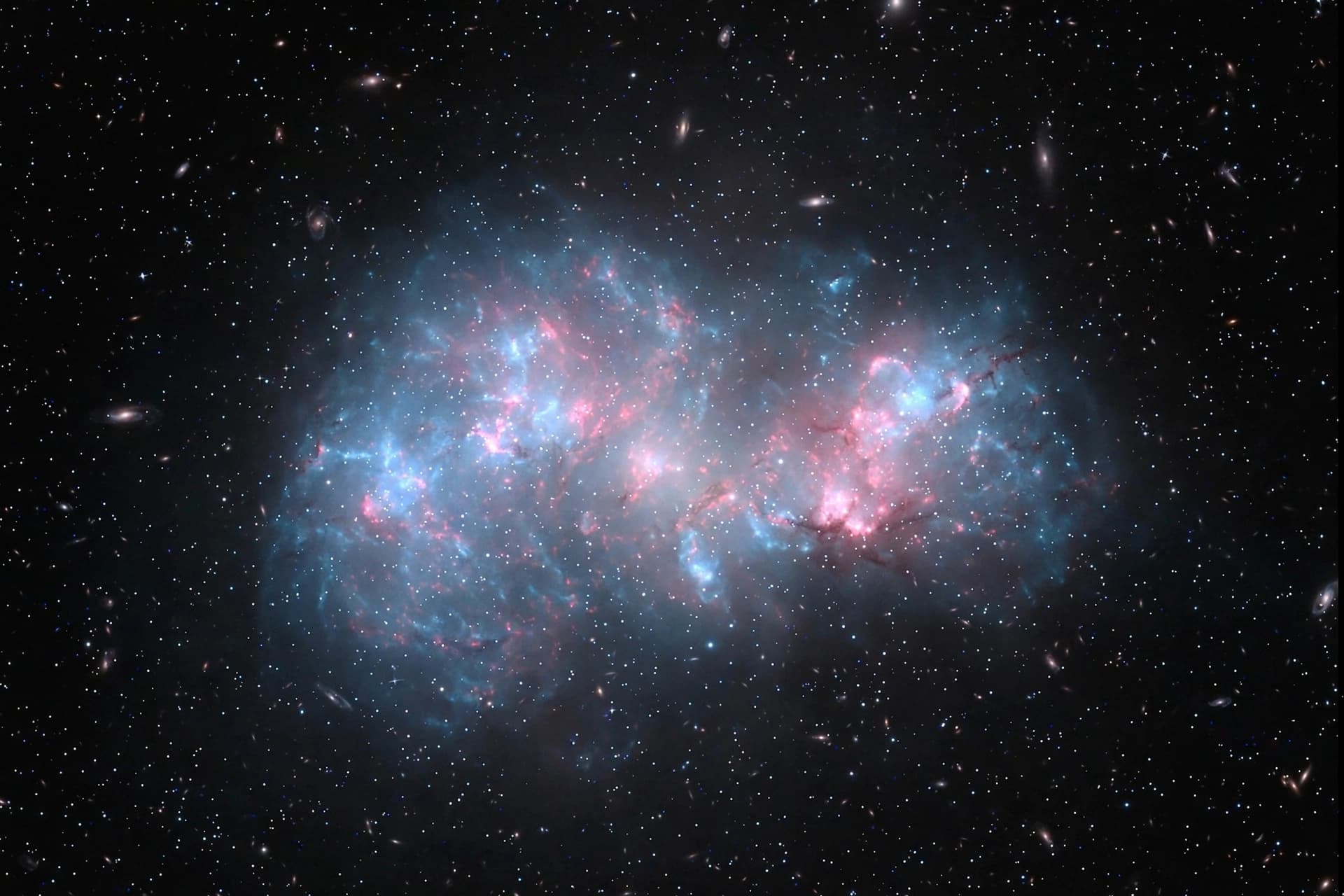
AI Image Disclaimer: Images used in this report are AI-generated depictions intended to illustrate the concepts of geological time and extinction cycles.
Sources: Courthouse News Service Forbes NYU News Historical Biology Journal
Published by Banx Network. This article is part of the Banx decentralized media programme, powered by the BXE token on the XRP Ledger.