Sixty-six million years ago, the end of the Cretaceous period arrived not with a whimper, but with a cataclysmic bang. New research suggests that the dinosaurs did not just perish from the impact of the Chicxulub asteroid, but were literally roasted alive by a global oven of superheated dust. This harrowing scenario, reconstructed by scientists, paints a vivid picture of the immediate aftermath of the collision. It serves as a humbling reminder of the vulnerability of life on Earth to cosmic events and the sheer power of planetary-scale disasters.
The study offers a chilling detail to the extinction narrative, shifting the focus from long-term climate change to immediate thermal radiation. It invites reflection on the fragility of ecosystems and the suddenness with which dominance can be lost.
Body: The research, published in the Journal of Geophysical Research: Biogeosciences, calculates that the fine dust ejected by the asteroid impact trapped heat in the upper atmosphere. This insulating layer prevented thermal radiation from escaping, causing global temperatures to soar. The effect was akin to opening a broiler, exposing everything on the surface to intense heat for hours.
Scientists estimate that the thermal radiation dose was 17 times higher than previously thought. This level of heat would have been lethal to any exposed organism, igniting wildfires and boiling water sources. Large dinosaurs, unable to burrow or hide effectively, would have succumbed quickly, while smaller animals in shelters might have survived the initial blast.
The asteroid, approximately 10 kilometers wide, struck what is now the Yucatán Peninsula in Mexico. The impact vaporized rock and released massive amounts of energy, creating a cloud of debris that circled the globe. This dust cloud blocked sunlight for years, leading to a "nuclear winter" that followed the initial heating.
Previous theories focused on the long-term cooling and darkness that killed plant life, collapsing the food chain. While this remained a major factor, the new findings highlight the immediate brutality of the event. It explains why so many species disappeared simultaneously, without time for adaptation or migration.
The study used complex climate models to simulate the atmospheric conditions post-impact. By analyzing the properties of the dust and its interaction with solar radiation, researchers could reconstruct the thermal environment. This multidisciplinary approach combines geology, physics, and biology to tell a more complete story.
For paleontologists, this insight helps explain the fossil record. The presence of charcoal layers and sudden disappearance of species aligns with a rapid, high-temperature event. It validates earlier hypotheses about global wildfires and adds precision to our understanding of the timeline.
The implications extend beyond dinosaurs. Understanding past mass extinctions helps scientists assess current risks from asteroids and climate change. It underscores the importance of monitoring near-Earth objects and developing mitigation strategies. We are not immune to cosmic threats, though our technology offers some protection.
The image of dinosaurs roasting in a dust cloud is grim, but it is a testament to the rigor of scientific inquiry. It reminds us that history is written in stone and ash, waiting to be decoded by those who look closely.
Closing: New research reveals that dinosaurs were likely killed by intense heat from an asteroid-induced dust cloud. It highlights the immediate and devastating impact of the Chicxulub event on Earth’s biosphere.
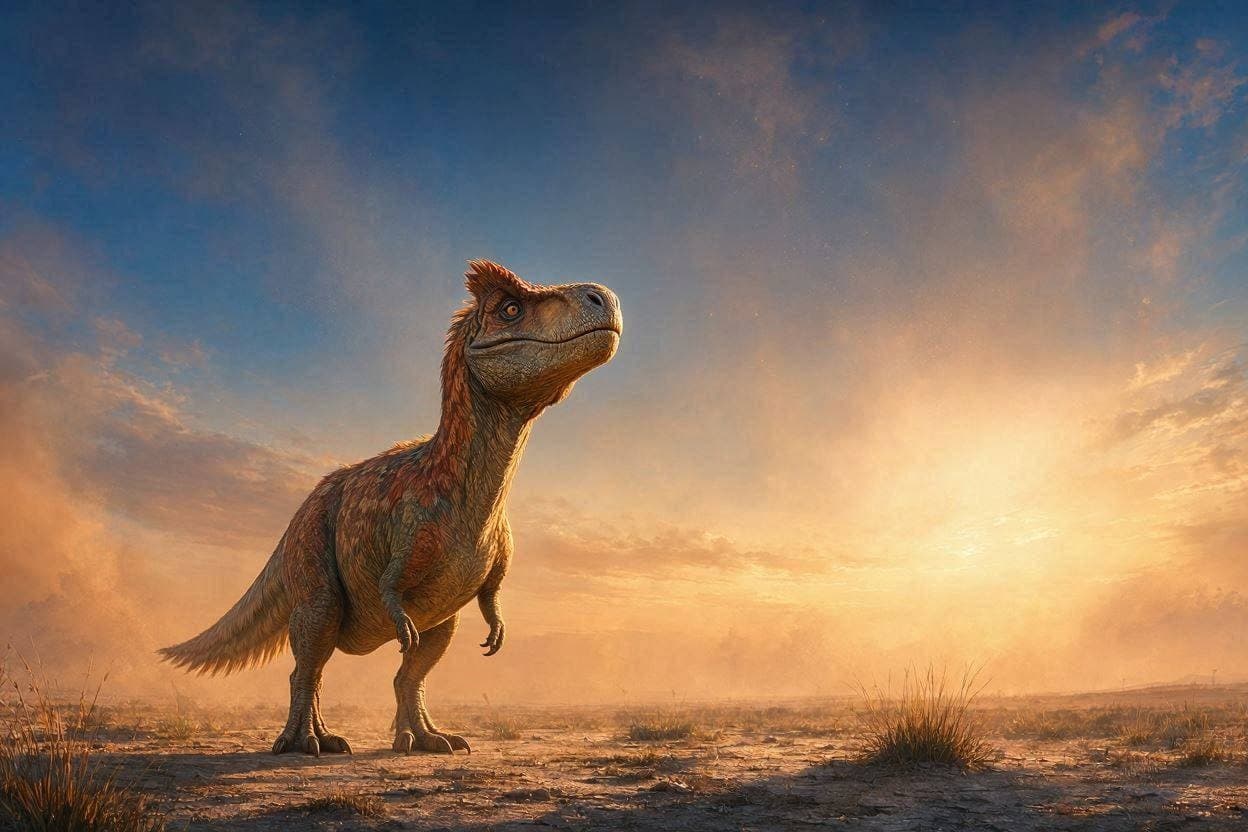
AI Image Disclaimer: The visuals in this article are AI-generated illustrations designed to reflect the themes of paleontology and catastrophic events.
Sources: Purdue University The Telegraph Journal of Geophysical Research Yahoo News
Published by Banx Network. This article is part of the Banx decentralized media programme, powered by the BXE token on the XRP Ledger.