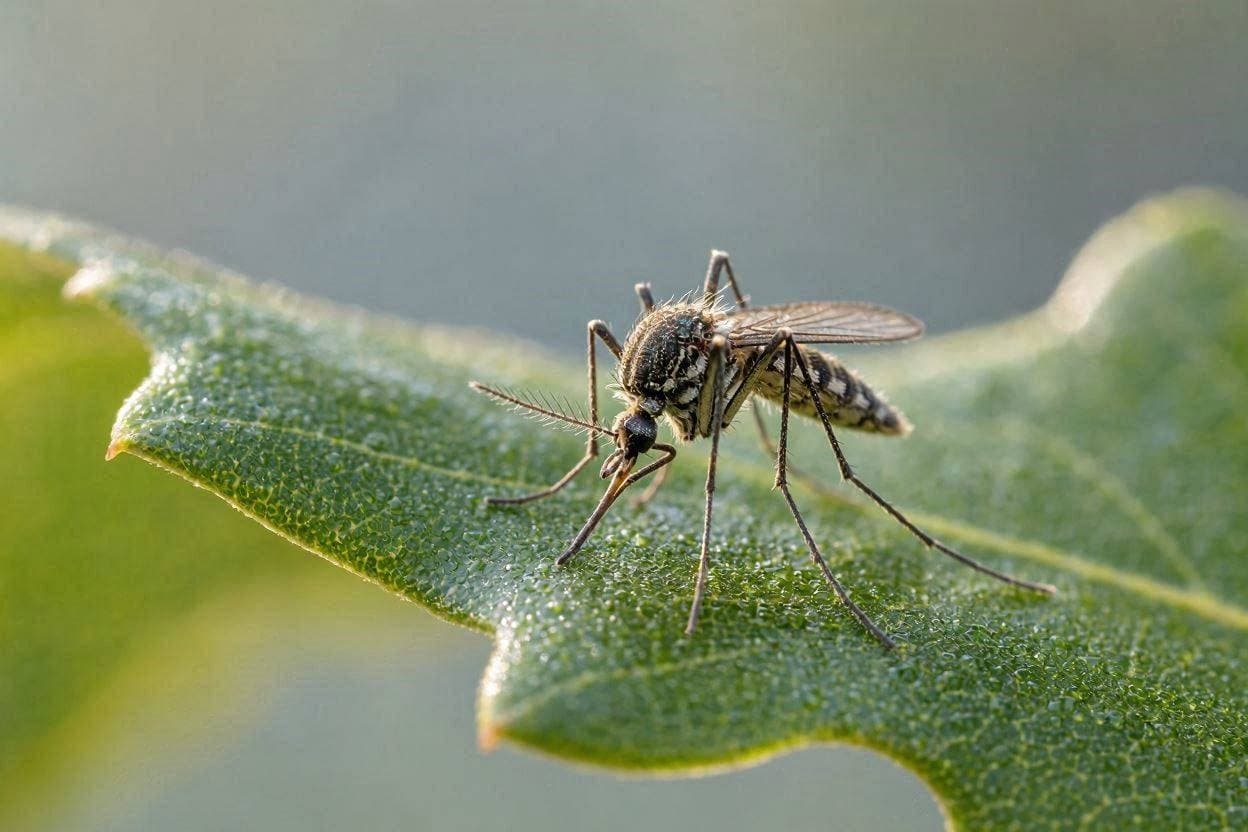
As summer warmth lingers and evenings grow still, the humble mosquito becomes more than just a nuisance; it becomes a vector for disease. Local health units have issued warnings after West Nile virus was detected in area mosquito traps, signaling the presence of the virus in the community. For residents, this news is a call to vigilance, urging protective measures to prevent bites and reduce breeding sites. It is a reminder that public health is a shared responsibility, requiring attention to both personal habits and environmental conditions.
The detection serves as an early warning system, allowing authorities to implement control measures and educate the public. It invites reflection on how we coexist with nature while protecting our well-being.
West Nile virus is primarily transmitted to humans through the bite of an infected mosquito. Most people who contract the virus do not develop symptoms, but about one in five may experience fever, headache, body aches, and fatigue. In rare cases, particularly among older adults or those with weakened immune systems, the virus can lead to severe neurological complications.
Health officials have confirmed positive results from mosquito traps in several locations, indicating active transmission cycles between birds and mosquitoes. This finding triggers increased surveillance and public awareness campaigns. Residents are advised to take precautions, especially during dawn and dusk when mosquitoes are most active.
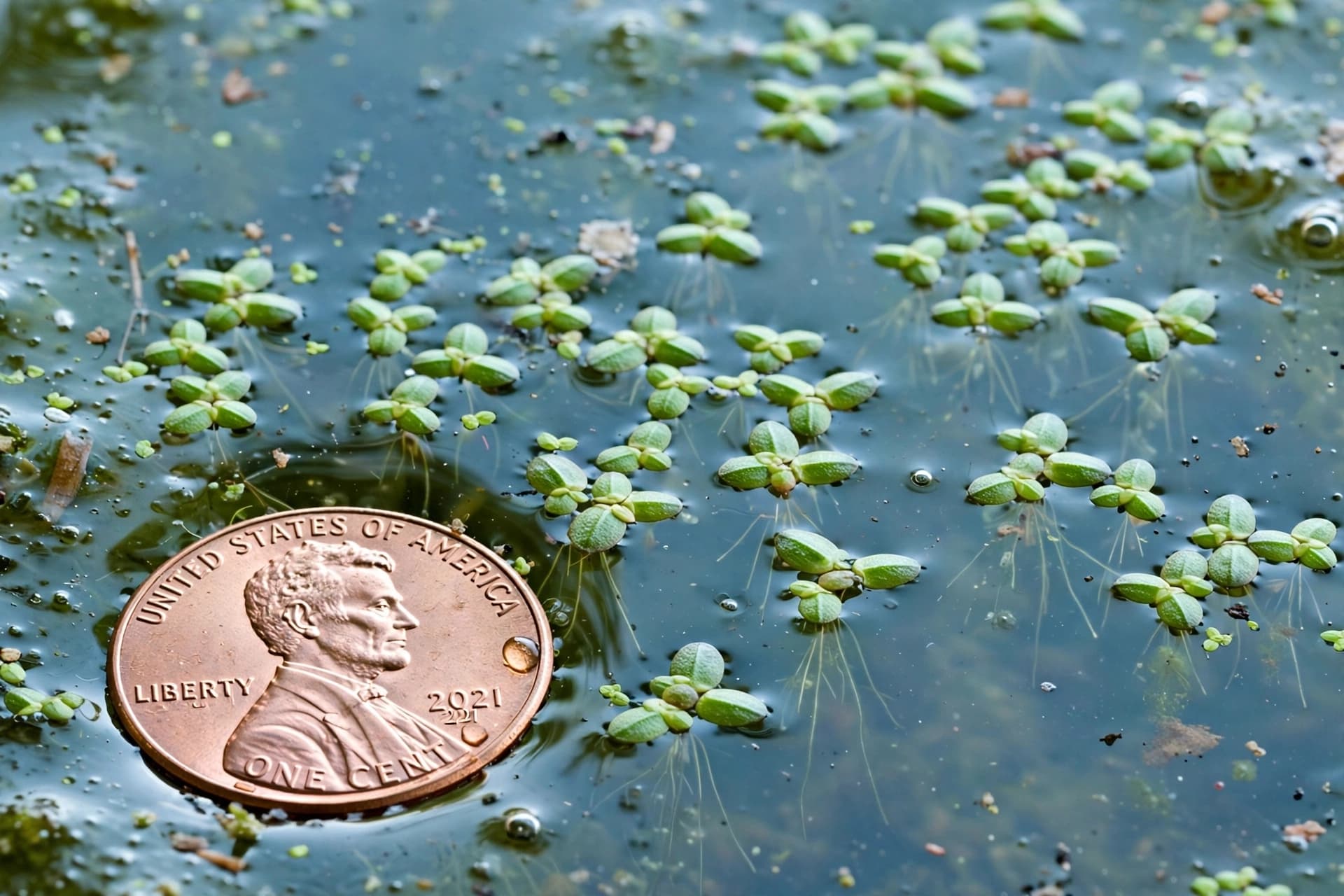
Prevention strategies include wearing long-sleeved shirts and pants, using insect repellent containing DEET or icaridin, and ensuring windows and doors have tight-fitting screens. Eliminating standing water around homes, such as in flower pots, bird baths, and gutters, reduces breeding grounds for mosquitoes. These simple steps can significantly lower the risk of exposure.
Local municipalities may intensify larviciding efforts in high-risk areas, targeting mosquito larvae before they mature. This proactive approach helps reduce population levels and minimize the spread of the virus. Public cooperation in reporting stagnant water sources enhances the effectiveness of these measures.
For pet owners, protecting animals is also important. While dogs and cats are less susceptible to severe illness, horses and some other animals can be seriously affected. Veterinary advice and preventive products are available to safeguard companion animals.
The health unit emphasizes that while the risk is present, it can be managed through informed behavior. Panic is unnecessary, but complacency should be avoided. Staying informed about local case numbers and advisories helps residents make smart decisions.
Community engagement plays a vital role in prevention. Neighborhood clean-up initiatives and educational workshops empower residents to take action. Sharing information with neighbors, especially those who may be vulnerable, strengthens communal health security.
As the season progresses, monitoring continues. Health officials will update the public if human cases are identified or if virus activity increases. Transparency and timely communication are key to maintaining trust and safety.
The detection of West Nile virus in local mosquito traps prompts a health warning and calls for preventive action. It invites residents to protect themselves and their communities through vigilance and cooperation.
AI Image Disclaimer: The visuals in this article are AI-generated illustrations designed to reflect the themes of public health awareness and mosquito prevention.
Sources: Southwestern Public Health Toronto Public Health Public Health Agency of Canada CBC News
Published by Banx Network. This article is part of the Banx decentralized media programme, powered by the BXE token on the XRP Ledger.