In the digital age, where vast amounts of data are accessible at our fingertips, discovery is no longer confined to professional laboratories or remote expeditions. An amateur astronomer, Joël Lapointe, recently made a remarkable find while browsing Google Maps: a massive, ancient meteorite impact crater in Quebec, Canada. This 390-million-year-old structure, hidden beneath vegetation and time, was identified through careful observation of satellite imagery. The discovery highlights the power of citizen science and the potential for anyone with curiosity and attention to detail to contribute to our understanding of the planet.
The find serves as a reminder that secrets still lie in plain sight, waiting for those who know how to look. It invites reflection on the intersection of technology and human intuition.
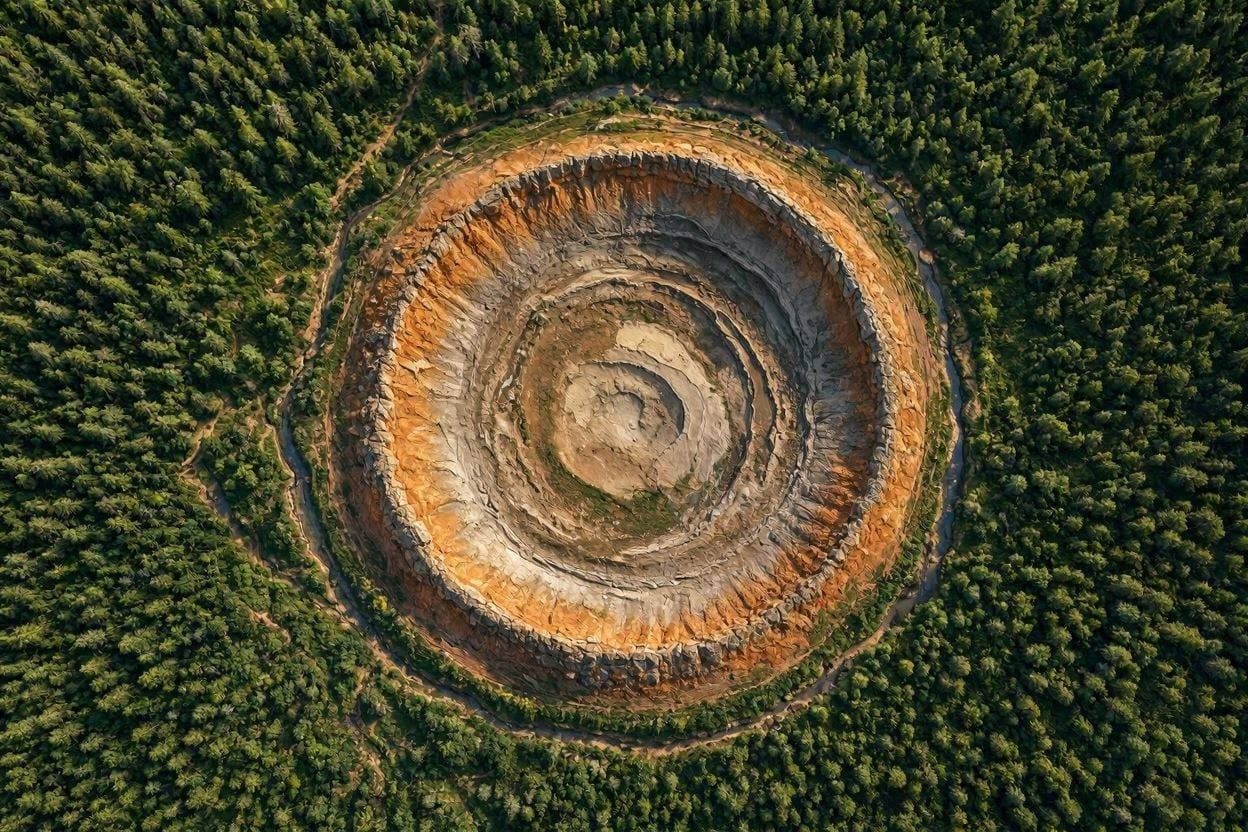
Body: Lapointe, while planning a vacation route, noticed a unusual circular depression in the Côte-Nord region of Quebec. Intrigued by its shape and scale, he shared his findings with geological experts. Subsequent analysis by scientists from the University of Montreal and other institutions confirmed that the feature was indeed a meteorite impact crater, approximately 25 kilometers (15 miles) wide.
The crater, named the "Côte-Nord crater," dates back to the Devonian period, a time when life on Earth was primarily marine. The impact would have had significant local effects, potentially causing tsunamis and climate changes. However, erosion and sedimentation have since softened its features, making it difficult to identify without high-resolution imagery.
This discovery adds to the growing list of impact structures found through remote sensing. Satellite technology allows researchers to scan large areas for geological anomalies that might be missed on the ground. Tools like Google Earth and Maps have become valuable resources for both professionals and amateurs alike.
Verification involved field expeditions to collect rock samples and analyze shock metamorphism, a hallmark of impact events. The presence of shocked quartz and other minerals provided concrete evidence of the high-pressure conditions created by the meteorite strike. These findings were published in peer-reviewed journals, validating Lapointe’s initial observation.
The role of amateur scientists in such discoveries is increasingly recognized. Their fresh perspectives and willingness to explore diverse data sources can lead to breakthroughs that complement formal research. Collaborations between amateurs and professionals foster a more inclusive and dynamic scientific community.
For Quebec, the crater is a new point of geological interest. It may attract tourism and educational opportunities, helping to raise awareness about Earth’s history and the forces that shape it. Local communities are proud of the discovery, seeing it as a unique part of their heritage.
The story also underscores the importance of digital literacy. Knowing how to interpret satellite images and recognize patterns is a skill that can be learned and applied by many. Educational programs are beginning to incorporate these tools, encouraging students to engage with real-world data.
As technology advances, more hidden features of our planet may come to light. Each discovery adds a piece to the puzzle of Earth’s geological past, enhancing our understanding of its evolution and resilience.
Closing: The discovery of an ancient meteorite crater by an amateur astronomer using Google Maps highlights the value of citizen science. It invites everyone to look closer at the world around them, both digitally and physically.
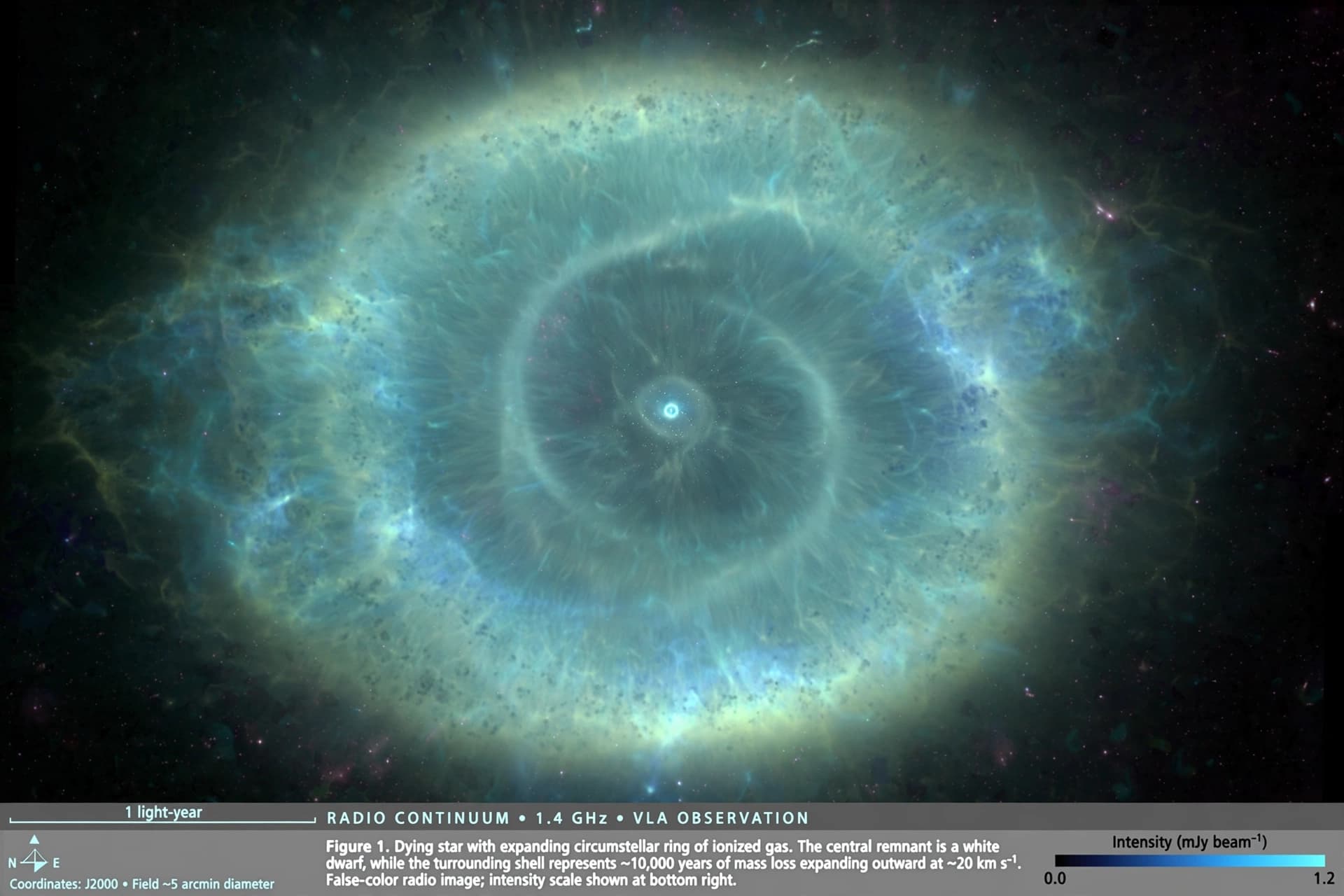
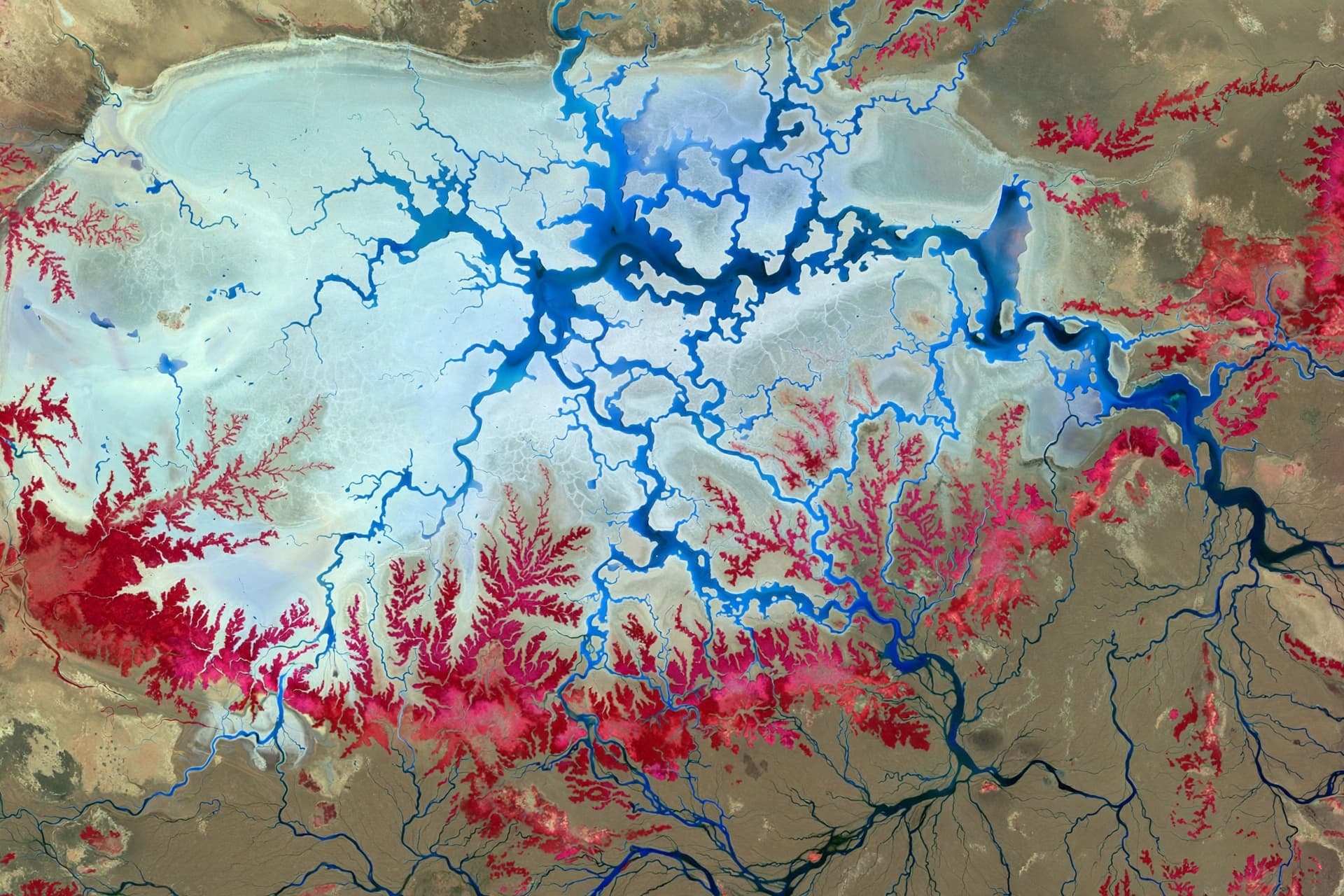
AI Image Disclaimer: The visuals in this article are AI-generated illustrations designed to reflect the themes of geological discovery and digital exploration.
Sources: Smithsonian Magazine CBC News Space.com Live Science
Published by Banx Network. This article is part of the Banx decentralized media programme, powered by the BXE token on the XRP Ledger.