In the vast darkness of space, where gravity reigns supreme, black holes have long been viewed as cosmic vacuum cleaners, devouring everything in their path. Yet, recent insights suggest that these enigmatic objects are not just consumers but also masters of efficiency, capable of sustaining their activity for billions of years. The question of why they never seem to run out of fuel is being answered by the complex dynamics of their surrounding environments.
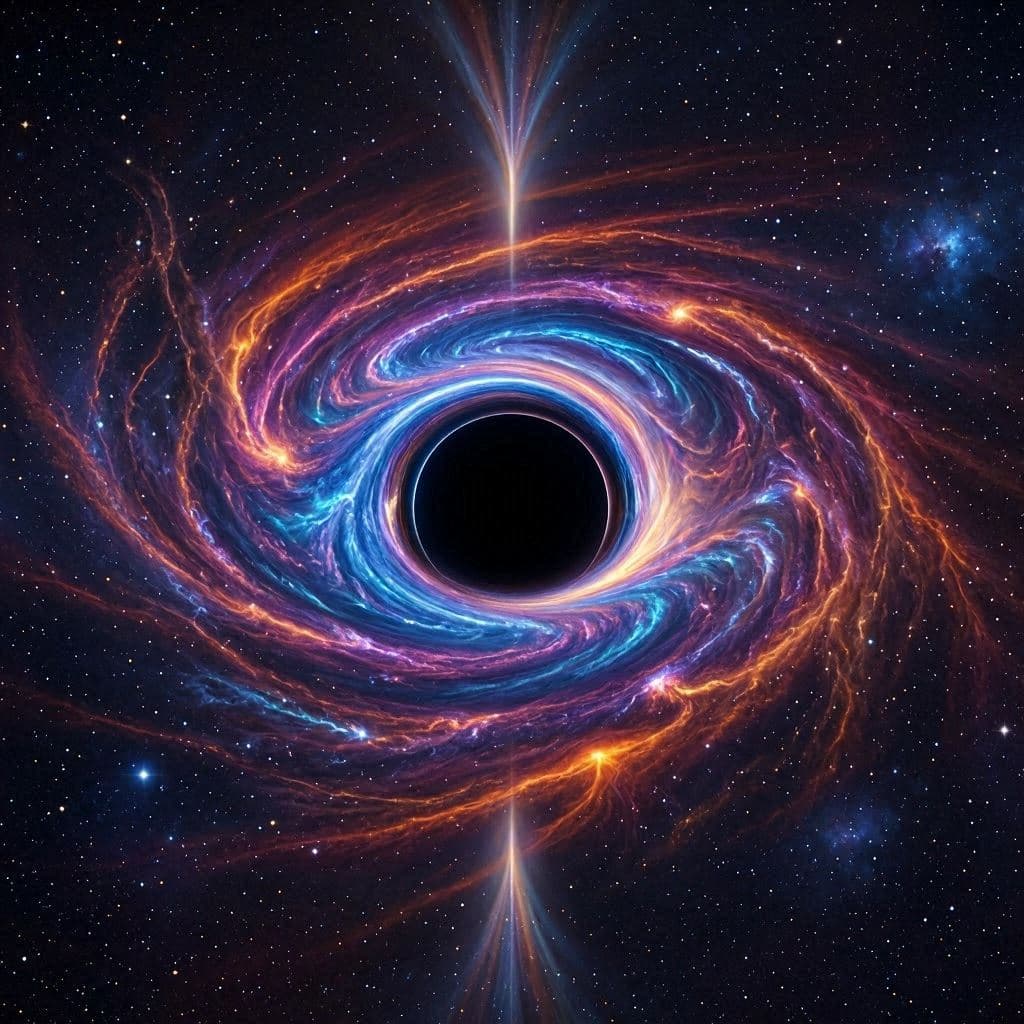
The answer lies not in the black hole itself, but in the swirling disk of gas and dust that orbits it. This accretion disk acts as a reservoir, feeding the black hole steadily and ensuring that its gravitational engine continues to hum with immense power.
Body: Black holes do not create energy from nothing; instead, they convert the gravitational potential energy of infalling matter into radiation and heat. As material spirals inward in the accretion disk, friction and magnetic fields generate intense temperatures, causing the disk to glow brightly in X-rays and other wavelengths.
Recent studies have shown that accretion disks are highly efficient at transporting material toward the event horizon. Magnetic turbulence and viscosity within the disk allow gas to lose angular momentum and fall inward, providing a continuous supply of fuel. This process can persist for eons, especially in galaxies with abundant interstellar medium.
Furthermore, black holes are often located in dense regions of space, such as the centers of galaxies, where stars and gas clouds are plentiful. Even when immediate sources are depleted, gravitational interactions can pull in new material from farther away, replenishing the supply.
The phenomenon of "recycling" also plays a role. Some black holes eject jets of energy that can compress nearby gas clouds, triggering star formation and eventually creating new fuel sources. This feedback loop ensures that the black hole remains an active participant in the galactic ecosystem.
Observations of supermassive black holes in distant quasars reveal that they have been active for billions of years, shining with the brightness of entire galaxies. Their longevity is a testament to the vast amounts of matter available in the early universe and the efficiency of accretion processes.
Even smaller stellar-mass black holes can remain active if they are part of binary systems, where they siphon gas from a companion star. This steady drip-feeding allows them to emit X-rays and remain detectable long after their formation.
As technology improves, astronomers are gaining a clearer picture of these mechanisms. Simulations and high-resolution observations are helping to refine our understanding of how black holes interact with their surroundings and maintain their energy output.
Closing: The enduring activity of black holes is a reminder of the dynamic nature of the universe. They are not static voids but active engines, powered by the endless dance of matter and gravity.
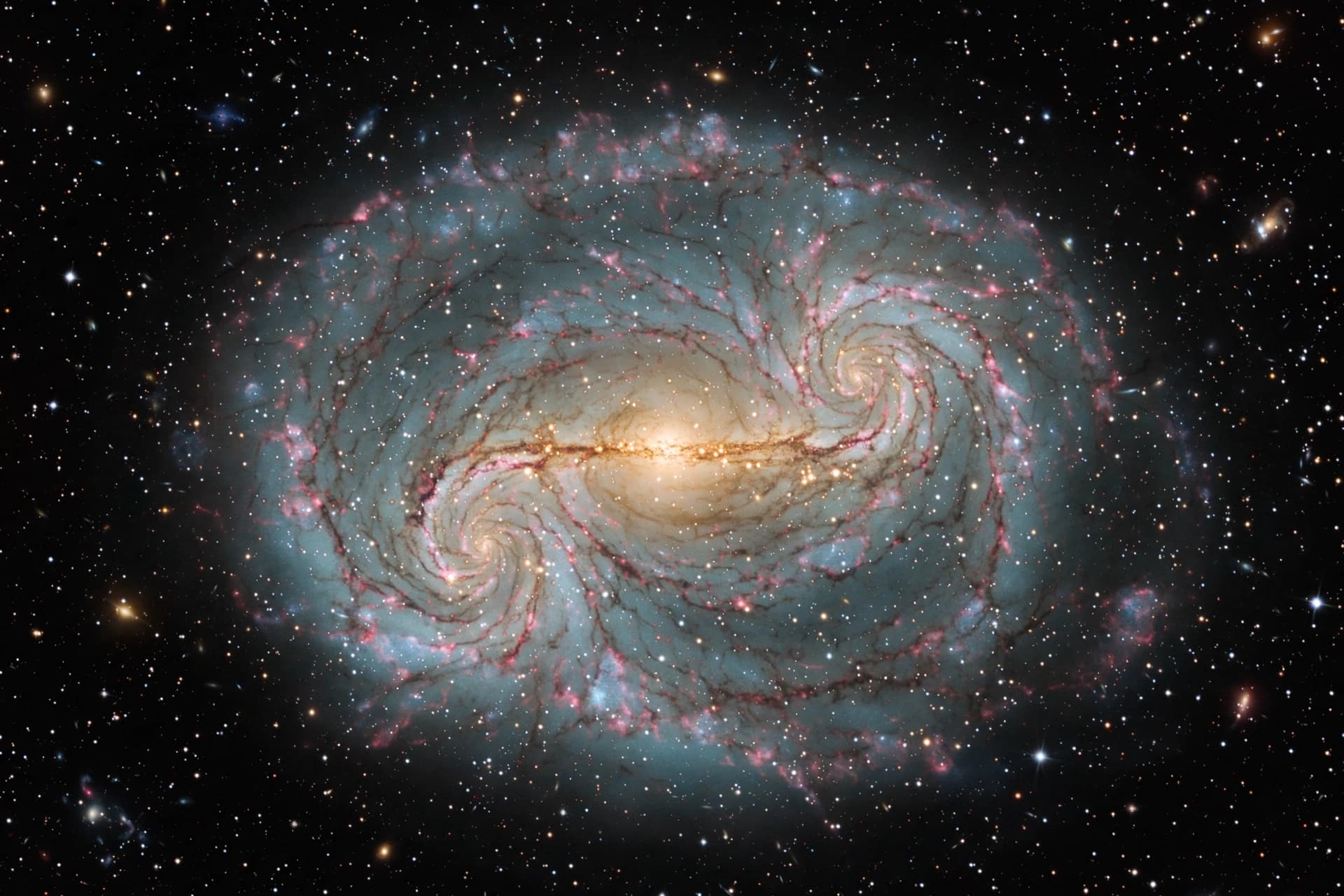
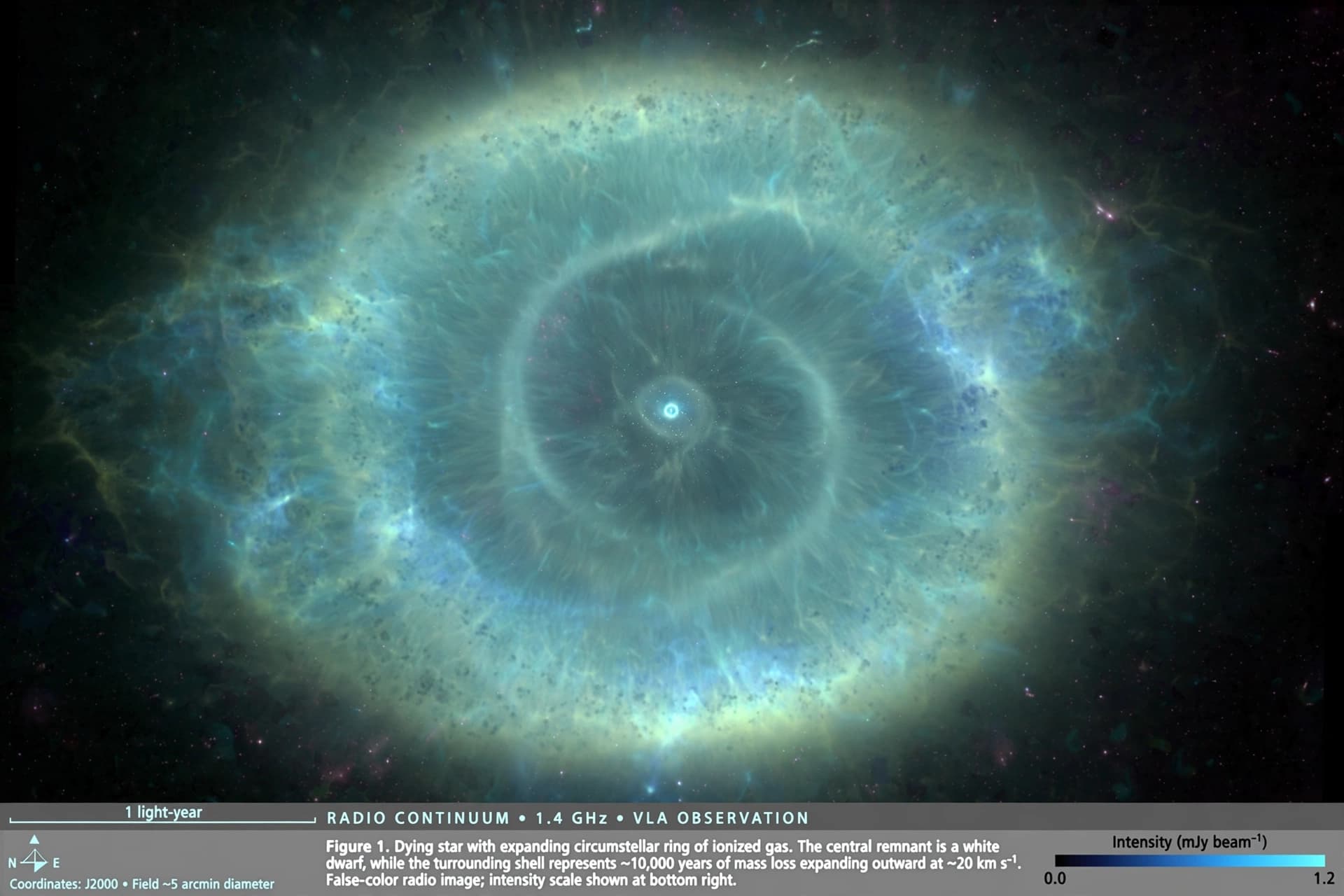
AI Image Disclaimer: Visuals in this article are AI-generated representations intended to illustrate the concepts of black hole accretion.
Sources: NASA SVS Medium (Starts With a Bang) MIT News APS Physics
Published by Banx Network. This article is part of the Banx decentralized media programme, powered by the BXE token on the XRP Ledger.