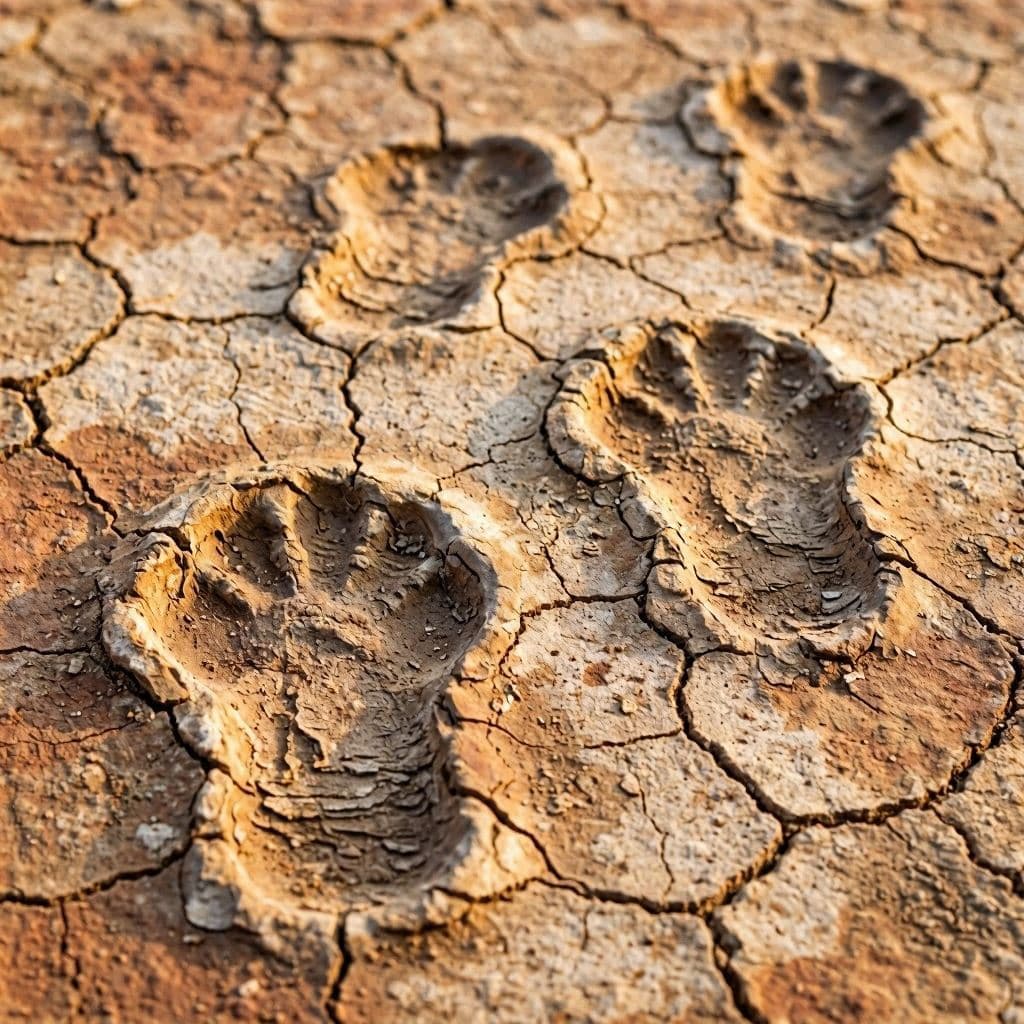
In the quiet dust of ancient landscapes, where the passage of millennia has turned bone to stone and memory to myth, a fleeting gesture from the distant past has been preserved. Fossilized footprints, discovered in East Africa, offer a rare and intimate glimpse into the life of Paranthropus boisei, often colloquially known as "Nutcracker Man" due to his robust jaw and powerful chewing muscles. These impressions in the earth are more than just geological curiosities; they are a frozen moment of movement, breathing life into a species that vanished long before recorded history began. They invite us to walk alongside our ancient relatives, if only in imagination.
The discovery challenges previous assumptions about the behavior and locomotion of this hominin, suggesting a complexity in their daily lives that skeletal remains alone could not reveal. It is a reminder that even the most transient actions can leave a lasting mark.
Body: Paranthropus boisei lived approximately 2.5 to 1.2 million years ago, sharing the African landscape with early members of the genus Homo. Known for their massive molars and thick enamel, they were adapted to a diet of tough, fibrous plants. However, little was known about how they moved or interacted with their environment until the recent analysis of these fossilized tracks. The footprints provide direct evidence of their gait and posture.
Researchers used advanced 3D scanning technology to analyze the depth and shape of the impressions. The data suggests that Nutcracker Man walked with a bipedal stride similar to modern humans, yet with subtle differences in weight distribution and foot mechanics. This indicates a unique evolutionary path, one that balanced efficiency with the physical demands of their specific ecological niche.
The location of the footprints, near ancient lake beds, hints at the environments these hominins frequented. It suggests they may have gathered near water sources, perhaps foraging for aquatic plants or escaping predators. This contextual information helps reconstruct the social and survival strategies of a species that once thrived in a changing world.
For paleoanthropologists, footprints are invaluable because they capture behavior rather than just anatomy. Bones tell us what an animal looked like; footprints tell us how it lived. They reveal speed, group dynamics, and even moments of hesitation or urgency. In this case, the tracks suggest a steady, purposeful movement, possibly by a small group traveling together.
The preservation of such delicate features is remarkably rare. It requires a specific set of conditions: soft sediment, rapid burial, and minimal disturbance over millions of years. The fact that these prints survived is a testament to the lucky accidents of geology, preserving a snapshot of deep time for modern science to interpret.
This discovery also prompts a reevaluation of the relationship between Paranthropus and early humans. Did they coexist peacefully? Did they compete for resources? The footprints do not answer these questions directly, but they place Nutcracker Man firmly in the same physical world as our ancestors, moving across the same land.
As scientists continue to study the site, more secrets may emerge. Each layer of sediment holds potential clues about climate, vegetation, and the broader ecosystem. The footprints are just the beginning of a deeper understanding of this enigmatic cousin.
Ultimately, the find humanizes a creature often viewed through the lens of its strange anatomy. It reminds us that they were beings who walked, explored, and survived, leaving behind traces that connect us to the deep roots of our own family tree.
Closing: The fossil footprints of Paranthropus boisei provide a tangible link to an extinct hominin species. They enrich our understanding of human evolution by revealing the behavioral nuances of our ancient relatives.
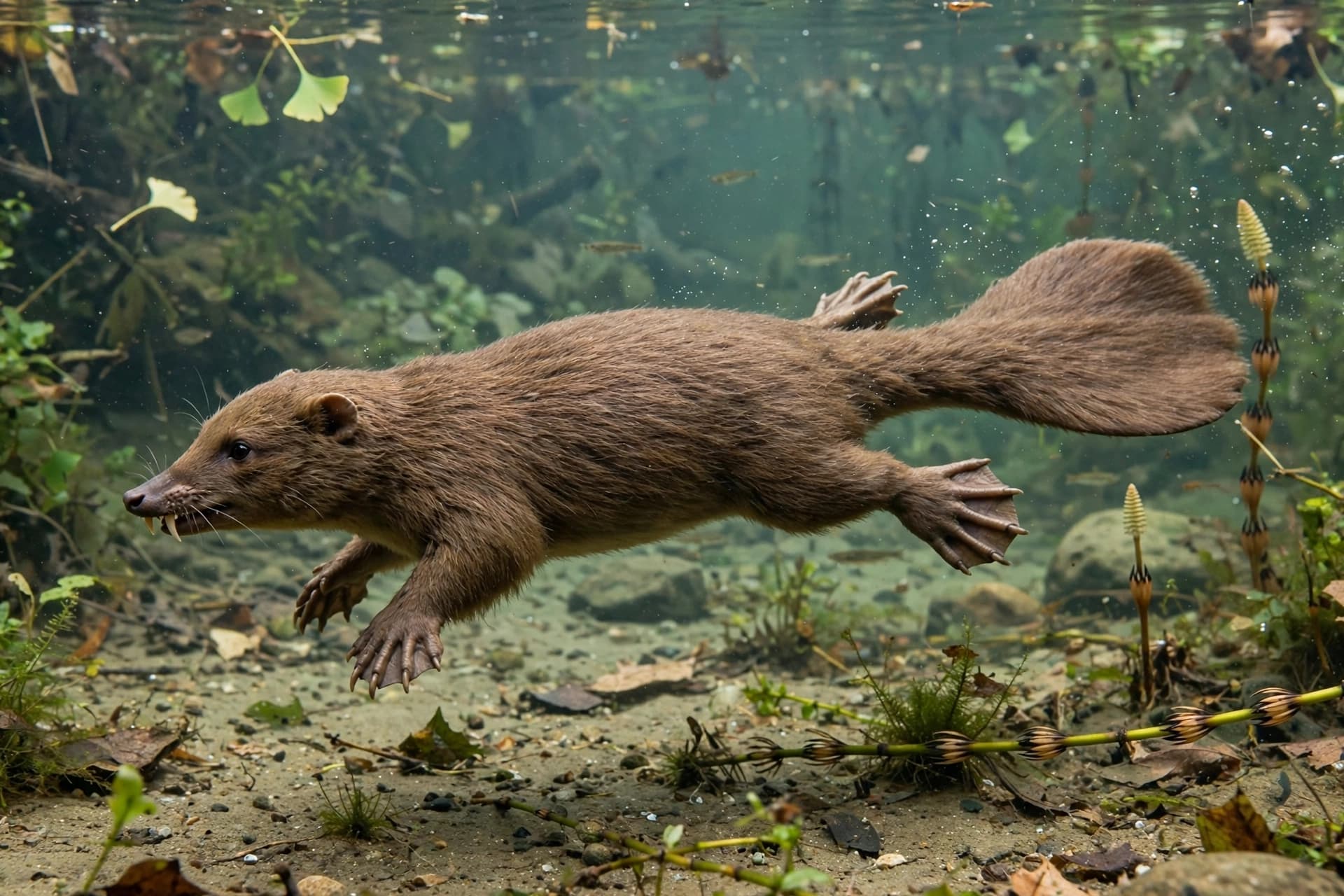
AI Image Disclaimer: The visuals accompanying this article are AI-generated illustrations designed to reflect the themes of paleoanthropology and ancient landscapes.
Sources: Nature Science Daily National Geographic Smithsonian Magazine
Published by Banx Network. This article is part of the Banx decentralized media programme, powered by the BXE token on the XRP Ledger.