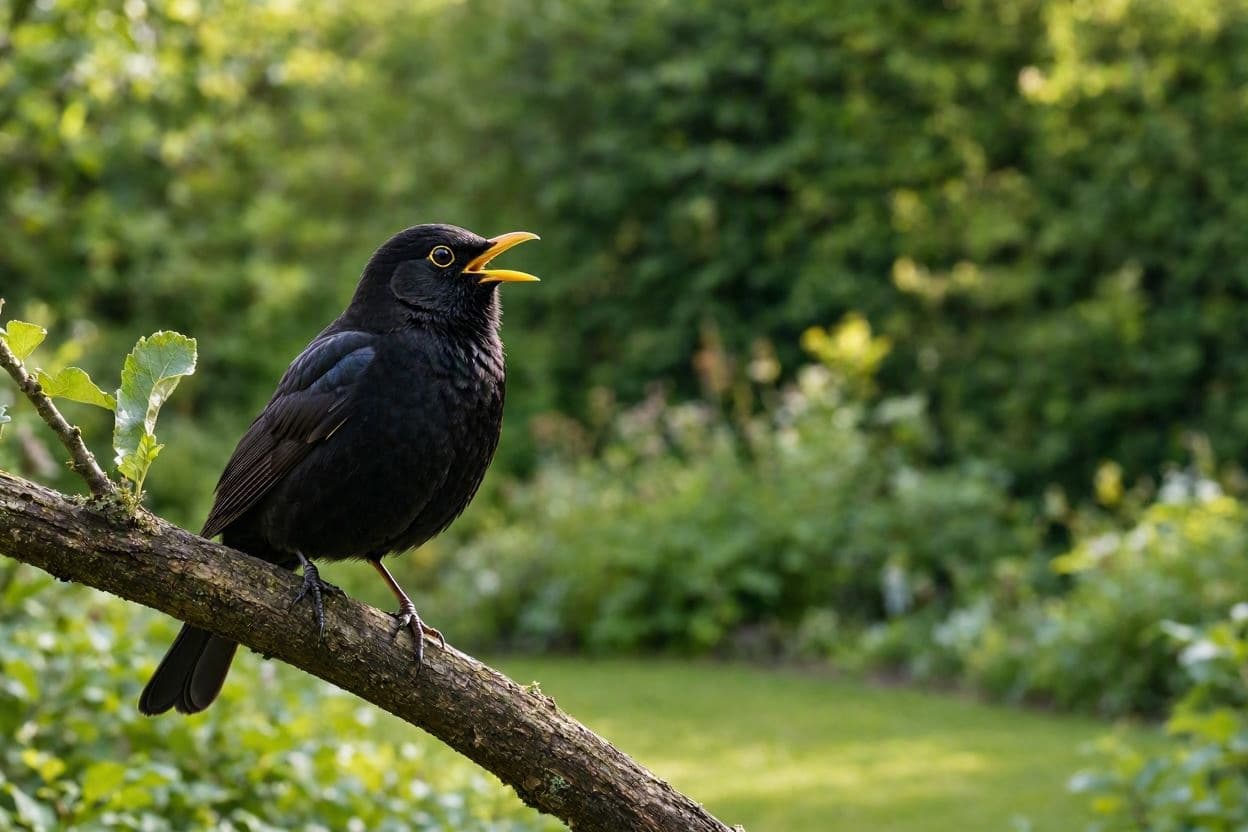
In the quiet moments of dawn, when the world is still waking up, the air is often filled with a symphony of avian voices. For centuries, humans have listened to these songs with wonder, debating which creature possesses the most beautiful melody. Is it the thrush, with its flute-like clarity? Or perhaps the nightingale, known for its complex and emotive repertoire? Now, a new scientific study offers a data-driven answer to this age-old question, suggesting that the common blackbird may hold the title for the most pleasant song in the avian kingdom.
The research, which analyzed thousands of bird songs using advanced acoustic metrics and human perception surveys, aimed to quantify what makes a sound "melodious." By combining objective measurements of pitch, rhythm, and complexity with subjective ratings from listeners, scientists were able to create a ranking of bird songs based on their aesthetic appeal. The results placed the blackbird at the top, praising its rich, mellow tones and fluid phrasing. It is a validation of a sound that has long been a favorite among gardeners and nature lovers alike.
While the blackbird took the crown, the study also highlighted the diversity of avian music. Other species, such as the robin and the wren, scored highly for their brightness and energy. In contrast, the calls of birds like the barn owl were rated as less pleasant, often described as harsh or eerie. This distinction is not a judgment of value but rather a reflection of human auditory preferences. What one person finds soothing, another might find unsettling, but the data provides a general consensus on what resonates most with the human ear.
The methodology behind the study is as fascinating as the results. Researchers used machine learning algorithms to break down songs into their constituent parts, analyzing frequency modulation, temporal patterns, and harmonic structure. This approach allows for a more nuanced understanding of bird song than traditional observation alone. It bridges the gap between biology and aesthetics, offering insights into how and why certain sounds evoke emotional responses in listeners.
For ornithologists, the findings add a new layer to our understanding of bird communication. Songs are not just for human enjoyment; they serve critical functions in mating, territory defense, and social bonding. The fact that blackbirds have evolved a song that humans find particularly pleasing may be coincidental, or it may reflect broader principles of acoustic efficiency and clarity. Understanding these evolutionary drivers helps us appreciate the complexity of avian behavior.
The study also has implications for mental health and well-being. Previous research has shown that listening to bird song can reduce stress and improve mood. Knowing which songs are most effective could help in designing therapeutic soundscapes for hospitals, schools, and urban environments. The blackbird’s melody, with its calming and uplifting qualities, could become a standard tool in noise pollution mitigation and psychological support programs.
However, the beauty of bird song is not just in its technical perfection but in its context. A blackbird singing in a lush garden feels different from one calling out in a city park. The environment, the time of day, and the listener’s state of mind all contribute to the experience. Science can measure the notes, but it cannot fully capture the magic of the moment. It is a reminder that while data is useful, it does not replace the personal connection we feel with nature.
In the end, the declaration of the blackbird as the most melodious singer is an invitation to listen more closely. It encourages us to step outside, pause, and appreciate the intricate music that surrounds us. Whether you agree with the ranking or have a favorite of your own, the study highlights the richness of the natural world. As the seasons change and new songs emerge, the conversation about beauty in nature continues, enriched by both science and sentiment.
AI Image Disclaimer: The visual representations included here are AI-generated illustrations designed to depict birds and natural settings, not actual photographs of specific blackbirds or acoustic analysis charts.
Sources: New York Post Keys News Science Magazine
Published by Banx Network. This article is part of the Banx decentralized media programme, powered by the BXE token on the XRP Ledger.