The arrival of spring in south-eastern Australia is often celebrated for its gentle warmth and blooming flora, but this year the season has arrived with a fiery intensity. Meteorologists are forecasting what could be the hottest September day in years for parts of the region, as a "spring rollercoaster" of extreme weather patterns takes hold. The sudden surge in temperature, rising well above seasonal averages, serves as a stark reminder of the volatility that now characterizes our climate. It is a moment that invites reflection on how we adapt to a changing environment.
In cities like Sydney and Melbourne, temperatures are expected to climb into the high twenties, levels more typical of mid-summer than early spring. This unseasonable heat is driven by a combination of factors, including warm air masses moving down from the north and clear skies that allow solar radiation to intensify. For residents, the shift is abrupt, transforming crisp mornings into sweltering afternoons. The discomfort is not just physical but also psychological, as the familiar rhythms of the seasons feel increasingly unpredictable.
The term "rollercoaster" aptly describes the recent weather trends, where periods of intense heat are followed by sharp cool changes and even late frosts. This variability poses challenges for agriculture, gardening, and public health. Farmers must adjust irrigation and harvesting schedules, while health officials warn of the risks associated with sudden temperature spikes, particularly for vulnerable populations. The body’s ability to acclimatize is tested when the mercury swings wildly within a matter of days.
Climate scientists point to broader patterns, such as the Indian Ocean Dipole and global warming trends, as contributors to these extremes. While individual hot days are not uncommon, their frequency and intensity in spring are becoming more notable. The data suggests that what was once considered an anomaly is becoming a new normal. Understanding these drivers is essential for preparing communities and infrastructure for future shocks.
For many, the heat brings a sense of unease. It raises questions about the sustainability of current lifestyles and the need for greater resilience. Urban heat islands, where concrete and asphalt trap warmth, exacerbate the problem in cities. Green spaces and reflective materials offer some relief, but broader urban planning strategies are needed to mitigate the impact. The conversation about cooling our cities is no longer just about comfort but about survival.
Despite the challenges, there is an opportunity to learn and adapt. Community initiatives focused on planting native trees, conserving water, and supporting local ecosystems can help buffer against extreme weather. Education plays a crucial role in empowering individuals to make informed choices. By working together, we can build a more resilient society that respects the power of nature.
As the heatwave peaks, authorities urge caution. Staying hydrated, avoiding strenuous activity during the hottest parts of the day, and checking on neighbors are simple but vital steps. The forecast may be intense, but preparedness can reduce the risk of heat-related illness. It is a collective responsibility to look out for one another in times of environmental stress.
In the end, the hottest September day in years is more than a weather event; it is a signal. It reminds us that the climate is dynamic and that our relationship with it must be one of respect and adaptation. As the seasons continue their unpredictable dance, we must remain vigilant, flexible, and united in our response. The spring rollercoaster may be steep, but we can navigate it with care and foresight.
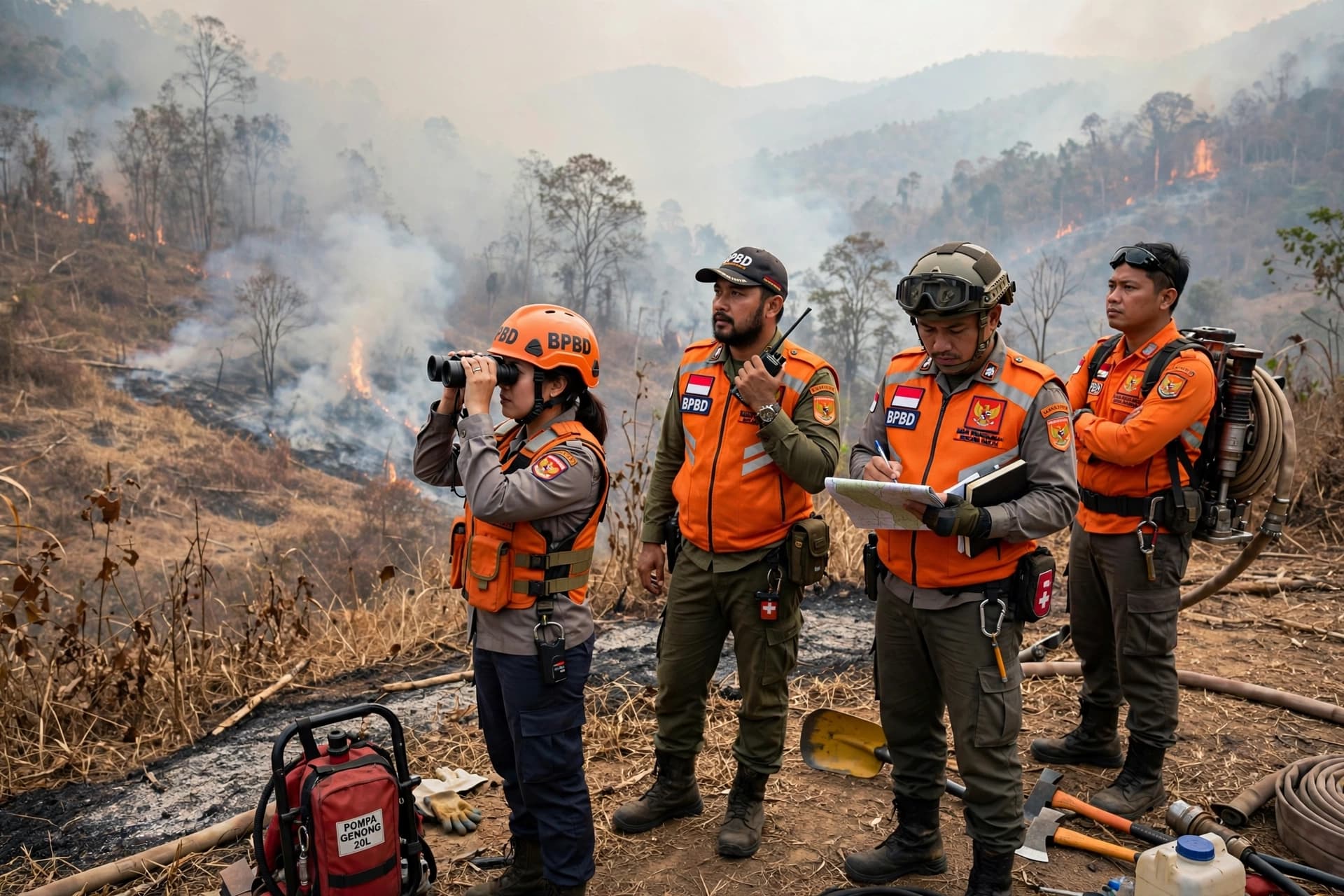
AI Image Disclaimer: The visual representations included here are AI-generated illustrations designed to depict warm weather scenes and urban landscapes, not actual photographs of specific temperature readings or meteorological maps.
Sources: The Guardian Australia ABC News Bureau of Meteorology
Published by Banx Network. This article is part of the Banx decentralized media programme, powered by the BXE token on the XRP Ledger.