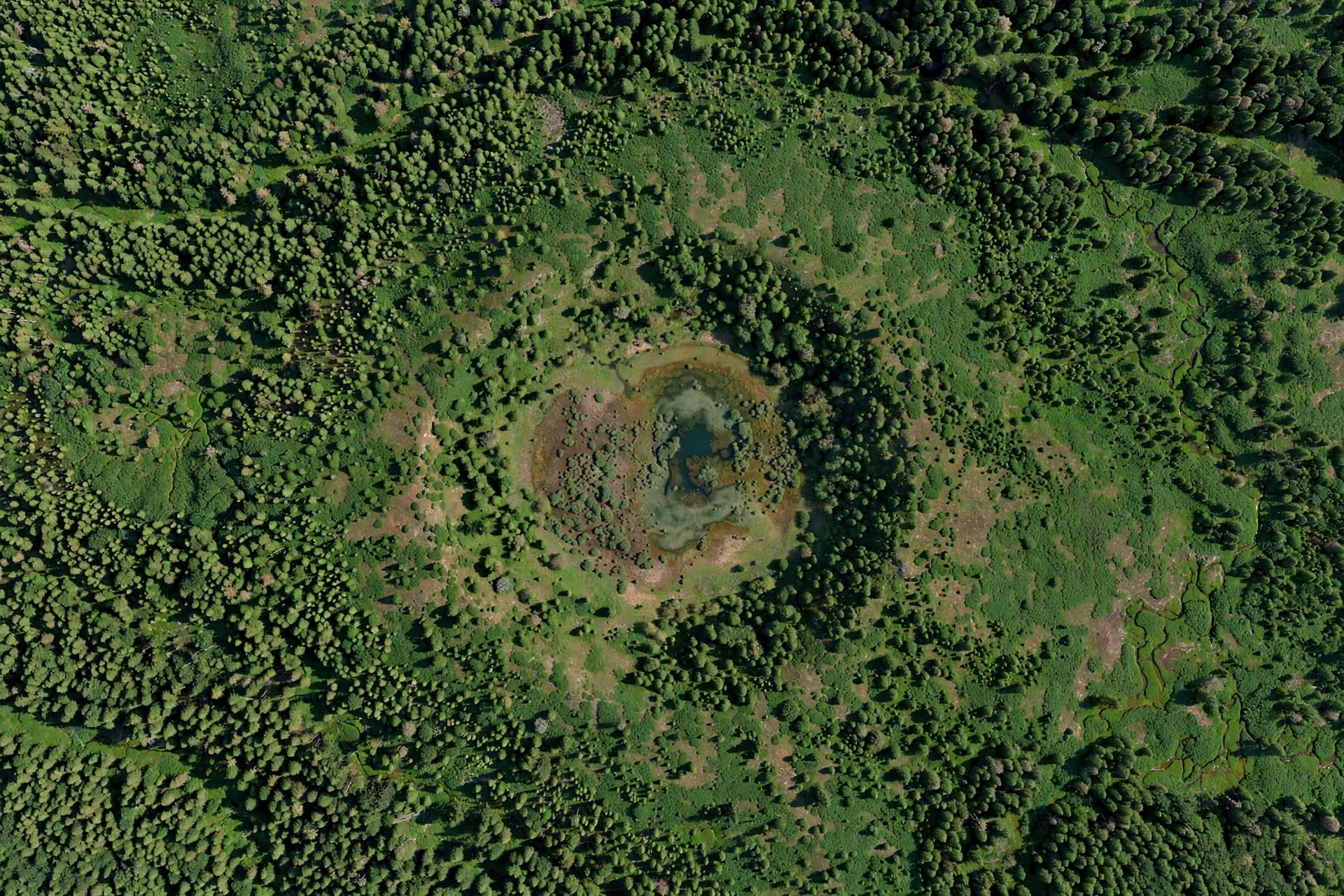
Uhackatik: The New Face of an Ancient Impact
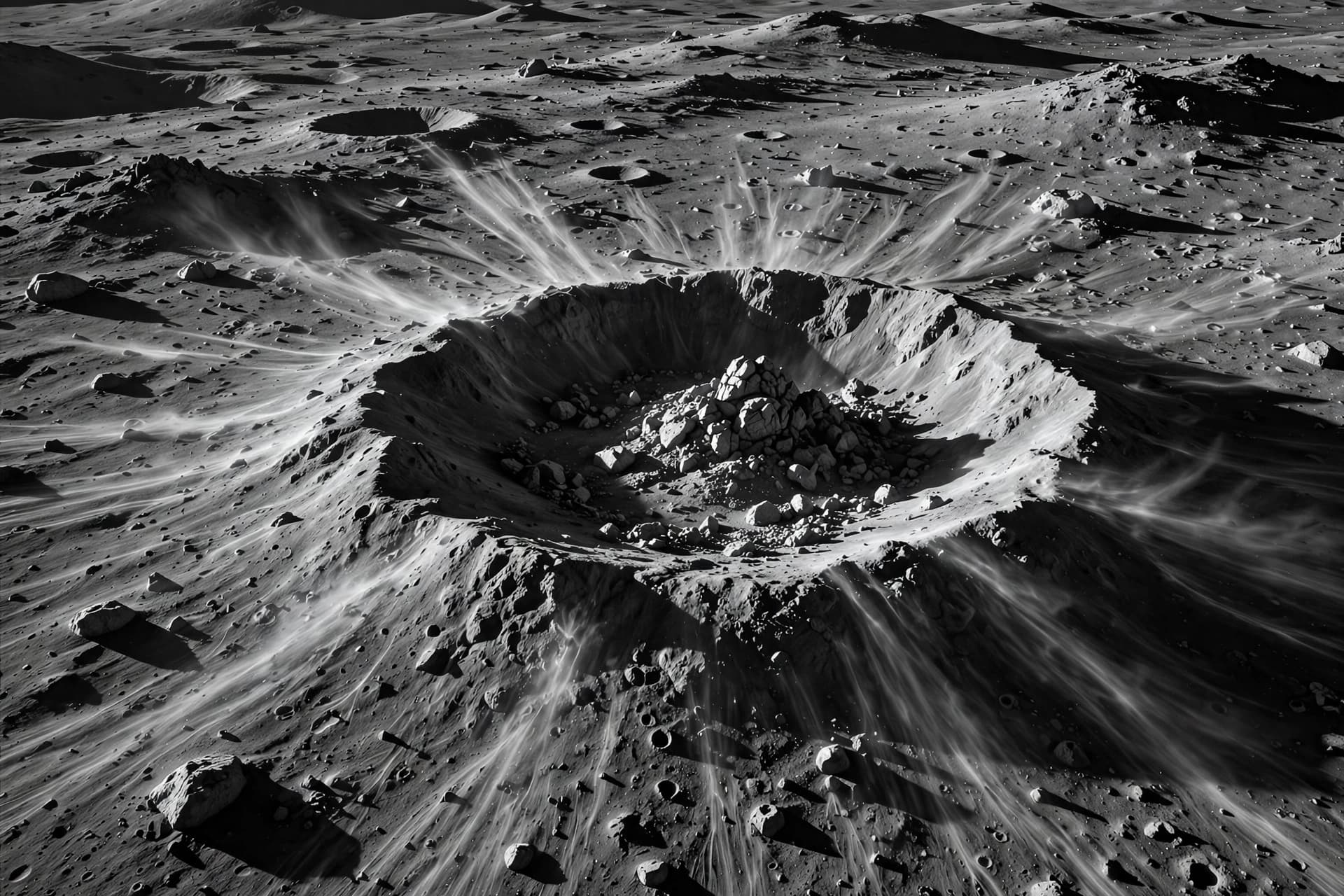
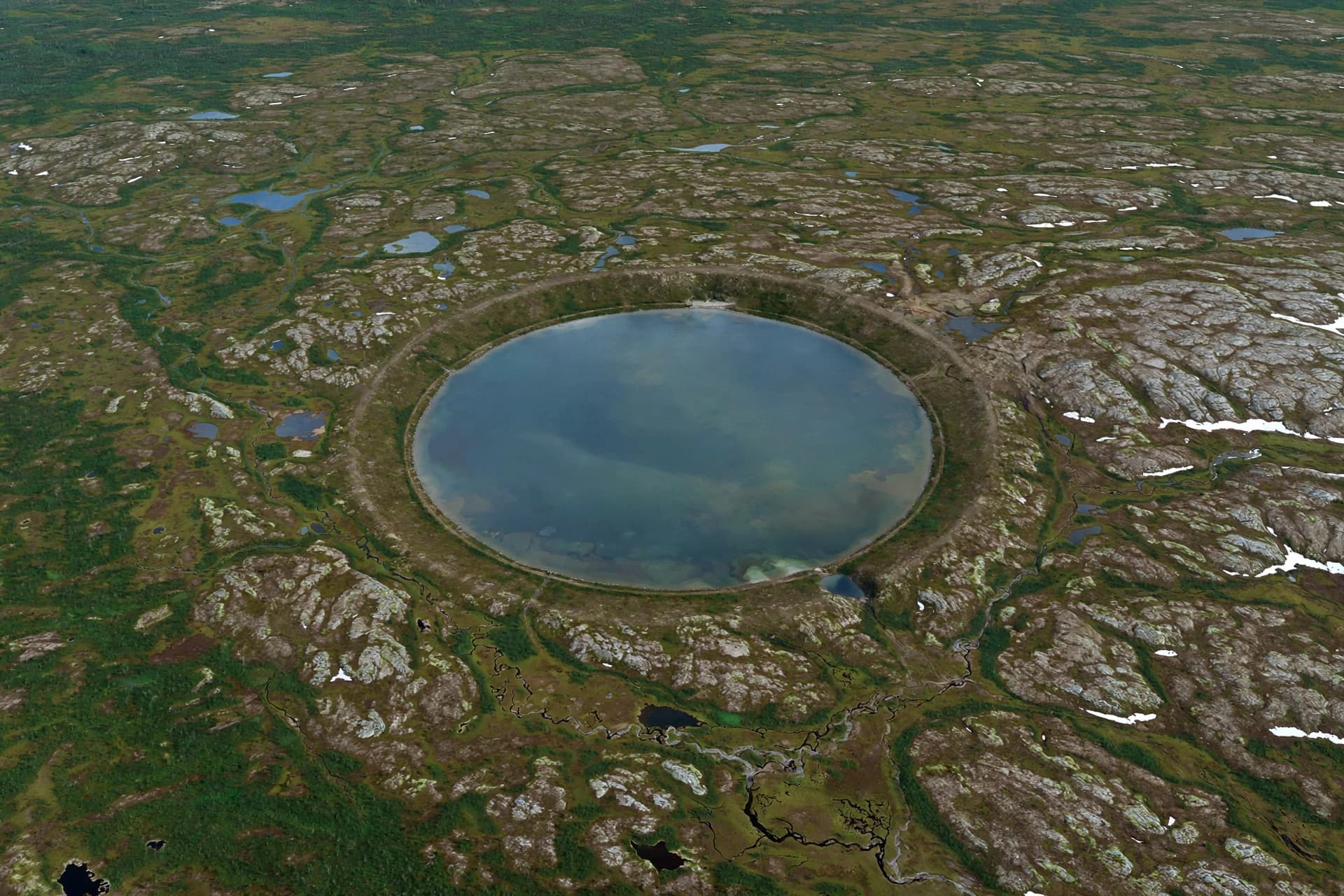
An amateur astronomer discovered a 390-million-year-old impact crater in Quebec using Google Maps. Scientists confirmed the find, highlighting the value of citizen science.

An amateur astronomer discovered a 390-million-year-old impact crater in Quebec using Google Maps. Scientists confirmed the find, highlighting the value of citizen science.

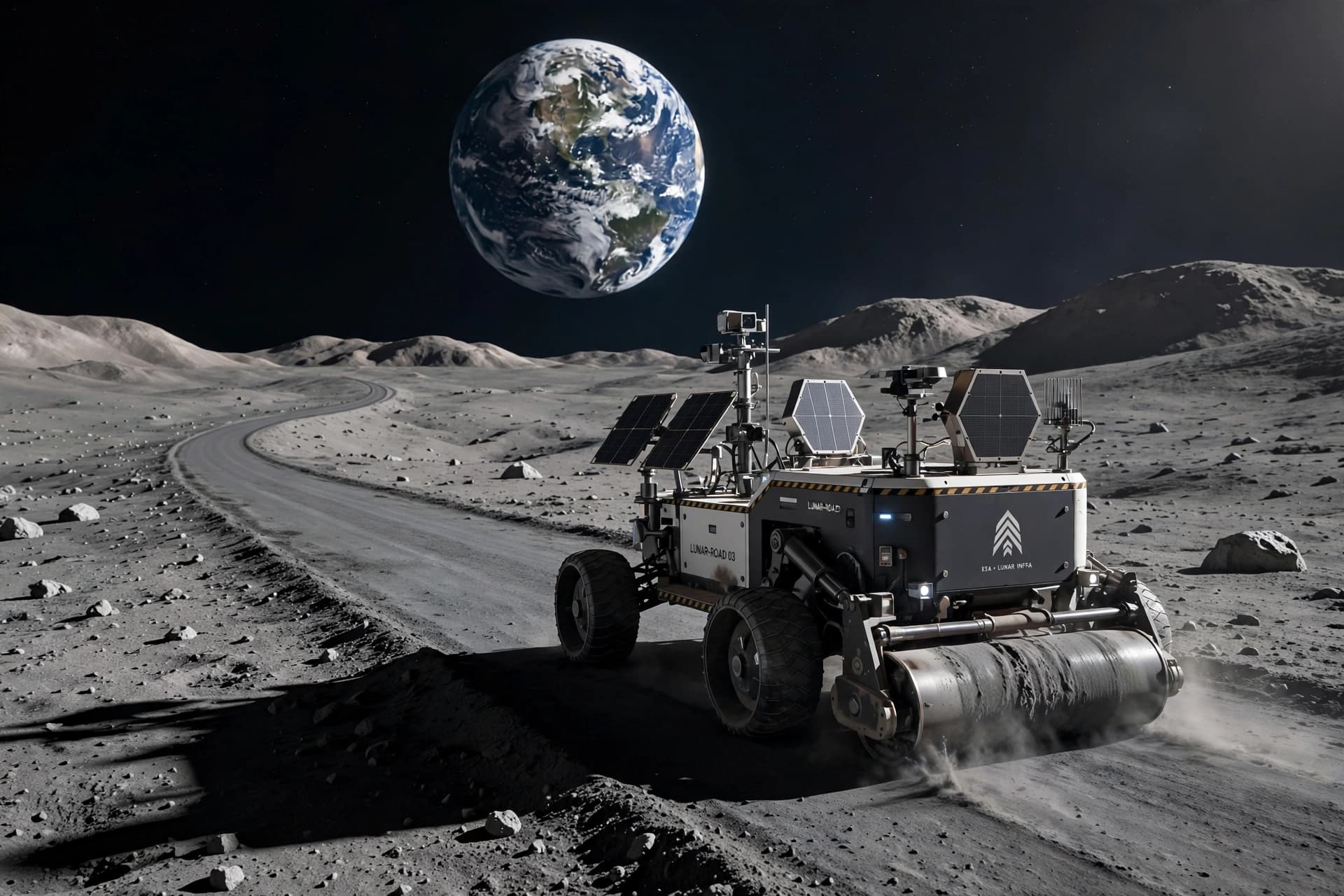
Engineers are developing methods to turn lunar regolith into roads, landing pads, and radiation shields. This in-situ resource utilization is key to sustainable lunar exploration.

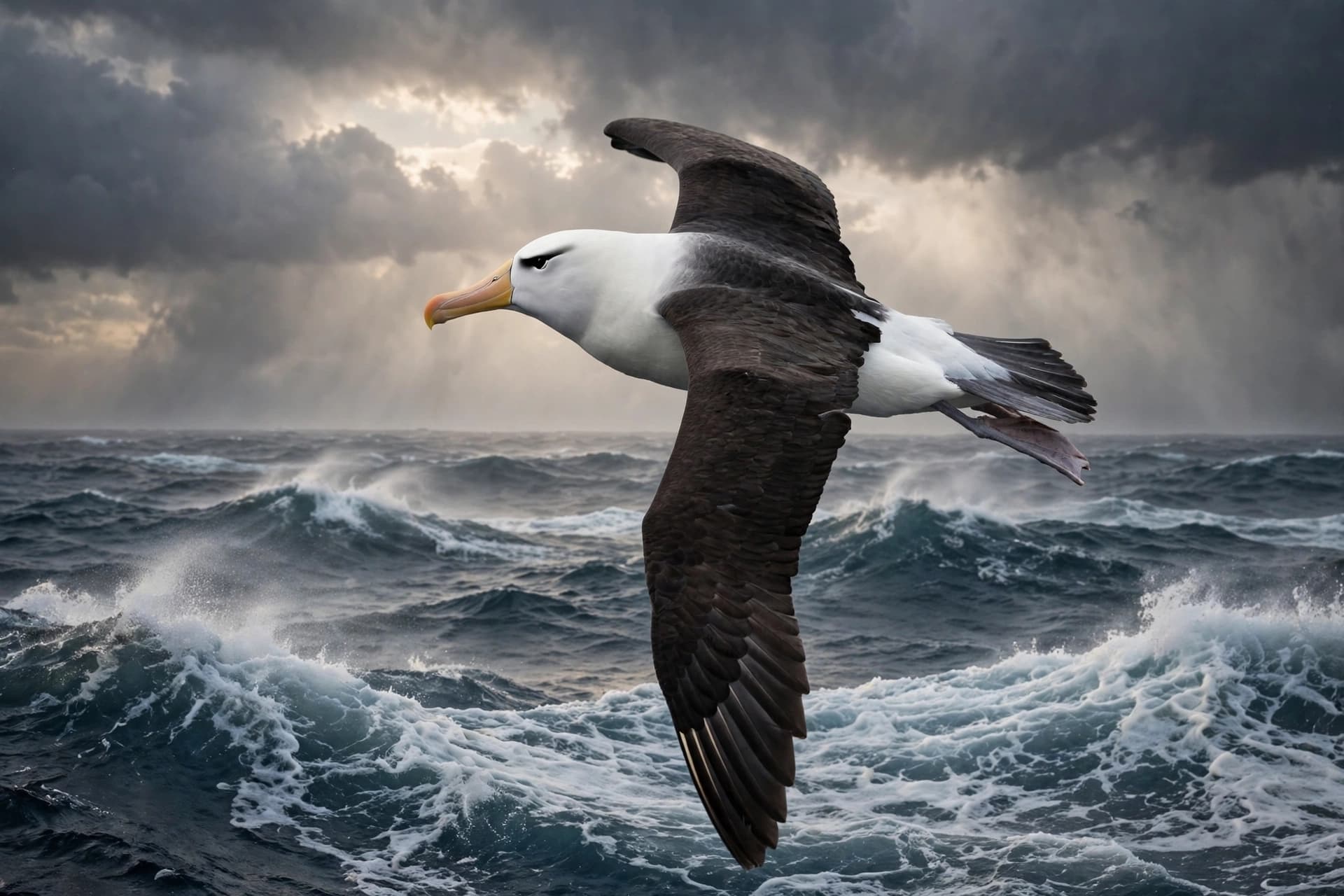
A WHOI study reveals that climate mitigation is more effective than evolution for black-browed albatross survival. Reducing emissions offers a better chance of population stability than relying on natural adaptation.

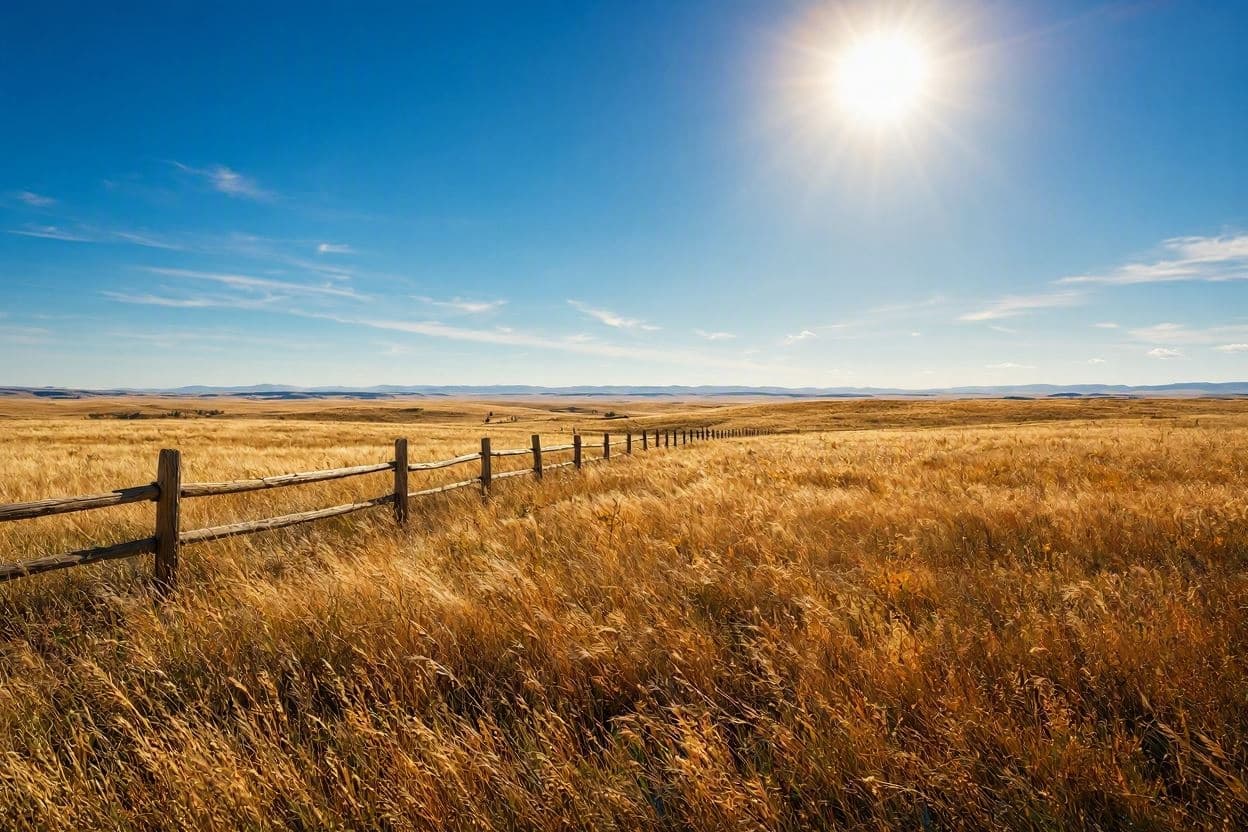
A super El Niño event is expected to bring warmer, drier conditions to the Prairies, raising concerns about drought, water resources, and agricultural productivity.

RamanOmics combines Raman spectroscopy with omics data to map the spatial molecular architecture of senescence, offering new insights into aging mechanisms and tissue repair processes.

NASA’s Lunar Reconnaissance Orbiter has identified a fresh crater on the moon, offering scientists a rare opportunity to study recent impact dynamics and refine models of lunar surface evolution.

Scientists warn that seven of nine planetary boundaries, essential for life’s flourishing, have been massively breached, highlighting urgent risks to global stability.

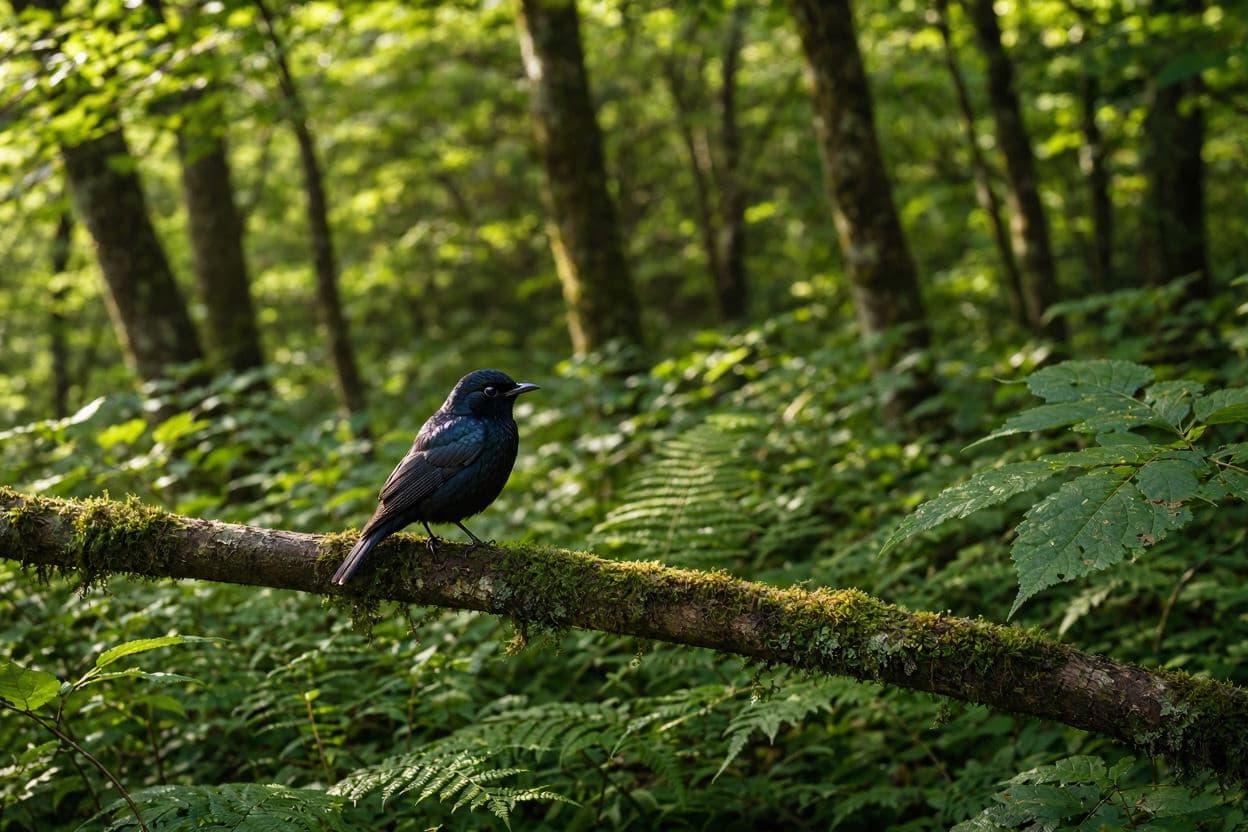
The black robin, once reduced to a single breeding pair, has won New Zealand’s Bird of the Year award, celebrating its remarkable recovery from the brink of extinction.

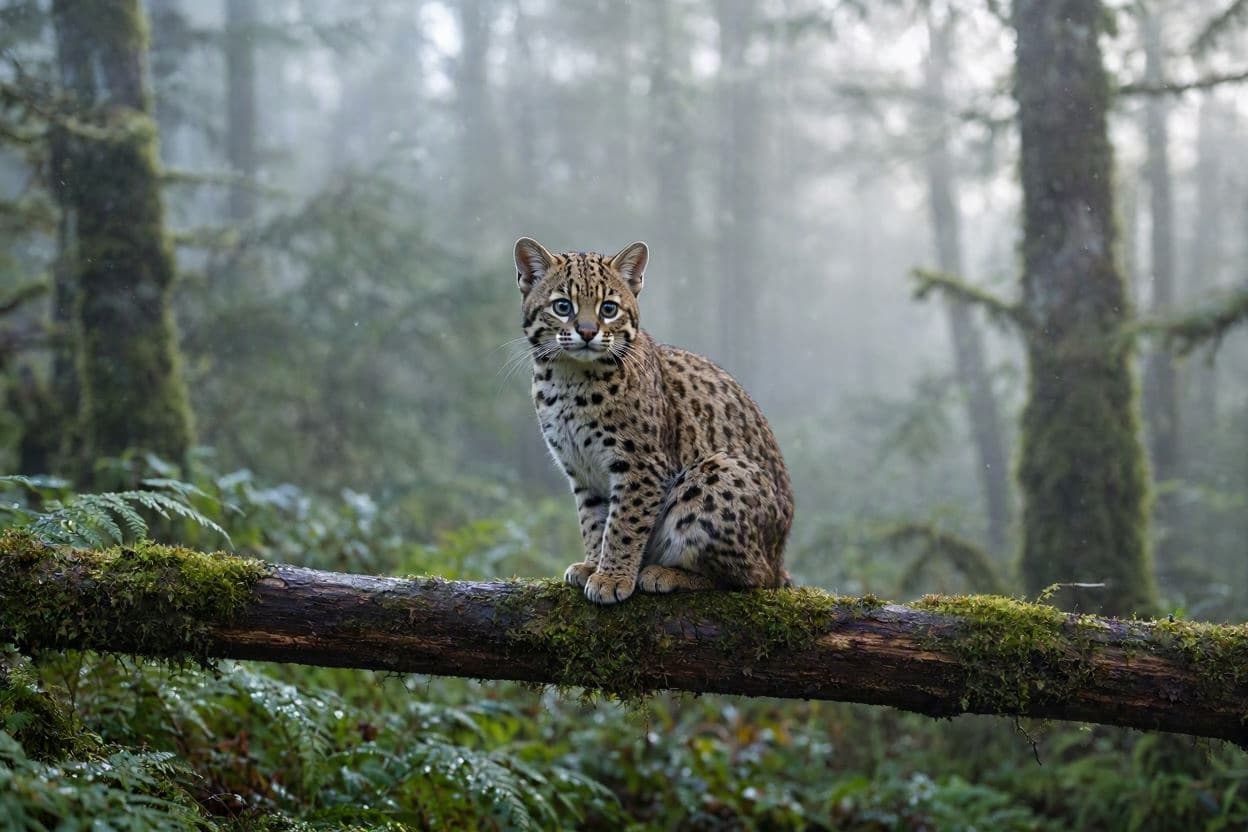
Scientists have identified Leopardus tilcayo, a new wild cat species in Bolivia, drawing visitors to the Senda Verde Sanctuary and highlighting the need for cloud forest conservation.

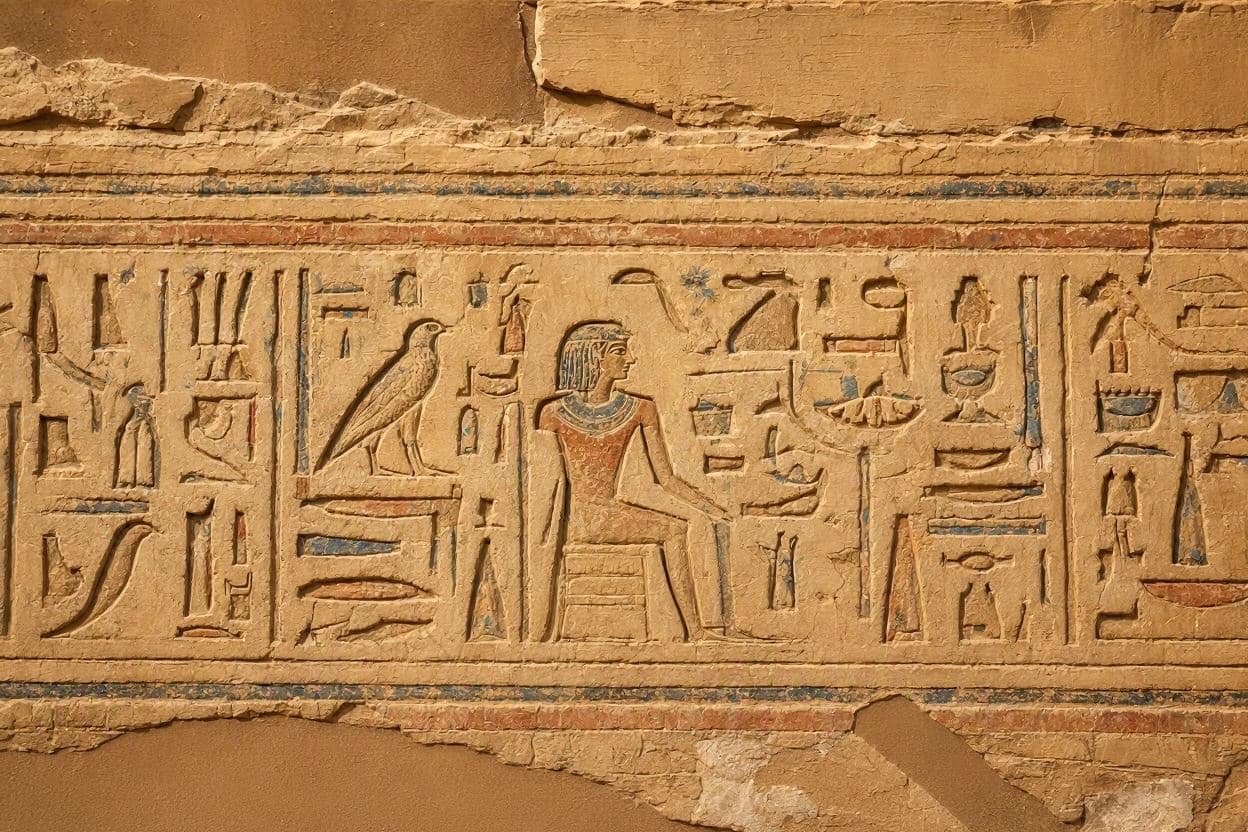
New geophysical evidence suggests hidden chambers behind King Tutankhamun’s tomb may lead to the lost burial site of Queen Nefertiti, bringing archaeologists closer to a historic discovery.

Fat Bear Week returns to celebrate Katmai’s brown bears as they bulk up for winter, honoring favorites like 747 while mourning the recent loss of matriarch Bear 402.

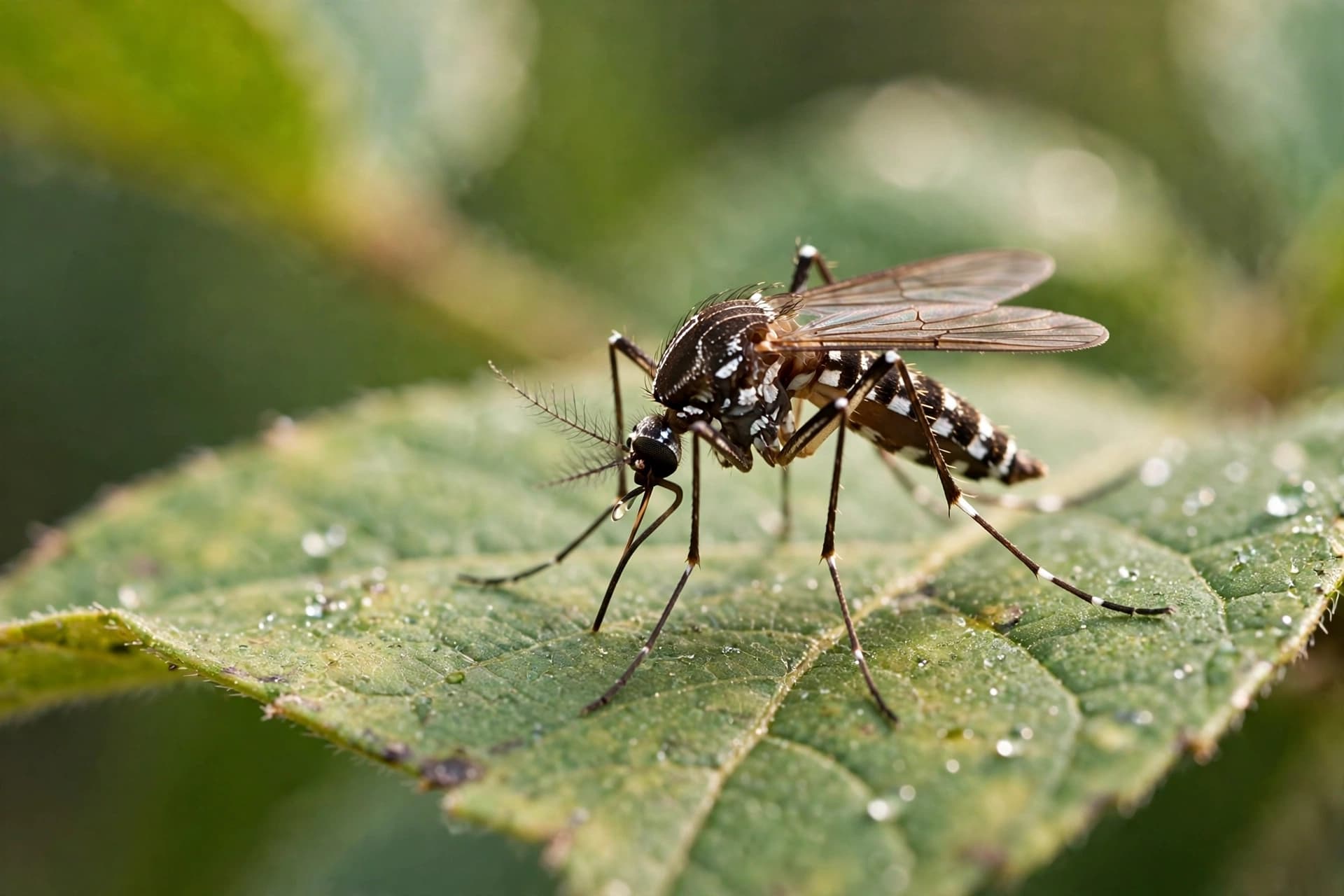
Florida reports its first dengue fever death of 2026 as cases rise, prompting health officials to urge prevention measures and mosquito control in affected communities.

Astronomers using NASA’s Chandra Observatory have identified 84 "hypersoft" X-ray sources in nearby galaxies, potentially revealing new insights into accreting white dwarfs and supernova progenitors.

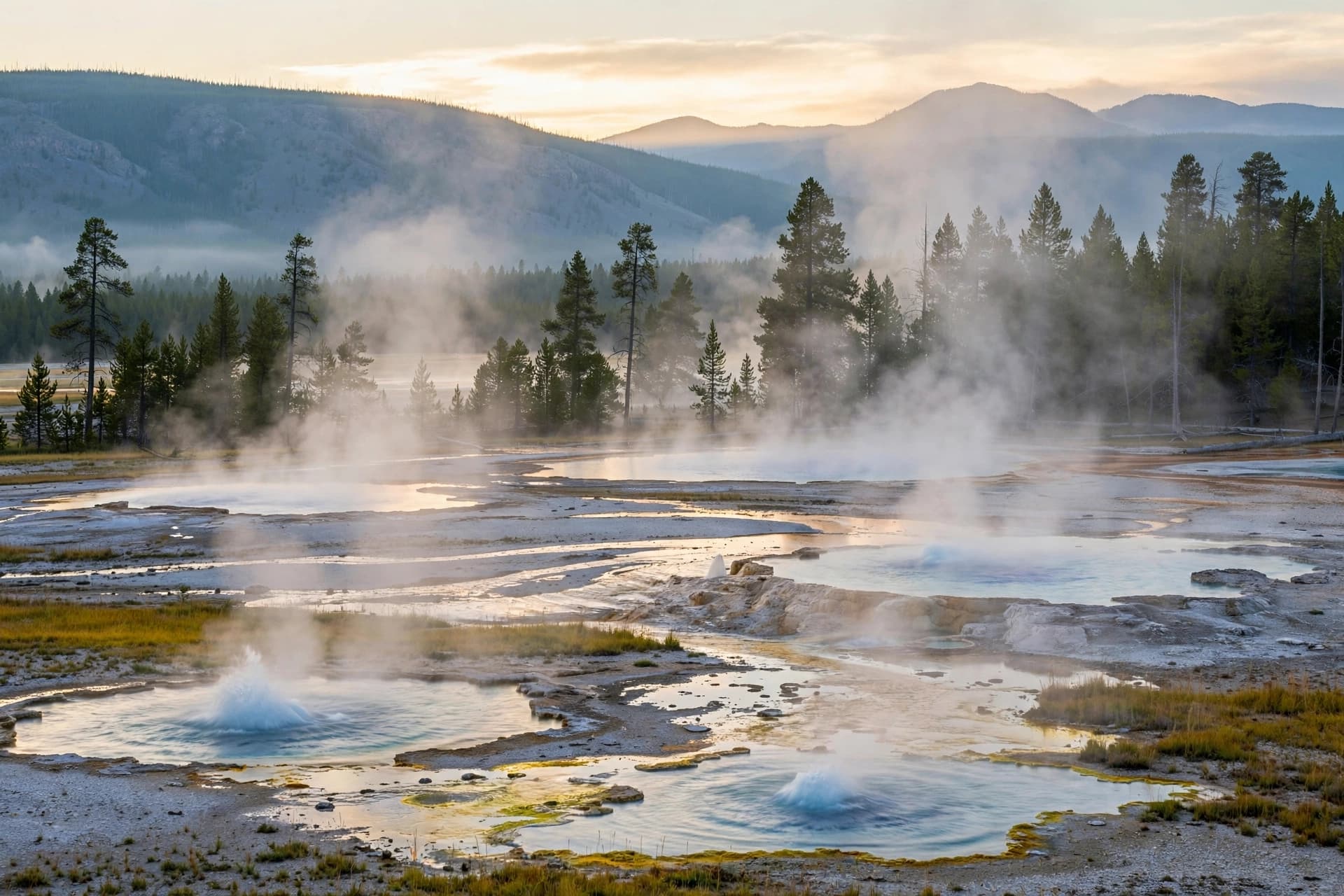
While a Yellowstone supervolcano eruption would cause significant regional devastation and global cooling, scientific analysis suggests it would not lead to the end of humanity, highlighting the importance of preparedness.

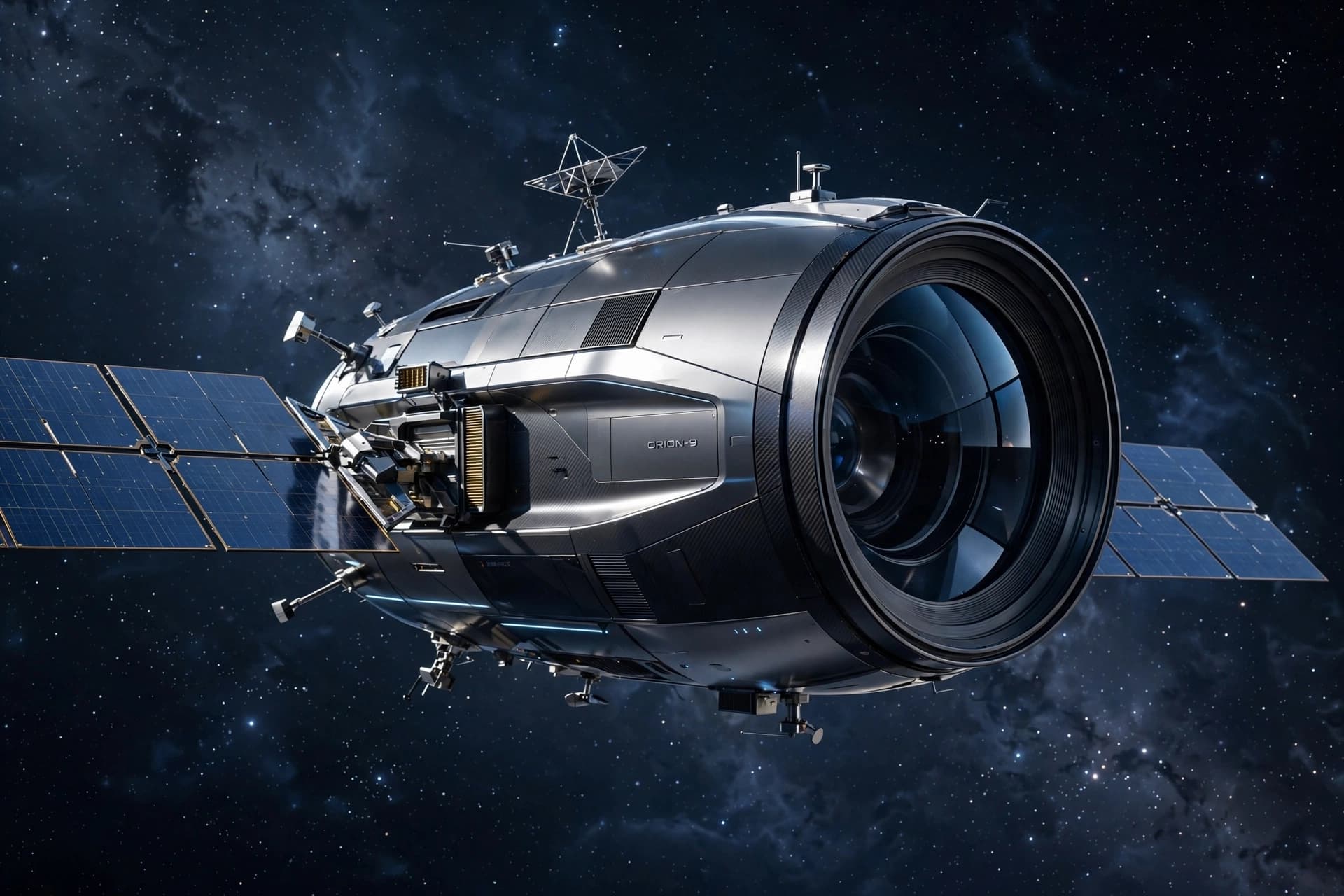
NASA has powered up the 300-megapixel Wide Field Instrument on the Nancy Grace Roman Space Telescope, a major milestone ahead of its launch to study dark energy and exoplanets.

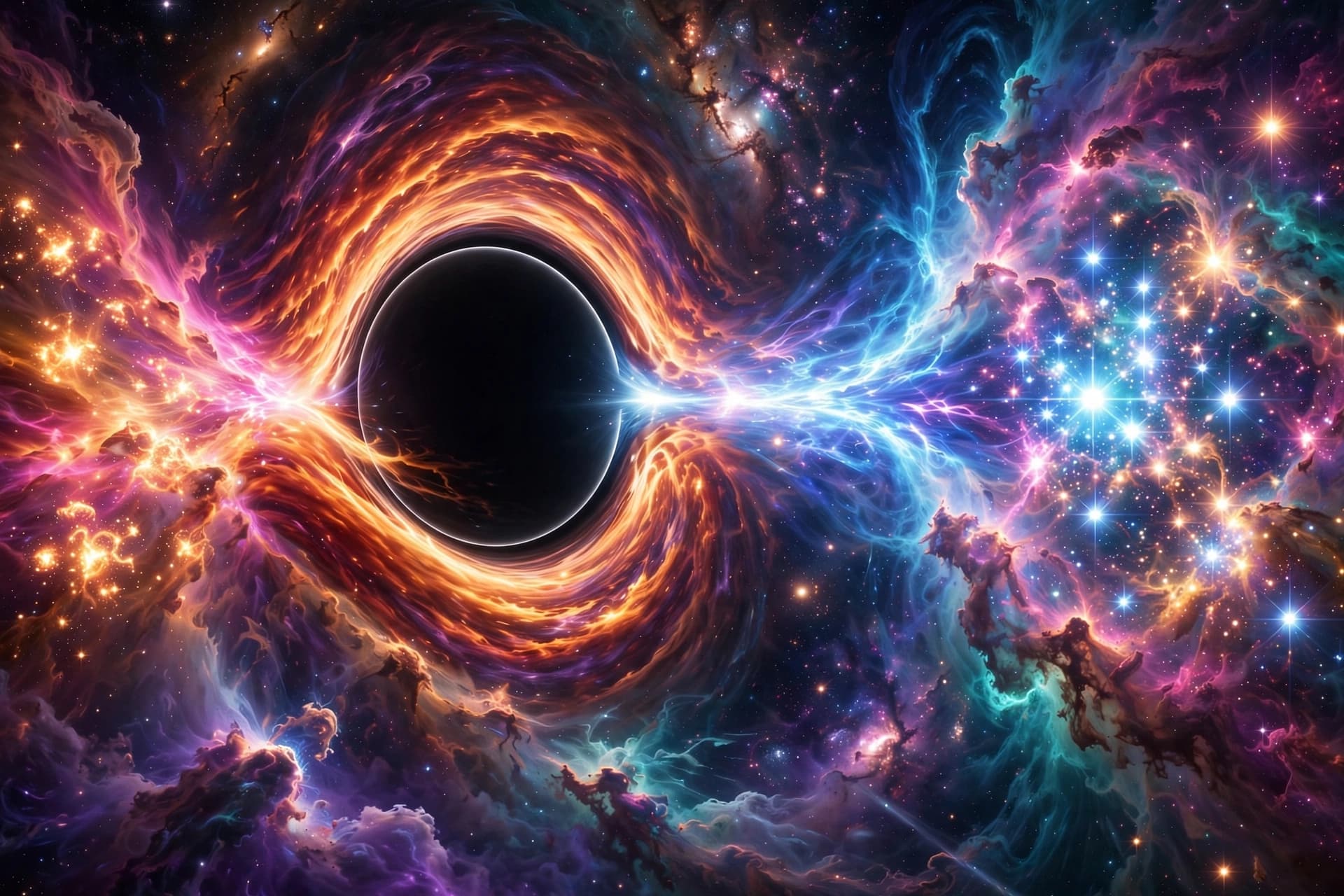
A new study suggests that active supermassive black holes may trigger star formation by compressing gas clouds, challenging the view that they only destroy stellar material.

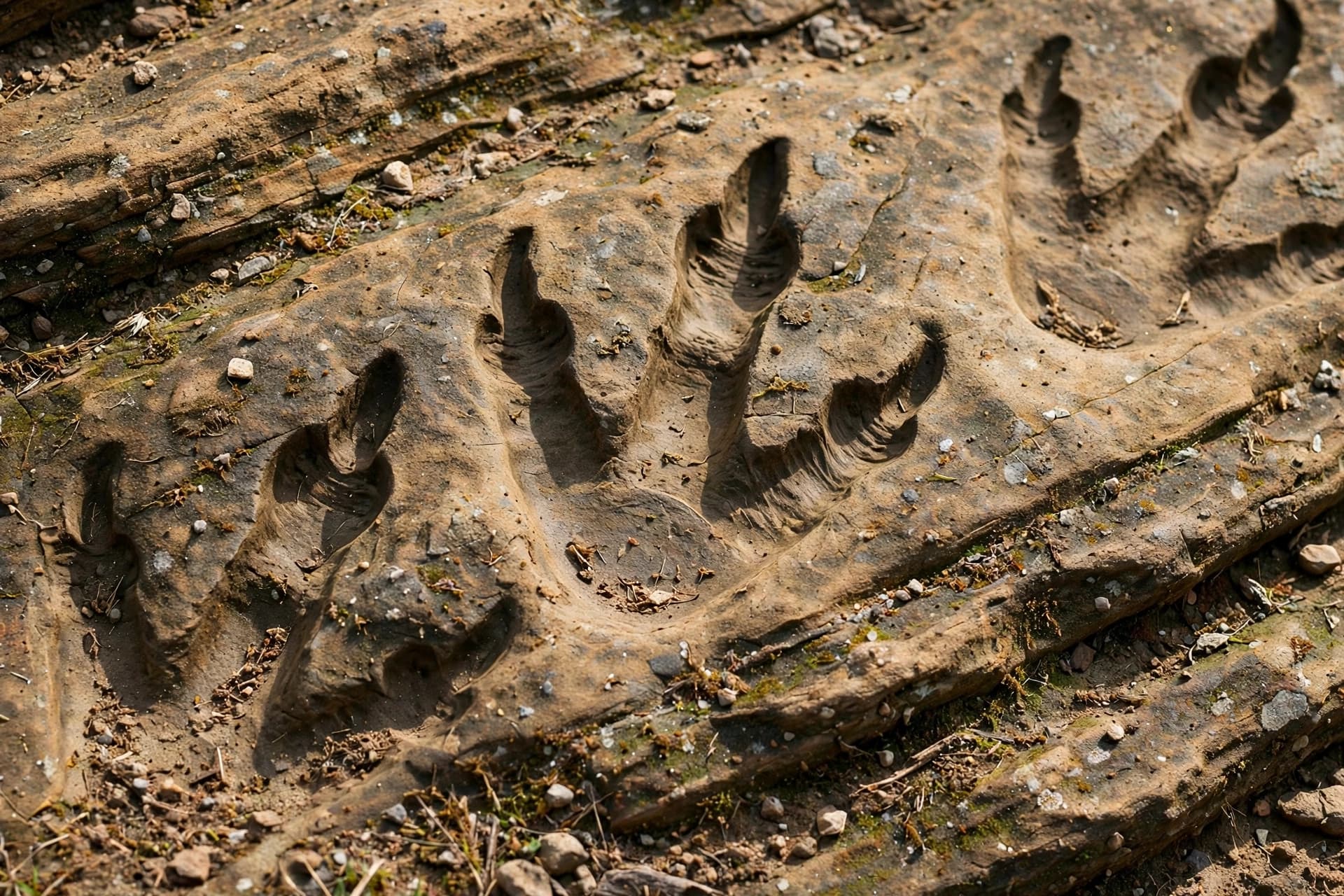
A US school teacher discovered the first-known trackway of an adult Tyrannosaurus rex in New Mexico, providing new insights into the movement and behavior of the iconic dinosaur.

The Large Hadron Collider continues to search for short-lived quantum black holes, which could provide evidence for extra dimensions and help unify quantum mechanics with gravity in a theory of everything.

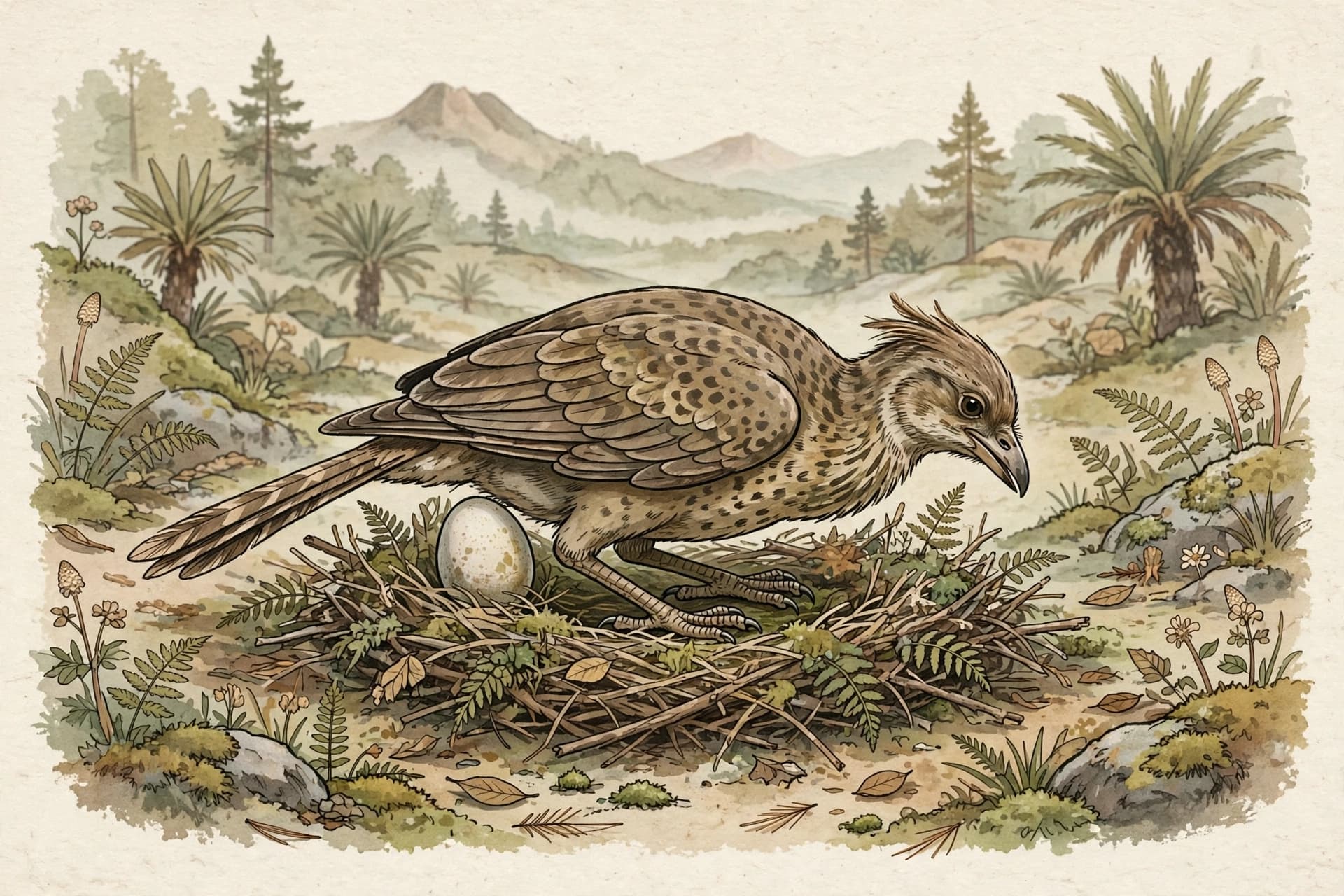
Scientists confirm that the egg came before the chicken, based on evolutionary biology showing that genetic mutations occur in the zygote, meaning the first chicken hatched from an egg laid by a non-chicken ancestor.

An amateur astronomer in Quebec discovered a 25-kilometer impact crater, now named Uhackatik, by spotting a ring on satellite imagery, later confirmed by geologists via shatter cones.

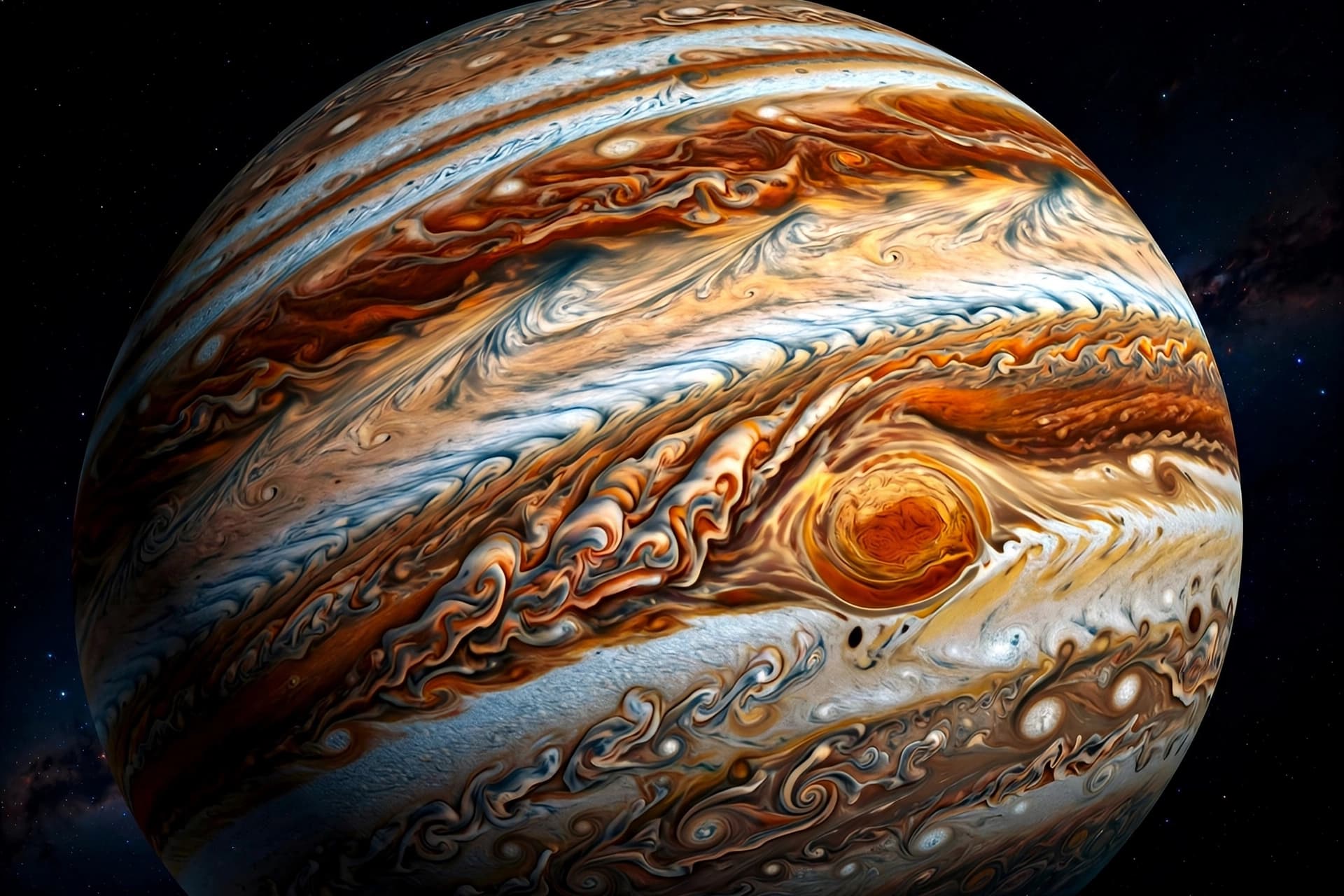
The Hubble Space Telescope continues to capture stunning, high-resolution images of planets in our solar system, revealing dynamic atmospheric changes and aesthetic beauty in our cosmic neighborhood.

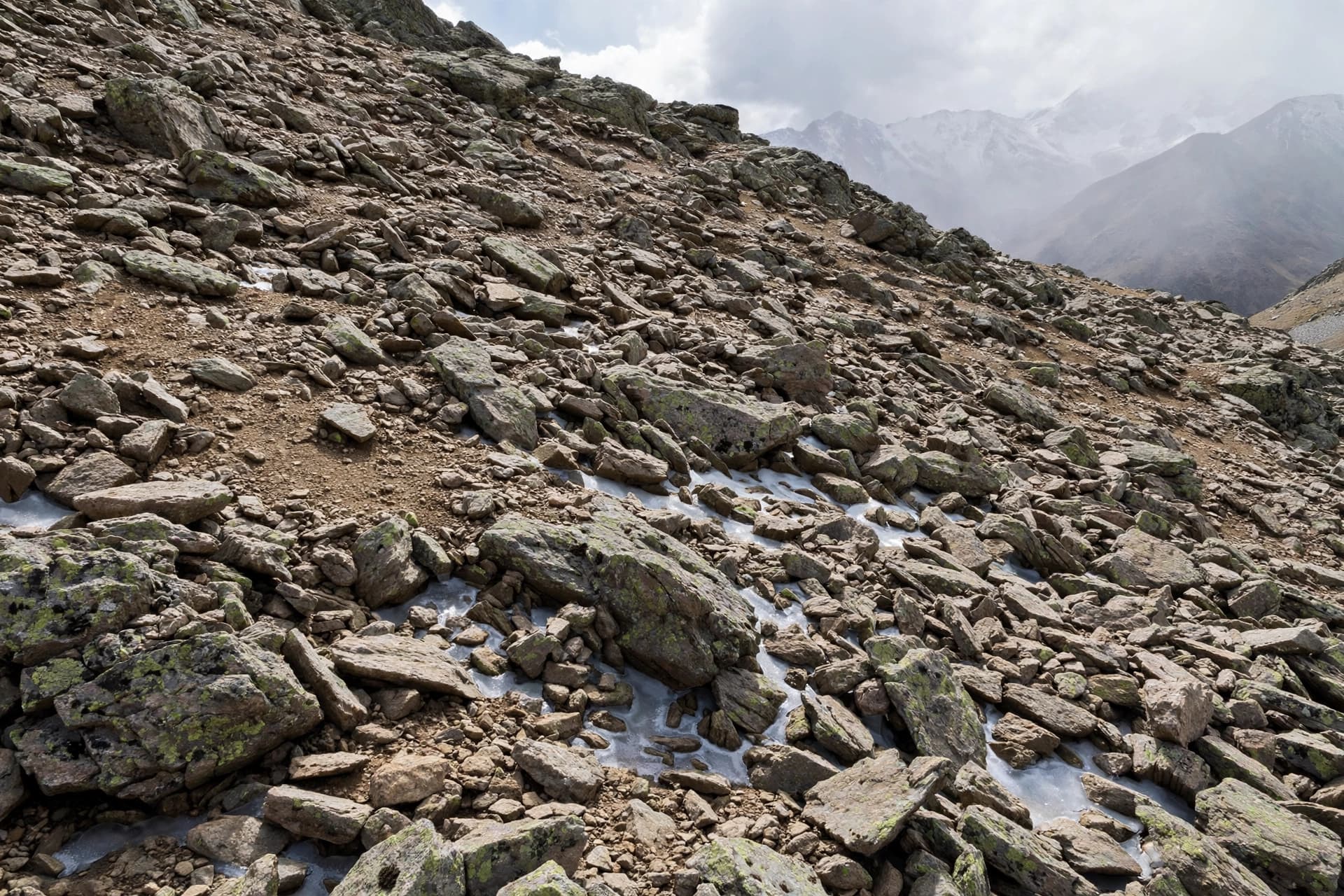
Geologists are identifying camouflaged rock glaciers, which contain ice protected by rock debris, as critical and resilient sources of freshwater for communities facing climate-induced water scarcity.

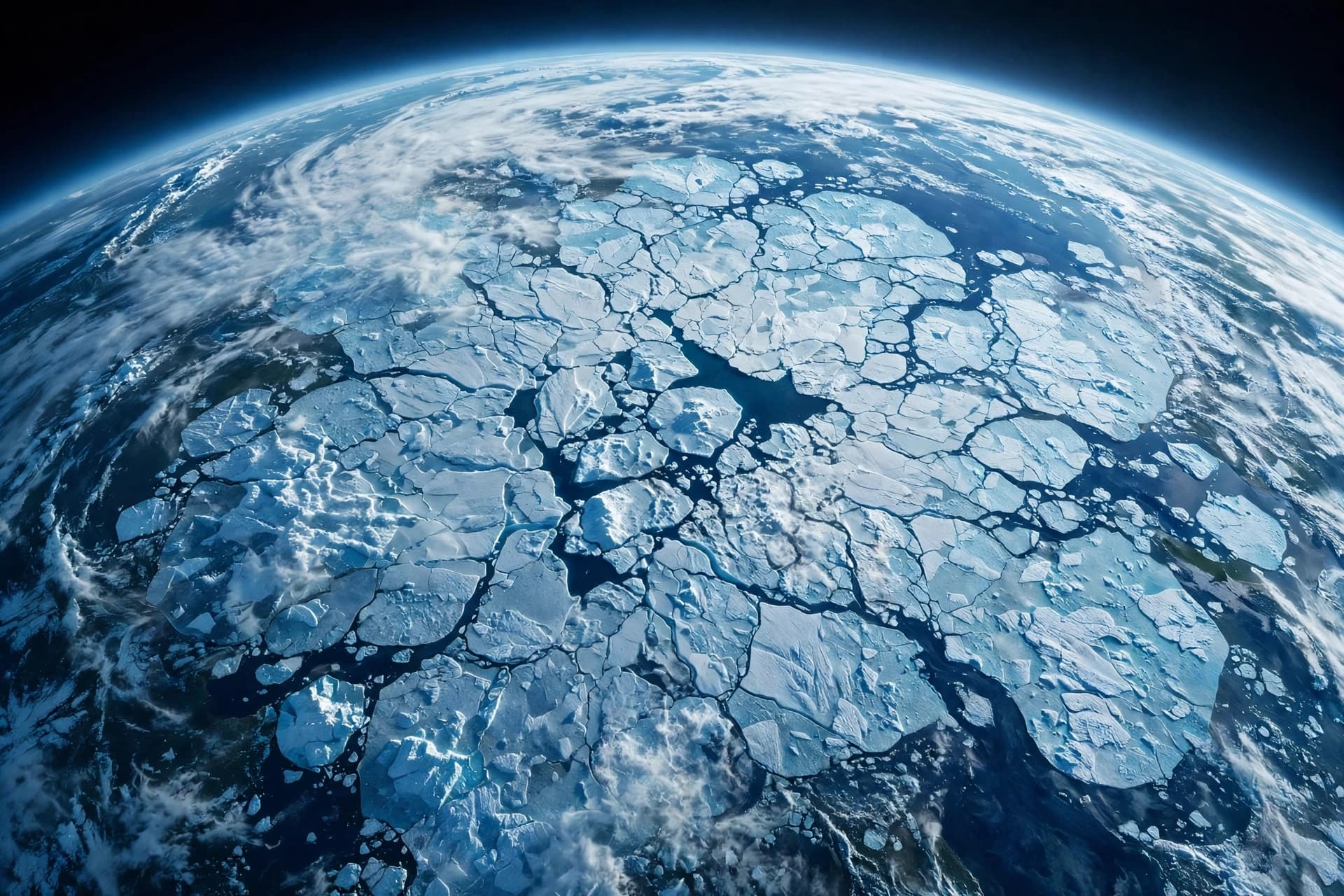
Satellite data shows that Greenland and Antarctica have lost over 12 trillion tons of ice in the last 47 years, contributing significantly to global sea-level rise and highlighting the urgency of climate action.

Neutrino astronomy is enabling scientists to distinguish between stars that explode as supernovae and those that collapse directly into black holes, providing crucial insights into stellar evolution.