Shade in Uncertainty: The Future of London’s Trees
Research indicates that over 70% of London’s trees are at risk from climate change, prompting a shift toward more resilient, climate-ready species.

Research indicates that over 70% of London’s trees are at risk from climate change, prompting a shift toward more resilient, climate-ready species.

The location of the UK’s rarest bird, the polyamorous Montagu’s harrier, is kept secret to protect its ground nests from disturbance, ensuring successful breeding.

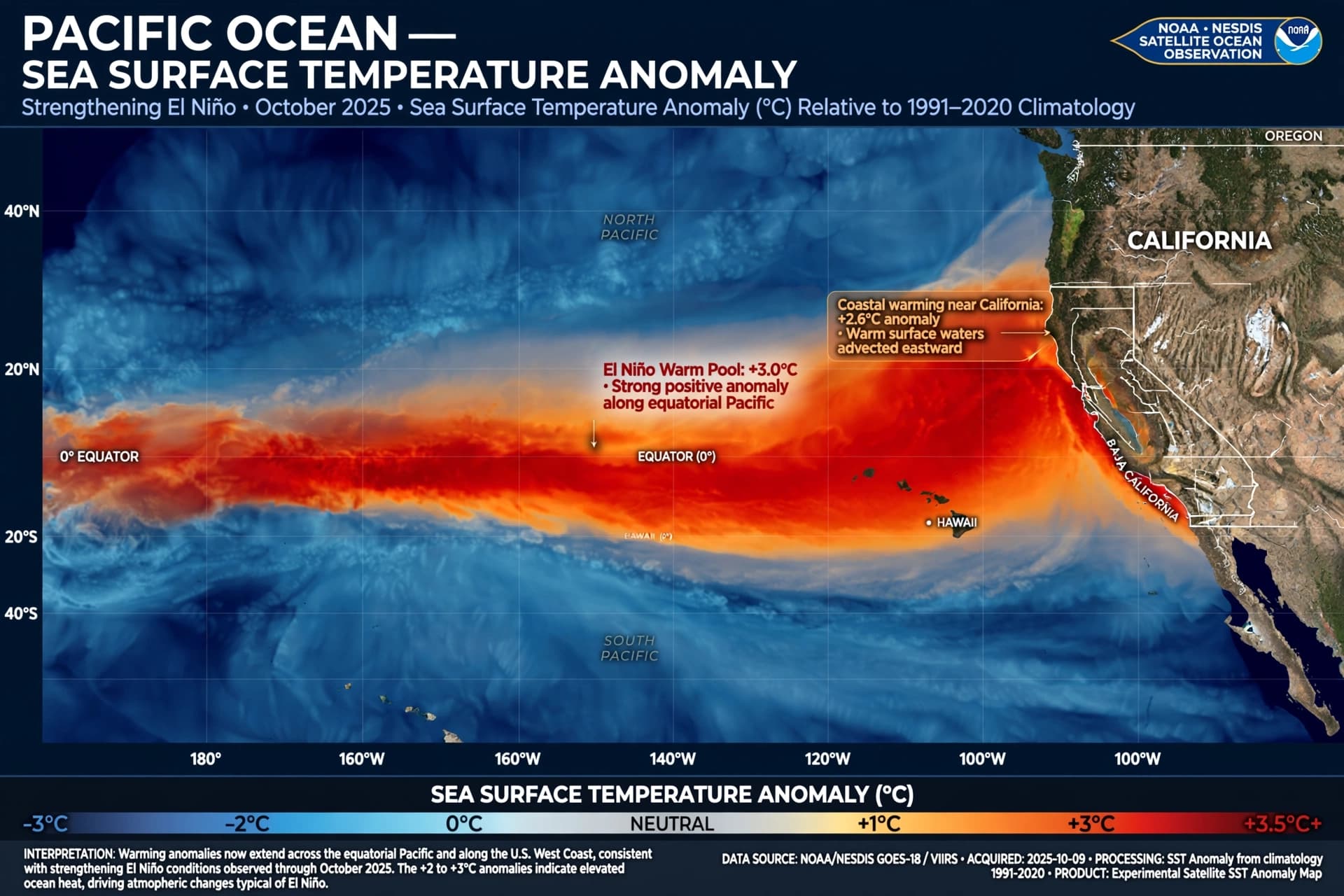
El Niño is currently influencing global weather patterns, but its specific impact on crop yields remains uncertain due to varying regional conditions and the complexity of agricultural systems.

A male hedgehog trapped deep inside a wall in Jersey was rescued by JSPCA workers in a dramatic operation, an event locals are calling a miracle of compassion and skill.

Researchers are using Bambu Lab 3D printers to create accurate replicas of 166-million-year-old dinosaur fossils, enhancing scientific study and public access to paleontological history.

A new fossil study indicates that ancient crocodile ancestors were warm-blooded, evolving into cold-blooded reptiles only after a mass extinction event forced them to adapt to scarce resources

China has postponed the launch of its Chang’e-7 mission to the lunar south pole, citing the need for absolute success and favorable conditions, delaying the search for vital water ice resources.

Research from 2020 shows that wild rufous hummingbirds can count and remember the order of flowers, efficiently locating nectar rewards in complex sequences despite having tiny brains.

Research shows Earth’s forests took 100,000 years to recover from past climate shifts, but current warming is occurring ten times faster, threatening biodiversity and carbon storage capabilities.

NASA’s Neil Gehrels Swift Observatory is undergoing an uncontrolled reentry into Earth’s atmosphere due to fuel depletion, with no possibility of salvage, marking the end of a prolific 20-year mission.

Telescopes have tracked a star moving at extreme speeds around the supermassive black hole at the Milky Way’s center, providing a unique testbed for Einstein’s theory of general relativity.

Recent observations confirm that Pluto’s atmosphere is thinning as the dwarf planet moves away from the Sun, causing nitrogen gas to freeze back onto its surface in a natural seasonal cycle.

Scientists are using vibrations from lightning strikes, known as thunderquakes, to create detailed images of the subsurface beneath cities, offering a non-invasive tool for urban planning and safety.

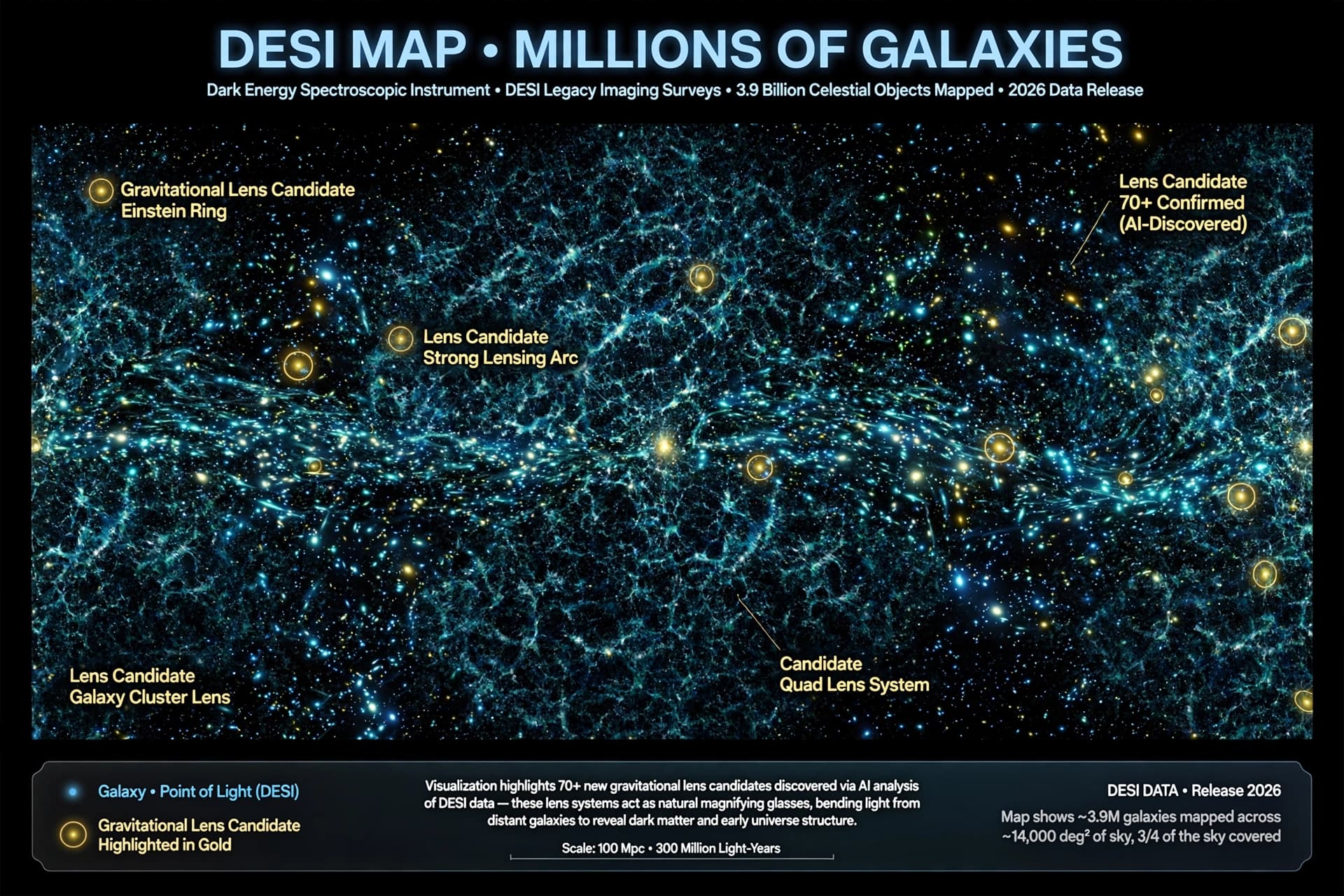
Scientists propose a "cosmic glitch" where gravity acts differently on large scales, potentially explaining discrepancies in universal expansion and structure.

New research suggests Deimos’s smooth surface and polar depression resulted from a single asteroid impact, indicating the moon is a porous rubble pile.

A new mine seal technology prevents underground fires while capturing and storing carbon dioxide, offering a carbon-negative solution for abandoned mines.

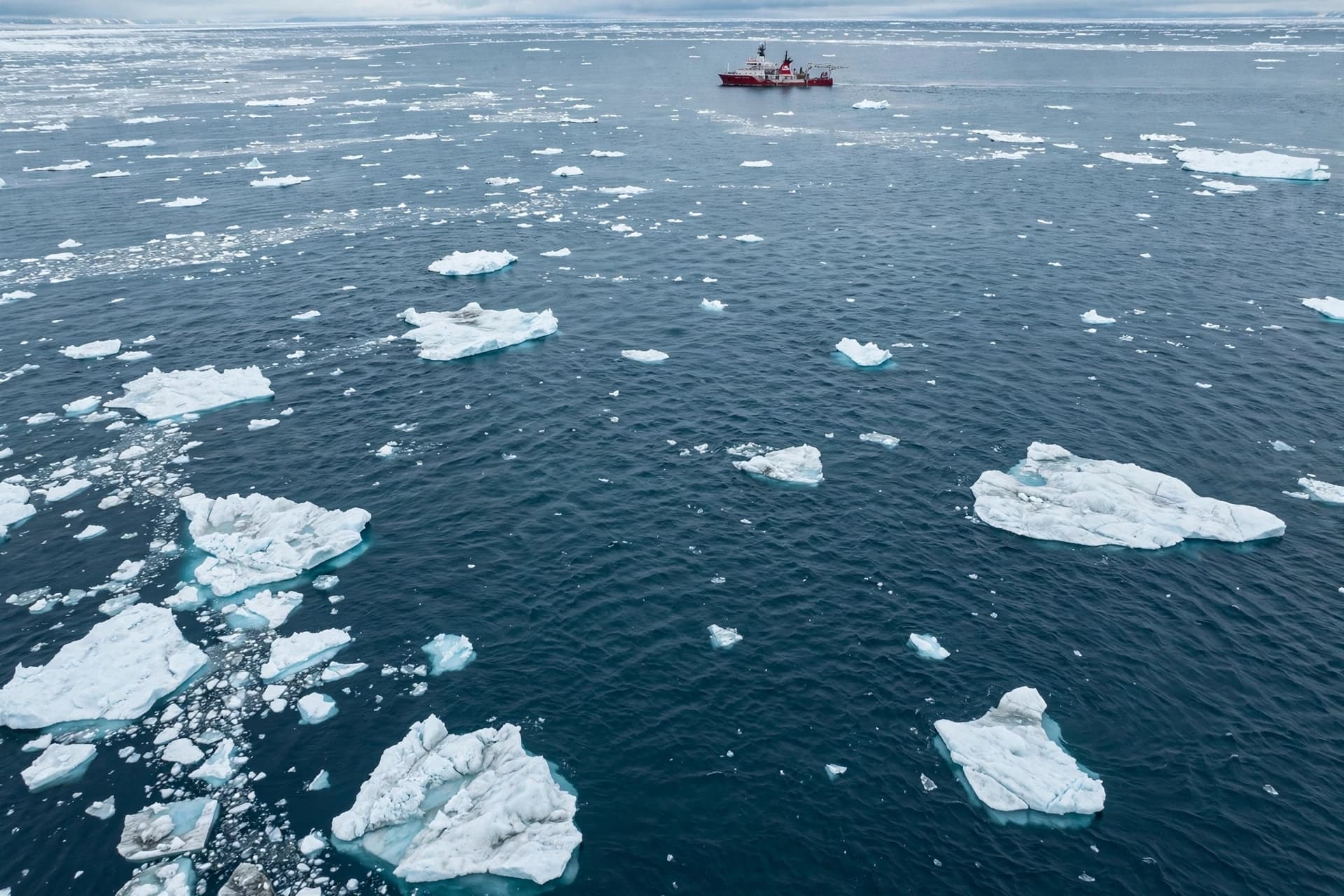
A satellite image from August 24, 2026, shows Greenland’s most significant floating ice loss in over a decade, highlighting ongoing climate change impacts.

Jupiter’s gravitational influence may concentrate more debris in Earth’s path in 2028, potentially making the Perseid meteor shower more spectacular.

NASA’s new space telescope is ready to explore hidden aspects of the universe, including exoplanet atmospheres, dark matter, and early galaxy formation.

Scientists are developing cookies made from recycled plastic bottles to help ease food shortages on Earth and provide sustainable nutrition for NASA crews in space.

Earth’s oceans have reached their hottest temperature ever recorded, raising concerns about marine ecosystems, weather patterns, and climate change worldwide

China is expanding climate-resilient agriculture as higher temperatures, changing rainfall and extreme weather place growing pressure on food production.

B.C. Premier David Eby confirms that U.S. alcohol will remain off provincial shelves as long as American tariffs on Canadian goods persist, using the boycott as leverage in trade negotiations.

"Drunken forests" in Canada’s North, caused by thawing permafrost, provide scientists with visible indicators of climate change and insights into carbon release and ecosystem stability.