There is a memory that lives in the land itself—a record of what was, written in pollen and charcoal, in the slow accumulation of sediment at the bottom of a lake. A new study from the University of Melbourne has read that memory, and what it reveals is a story of how a landscape was transformed, and how that transformation made it more dangerous.
Researchers analyzed a metre-long sediment core from Purghagoolah, also known as Lake Elusive, in Croajingolong National Park in East Gippsland, Victoria. The core spans a thousand years of vegetation and fire history. What they found was a dramatic shift that began around 1830 to 1860, when European settlers massacred and forcibly removed the GunaiKurnai people, and cultural burning practices ceased .
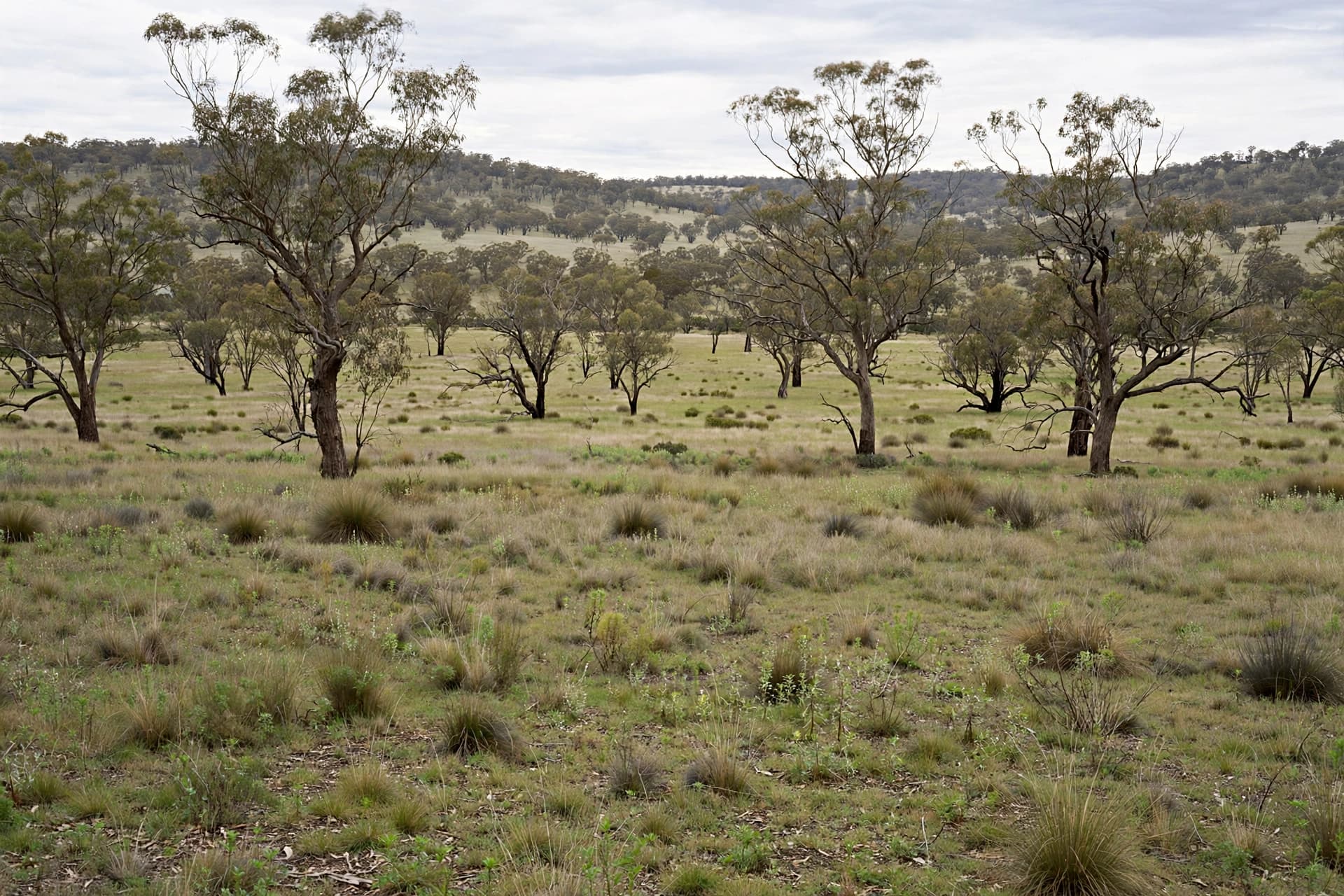
Before colonisation, the landscape was open woodland, with tree cover around 10 percent, maintained for centuries by frequent, low-temperature cultural burns. After the GunaiKurnai were removed from their Country, shrub species moved in. Fires became hotter. Charcoal evidence showed the change in fire temperature. Eucalypt cover increased four-fold. Tree cover rose to around 40 percent. And for the first time in the entire thousand-year record, soil erosion appeared .
“Fire temperature went up, fire amount went up, eucalypt cover went up, and it trapped this system into a hot, catastrophic fire loop,” said lead author Michael-Shawn Fletcher . The denser forest created conditions where flames could spread more easily through connected canopies, and shrub growth on the forest floor allowed fire to "ladder" up to the crown .
The research, published in Nature, provides scientific evidence for what Indigenous communities have long argued: that the removal of cultural burning practices had profound consequences. “When Country is cared for, climate does not dictate wildfire,” Fletcher said. “For thousands of years, GunaiKurnai people cared for Country... keeping much of the landscape as open woodland” .
The study also addresses a powerful cultural idea—that of wilderness, land untouched by humans. Croajingolong National Park has long been treated as pristine wilderness, yet it is now one of the most fire-prone and repeatedly burnt parts of southeastern Australia. “The forest we protect there is in fact a product of colonisation, and it’s that legacy that now imperils its very survival,” Fletcher said .
GunaiKurnai elder Uncle Russell Mullett described the traditional relationship with fire: “GunaiKurnai Ancestors were born with towera (fire)... Not treating country with towera, country becomes extremely dangerous for GunaiKurnai, animals and plants” .
The study's authors and independent experts, including Professor David Bowman of the University of Tasmania, say the findings support urgent trials of ecological thinning and cultural burning. “There is urgent need to trial these approaches to demonstrate their effectiveness,” Bowman said. “This task demands substantial and ongoing investment from governments to support Aboriginal fire manager groups” .
For now, the sediment record holds its warning. The forest that exists today is not the forest that existed before. And the fires that burn it are not the fires that once maintained it.
AI Image Disclaimer: The images accompanying this article are generated by artificial intelligence and are intended for illustrative purposes only.
Sources: The Guardian, New Scientist, University of Melbourne, Scimex
Published by Banx Network. This article is part of the Banx decentralized media programme, powered by the BXE token on the XRP Ledger.