There is a particular kind of hope that is not naive but evidence-based—a hope that does not ignore the scale of a crisis but finds within it the proof that the crisis can be addressed, that the trajectory of loss is not inevitable, and that the work of recovery, however slow and partial, is real. In the 2026 Living Planet Report, published by WWF, scientists have offered exactly that kind of hope. Amid an average 73 percent decline in monitored wildlife populations over the past five decades, they point to the recoveries of wild tigers, bluefin tuna, and green sea turtles as proof that nature can rebound when sustained, coordinated action is taken .
The numbers behind the overall decline are stark. The Living Planet Index, produced by the Zoological Society of London, analyzed nearly 36,000 population trends across more than 5,000 vertebrate species between 1970 and 2022. Freshwater populations declined most sharply, by an average of 85 percent, followed by terrestrial species at 69 percent and marine species at 59 percent. Latin America and the Caribbean saw the most severe regional decline, with an average drop of 95 percent .
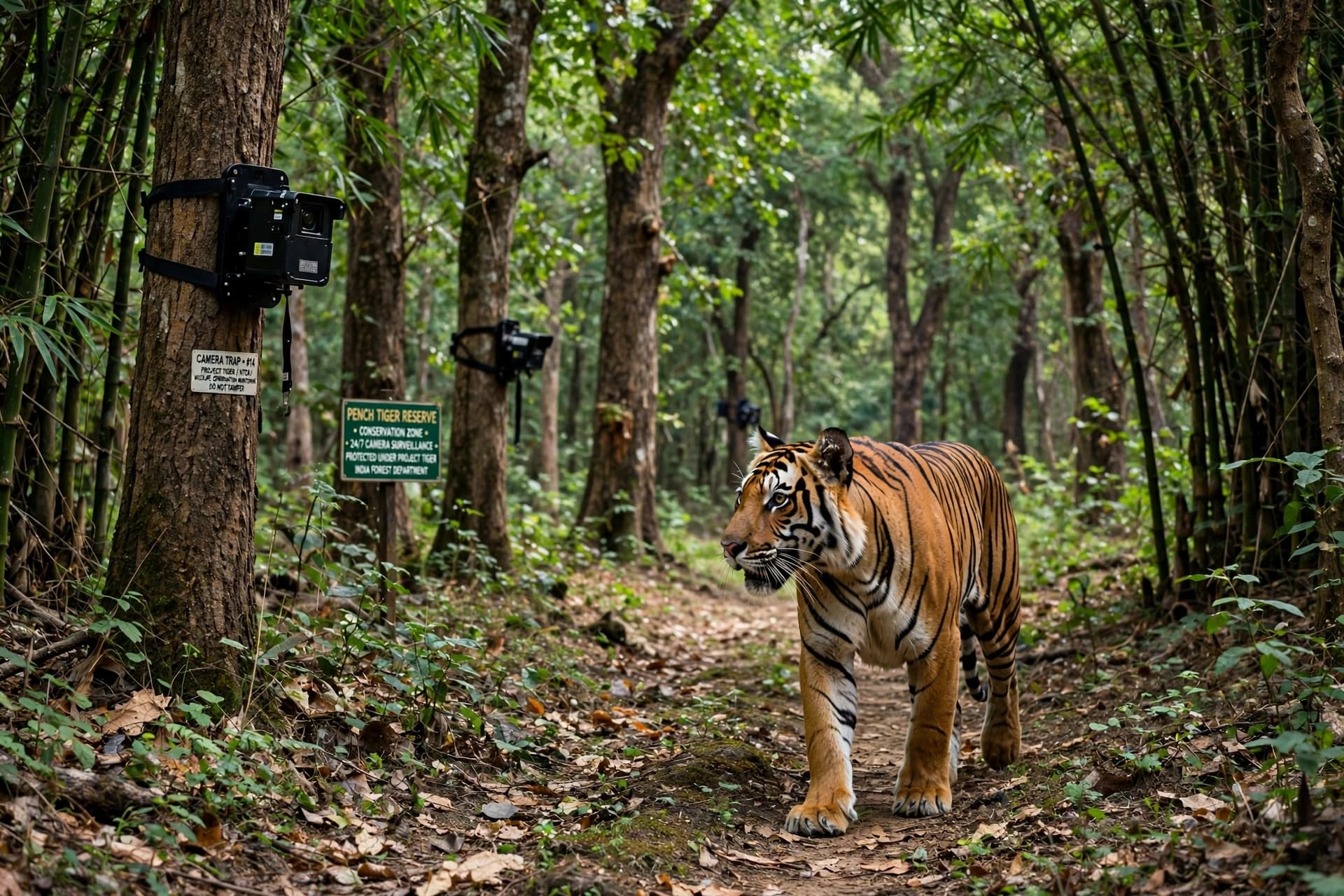
Yet within that pattern of loss, the report identifies species that have reversed their fortunes. Wild tiger numbers increased from around 3,200 in 2010 to approximately 5,700 in 2025—a rise of more than 70 percent and the first documented reversal of their long-term decline. The recovery was achieved through coordinated action between governments, communities, Indigenous Peoples, scientists, and NGOs, including the Global Tiger Initiative and anti-trafficking work .
The green sea turtle, once classified as Endangered, was downlisted to Least Concern on the IUCN Red List in 2025—the first marine turtle ever to achieve that status. The recovery reflects fifty years of work across about 80 nesting countries, including protection of nesting beaches, bycatch reduction, and enforcement against illegal take. Annual nesting activity rose from around 419,000 nests in 2011 to roughly 526,000 in 2024 .
Atlantic and Pacific bluefin tuna, which had collapsed to perilously low levels by 2010, have also recovered to the point where neither is considered overfished or a species of major concern. The turnaround was driven by consumer campaigns, retailer commitments, and coordinated regional fishery management .
Dr. Kirsten Schuijt, Director General of WWF International, said the recoveries showed "what years of sustained collective conservation effort can achieve." But she added that "the industries and systems which drive nature loss need to be transformed" . The report's authors point to the food system as the next "positive tipping point"—the area where change is most urgent and, so far, least advanced. Agriculture is the single largest cause of habitat loss, and agricultural expansion drives almost 90 percent of deforestation worldwide . The recoveries offer a template, but they also show how much remains to be done.
AI Image Disclaimer: All images in this article are AI-generated and are intended for illustrative purposes only.
Sources: WWF, BBC, The Guardian, Xinhua
Published by Banx Network. This article is part of the Banx decentralized media programme, powered by the BXE token on the XRP Ledger.