Ready for Lift-Off: Starship’s Path to Flight 14
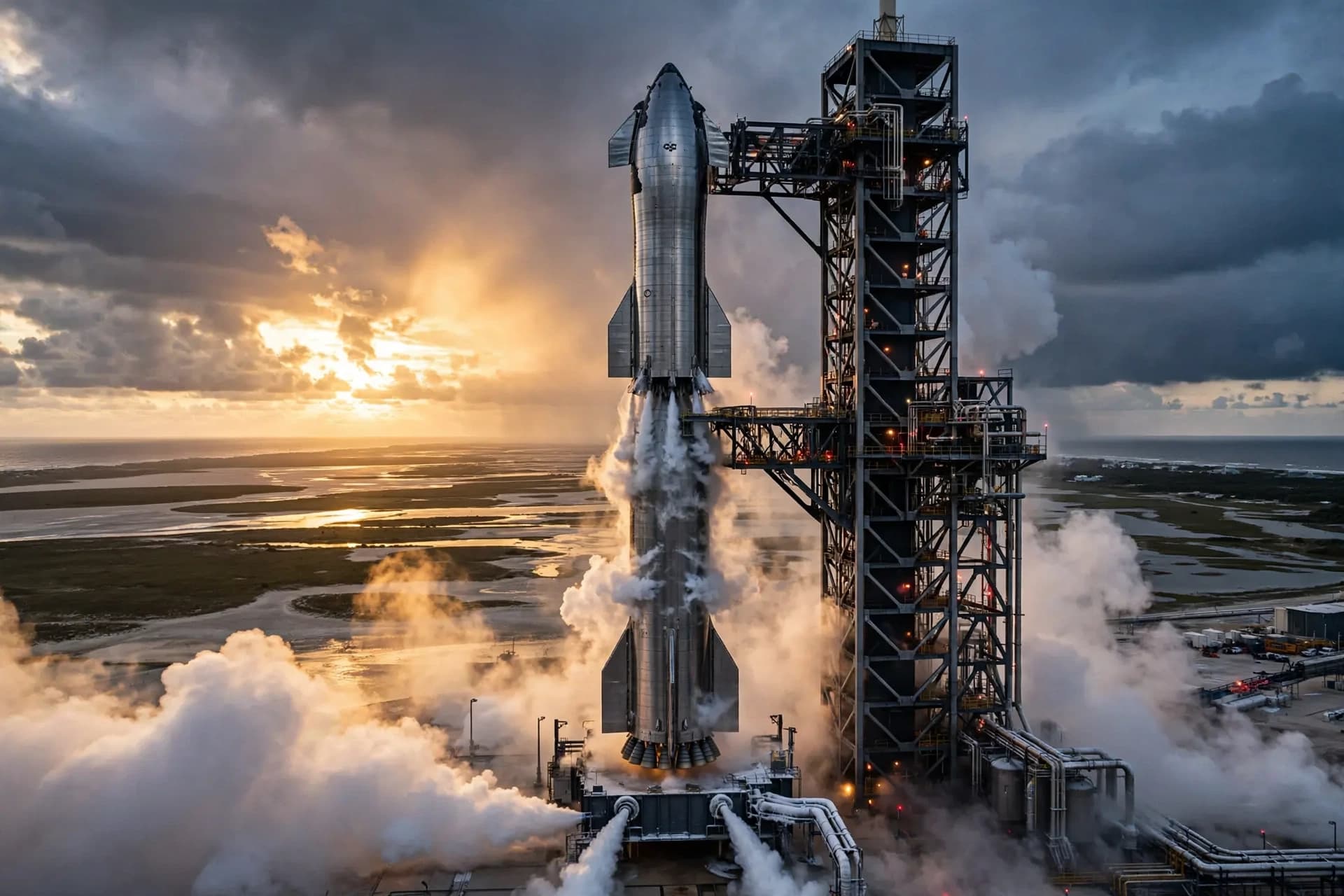
SpaceX is conducting a wet dress rehearsal for Starship Flight 14, filling the rocket with propellants to test systems before launch. This step is crucial for ensuring mission success.

SpaceX is conducting a wet dress rehearsal for Starship Flight 14, filling the rocket with propellants to test systems before launch. This step is crucial for ensuring mission success.

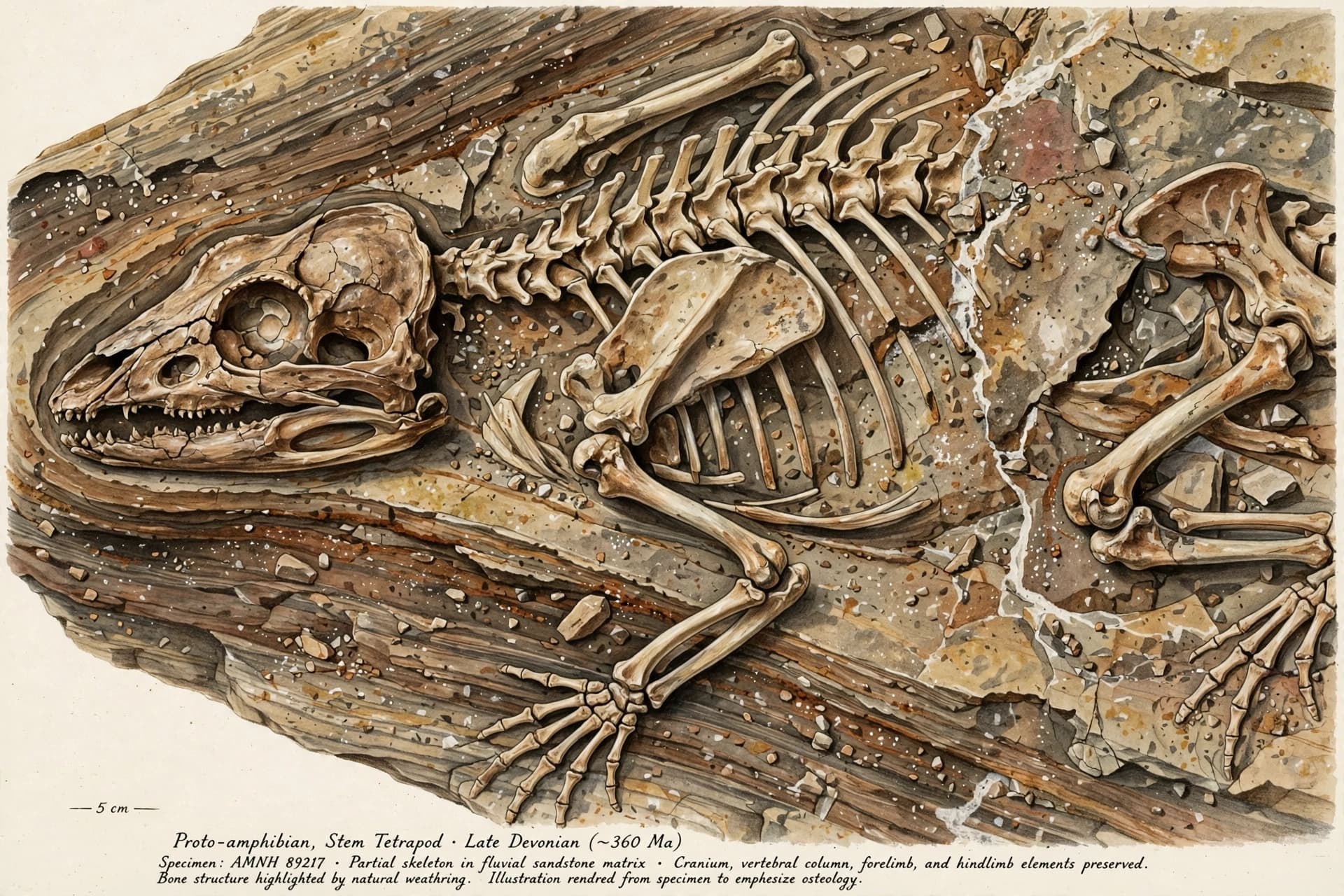
Undergraduate students described a new proto-amphibian species, Dendrerpeton matris, naming it to honor their mothers. The find adds to our understanding of vertebrate evolution.

Scientists detected radio signals from exoplanet YZ Ceti b, 63 light-years away. The signals indicate a magnetic field, offering insights into the planet’s habitability and star-planet interactions.

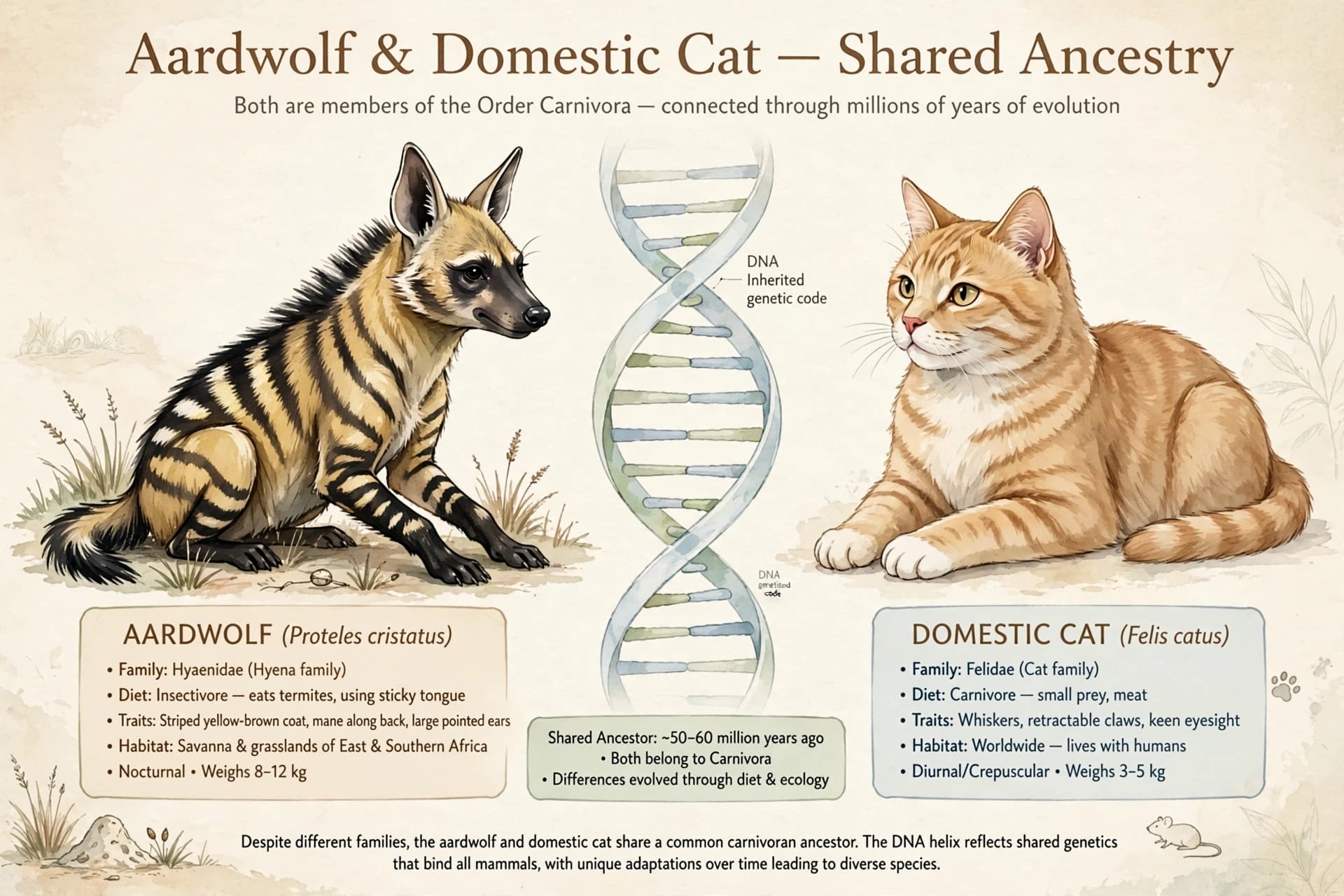
Studies reveal that aardwolves and cats share surprising chromosome similarities, indicating a stable genomic architecture since their common ancestor. This finding enhances our understanding of carnivore evolution.

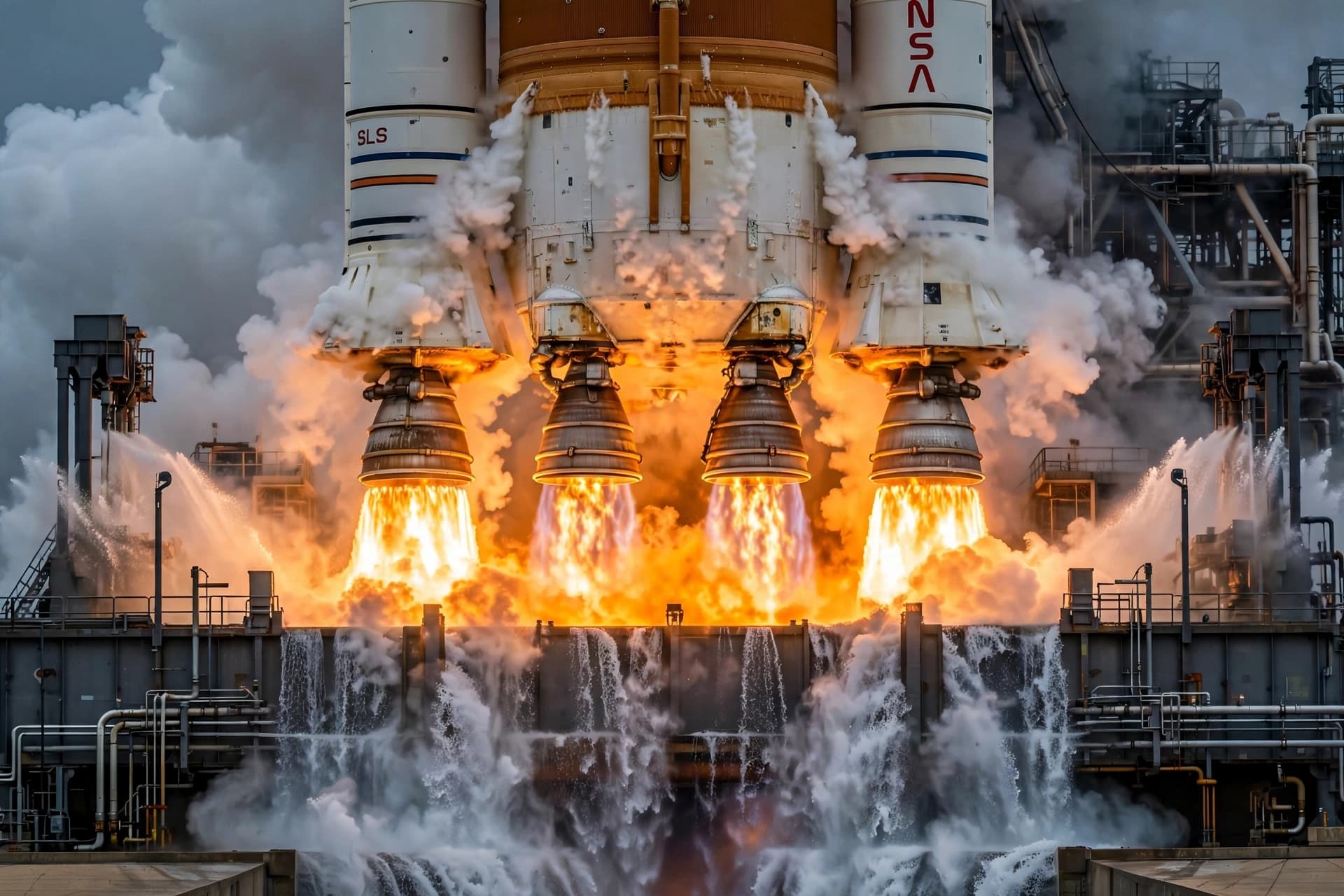
New videos of the Artemis II launch highlight the immense power of NASA’s SLS rocket. The footage captures the historic crewed mission around the Moon, showcasing engineering excellence.

Astronomers have captured a detailed view of gas giant PDS 70c forming within its protoplanetary disk. The images show accretion and potential moon formation, offering insights into planetary origins.

New research suggests that neutrino flavor oscillations may determine whether a dying massive star explodes as a supernova or collapses into a black hole. This links particle physics to stellar evolution.

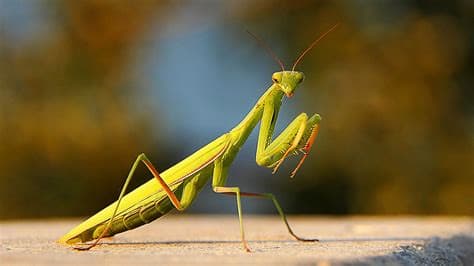
Climate change is bringing big-eyed bugs, praying mantises, and other unusual species to Britain’s shores as temperatures rise ever higher.

New research suggests Earth reached optimal conditions for the RNA world, a precursor to life, around 4.33 billion years ago, earlier than previously believed.

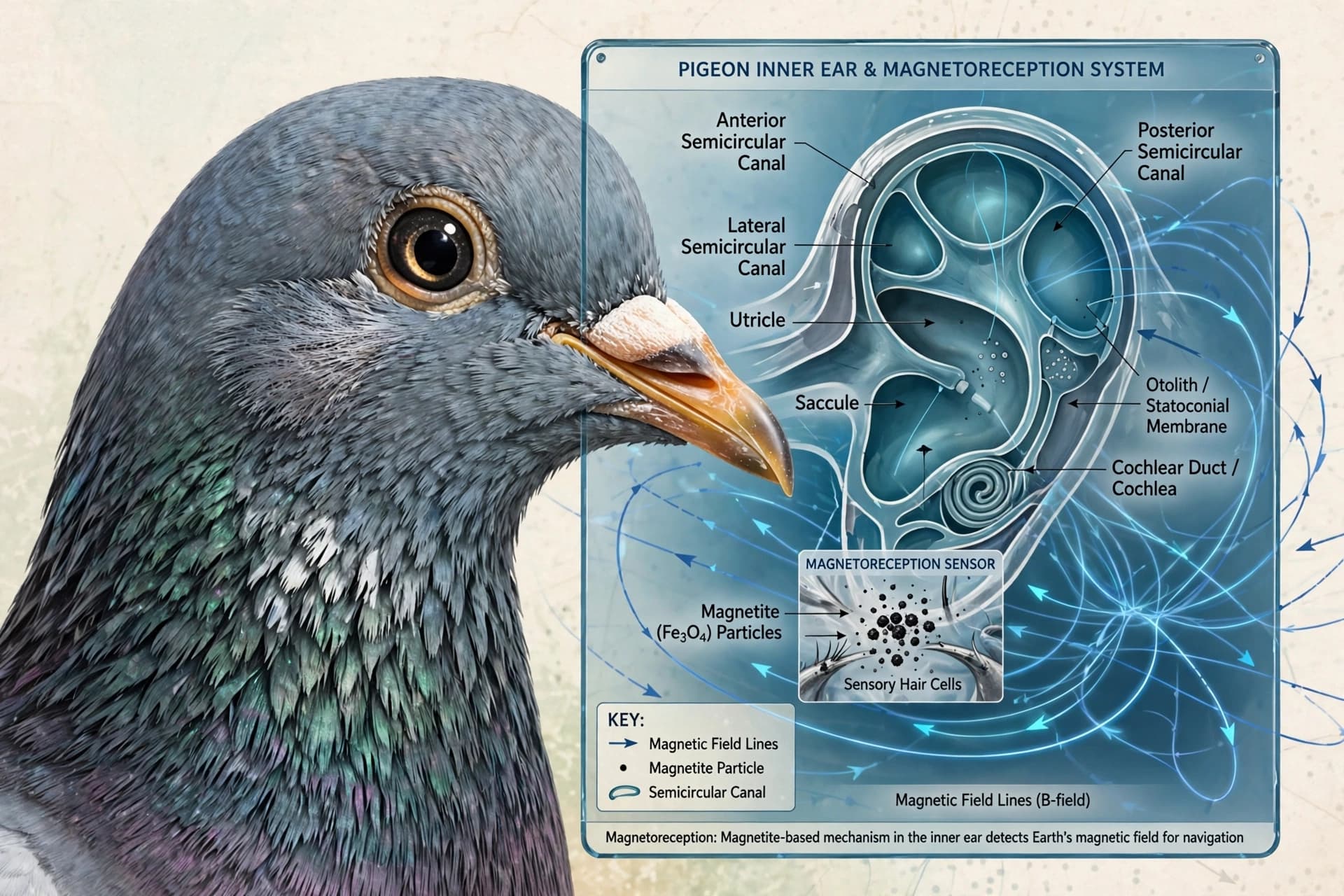
A new study suggests that electrical noise may interfere with the proposed inner-ear magnetic compass in pigeons, complicating our understanding of their navigation.

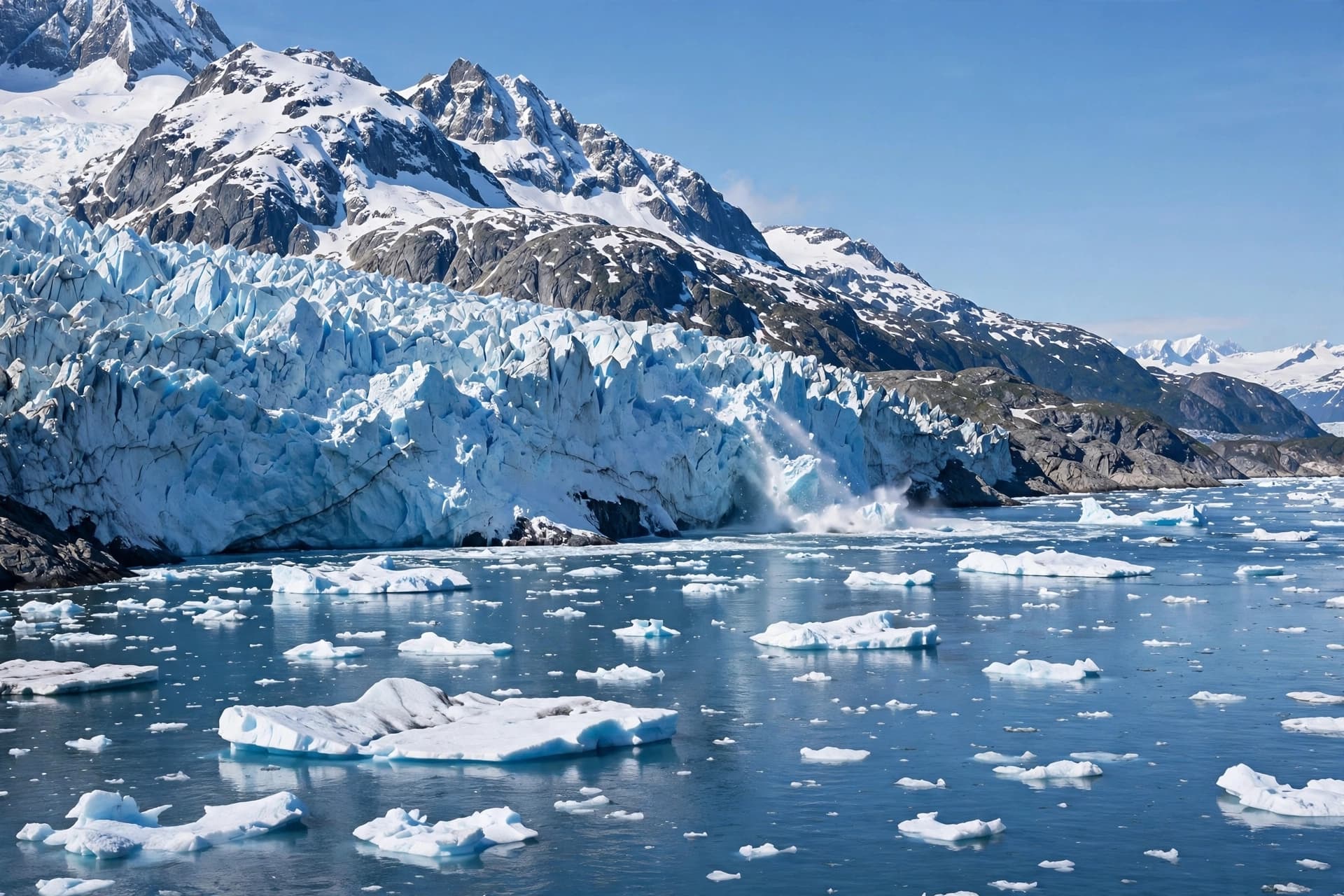
Satellite data from 1979 to 2026 shows Greenland and Antarctica have lost 12.5 trillion tons of ice, raising global sea levels by 1.2 inches.

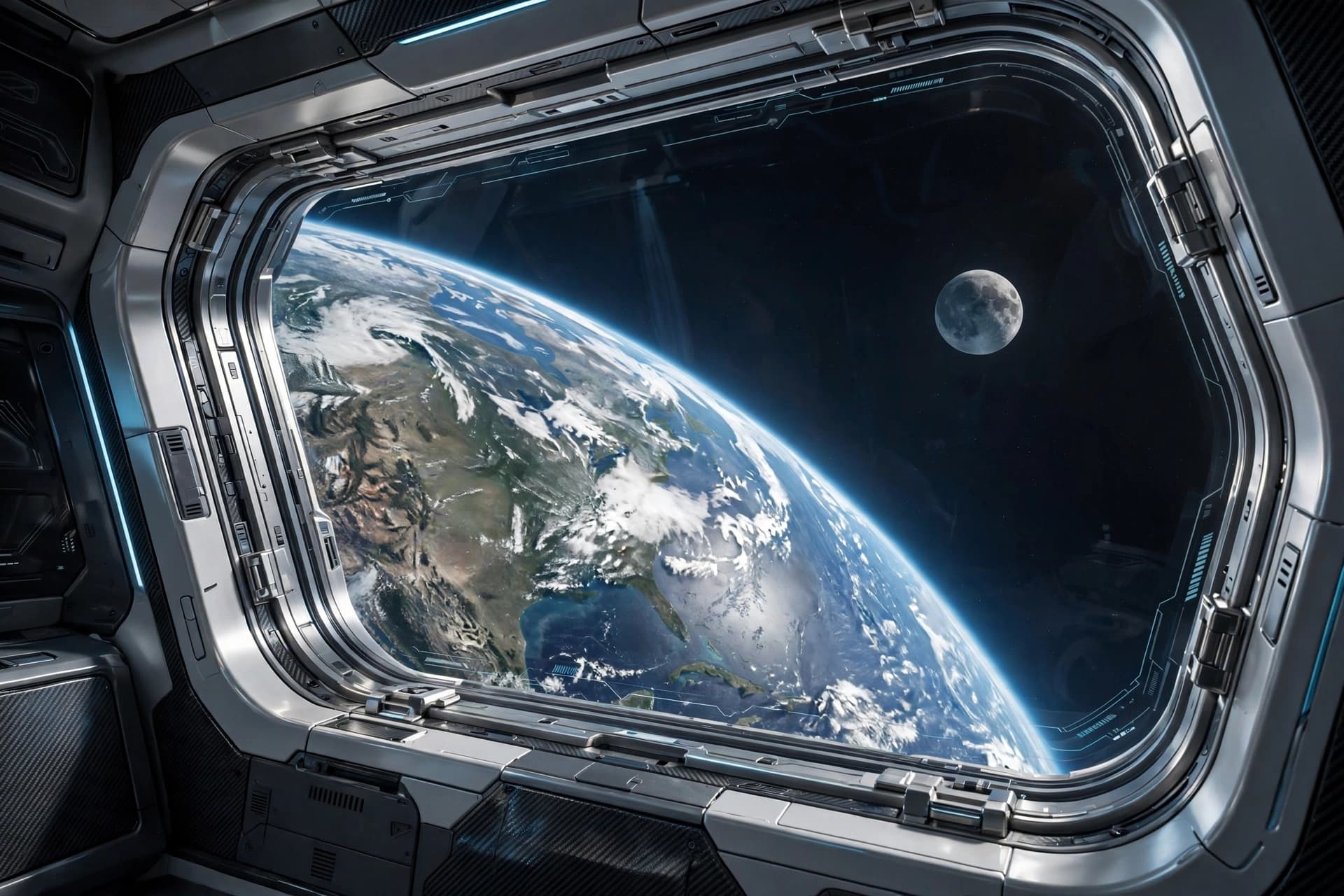
NASA is developing safer, acrylic-based windows for next-generation spacecraft like Orion to improve durability and protect astronauts from space hazards.

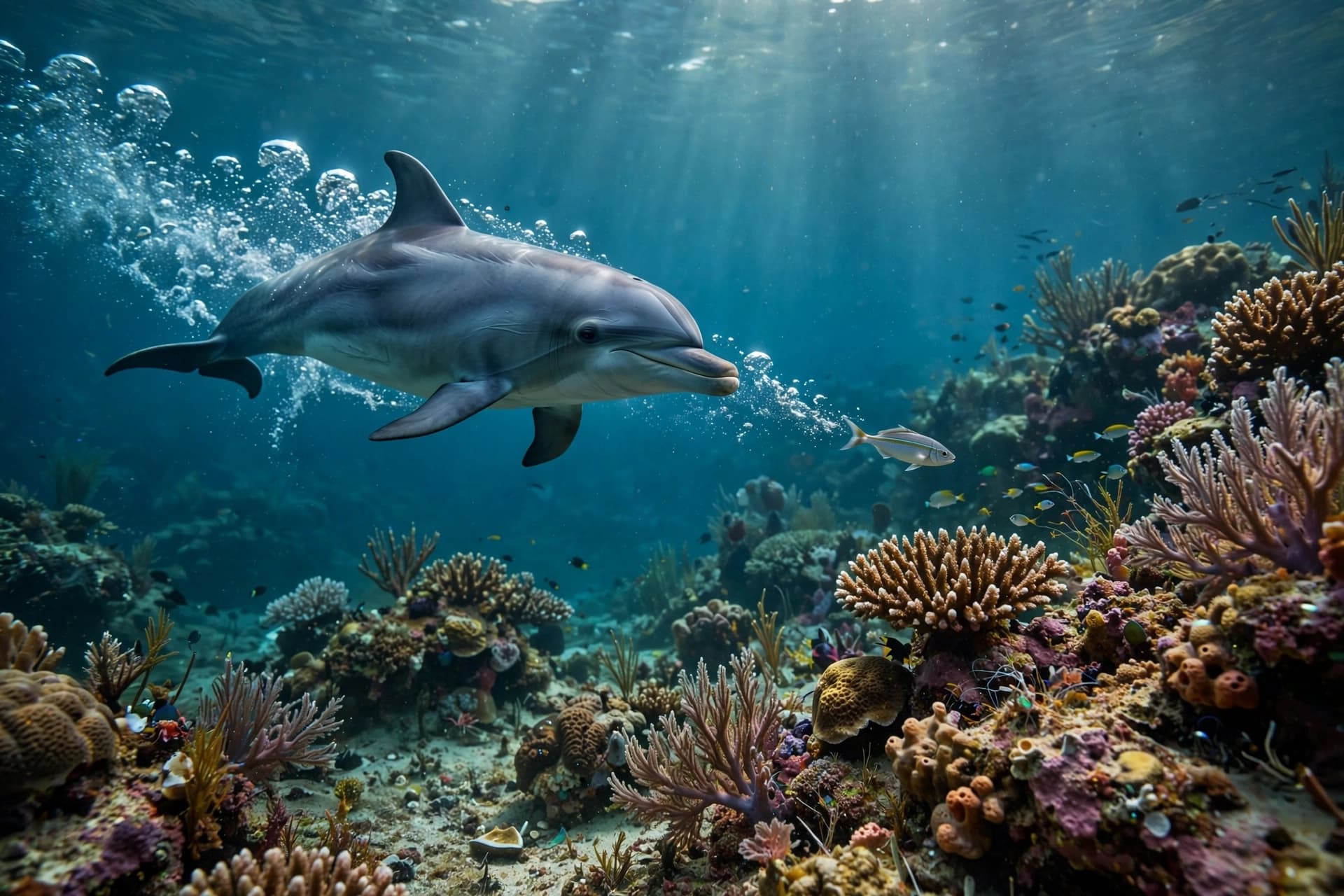
Bubbles, a bottlenose dolphin in Australia, chases fish until they vomit from stress, then eats the regurgitated meal, showcasing a rare form of kleptoparasitism.

An ancient wall discovered beneath the Hotel Lutetia in Paris may confirm the city’s Roman origins, offering new insights into the development of Lutetia.

President Donald Trump will attend the Tennessee vs. Texas college football game in Knoxville, adding a political dimension to the high-profile matchup.

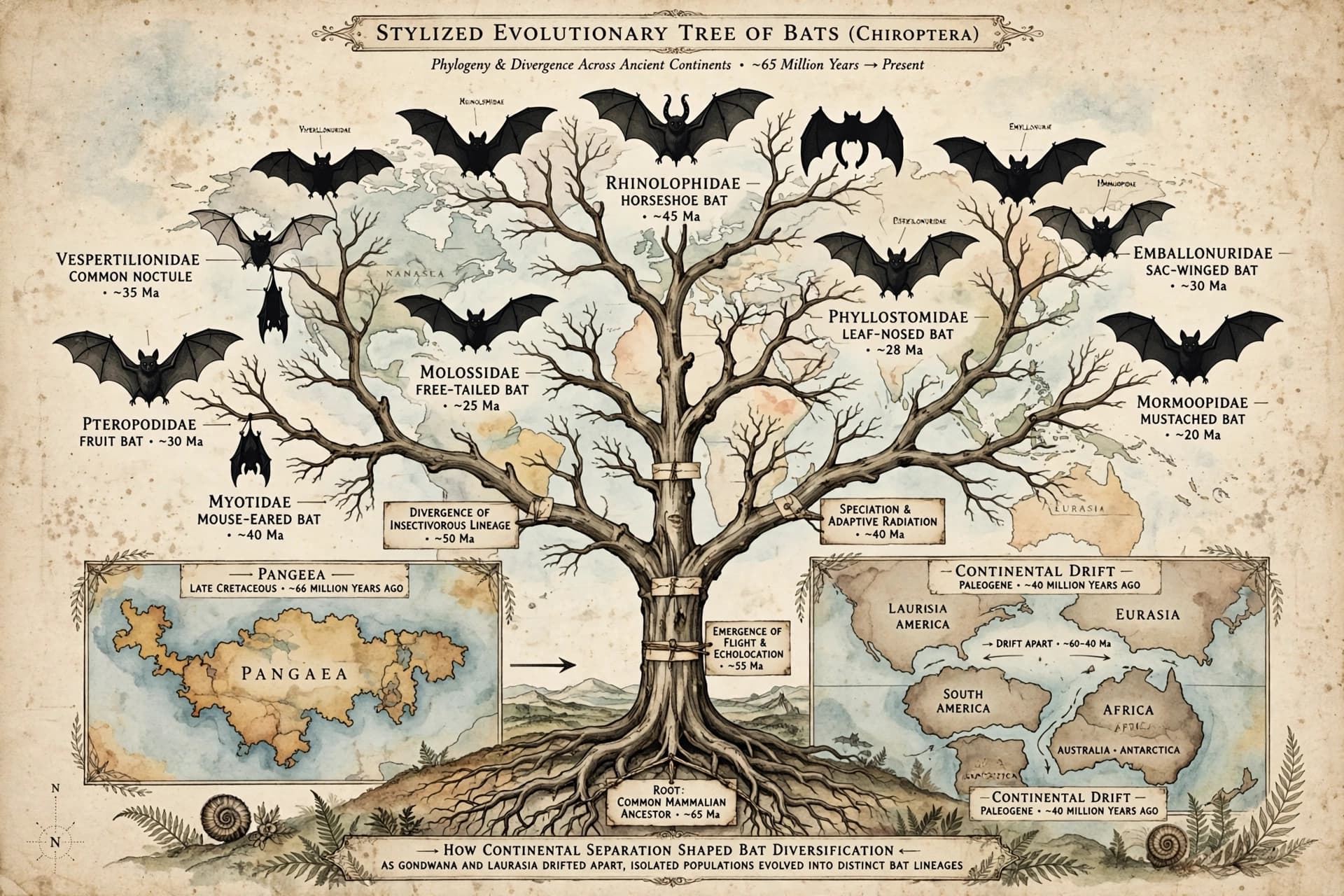
New reference genomes and fossil evidence have revised the phylogeny and biogeography of bats, clarifying their evolutionary relationships and global dispersal.

Medical experts clarify that the risk of Toxoplasma gondii from indoor cats is minimal, correcting misconceptions that often lead to unnecessary pet rehoming during pregnancy.

Health officials warn of possible measles exposure at Busch Stadium and local St. Louis businesses from Sept. 12-14, urging visitors to check vaccination status.

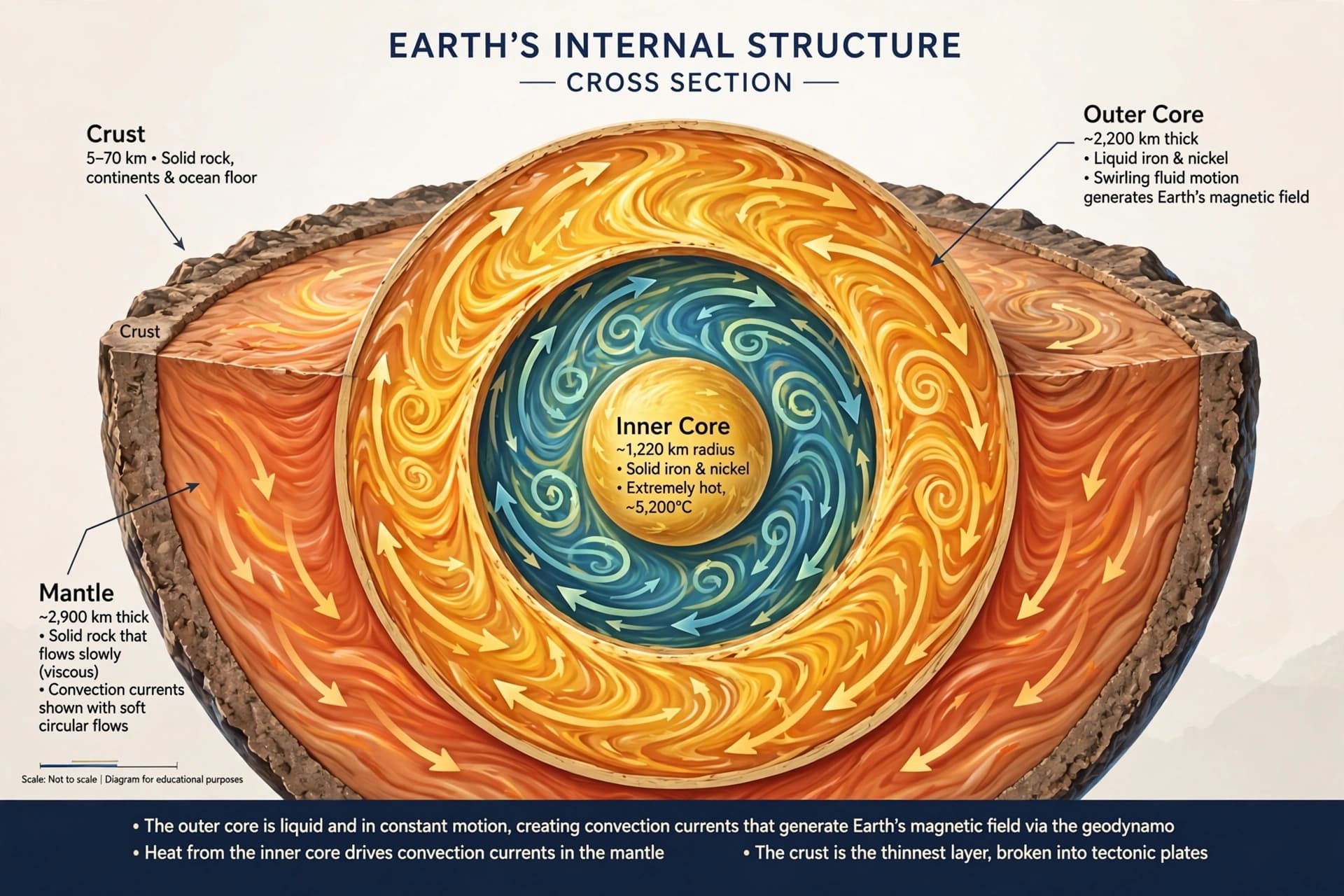
Movements in Earth’s core and mantle cause subtle fluctuations in the planet’s rotation speed, altering the length of days by milliseconds.

Researchers suggest that while biological processes may not be quantum, the mathematics used to model them shares structural similarities with quantum mechanics.

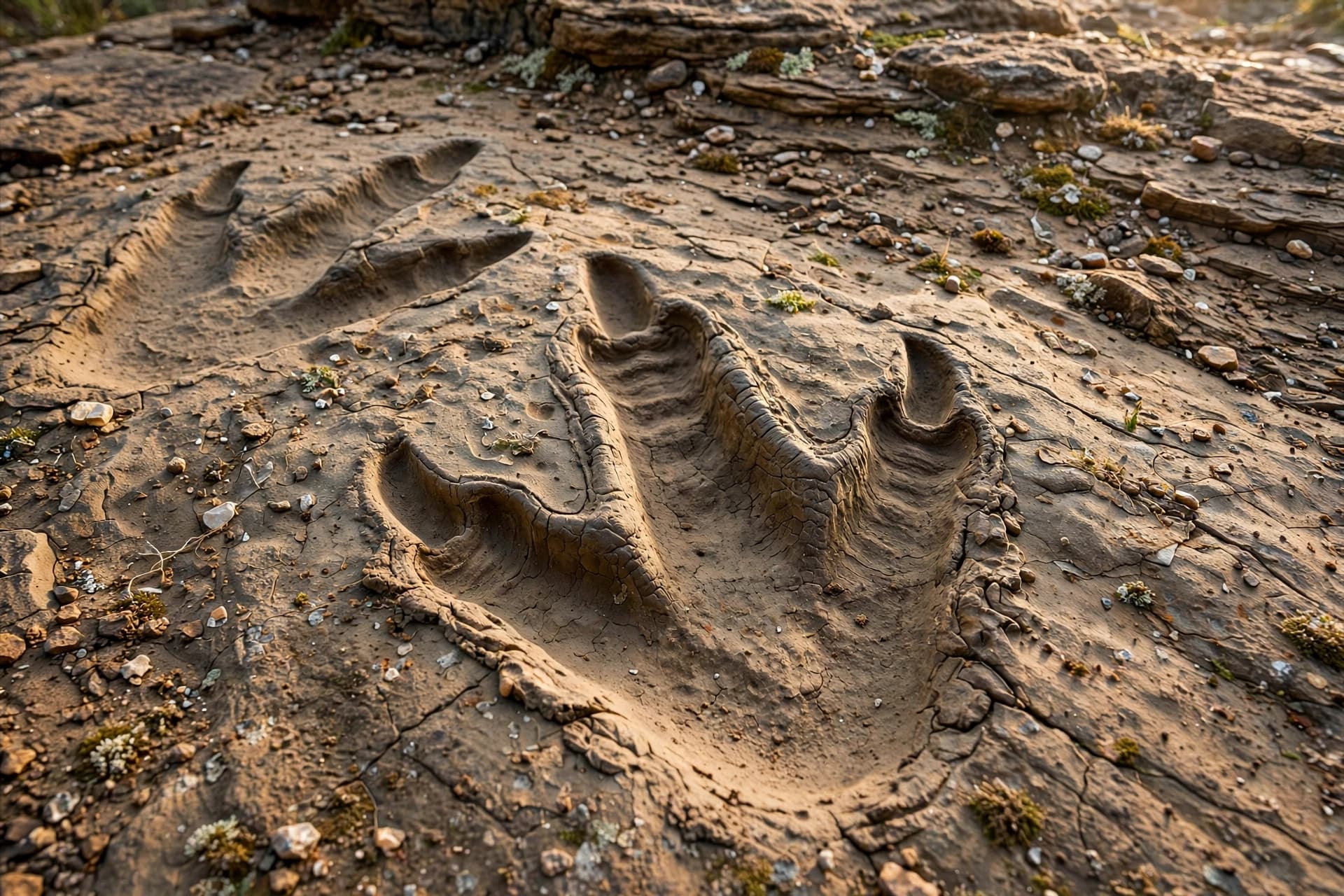
High school teacher Ryan Flannery discovered the first T. rex trackway in North Dakota, offering new insights into the movement and behavior of the iconic dinosaur.

A newly discovered rocky planet orbiting far from its red dwarf star challenges standard theories of planetary system formation and migration.

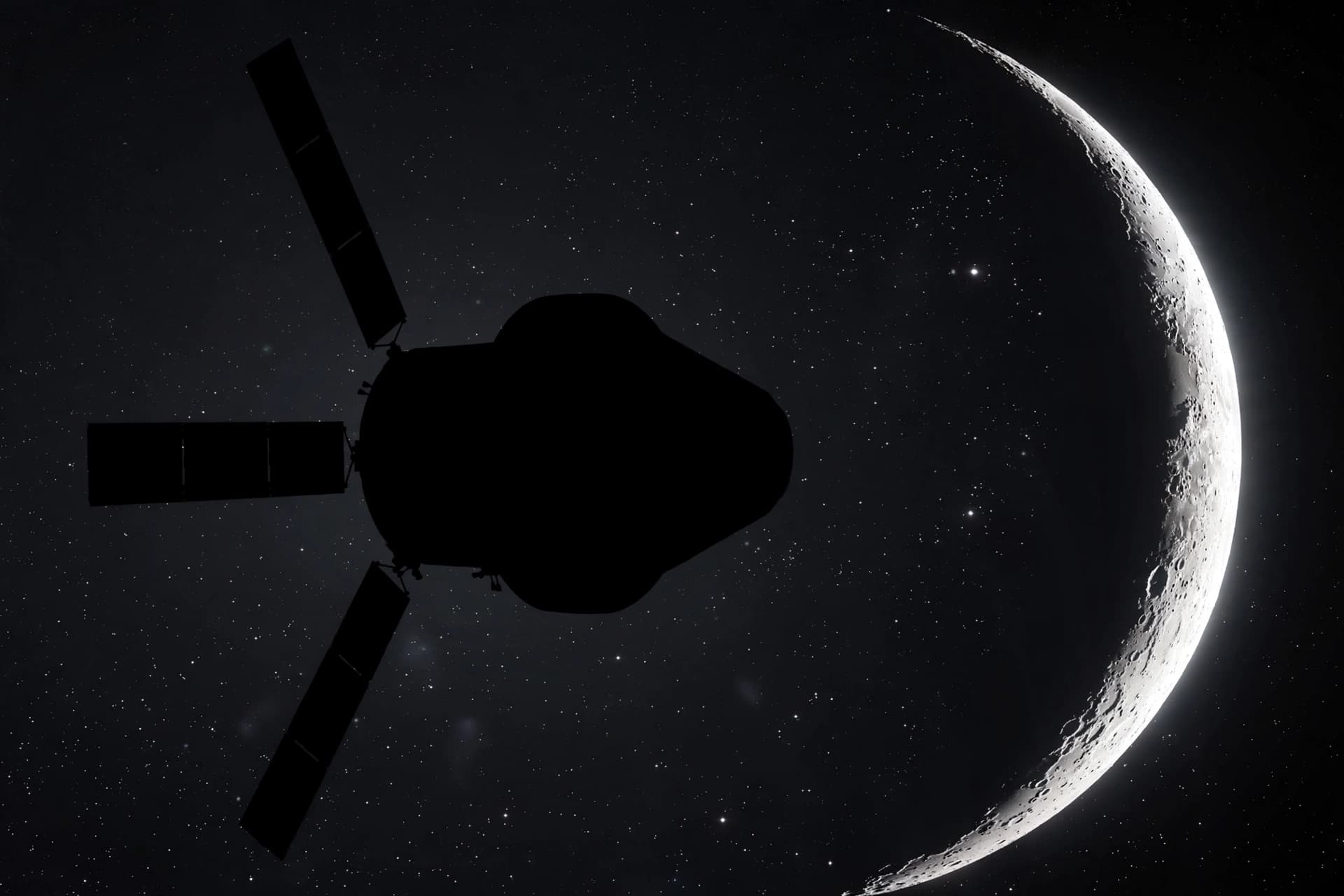
Artemis II successfully tested the Orion spacecraft’s deep space capabilities, including life support and heat shield performance, paving the way for lunar landing missions.

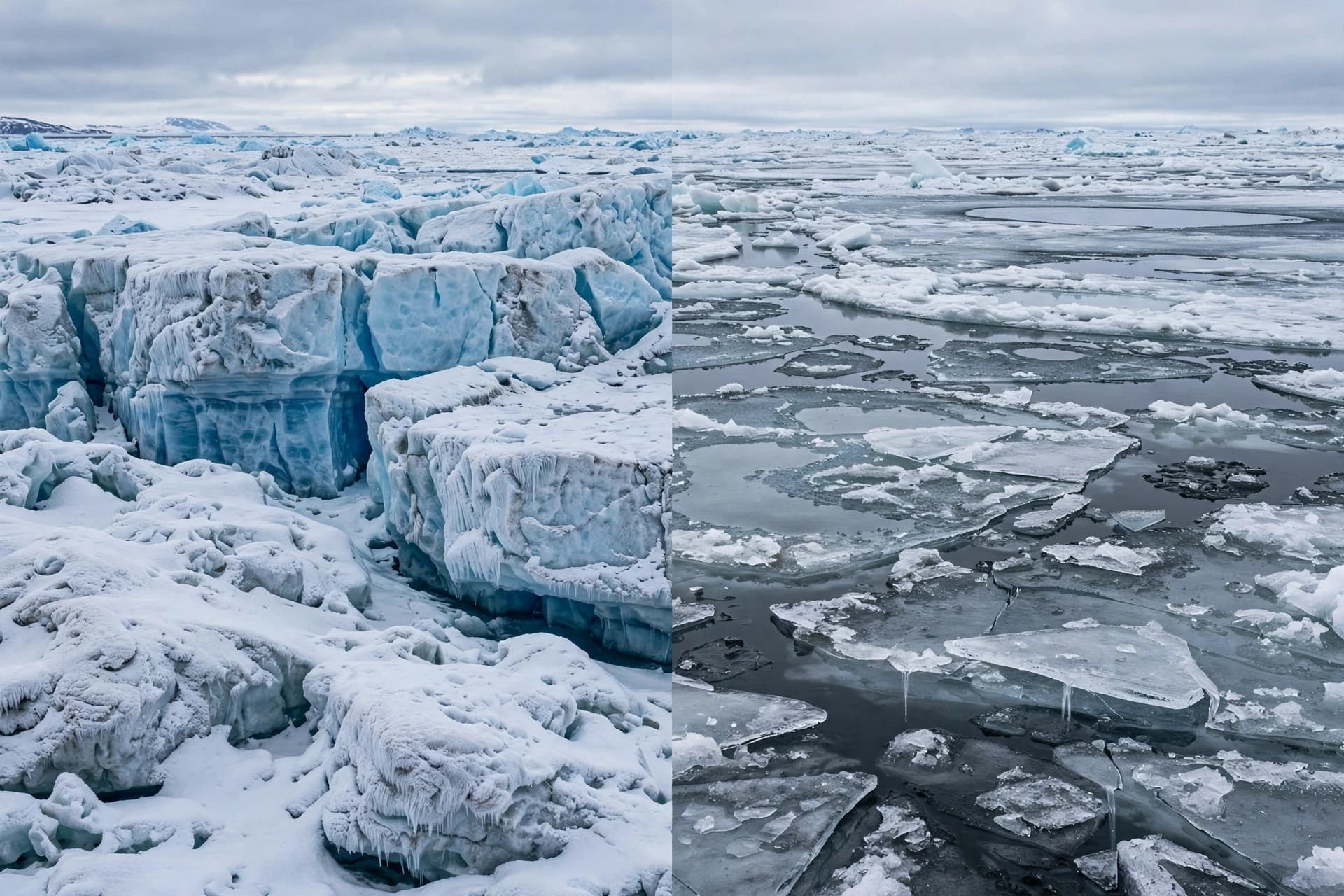
After decades of lengthening, the Arctic sea ice melt season stabilized around 2010, a shift attributed to the dominance of thinner, first-year ice.