SCIENCE81% credibility
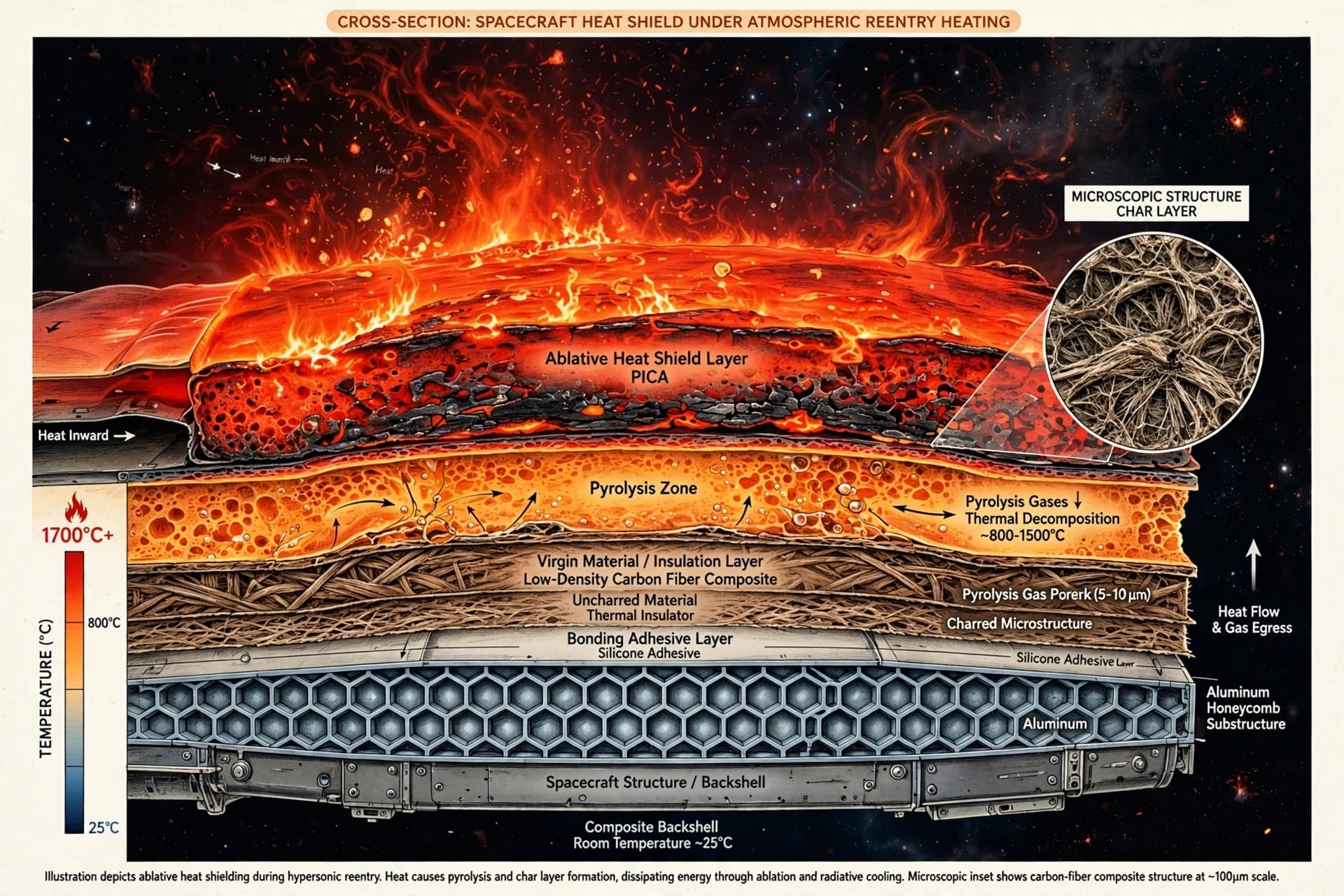
Unlocking the Hidden Life of Thermal Protection Systems
Scientists use X-ray imaging and AI to monitor heat shield degradation in real time, advancing safety and design for future spacecraft reentry missions.
2 min read

Scientists use X-ray imaging and AI to monitor heat shield degradation in real time, advancing safety and design for future spacecraft reentry missions.
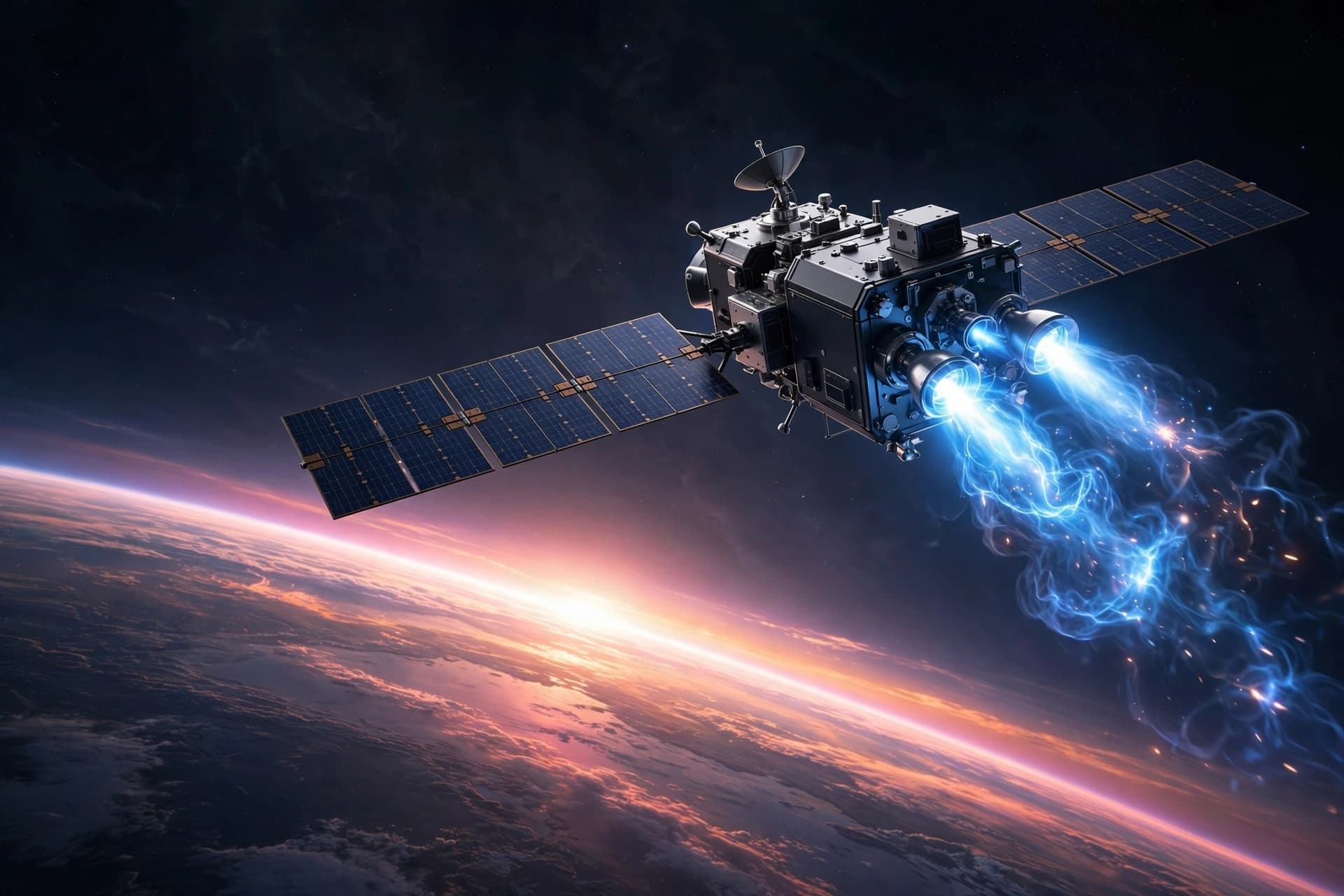
A new air-breathing plasma engine allows satellites in Very Low Earth Orbit to use atmospheric gases as fuel, potentially enabling indefinite operation and reducing space debris.
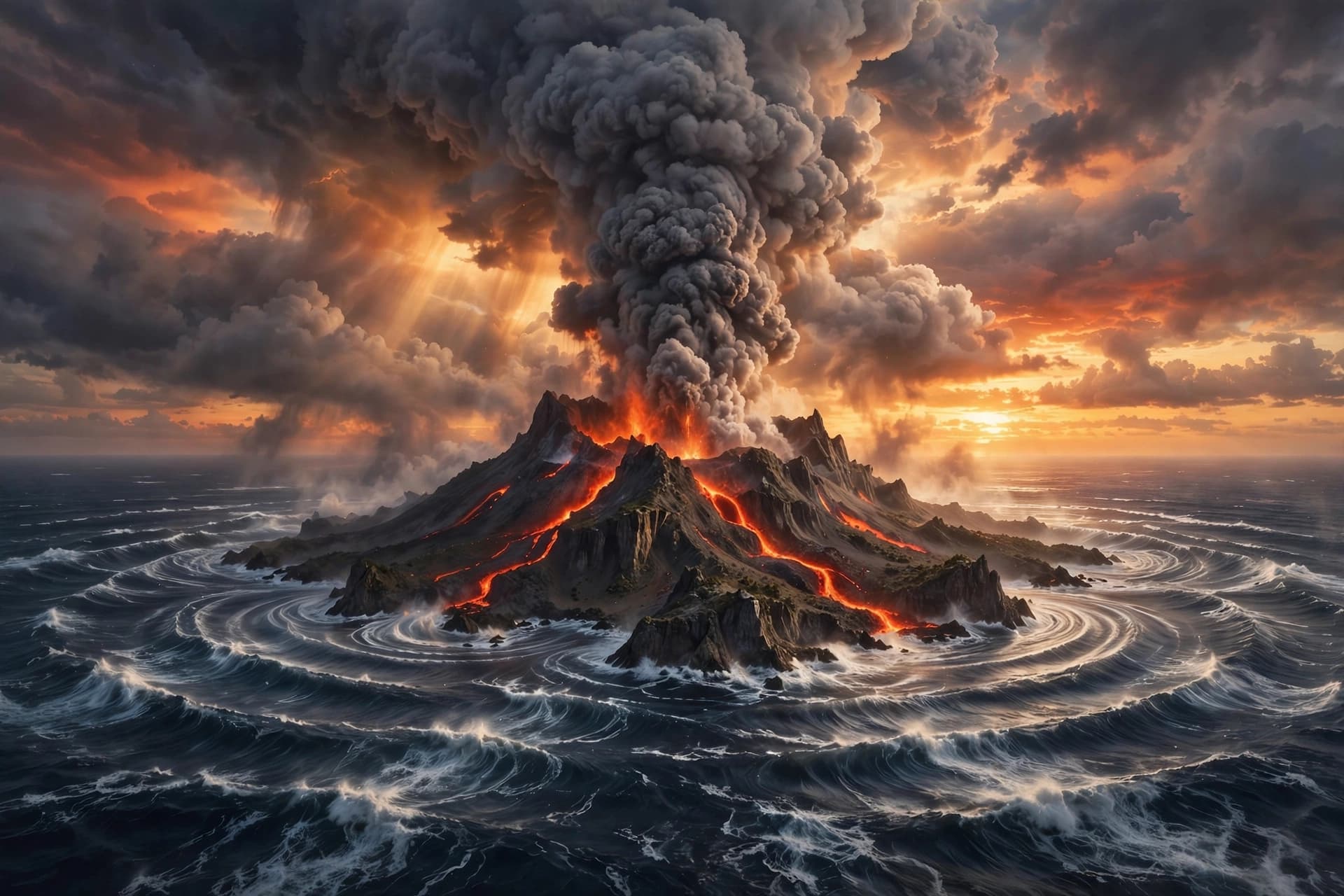
Research reveals that Tonga’s 2022 eruption generated tsunamis through a rare combination of atmospheric pressure waves and ocean displacement, changing hazard prediction models.
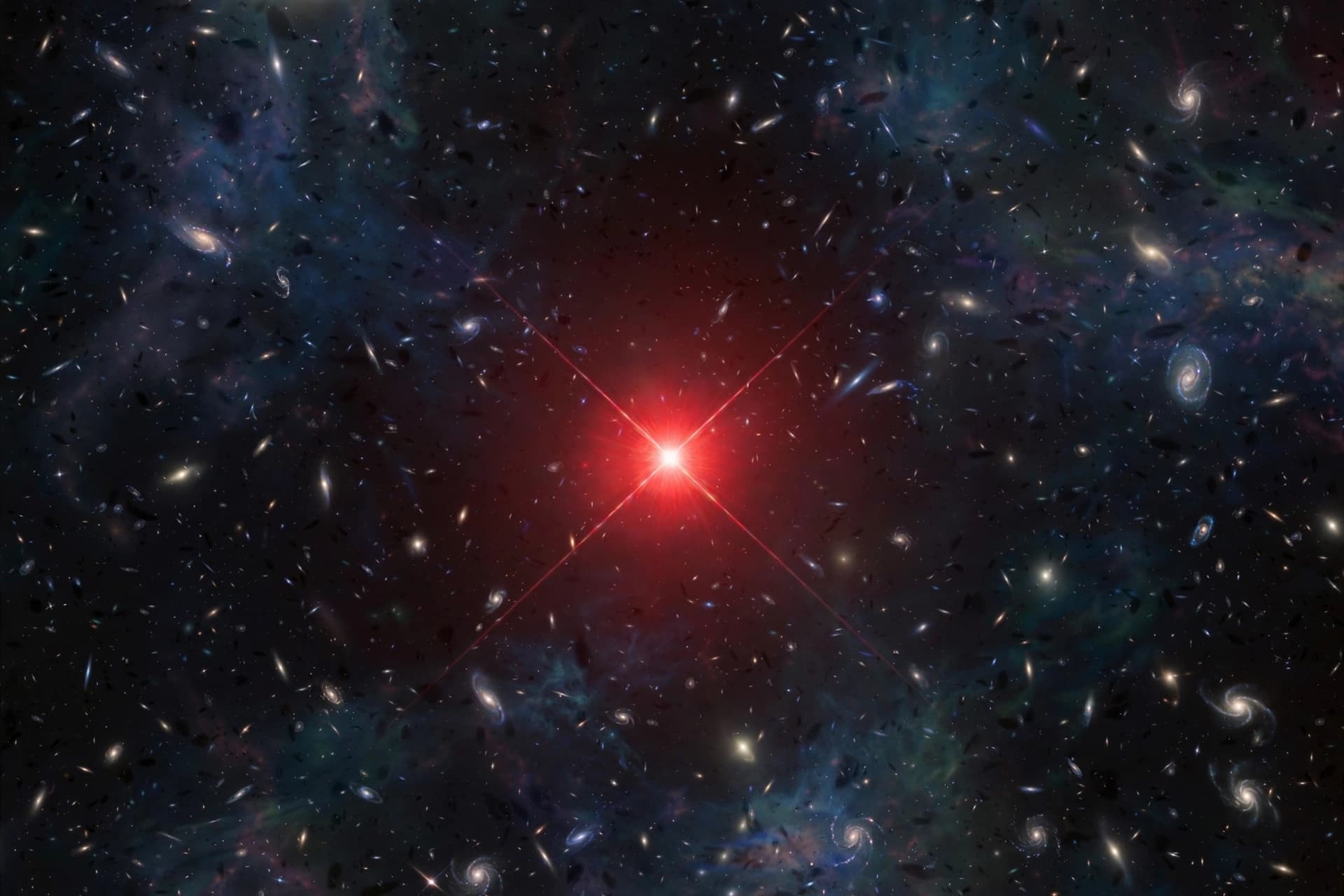
James Webb Space Telescope data reveals that a mysterious "Little Red Dot" in the early universe is likely an ancient supermassive black hole, reshaping theories of cosmic formation.
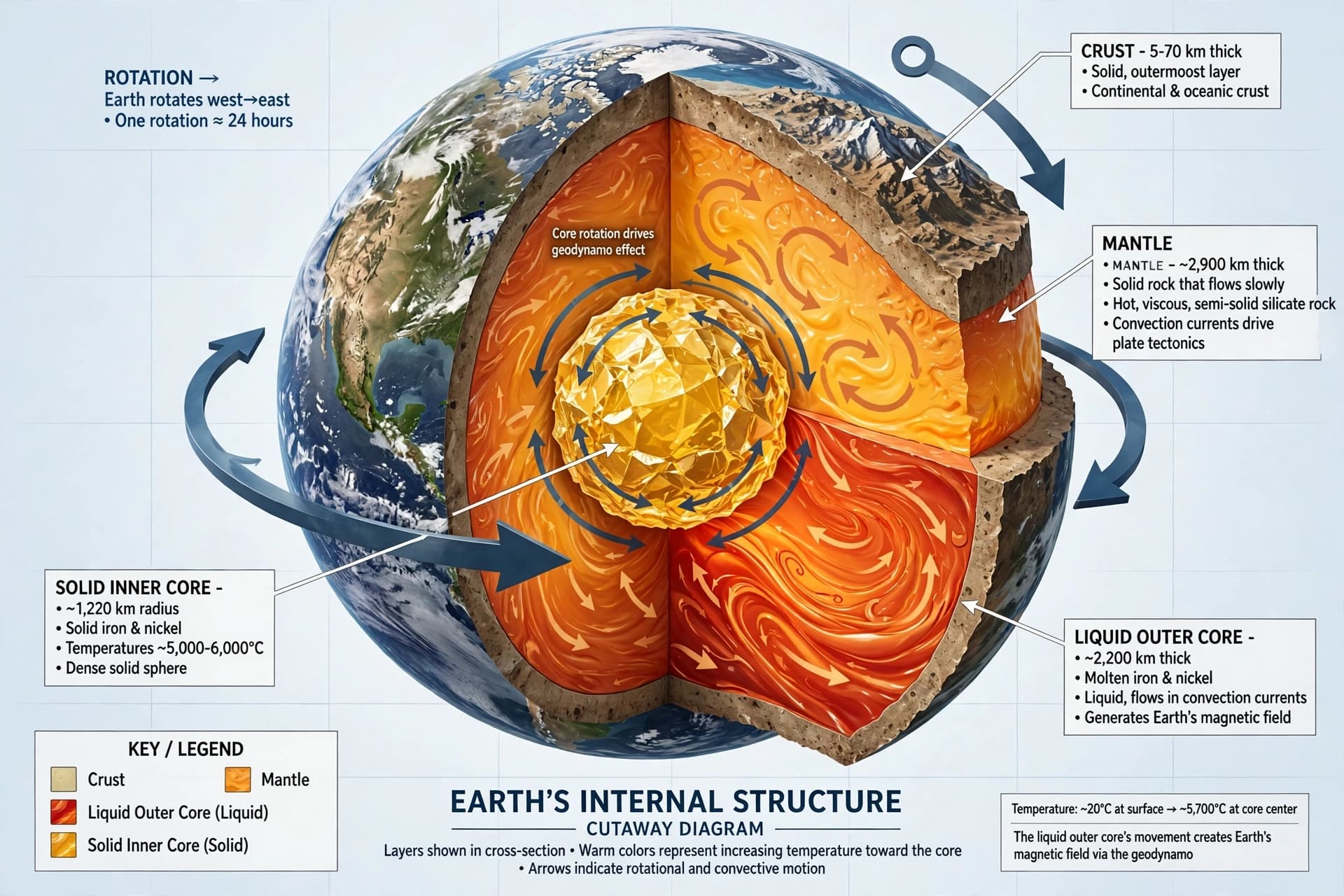
Earth’s inner core has slowed its rotation since 2010, part of a 70-year cycle that subtly changes the length of our days through gravitational interactions with the outer core.

James Webb Space Telescope observations show that early galaxies, less than 500 million years old, were already releasing heavy elements like oxygen and carbon into space.
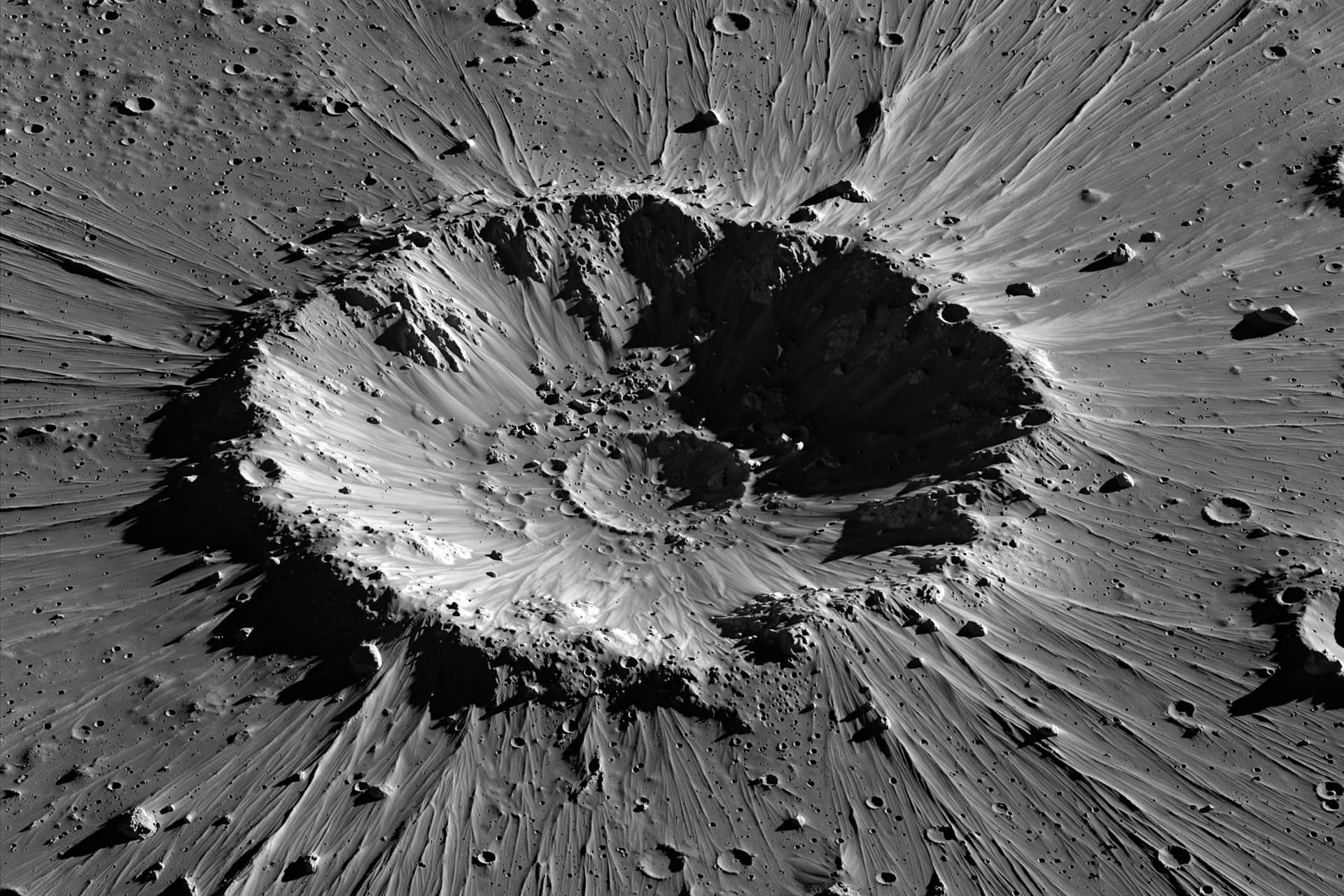
NASA’s Lunar Reconnaissance Orbiter discovered McGetchin, a 222-meter-wide crater formed in 2024, providing a rare chance to study fresh impact ejecta on the Moon.
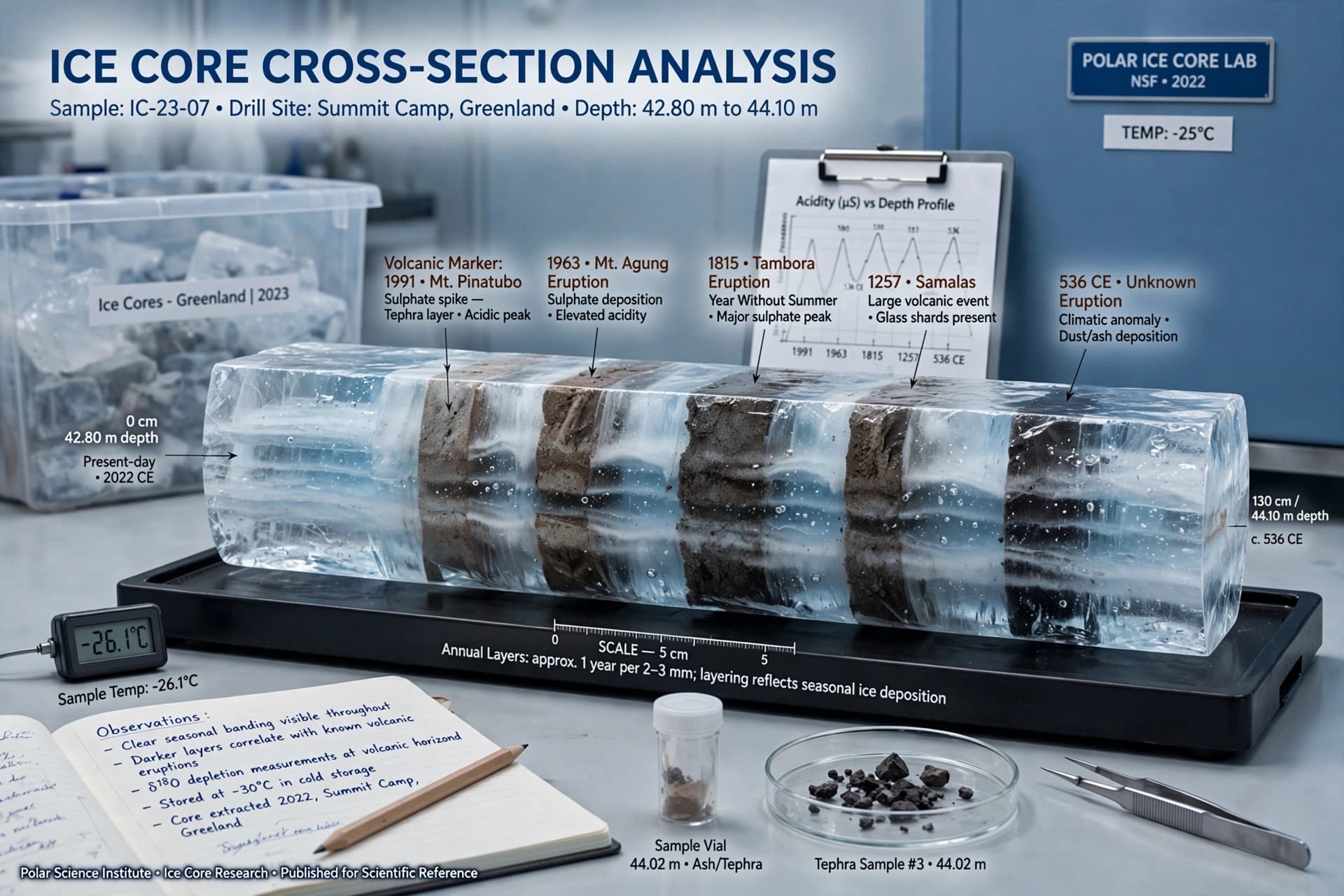
The AD 79 Vesuvius eruption provides a precise timestamp for synchronizing ice core and tree ring data, improving the accuracy of Earth’s climate and historical chronologies.

NASA’s Perseverance rover finds evidence of groundwater and hot water in Jezero Crater, suggesting a complex habitable environment that boosts the search for ancient life on Mars.
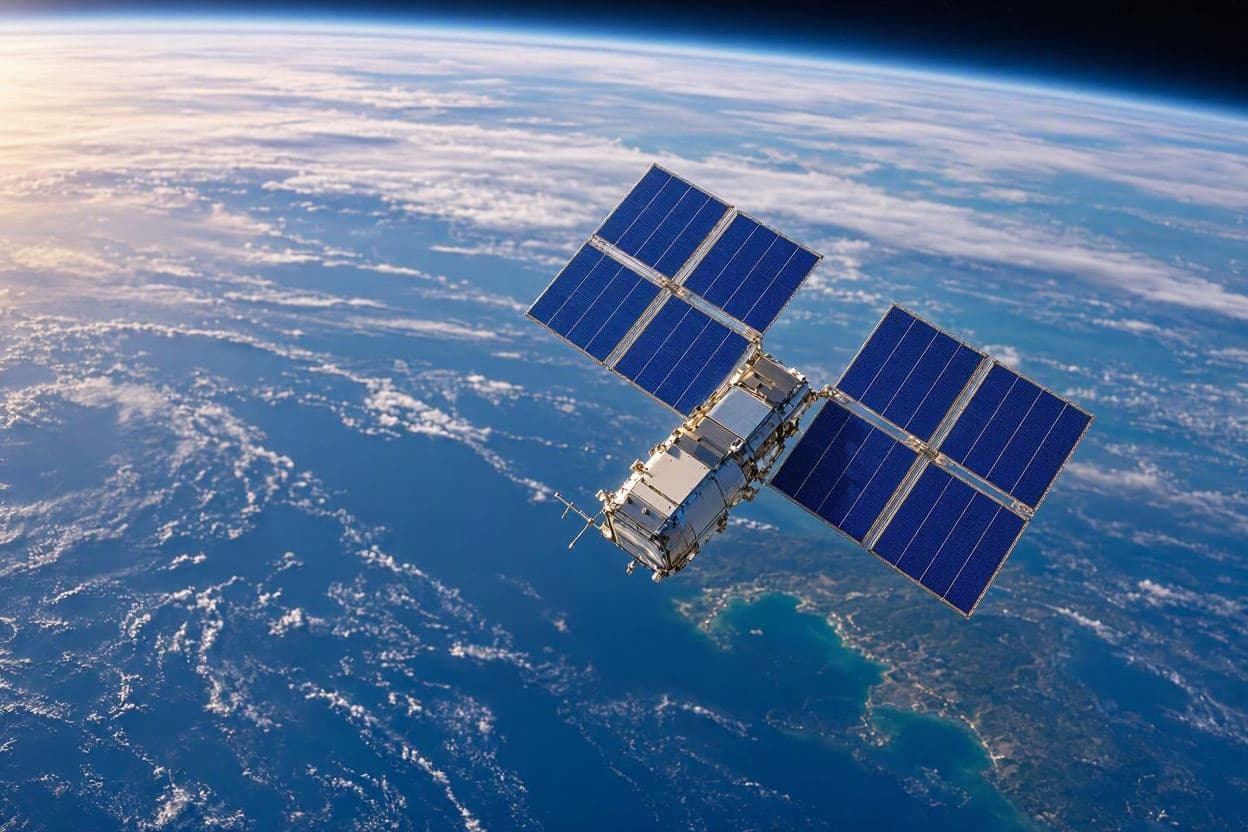
NASA's Europa Clipper will make its final Earth flyby on December 3, 2026, calibrating instruments before heading to Jupiter to study Europa's potential habitability.
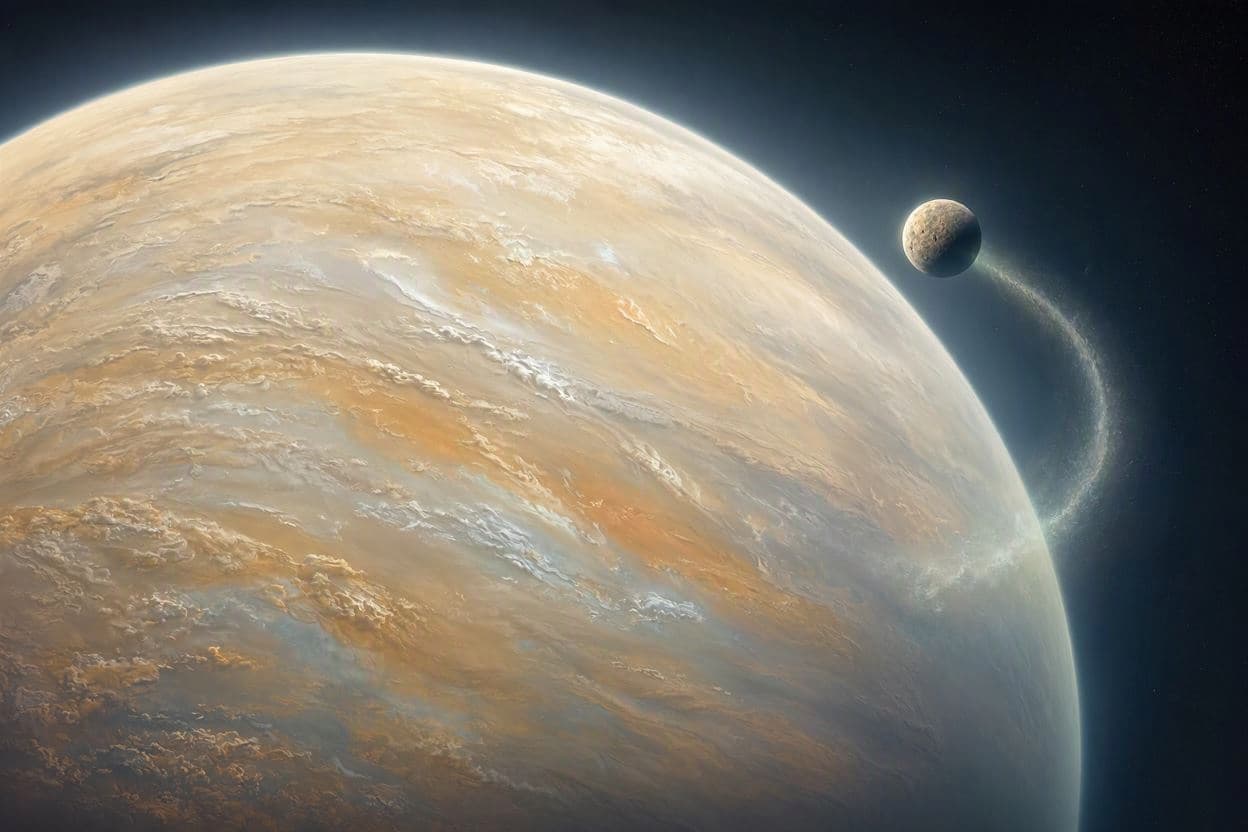
New research suggests Venus may have had a moon that spiraled inward and crashed into the planet due to its slow rotation, explaining why it has no satellite today.
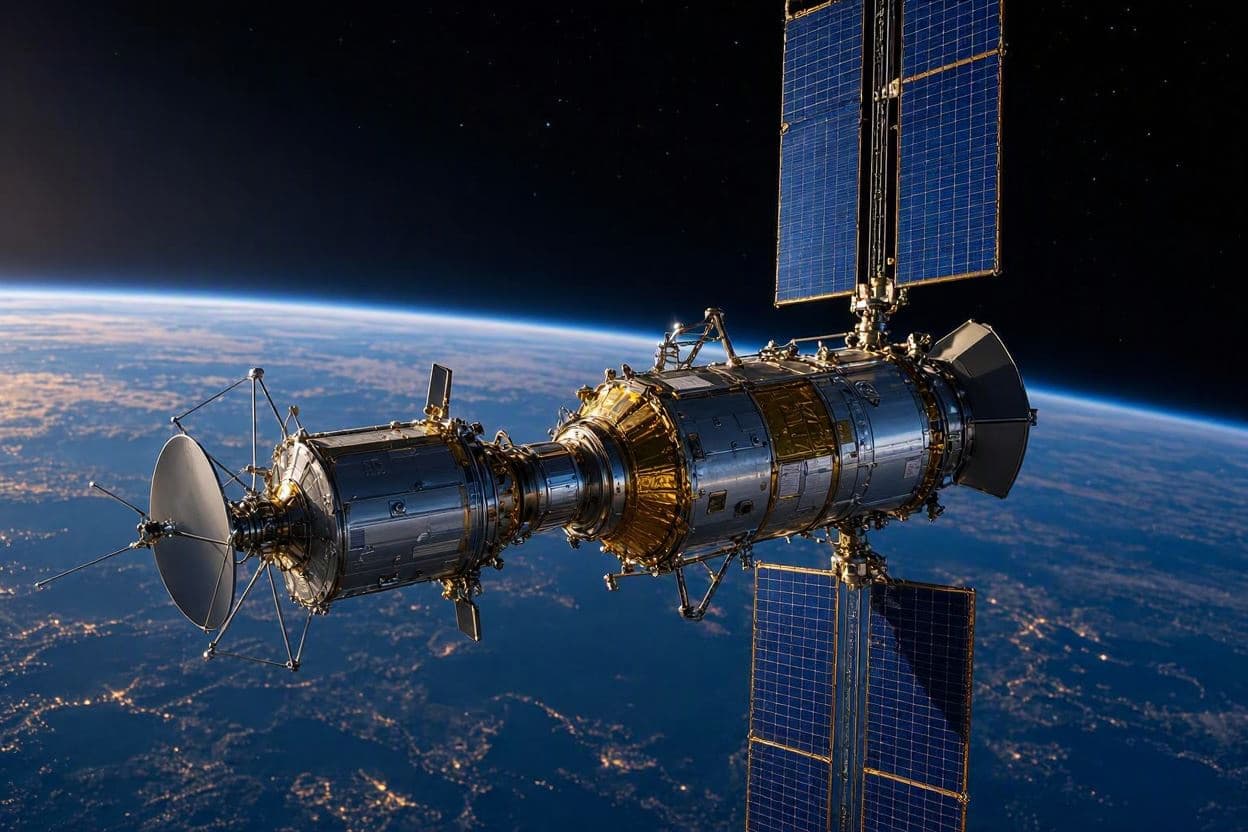
China reportedly completed the first satellite-to-satellite refueling in high Earth orbit using Shijian-21 and Shijian-25. The operation was revealed through research papers, not official statements.
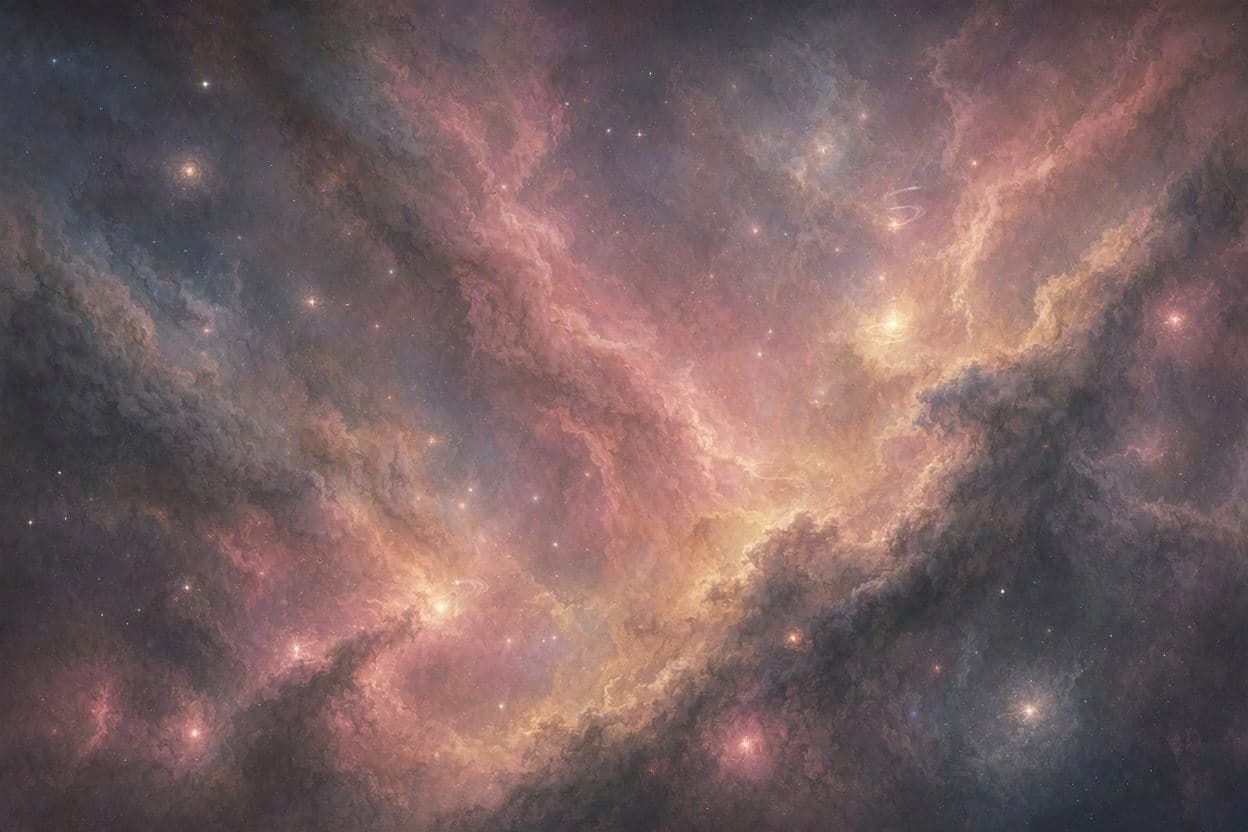
Astronomers detected ethyl formate—responsible for raspberry flavor and rum scent—in the Sagittarius B2 cloud near the Milky Way's center. The same region contains lethal propyl cyanide.
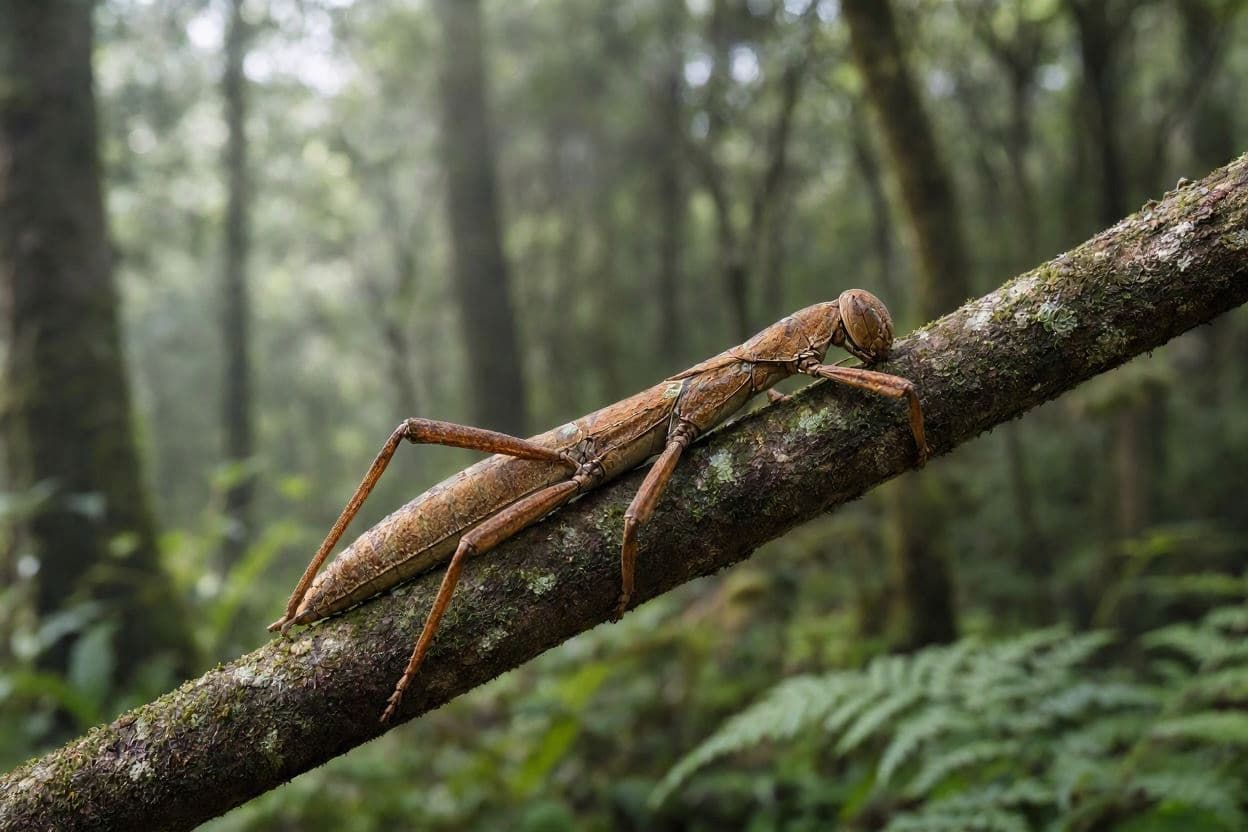
University of Sydney researchers identified two new stick insect species and reinstated a third misidentified for decades. The findings highlight Australia's undiscovered insect biodiversity.
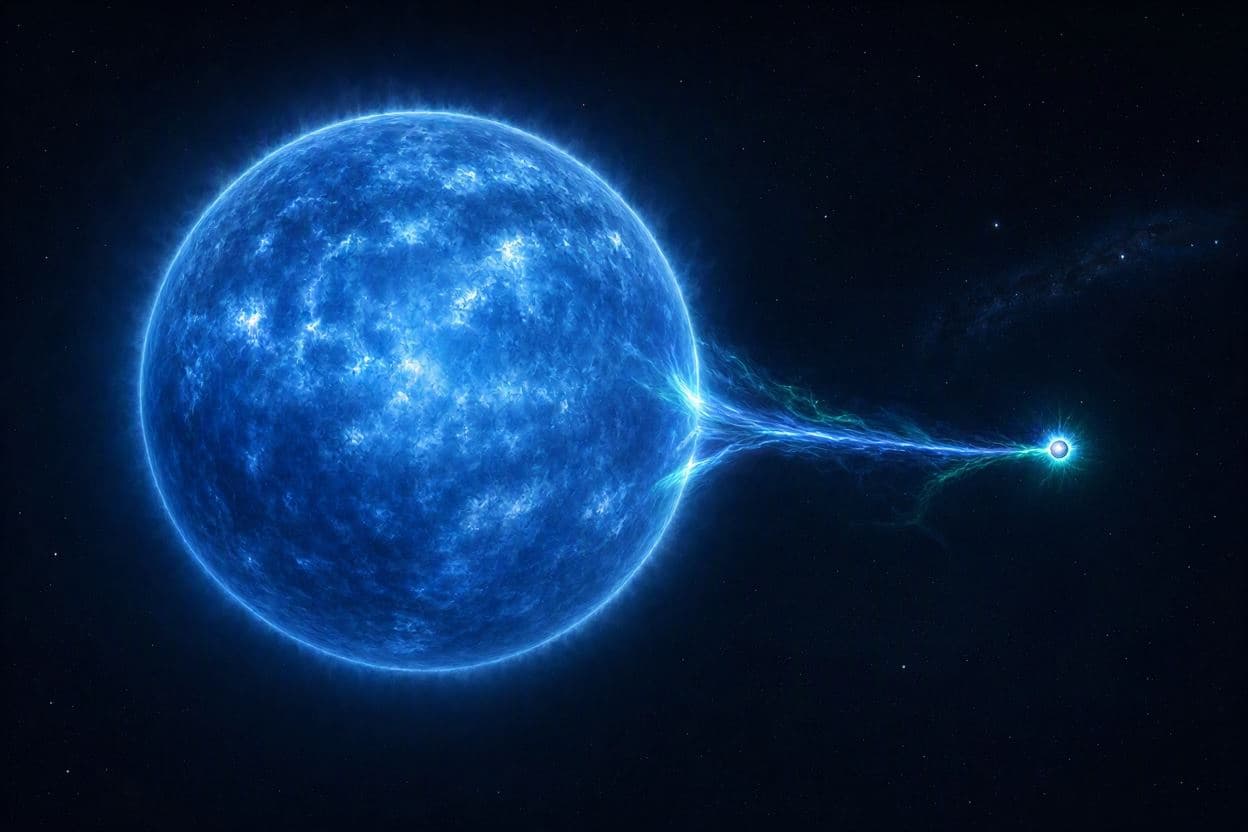
XRISM observations reveal that a neutron star in BP Crucis flares when passing through a concentrated plume of stellar wind from its hypergiant companion. Published in Science Advances.
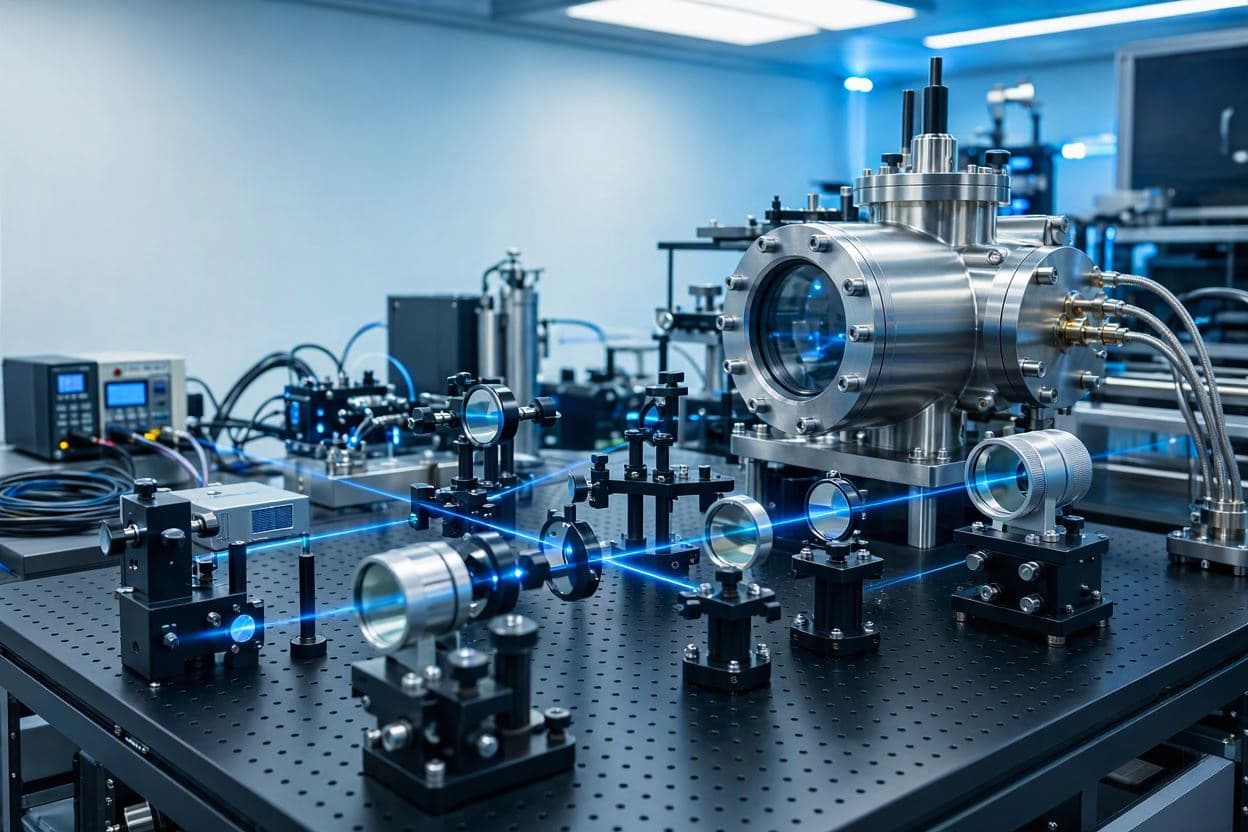
Physicists at the Max Planck Institute created record-breaking optical Schrödinger cat states using Rydberg atoms, pushing the boundary between quantum and classical physics further.
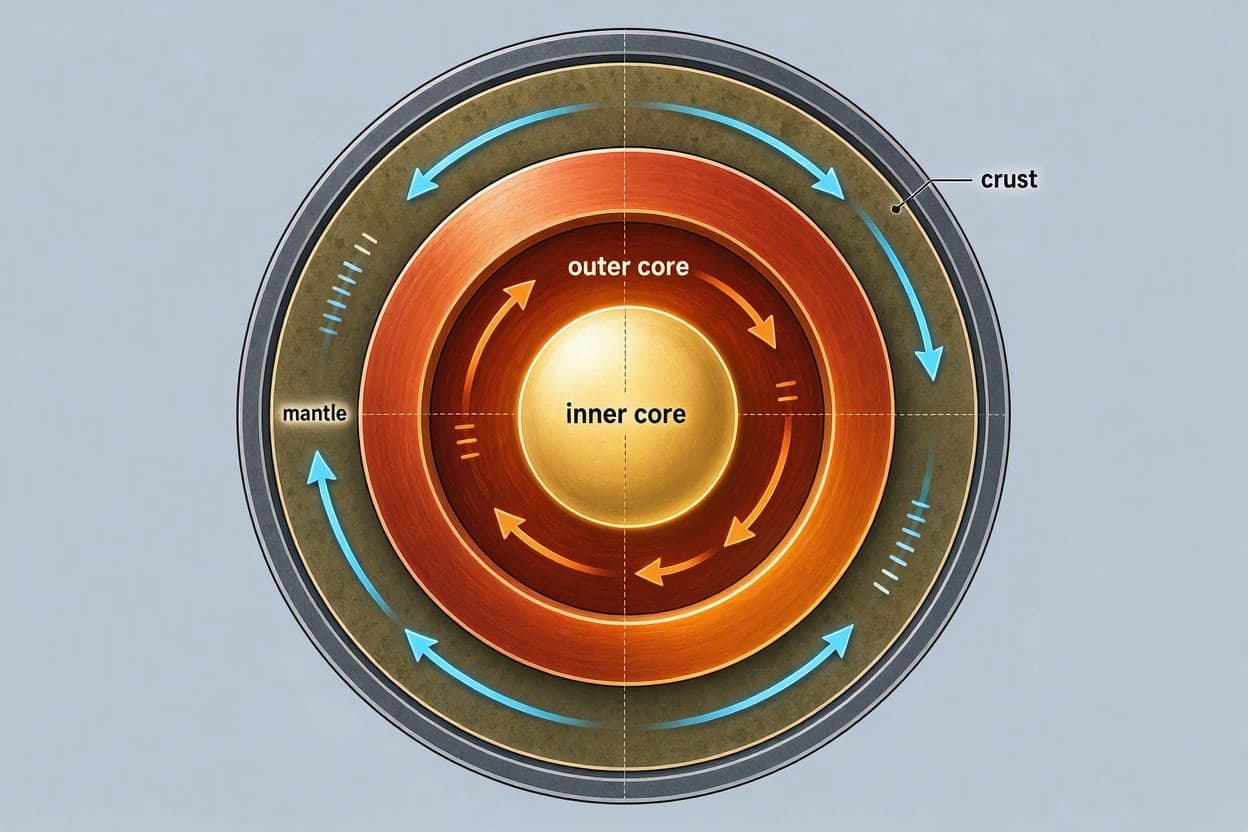
A University of Alberta study in Nature finds gravitational torque between Earth's inner core and mantle drives millisecond-scale changes in day length, offering new insight into deep planetary dynamics.

Researchers optimized soy protein–gellan gum films using statistical modeling and ultrasonic treatment, achieving stronger, less permeable biodegradable packaging materials.
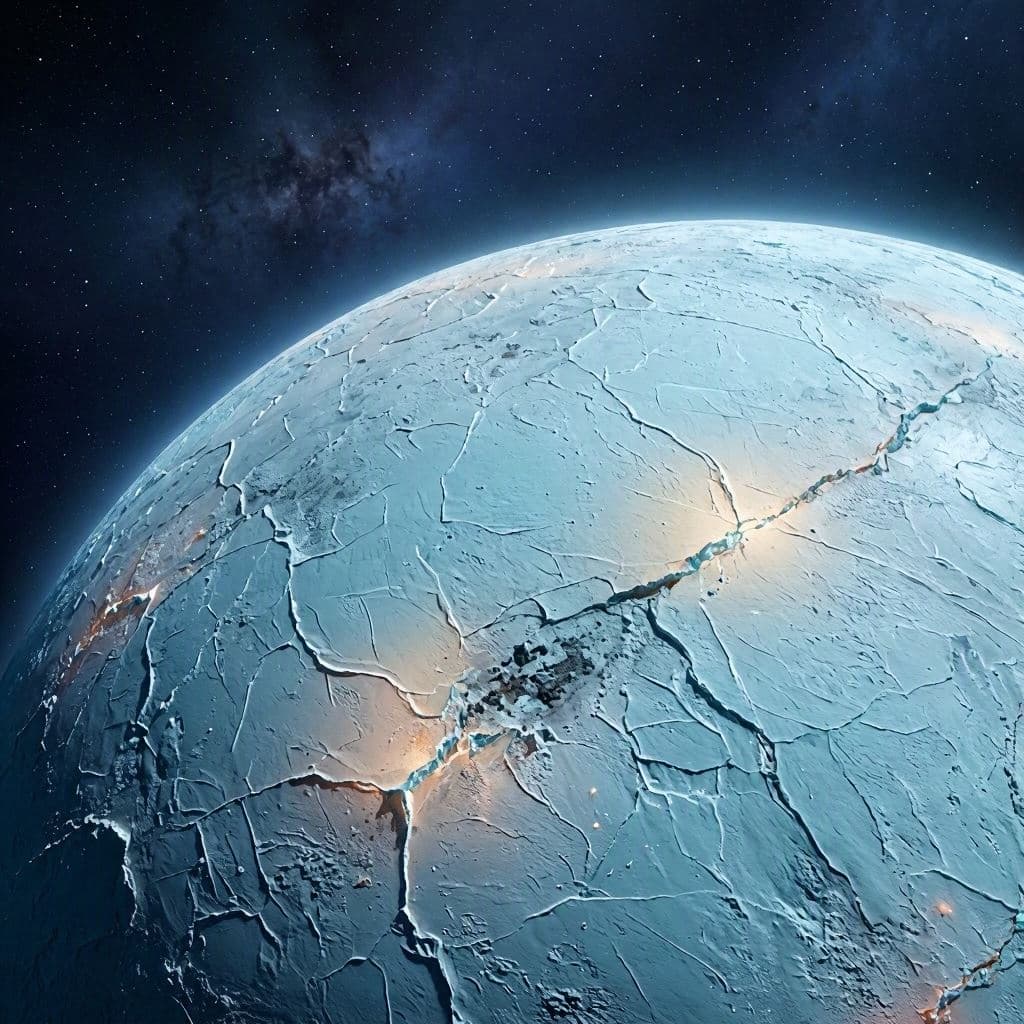
Simulations show large icy moons can retain subsurface oceans through catastrophic collisions, while smaller moons may lose theirs. The findings inform the search for habitable worlds.
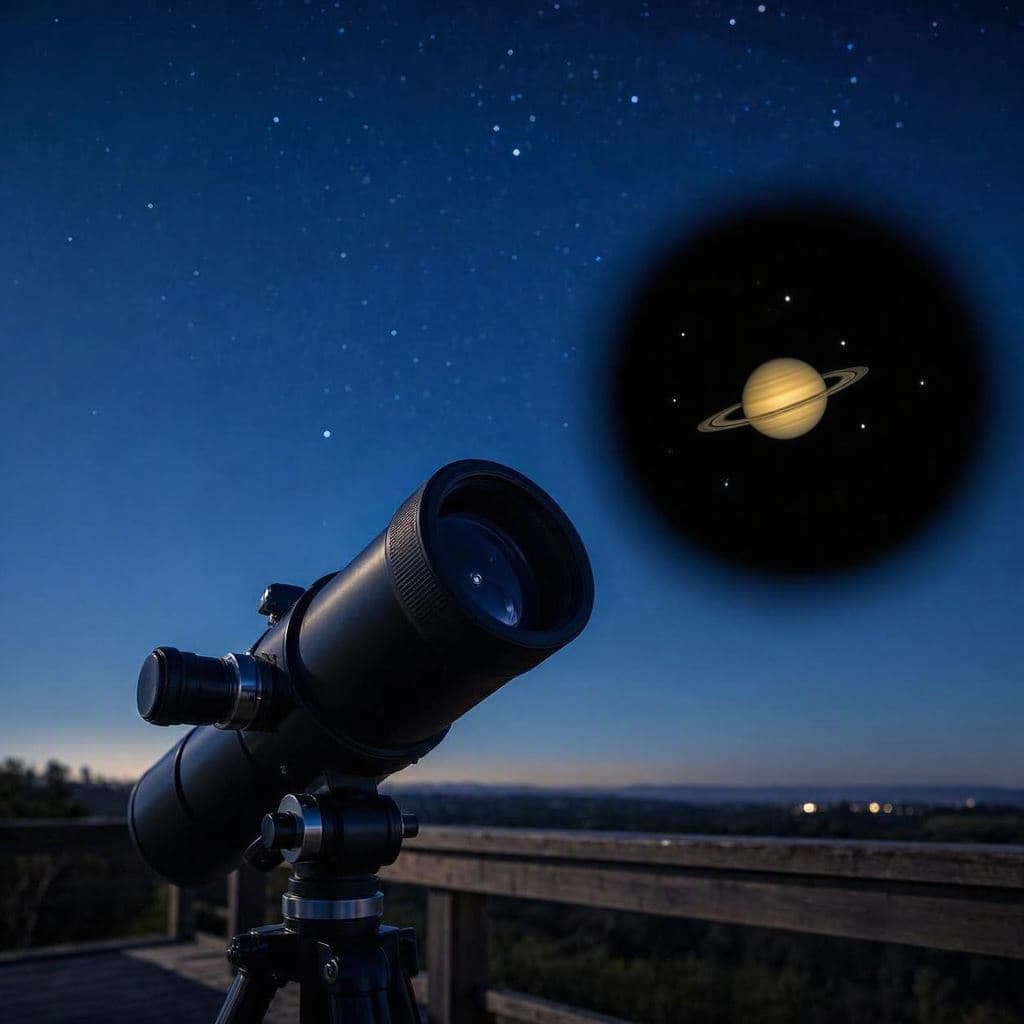
Saturn is bright in the evening sky on September 27, with its moons Titan, Tethys, Rhea, and Dione visible through a telescope. Titan appears near the planet, moving closer over coming days.
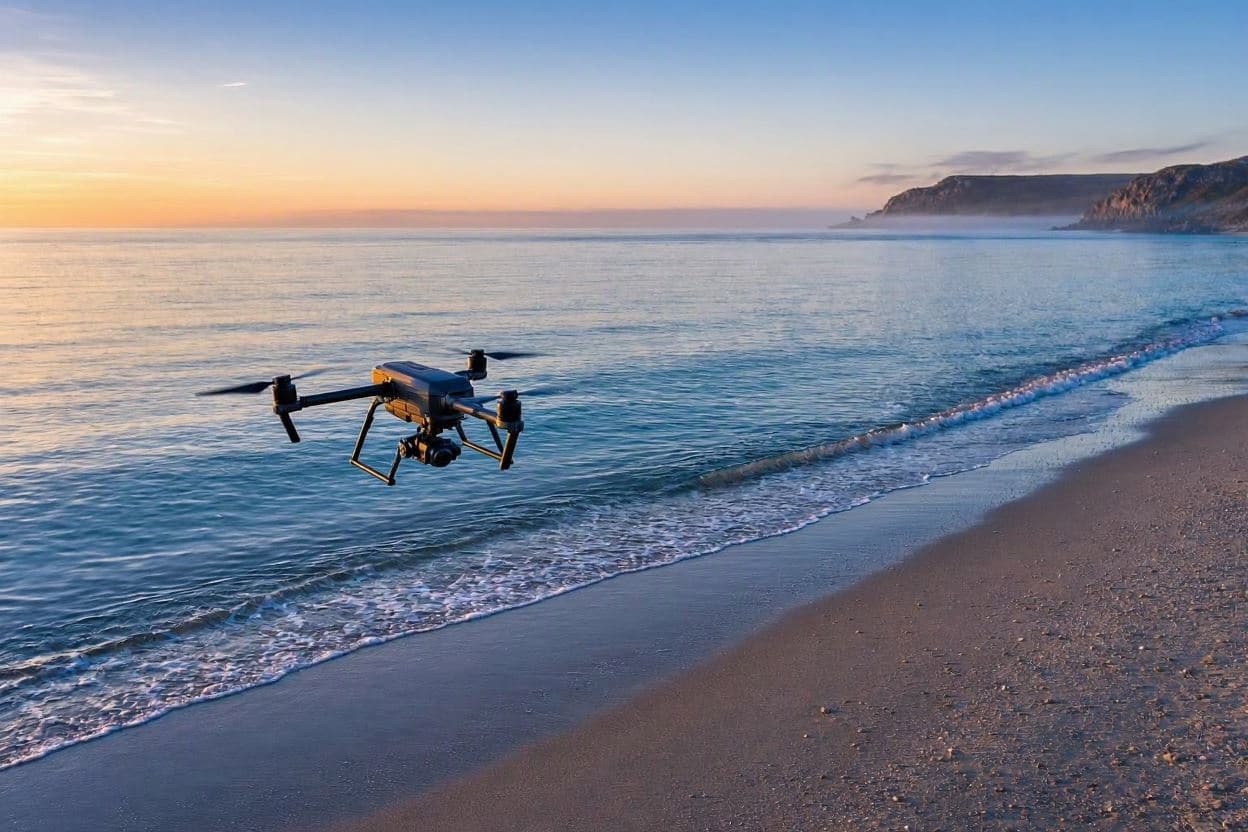
Expanded winter drone surveillance in NSW recorded over 1,200 shark detections, leading to 360 interventions including beach evacuations, as the state boosts its monitoring program.
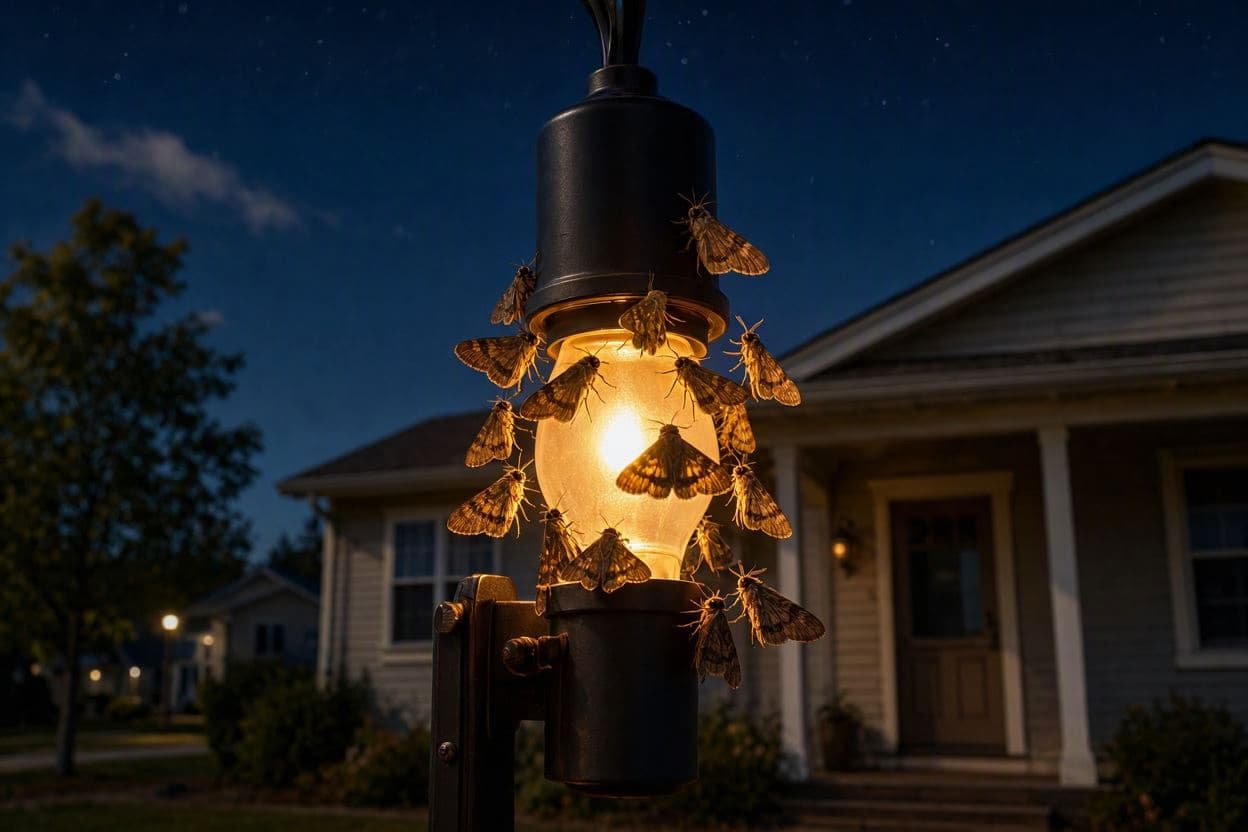
Endangered bogong moths are migrating through Sydney and the NSW south coast in large numbers, guided by stars and magnetic fields on their 1,000-kilometer journey to the Australian Alps.
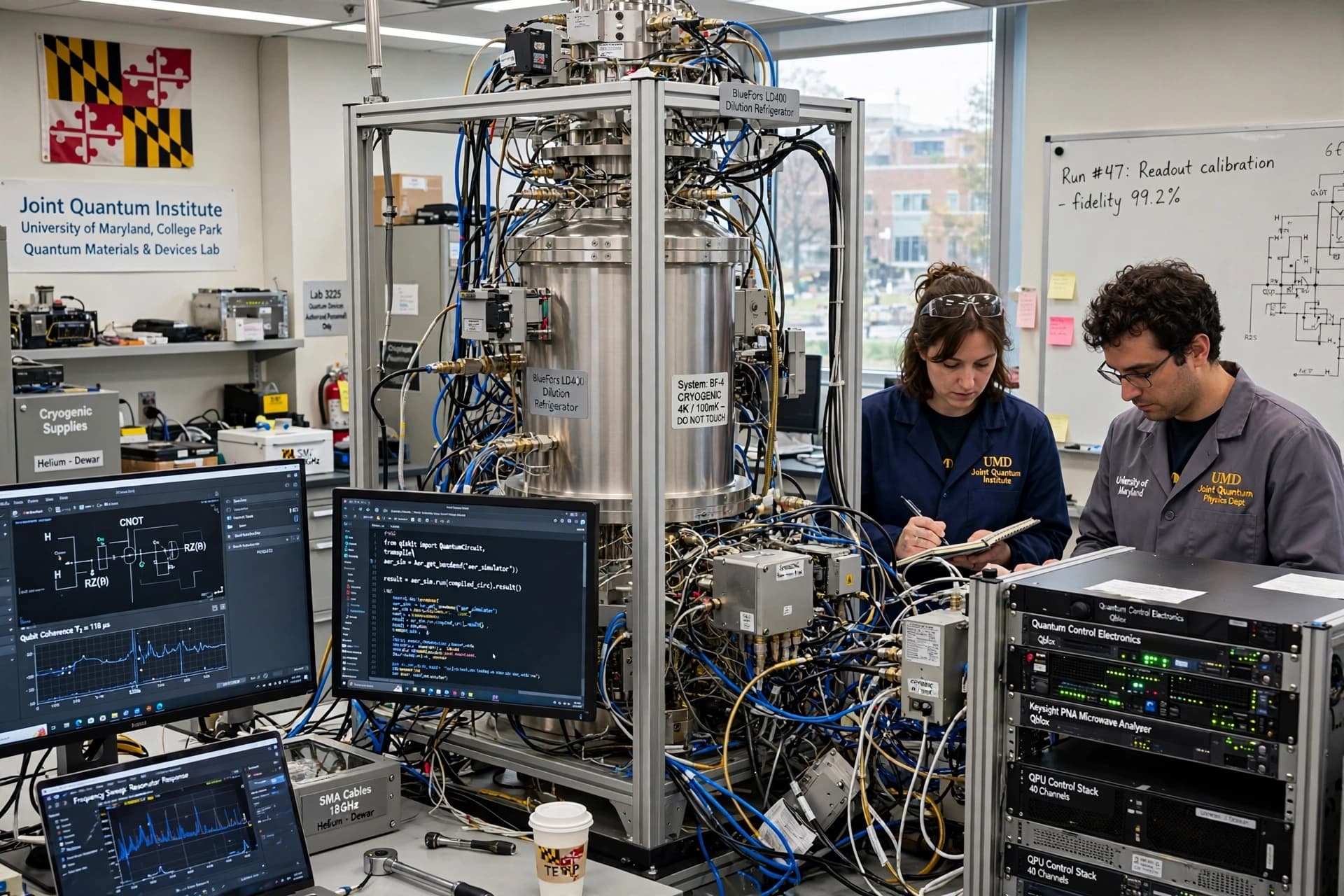
Microsoft will give DARPA hands-on access to a new quantum computing system at its Maryland facility for research and testing.
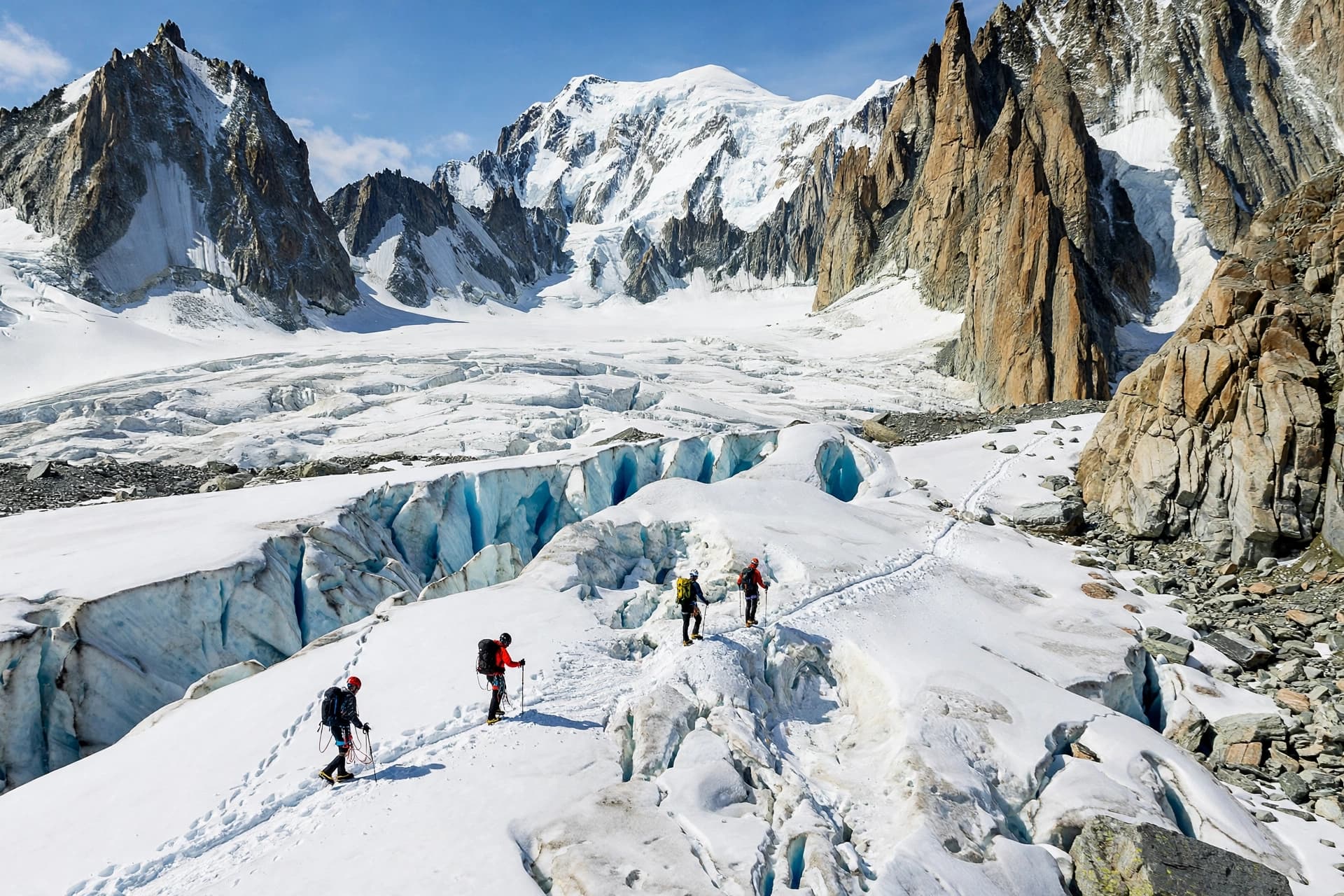
Record heat and melting permafrost have intensified glacier retreat and rockfalls around Mont Blanc, complicating climbing routes near Chamonix.