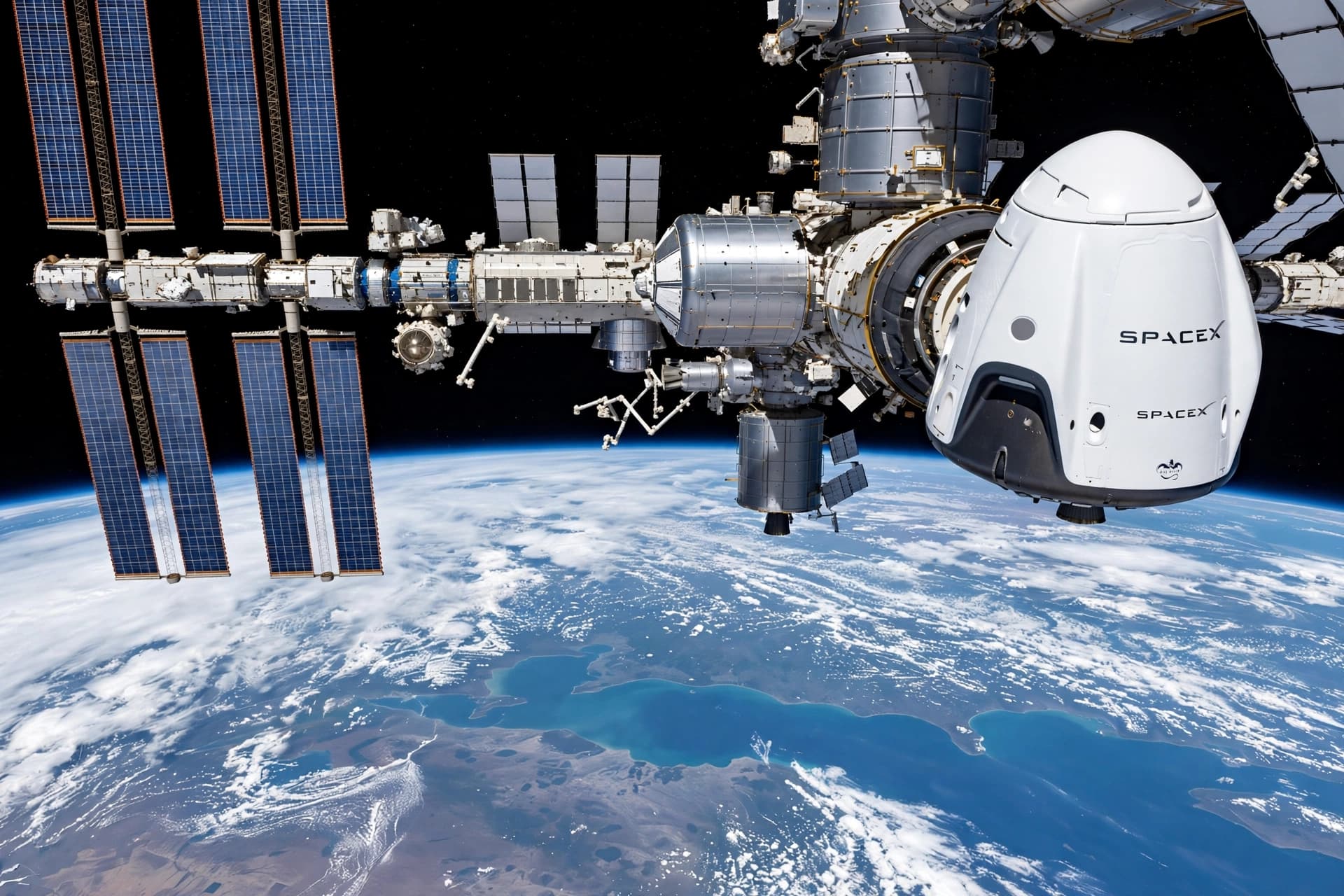
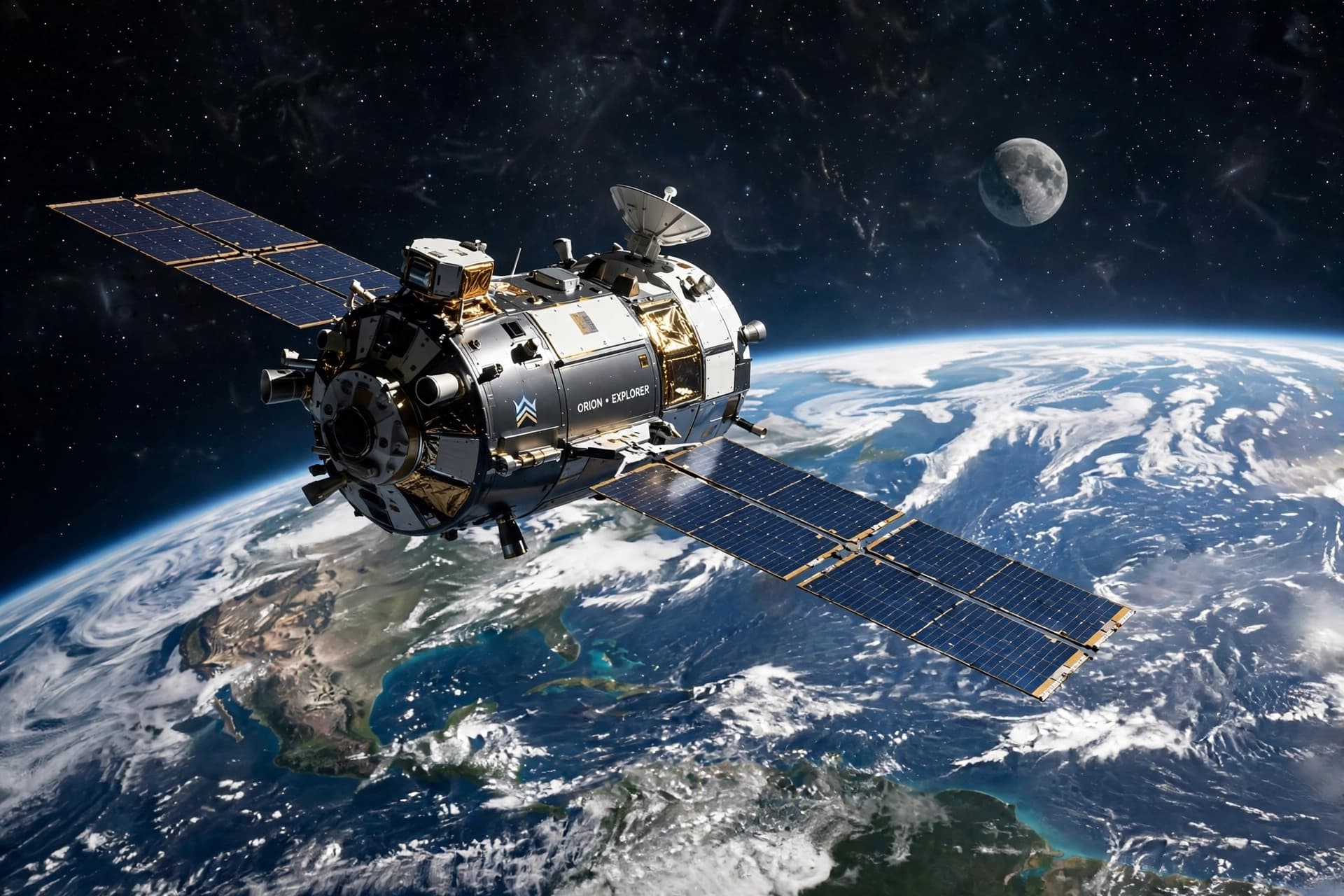
SpaceX Secures Major NASA Contract, Boosting Investor Confidence
SpaceX wins a 950 million NASA contract for crewed missions, reinforcing its market position and providing a strong case for investors amid its $1.8 trillion valuation.

SpaceX wins a 950 million NASA contract for crewed missions, reinforcing its market position and providing a strong case for investors amid its $1.8 trillion valuation.

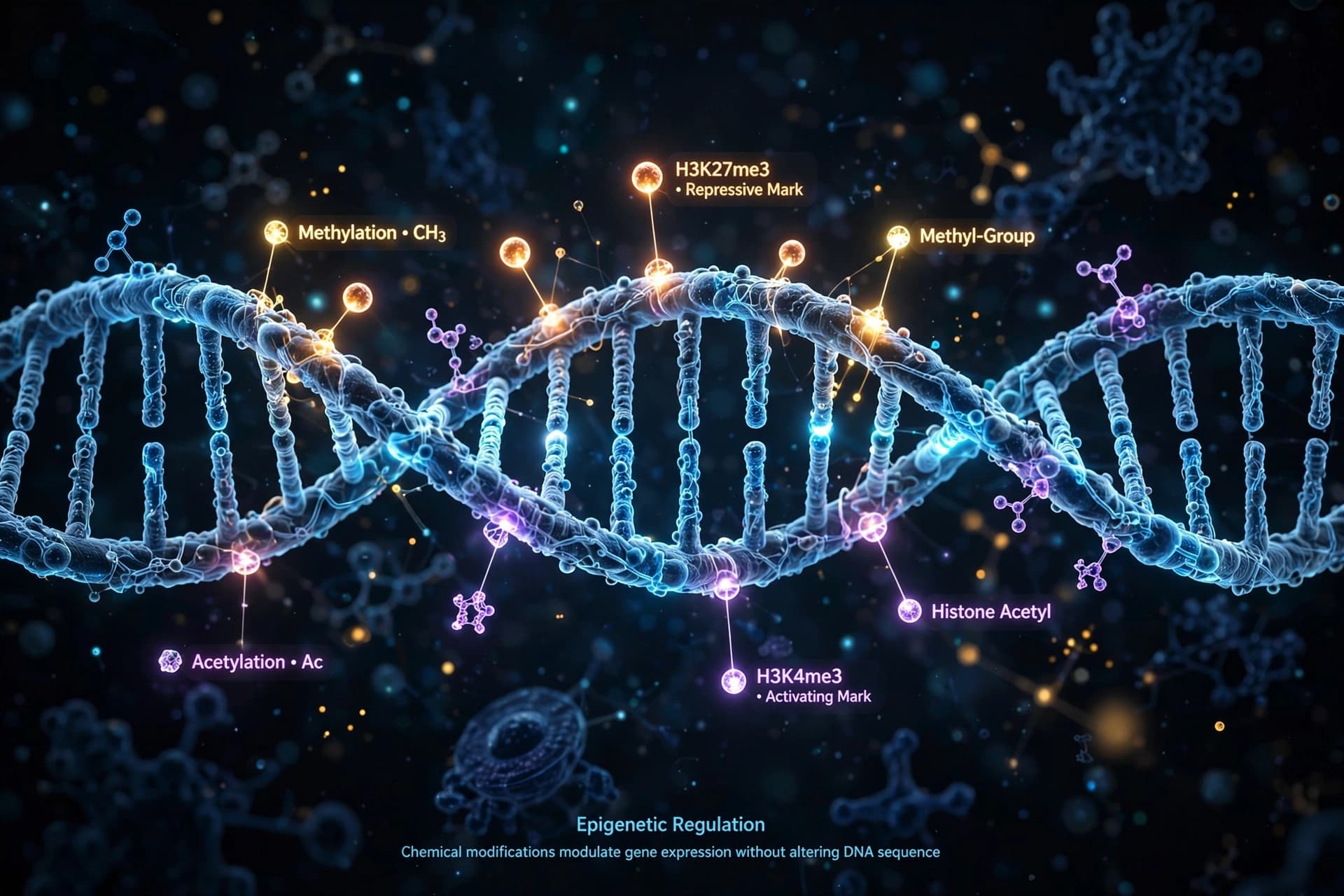
Scientists discover that loss of epigenetic information drives aging, offering potential for therapies that could reverse signs of age and extend healthspan.

Physicists continue to explore the theoretical feasibility of warp drives, refining models to reduce energy requirements and address the need for exotic matter.

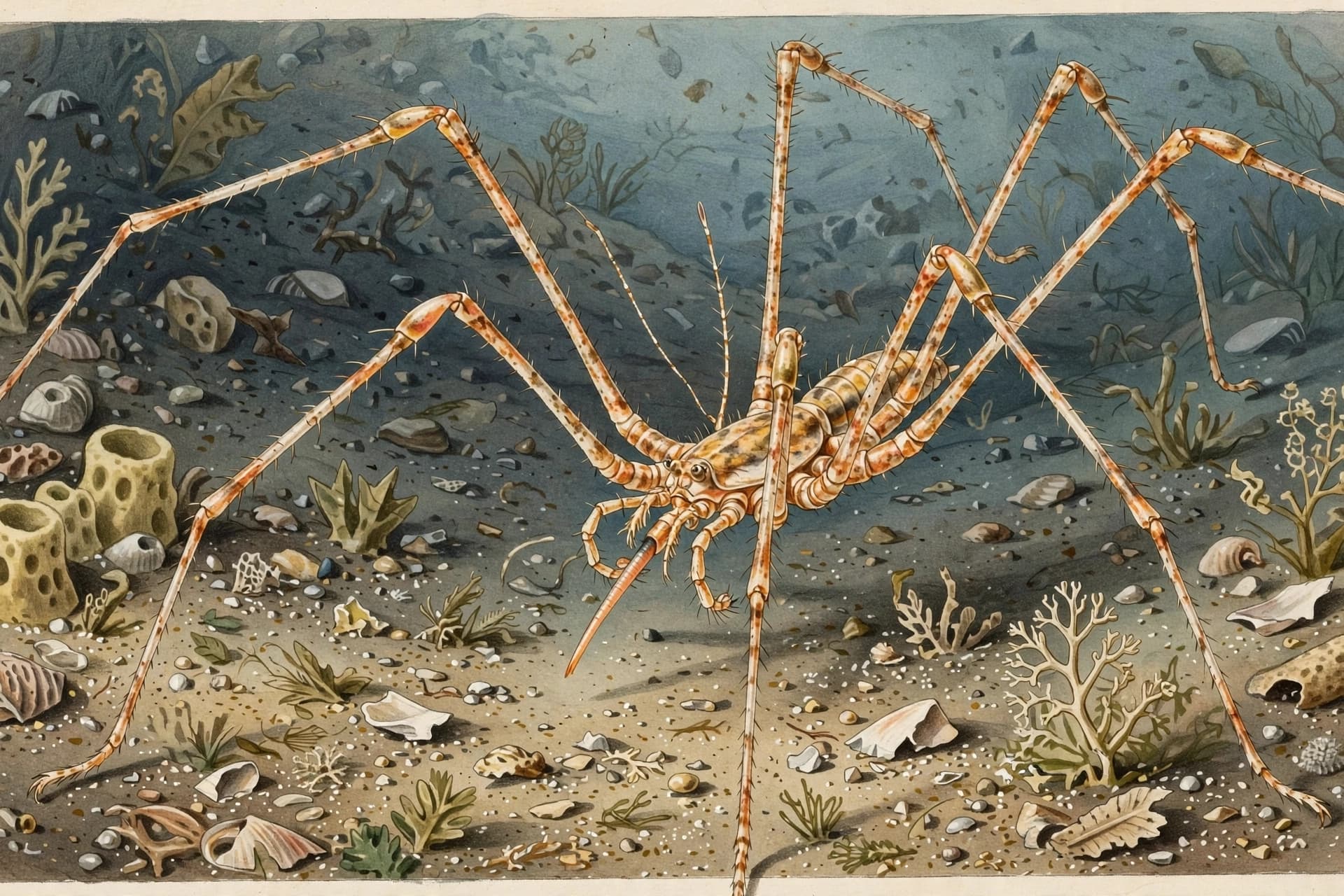
Marine biologists have discovered two new species of sea spiders off the coast of British Columbia, including one with unique hairy legs and red eyes.

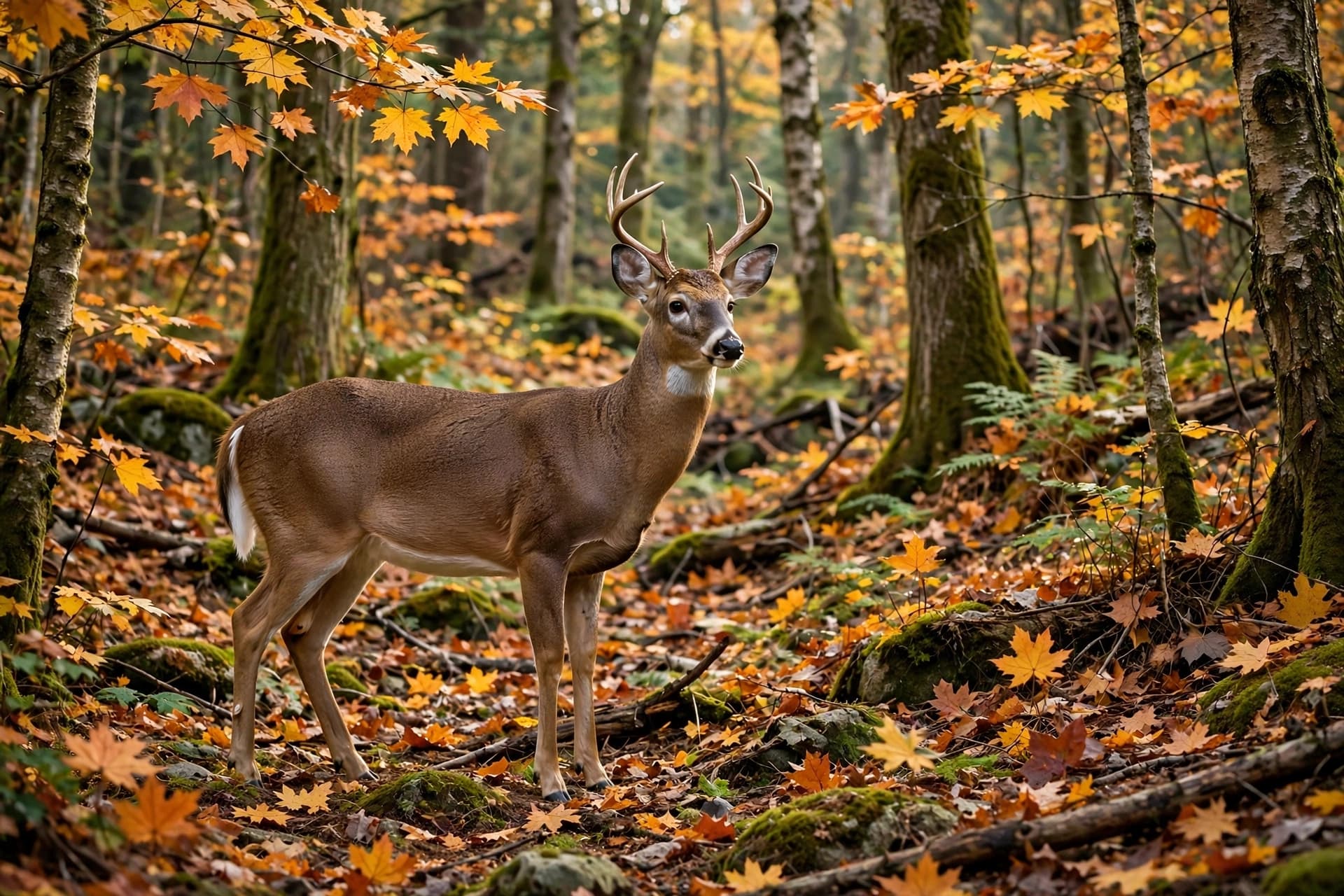
Ontario officials are urging hunters and farmers to submit deer samples for testing to help monitor the spread of Chronic Wasting Disease, a fatal neurological condition.

A comprehensive genetic study has mapped the evolutionary family tree of bats, revealing their origins and divergence from other mammals millions of years ago.

The Planétarium will premiere "Encounters in the Milky Way," a new immersive film showcasing the beauty and science of our galaxy, starting October 6.

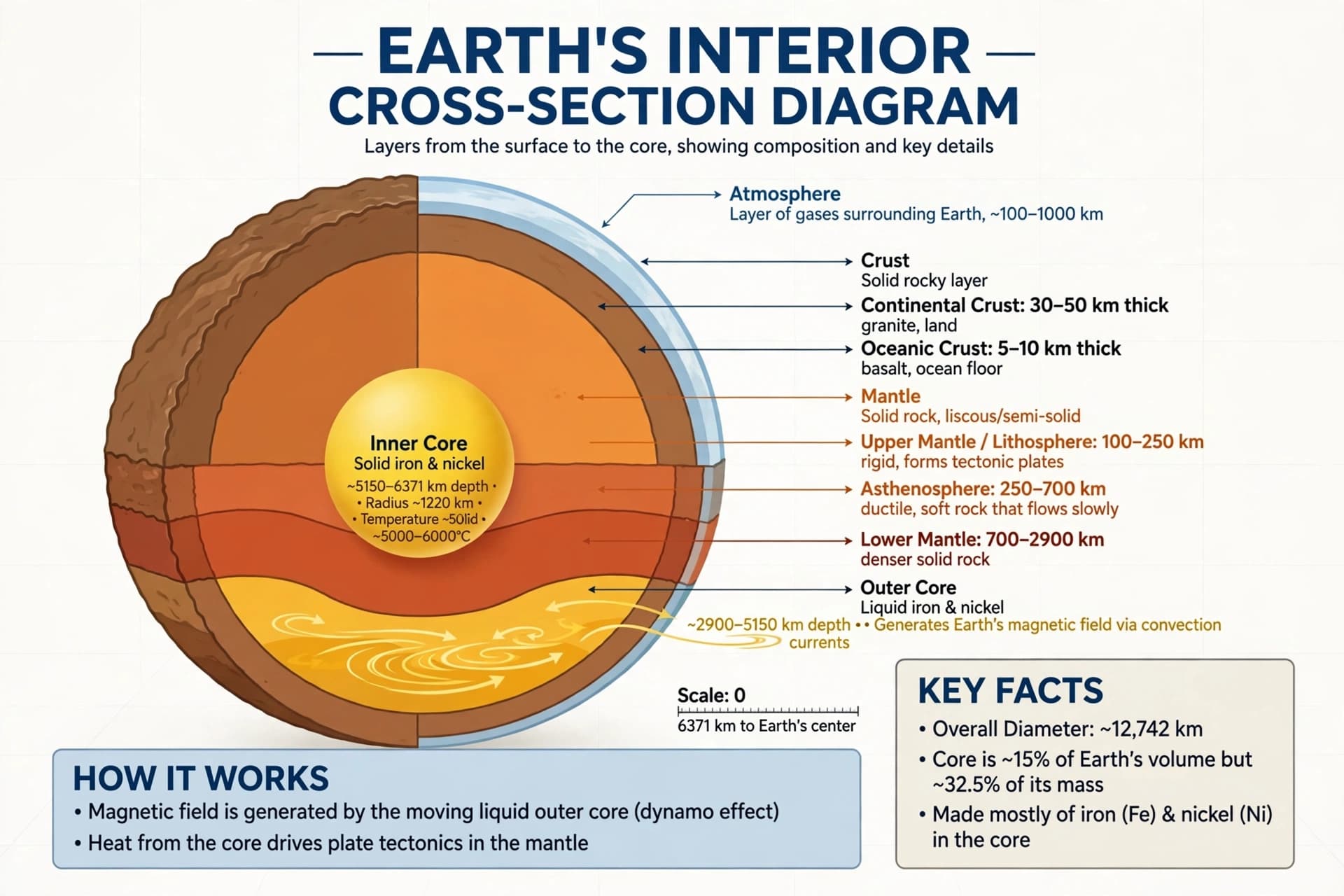
New research indicates that gravitational interactions between Earth’s inner and outer cores are causing slight fluctuations in the length of our days, impacting precise timekeeping.

The ESA’s JUICE spacecraft will perform a gravity-assist flyby of Earth on September 28, 2026, boosting its speed for the journey to Jupiter’s icy moons.

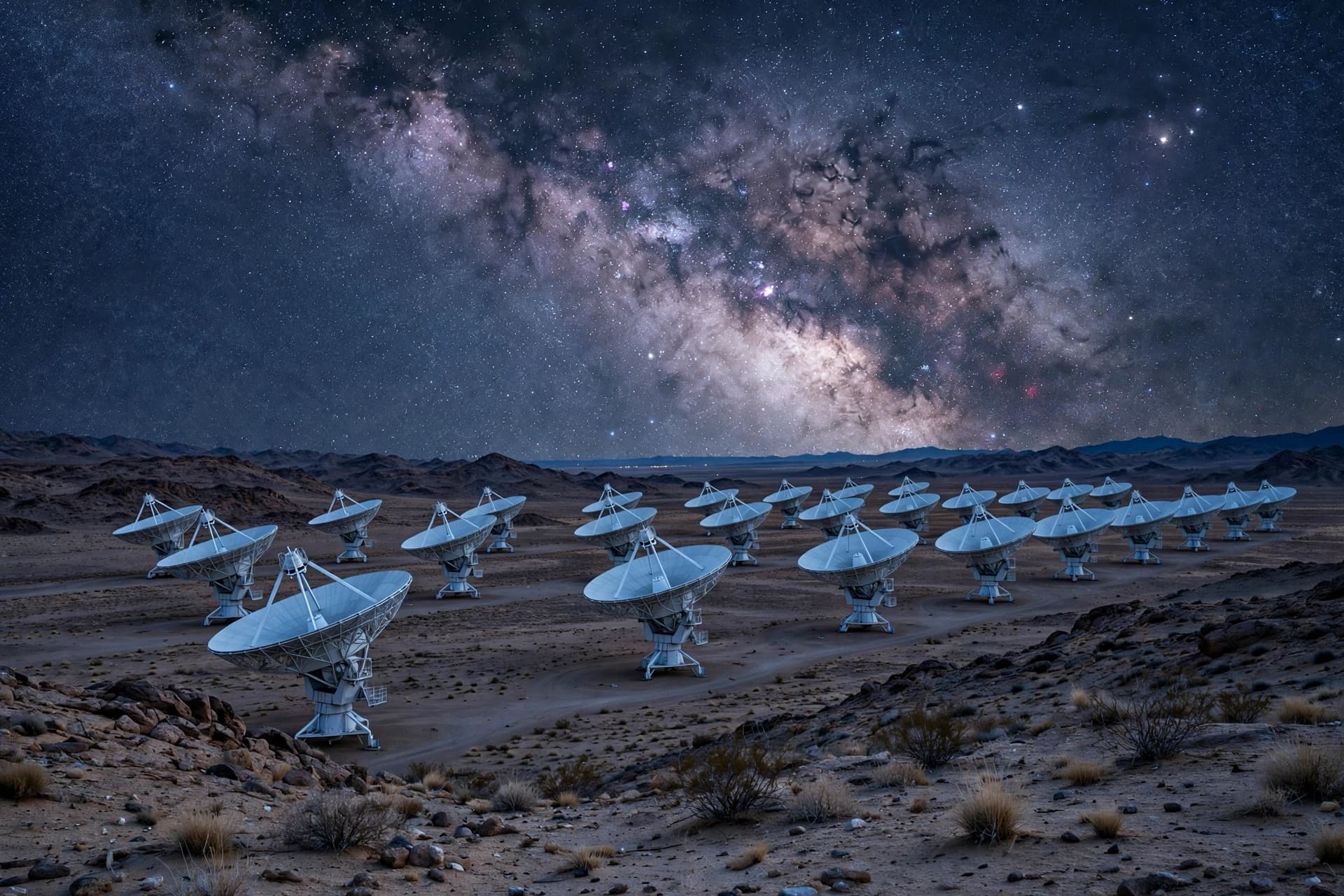
The Square Kilometre Array (SKA) radio telescope may soon be able to detect magnetic fields on distant exoplanets, helping scientists assess their potential for habitability.

NASA and SpaceX have targeted October 1, 2026, for the launch of the Crew-13 mission, which will carry four astronauts to the International Space Station.

New research suggests that diffractive solar sails could propel impactors at 100 km/s, offering a fast and efficient method for deflecting hazardous asteroids like Apophis.

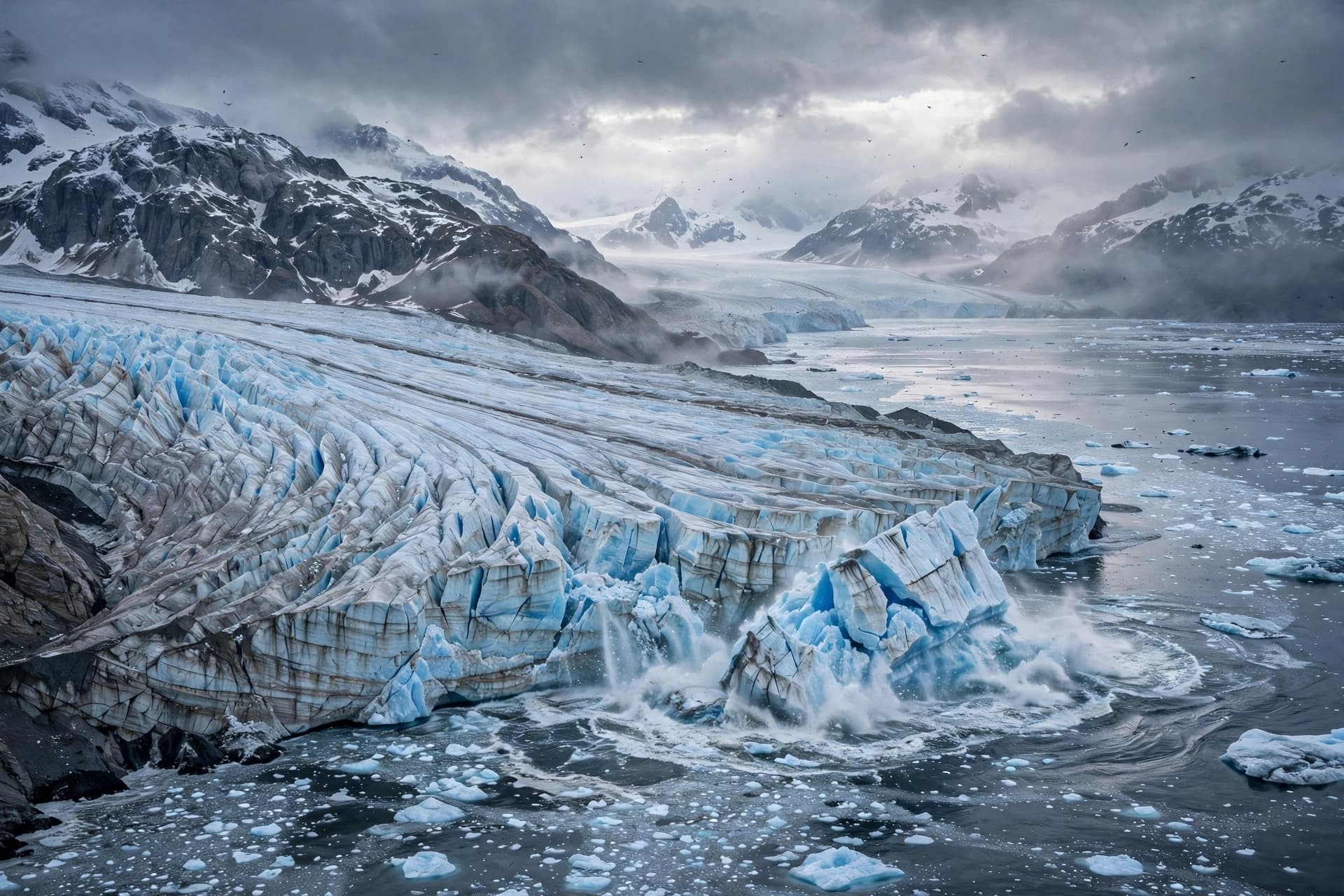
Greenland’s Petermann Glacier lost a 76 km² section of its floating ice tongue in August 2026, marking its largest calving event since 2012 and raising concerns about future stability.

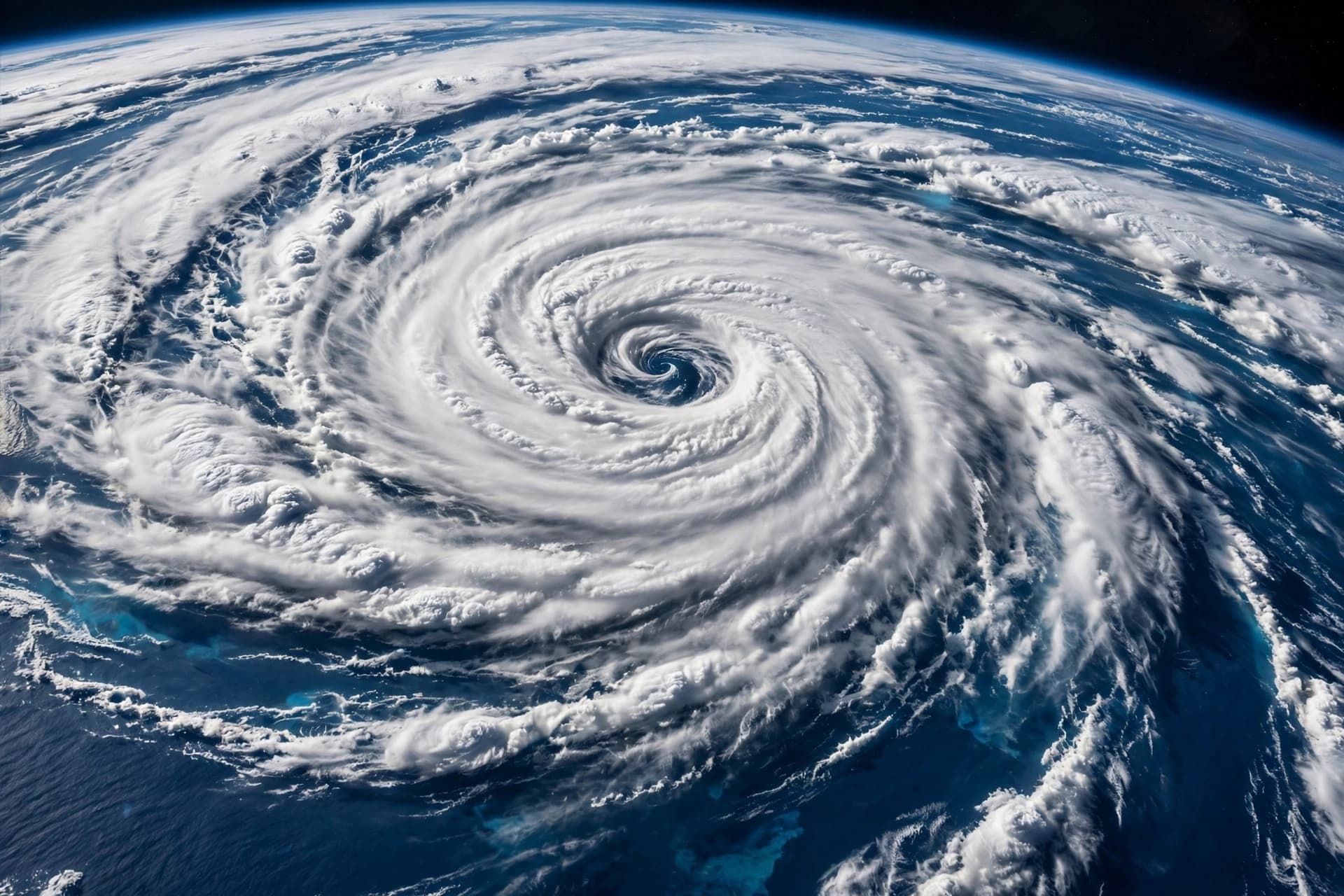
Hurricane Odalys has intensified into one of the strongest storms ever recorded off the Mexican coast, prompting evacuation orders and warnings of life-threatening conditions.

A new report warns that El Niño-driven heatwaves could lead to half a million additional deaths globally, with high-risk areas in South America, Asia, and Africa.

An ancient Gallo-Roman wall discovered beneath a hotel on the Île de la Cité may confirm the location of Paris’s earliest settlement, Lutetia.

Archaeologists have uncovered an ancient wall beneath Paris that could confirm the site of the city’s first known human settlement.

A new study by historian Taco Terpstra suggests that the famous saying "All roads lead to Rome" is a myth, revealing a more complex, multi-centered Roman road network.

DNA analysis of Thomas Jefferson’s hair confirms his paternity of Sally Hemings’ children, resolving a 200-year historical debate. This breakthrough validates oral histories and complicates Jefferson’s legacy.

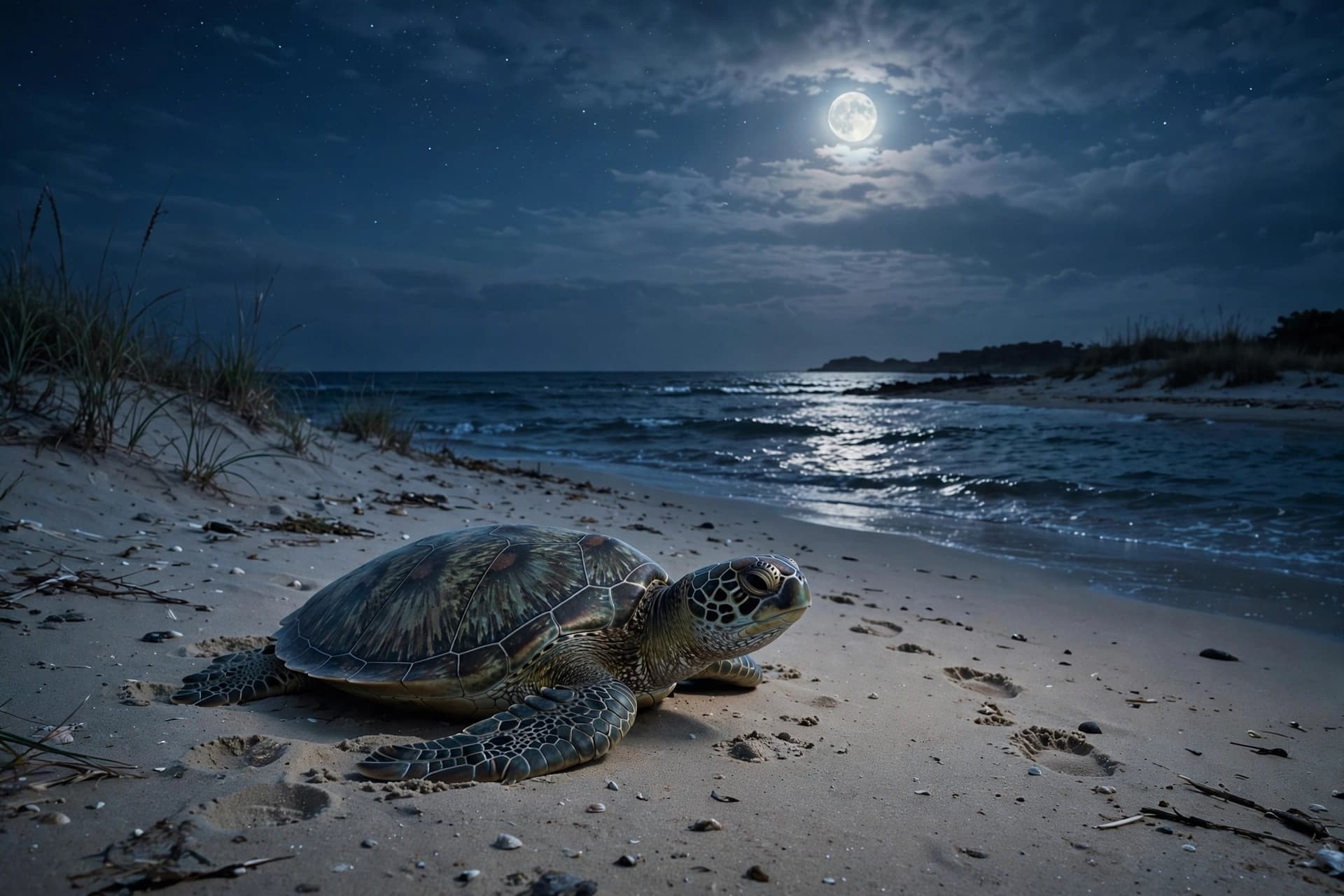
An olive ridley sea turtle laid eggs on a Southern California beach, marking the first recorded nesting of any sea turtle species on the U.S. West Coast.

A metal detectorist in North Wales discovered a potential record-breaking hoard of 15,000 Roman coins, now being analyzed by experts at the National Museum Cardiff.

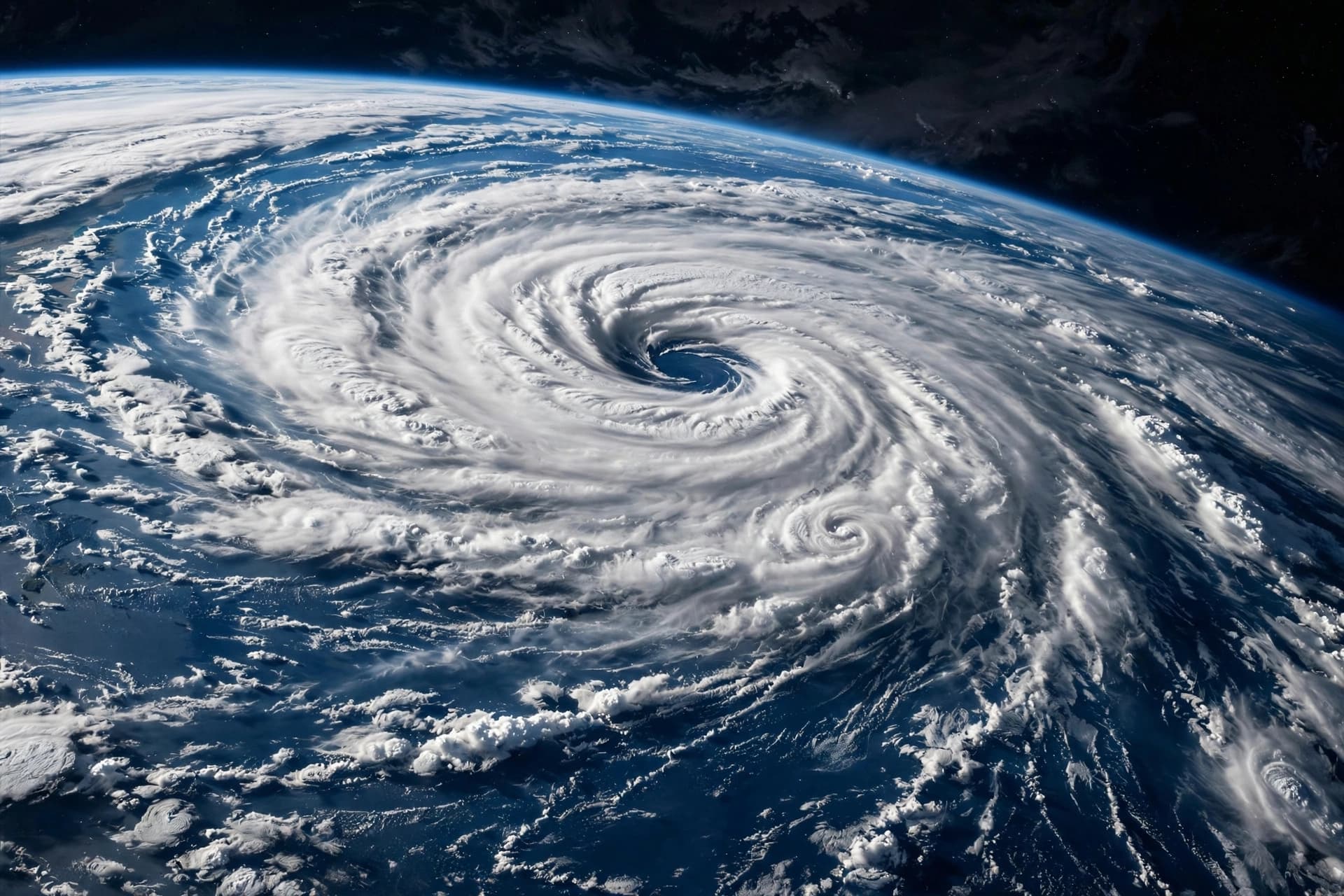
A powerful "super" El Niño is driving intense tropical cyclone activity in the Pacific Ocean, creating hazardous conditions for coastal regions and challenging historical norms.

Despite forecasts for an active season, September has seen fewer hurricanes than expected due to high wind shear and dry air. This quiet period highlights climate variability and the importance of continued vigilance.

Scientists discovered Incendiamoeba cascadensis, a "fire amoeba" that reproduces at 63°C, breaking the heat limit for complex eukaryotic life. This finding impacts astrobiology and evolutionary science.