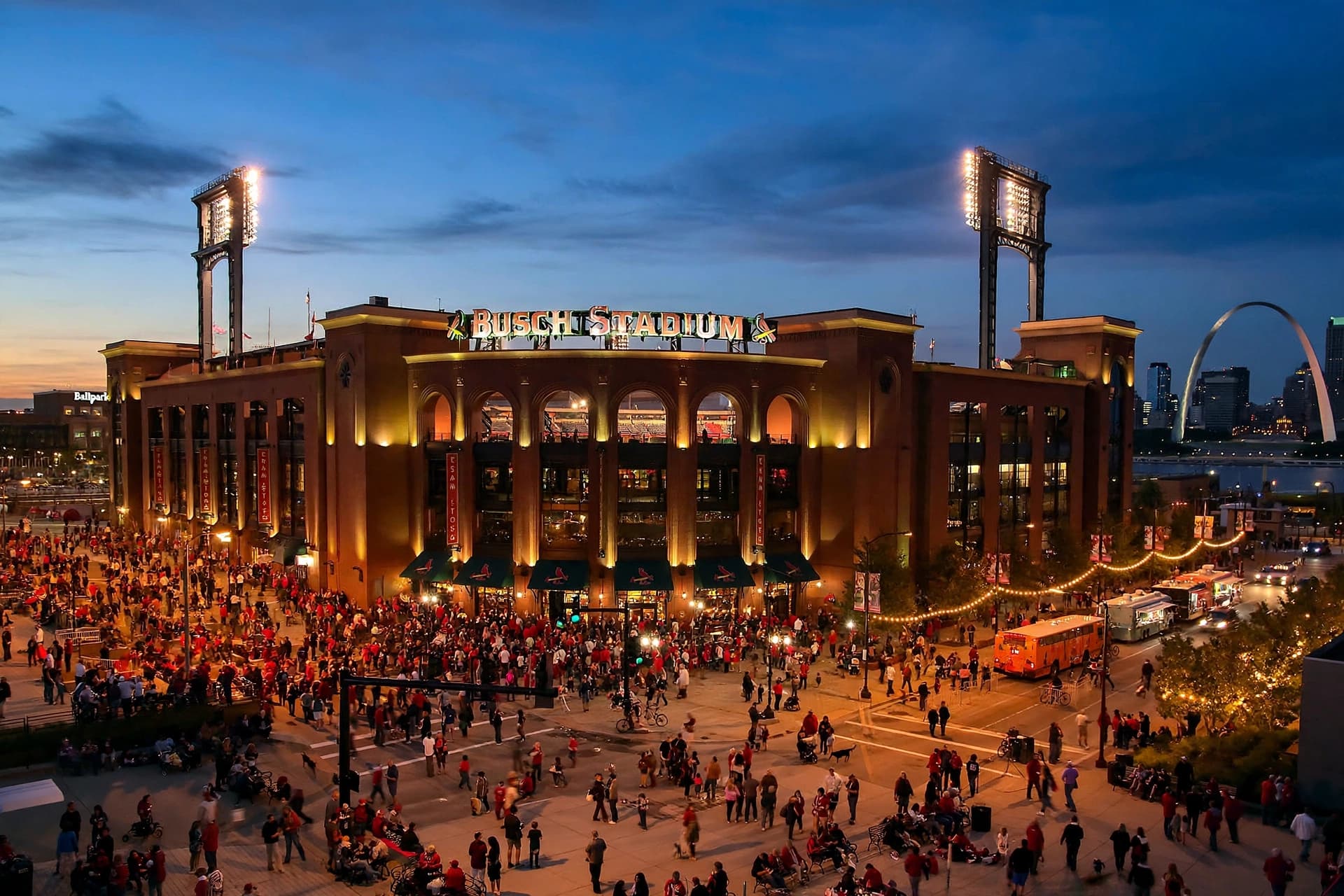
In the vibrant heart of St. Louis, where the roar of the crowd and the crack of a bat define summer evenings, a quiet public health alert has emerged to remind residents of the invisible vulnerabilities that can exist in shared spaces. Health officials have issued a warning regarding potential measles exposure at Busch Stadium and several local businesses, highlighting the delicate balance between community life and disease prevention. This notice serves not as a cause for panic, but as a gentle nudge toward vigilance, encouraging those who may have been present during specific dates to check their vaccination status and monitor their health.
The Missouri Department of Health and Senior Services identified a potential risk for individuals who visited Busch Stadium or certain bars and restaurants in the St. Louis area between September 12 and 14. Measles is a highly contagious viral illness that spreads through the air when an infected person coughs or sneezes. The virus can linger in the air or on surfaces for up to two hours, making crowded indoor environments like stadiums and hospitality venues potential sites for transmission if an infectious individual is present.
For those who attended events or dined at the specified locations during this window, the primary recommendation is to verify their immunity. Most adults born before 1957 are considered immune due to likely natural exposure, while those born after 1957 should have received at least one dose of the measles-mumps-rubella (MMR) vaccine. Two doses are recommended for full protection, particularly for healthcare workers, international travelers, and students. Checking vaccination records is a simple yet powerful step in safeguarding personal and public health.
Symptoms of measles typically appear seven to fourteen days after exposure and include high fever, cough, runny nose, and red, watery eyes. A distinctive rash usually develops a few days later, starting on the face and spreading downward. If any of these symptoms arise, it is crucial to contact a healthcare provider immediately and inform them of the potential exposure. This allows medical staff to take necessary precautions to prevent further spread within clinical settings.
Local businesses named in the advisory have cooperated with health authorities to ensure transparency and support contact tracing efforts. While the risk to the general public remains low for those who are vaccinated, the alert underscores the importance of herd immunity. When a high percentage of the community is immunized, the virus finds it difficult to spread, protecting those who cannot be vaccinated due to age or medical conditions.
Public health experts emphasize that measles was declared eliminated in the United States in 2000, but occasional outbreaks still occur due to imported cases or gaps in vaccination coverage. This recent alert is a reminder that global travel and interconnected communities mean that diseases can reappear unexpectedly. Maintaining high vaccination rates is the most effective tool we have to keep these illnesses at bay.
For parents of young children, this is an opportune time to review immunization schedules. The first dose of the MMR vaccine is typically given between 12 and 15 months of age, with the second dose between four and six years. Ensuring that children are up to date not only protects them but also contributes to the broader safety net of the community.
As the situation unfolds, health officials continue to monitor for any new cases and provide updates as needed. The proactive nature of this warning reflects a commitment to transparency and public safety. By staying informed and taking simple preventive measures, residents can help ensure that St. Louis remains a healthy and vibrant place for all.
The potential measles exposure in St. Louis is a manageable public health matter that highlights the enduring value of vaccination. By checking records and staying aware of symptoms, individuals can protect themselves and their neighbors. Community cooperation and scientific diligence remain our best defenses against preventable diseases.
AI Image Disclaimer: The illustrations accompanying this article are AI-generated visualizations designed to represent the concept of public health awareness and community safety, not actual photographs of Busch Stadium or affected individuals.
Sources: ABC News, St. Louis Public Radio, KMOV, City of St. Louis Department of Health
Published by Banx Network. This article is part of the Banx decentralized media programme, powered by the BXE token on the XRP Ledger.